What a Mississippi Silverside Minnow Is Used For
You're out there on the water, maybe Grenada Lake or the Ross Barnett Reservoir, and you hear someone mention "silversides" as bait. You might even see them swimming in a bait tank at a local shop. But if you're like many anglers, you might wonder, "What exactly is a Mississippi silverside minnow, and why is it such a big deal for fishing around here?" It's a valid question because these small, often overlooked fish play a massive role in both the ecosystem and in helping anglers land some fantastic catches. This guide is going to peel back the layers on this humble baitfish, explaining its identity, its incredible utility for fishermen across the Magnolia State, and how you can best utilize them to up your game.
Understanding the Mississippi Silverside Minnow
Before we dive into how to use them, let's get acquainted with the star of our show: the Mississippi silverside. It's easy to dismiss them as just another "minnow," but they are a distinct species with specific characteristics that make them incredibly valuable, both in the wild and in your bait bucket.
What Exactly Is a Mississippi Silverside?
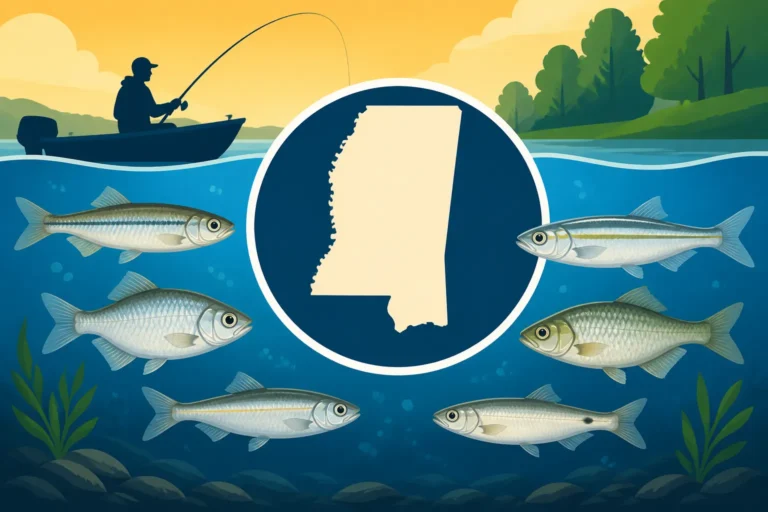
The Mississippi silverside (scientific name: Menidia audens) is a slender, silvery fish, typically growing to about 3-5 inches in length, though some might get a bit larger. They get their name from that distinct, shiny silver stripe running down their sides. Unlike many minnows you might picture, silversides often swim in schools, preferring the open waters near the surface of lakes, slow-moving rivers, and estuaries. They are pelagic, meaning they live in the open water column, and are often found in both freshwater and brackish environments, adapting well to a variety of conditions, which is why they thrive in many of Mississippi's diverse waterways, from vast reservoirs to river systems.
Their diet primarily consists of zooplankton and small insects, making them an important link in the food chain. They're fast, agile, and their silvery flash is a natural beacon for predators. They reproduce quickly and in large numbers, which helps sustain populations even with heavy predation from larger game fish. Knowing this ecological background helps us understand why they are so effective as bait – they are literally what the bigger fish are already looking for.
The Role of Small Forage Fish in Mississippi Waters
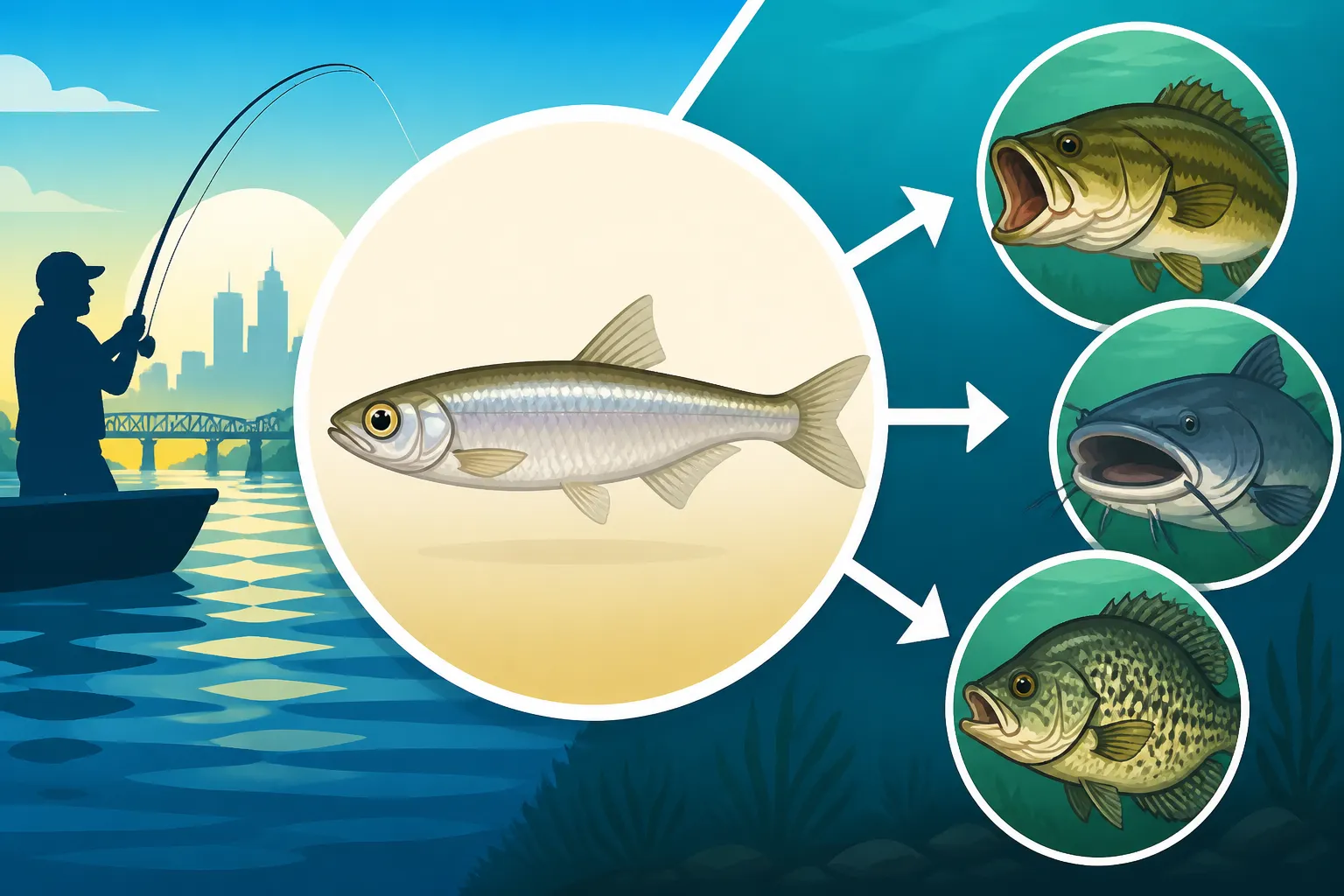
Mississippi silversides are a quintessential "forage fish." What does that mean? It means they are a primary food source for almost every predatory fish in their habitat. Think of them as the unsung heroes of the aquatic food web. Without abundant forage fish like silversides, the larger game fish we all love to catch – bass, crappie, catfish, and even some saltwater species – simply wouldn't have enough to eat to grow big and healthy. They are crucial for maintaining healthy fish populations and supporting a robust fishing ecosystem.
When a school of silversides darts through the water, it's like a dinner bell for a waiting largemouth bass or a hungry crappie. Their abundance helps ensure that game fish have a consistent and natural food source, which in turn leads to better fishing for us. This natural appeal is exactly why they make such fantastic bait. If you're interested in other crucial bait fish, you might also want to read about Bait Fish Native to Mississippi Lakes or What a Gizzard Shad Is Used For.
Primary Uses of Mississippi Silverside Minnows for Anglers
Now that we know what they are, let's get down to business: how do anglers in Mississippi put these little powerhouses to work? The versatility of silverside minnows is a huge part of their appeal.
As Live Bait for Game Fish
This is perhaps the most common and effective use of Mississippi silversides. Their natural swimming action and flash are irresistible to a wide range of game fish. When rigged correctly, a lively silverside minnow is hard for any predator to pass up.
Many anglers use them for:
- Crappie: This is arguably where silversides shine brightest. Crappie absolutely devour them. Whether you're slow trolling, spider rigging, or fishing a brush pile, a live silverside hooked lightly through the back or lips is a top-tier bait. Its frantic movements signal an easy meal, especially when crappie are schooled up around submerged timber or ledges. You can find many anglers using these on Grenada Lake or Sardis Lake for excellent crappie action. For more on this, check out Best Bait for Crappie in Mississippi or Jig Fishing for Crappie.
- Largemouth Bass: While bass will hit a variety of lures, a live silverside minnow can be deadly, particularly when bass are finicky or during slower periods. Fishing them under a bobber near weed lines, around submerged structure, or even just free-lining them in open water can entice strikes from even the wariest bass. Their natural presentation often outcompetes artificials when the bite is tough.
- White Bass and Hybrid Striped Bass: These schooling predators are often chasing schools of baitfish, and a live silverside perfectly mimics their natural prey. Drift fishing or slow trolling with silversides can be incredibly effective when you locate schools of white bass or hybrids, especially in large reservoirs like Ross Barnett or Pickwick Lake.
- Catfish (Smaller Species/Finer Techniques): While big blue catfish might prefer cut bait, smaller channel catfish and even flatheads will readily take a live silverside, particularly when targeting them with lighter tackle or in clearer waters where presentation matters more.
Rigging Tips: When using live silversides, the key is to keep them alive and active. A small, light wire hook (like a Kahle hook or a small treble) is often best. Hook them gently through the lips or just behind the dorsal fin, being careful not to hit their spine. This allows them to swim naturally and attract attention. You'll want to keep them in a well-aerated bait tank or bucket – you can find excellent portable aerators and bait buckets on Amazon that will keep your precious bait lively all day.
As Cut Bait for Bottom Dwellers
While live bait is fantastic, silversides also have a place as cut bait, particularly for certain species or when a strong scent trail is desired.
- Catfish: When targeting larger blue or flathead catfish, a chunk of silverside minnow, especially when fresh, can be very appealing. The strong scent released from the cut flesh disperses in the water, drawing in catfish from a distance. This method is often used for fishing on the bottom in rivers or deeper lake channels. Best Bait for Catfish in Mississippi can offer more insights here.
- Bream/Panfish: While not always the first choice, a small piece of silverside can sometimes entice larger bream or other panfish, especially if you're looking for something with a bit more scent than traditional worms or crickets.
Preparation and Advantages: To use as cut bait, simply cut the silverside into appropriate-sized pieces depending on the target species. The advantage here is the scent trail and the convenience of using dead bait, which can be easier to manage in some situations. The oily nature of silversides makes them particularly good at emitting a strong scent, attracting fish even in stained or muddy water.
For Attracting Fish with "Chumming" Techniques
Chumming involves dispersing bait or other attractants into the water to draw fish to your fishing area. Silverside minnows, especially dead or slightly mashed, can be excellent for this purpose.
- Attracting Crappie and Panfish: A handful of finely chopped silversides tossed around your boat or pier can create a scent and visual trail that mimics a feeding frenzy, drawing in crappie, bream, and other panfish. This is particularly effective around structure like brush piles, docks, or submerged timber.
- Drawing in Catfish: Larger chunks or even whole dead silversides can be used to chum for catfish, especially when anchored in a river current. The scent will drift downstream, bringing catfish to your offerings.
Rules and Best Practices: It's crucial to be aware of local regulations regarding chumming. Some areas may have restrictions or prohibitions on certain types of chum or methods. Always check the current Mississippi Fishing Regulations Explained before you head out. When chumming, do so sparingly to avoid overfeeding the fish; you want to attract them, not fill their bellies before they see your hook! You can find specific chum bags and containers on Amazon that help disperse your bait effectively without overdoing it.
Sourcing and Keeping Mississippi Silverside Minnows
Having the right bait is one thing; getting it and keeping it in prime condition is another. Silversides are delicate, so handling them with care is essential for maximizing their effectiveness.
Catching Your Own Silversides
For the DIY angler, catching your own silversides can be a rewarding experience, and it often results in the freshest, most lively bait.
- Methods: The most common method for catching silversides is using a cast net. Look for schools of them swimming near the surface, often in calm coves, along shorelines, or around docks and lights at night. A small mesh cast net will allow you to scoop up a good number without harming them too much. Another method can be using a small minnow trap baited with bread or crackers, placed in areas where you've seen them congregate.
- Regulations: Just like with game fish, there are rules about catching baitfish. Be sure to consult the Mississippi Fishing Regulations Explained regarding methods, size limits (though usually not an issue for silversides), and possession limits for baitfish. You don't want to accidentally break a rule while trying to get your bait.
- Gear: For cast nets, you'll want one with a relatively fine mesh (around 3/8 inch or smaller) to prevent them from gilling. A good quality bait bucket is also crucial for immediate transfer. A quick search on Amazon will show you a variety of cast nets suitable for baitfish.
Buying Silversides from Bait Shops
If you don't have the time or equipment to catch your own, most well-stocked bait shops in Mississippi will carry live silversides, especially those near popular crappie and bass lakes.
- Availability: Call ahead to ensure availability, as demand can fluctuate, especially during peak fishing seasons. Shops near large bodies of water like Ross Barnett Reservoir Fishing Guide or Sardis Lake Fishing Guide are almost guaranteed to have them.
- Cost Considerations: While prices can vary, silversides are generally affordable. The cost is usually per dozen or per scoop. Compare prices if you have multiple shops nearby, but also prioritize the health and liveliness of the bait. A slightly more expensive but healthier batch of bait will always be more effective than a cheaper, lethargic one.
Keeping Silversides Alive and Healthy
Silversides are delicate, and keeping them frisky is key to their effectiveness as live bait. A healthy minnow moves naturally and attracts fish; a dying one just floats.
- Aeration: This is non-negotiable. Silversides need plenty of oxygen. A good quality aerator for your bait tank or bucket is vital. Battery-powered aerators are great for on-the-go.
- Water Quality: Use fresh, clean water from the source where you caught them or dechlorinated tap water. Avoid sudden temperature changes. If you’re fishing on a hot summer day, consider adding a frozen water bottle to your bait tank (don't add ice cubes directly, as the melting ice can alter water chemistry too quickly).
- Bait Tanks: Invest in a good bait tank with a filtration system if you plan on keeping them for extended periods or transporting large numbers. For a day trip, a well-insulated bait bucket with an aerator will suffice. Look for tanks on Amazon with built-in pumps and filters for optimal performance. You can also find tips on Best Livewell Tips for Keeping Bait Alive for general bait care.
- Overcrowding: Don't put too many silversides in one tank. Overcrowding quickly depletes oxygen and fouls the water with waste, stressing the fish and leading to premature death. Give them room to swim.
Ethical Considerations and Conservation of Baitfish
As anglers, we have a responsibility to protect our aquatic environments. This includes how we handle and use baitfish like the Mississippi silverside. Thoughtful practices ensure healthy fisheries for generations to come.
Preventing the Spread of Invasive Species
This is perhaps the most critical consideration when using any live bait. Moving water from one body of water to another can inadvertently transfer invasive species, parasites, or diseases that can devastate local fish populations.
- "Drain, Clean, Dry": This mantra applies to bait buckets and livewells too. Before leaving a body of water, drain all water from your bait bucket, livewell, and boat. Clean off any visible plants or mud. Allow everything to thoroughly dry before using it in another water body.
- Don't Release Unused Bait: Never, ever release unused live bait into a different body of water than where it was caught or purchased. If you bought your bait at a local shop, it might have come from a different watershed and could introduce harmful elements. Dispose of unused bait in the trash. This small step is huge in protecting our waters from threats like Silver Carp and Asian Carp in Mississippi Waters or other less obvious pathogens.
Sustainable Harvesting Practices
While silversides are abundant, responsible harvesting ensures their populations remain strong.
- Respect Limits: If there are limits on baitfish possession, adhere to them strictly.
- Don't Over-Harvest: Only take what you need for your fishing trip. Avoid catching excessive numbers that you can't realistically keep alive or use.
- Consider Impact: Think about the local ecosystem. If you notice baitfish populations seem unusually low in a particular area, consider moving to another spot or purchasing bait to reduce pressure on that specific location.
Alternatives to Live Minnows
While live silversides are incredibly effective, sometimes it's not practical or permissible to use them. Thankfully, there are many excellent alternatives.
- Artificial Lures: Soft plastic minnow imitations, small crankbaits, or swimbaits that mimic the flash and profile of a silverside can be highly effective. Brands like Rapala, Zoom, and Strike King offer a vast array of lures that are perfect for mimicking baitfish. You can find many of these great lures on Amazon.
- Other Live Bait: Depending on your target species, worms, crickets, or other commonly available baitfish (like shiners) can be excellent alternatives. Just ensure you're using legal bait for your target waters. You can learn more about this in Is It Legal to Catch Your Own Bait Fish in Mississippi?.
- Dead/Cut Bait: As discussed, even dead silversides can be effective as cut bait, providing scent without the need for lively action.
By understanding the Mississippi silverside minnow, how to use it effectively, and the importance of responsible angling practices, you'll not only enhance your fishing success but also contribute to the health and sustainability of Mississippi's incredible fisheries. Tight lines!
Disclaimer
This article is for general informational purposes only and does not constitute professional advice. Laws, prices and regulations vary by location and change over time. Consult a qualified professional for guidance on your specific situation.