Is It Legal to Snag Paddlefish in Mississippi?
For anglers hitting the beautiful waters of Mississippi, there's a lot to love, from chasing feisty bass to reeling in massive catfish. But when it comes to certain unique species, like the often-misunderstood paddlefish, confusion about what's legal and what's not can quickly dampen a fishing trip. Many folks wonder if snagging, a technique often associated with these ancient fish, is permissible. This guide is here to clear up that very specific question, helping you understand the regulations surrounding paddlefish and ensuring you stay on the right side of the law while enjoying our state's incredible aquatic resources.
Understanding Paddlefish in Mississippi
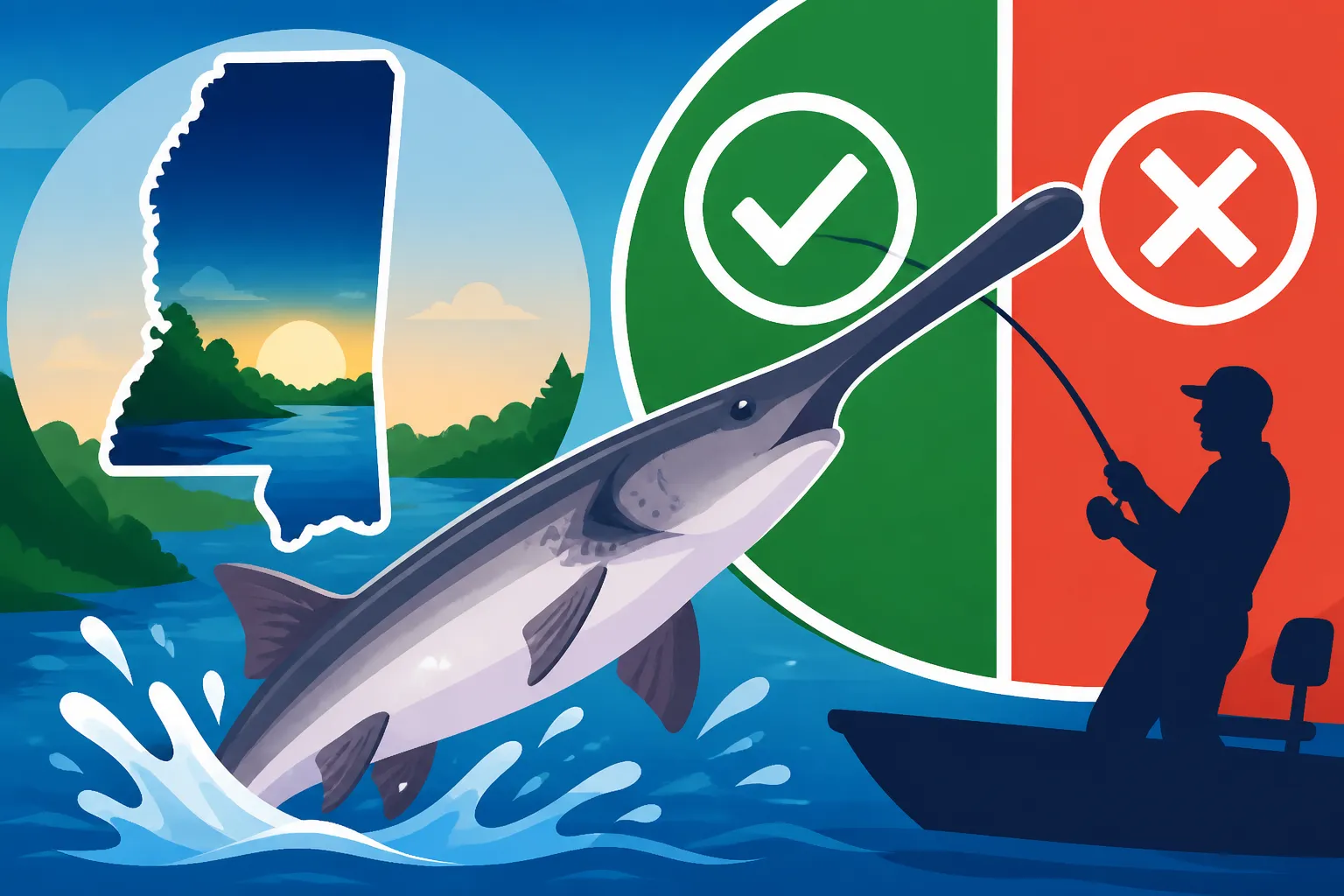
The paddlefish is one of Mississippi's most distinctive and fascinating aquatic residents. These magnificent creatures are often mistaken for sharks due to their elongated, paddle-shaped snout, but they are actually a primitive ray-finned fish, closer relatives to sturgeon. Their unique appearance and lifestyle make them a true marvel, and understanding a bit about them helps explain why specific regulations are in place.
The Unique Nature of Paddlefish
Paddlefish, sometimes called "spoonbill cats" or just "spoonbills," are truly one-of-a-kind. Unlike most fish we target, they are filter feeders. Their large, paddle-like rostrum (that long snout) is covered in thousands of sensory pores, which they use to detect plankton in the water. They swim with their mouths open, sifting microscopic organisms from the current, much like baleen whales in the ocean. This filter-feeding habit is precisely why traditional angling methods—like baiting a hook with a worm or a lure—are generally ineffective for catching them. They simply aren't interested in a bait presentation because they don't hunt or bite in the conventional sense.
Their life cycle is also quite remarkable. Paddlefish are long-lived, slow-growing, and don't reproduce until they're several years old. This makes their populations particularly vulnerable to overfishing and habitat degradation. They need extensive, free-flowing river systems to complete their migrations and spawning, which means disruptions to these waterways can have a significant impact on their numbers. Protecting them is crucial for maintaining the biodiversity and ecological balance of Mississippi's rivers.
Paddlefish Habitats in Mississippi
In Mississippi, paddlefish are primarily found in our larger river systems and associated oxbow lakes, particularly those connected to the mighty Mississippi River. Key areas include the main stem of the Mississippi River itself, as well as the lower reaches of major tributaries such as the Yazoo, Big Black, and Pearl Rivers. You're not likely to encounter them in smaller creeks or isolated farm ponds; they require vast, deep, slow-moving waters where they can thrive and migrate.
These specific habitats provide the necessary conditions for their unique feeding and spawning behaviors. During certain times of the year, particularly in spring, they may migrate upstream to spawn over gravel bars in flowing water. Understanding their preferred habitats helps conservationists manage their populations and helps anglers know where they might potentially encounter these elusive fish. If you're exploring Mississippi River Fishing Guide, you'll likely learn more about where paddlefish might be present.
Mississippi's Regulations on Paddlefish
Now, let's get down to the core question: is it legal to snag paddlefish in Mississippi? The answer, unequivocally, is no. Mississippi has very clear regulations regarding the harvest of paddlefish, and snagging is generally prohibited as a method of taking this species. These rules are in place for a very good reason, rooted deeply in the need for conservation.
The General Rule: Snagging Paddlefish is Prohibited
The Mississippi Department of Wildlife, Fisheries, and Parks (MDWFP) has implemented strict rules to protect paddlefish populations. Unlike some other states where snagging might be permitted for specific species during designated seasons, in Mississippi, snagging as a method for taking paddlefish is against the regulations. This means you cannot intentionally attempt to hook a paddlefish anywhere other than in its mouth using a traditional hook and line.
Why such a strict stance? It largely comes down to the conservation challenges unique to paddlefish. As filter feeders, they don't readily bite a hook. Snagging, which involves dragging a weighted, unbaited treble hook through the water to hook a fish anywhere on its body, is often the most "effective" way to catch them. However, this method can lead to high mortality rates for released fish, particularly if they are snagged in vital organs or if they are handled poorly. It's considered an unethical and unsustainable harvesting method for a species that is already vulnerable. The law aims to prevent indiscriminate taking and protect the integrity of the paddlefish population.
Specific Exceptions or Limited Opportunities
Currently, there are no specific seasons or areas in Mississippi where snagging paddlefish is legally permitted. The general prohibition applies statewide. This is a crucial piece of information for any angler considering targeting paddlefish. While some non-game fish species might have more relaxed regulations concerning capture methods, paddlefish are not among them.
The MDWFP's focus is on protecting and rebuilding these populations. Any future changes to these regulations would likely be part of a carefully managed conservation program, potentially involving tag systems or very limited harvest opportunities under strict control. For now, the safest and only legal approach is to assume snagging is not allowed for paddlefish. Always consult the most current Mississippi Fishing Regulations Explained before heading out, as rules can change.
Why the Rules Exist: Conservation Efforts
The regulations against snagging paddlefish are a direct reflection of significant conservation efforts aimed at protecting this remarkable species. Paddlefish populations faced severe declines across their range in the past due to a combination of overfishing (especially for their valuable roe, which is processed into caviar), habitat loss, and degradation of spawning grounds. Dams, channelization, and pollution have all taken their toll on the complex river systems paddlefish need to survive and reproduce.
Mississippi, like many states, recognizes the ecological importance of paddlefish. They are a vital part of the aquatic food web and represent a living link to prehistoric times. By prohibiting destructive harvesting methods like snagging, the state aims to:
- Reduce mortality: Snagging often injures fish, even those intended for release, leading to delayed mortality.
- Prevent overharvest: Given their slow growth and late maturation, paddlefish populations cannot sustain heavy fishing pressure, especially from indiscriminate methods.
- Promote ethical angling: The regulations encourage more sporting and sustainable fishing practices.
- Support population recovery: By limiting harvest and protecting individuals, the state helps allow populations to rebound and maintain genetic diversity.
These efforts are part of a broader commitment to ensuring that future generations can also experience the wonder of Mississippi's native fish species. You can read more about overall conservation in articles like How Mississippi Fishing License Fees Are Used, which often fund these types of programs.
Alternative and Legal Methods for Catching Paddlefish (and Similar Species)
Given that snagging paddlefish is illegal in Mississippi, what are your options if you want to interact with these unique fish? The primary legal method involves traditional rod and reel fishing, though it comes with its own set of challenges due to their filter-feeding nature.
Traditional Rod and Reel
Catching a paddlefish on a traditional rod and reel, targeting its mouth, is exceptionally rare due to its diet. As filter feeders, they don't actively strike baits or lures designed for predatory fish. However, it's not entirely impossible. Anglers might accidentally foul-hook a paddlefish by casting a lure or bait near a school, but intentionally snagging it is still illegal. If you were truly trying to catch one in the mouth, you'd likely be using very specialized, passive techniques in areas where they are highly concentrated, and even then, it's mostly a matter of luck.
For most anglers, the focus will be on other species that do bite hooks. If you're interested in alternative methods for non-game fish where they might apply, you could look into Mississippi Trotline and Jug Fishing Rules for species like catfish, but these methods are typically for actively biting fish, not filter feeders.
Accidental Catches and Release Protocols
So, what happens if you're fishing for catfish or bass in the Mississippi River, and you accidentally hook a paddlefish by snagging it on its side or tail? This can happen, especially when casting into dense schools of fish. In such a scenario, the key is to understand the law and act responsibly.
If you accidentally snag a paddlefish, it is imperative to release it immediately and with as little harm as possible. Here’s how you can help ensure its survival:
- Handle with Care: Support the fish horizontally. Avoid holding it vertically by the head or tail, as this can damage internal organs.
- Minimize Air Exposure: Keep the fish in the water as much as possible. Prolonged exposure to air can stress and harm the fish.
- Remove Hook Gently: If the hook is easily accessible, remove it with pliers or a de-hooking tool. If it's deeply embedded, it might be better to cut the line as close to the hook as possible to avoid further injury.
- Revive if Necessary: If the fish seems sluggish, hold it gently in the water, facing into the current, until it regains strength and swims away on its own.
Remember, the intent matters to law enforcement. Accidentally hooking a paddlefish while genuinely fishing for another species is different from actively and intentionally trying to snag them. Educating yourself on Mississippi Fishing Regulations Explained will always be your best defense.
Other Legal Fishing Methods for Non-Game Fish
While paddlefish are protected from snagging, Mississippi does allow various methods for harvesting other non-game fish species. For instance, anglers often use specialized gear for Alligator Gar Fishing in Mississippi, which can involve heavy tackle and sometimes even bowfishing in designated areas for certain species. Mississippi Bow Fishing Regulations outline the rules for this method, which is generally used for non-game fish.
However, it’s critical to understand that these methods and allowances are species-specific. Just because bowfishing is legal for gar doesn't mean it's legal for paddlefish, which it isn't. Always check the regulations for the specific species you intend to target and the method you plan to use. This detailed approach ensures that you're not only compliant with the law but also participating in ethical and sustainable fishing practices.
Consequences of Illegal Snagging
Ignoring fishing regulations, especially those designed for conservation, can lead to serious repercussions. Understanding the potential penalties can certainly act as a deterrent and underscore the importance of responsible angling.
Penalties and Fines
If you are caught intentionally snagging paddlefish in Mississippi, you could face significant penalties. These can include substantial fines, forfeiture of your fishing equipment (rods, reels, boats, etc.), and the suspension or revocation of your fishing license. For more severe or repeat offenses, there might even be criminal charges involved. Law enforcement officers, including game wardens from the MDWFP, are vigilant in patrolling our waterways to ensure compliance with these regulations.
The exact cost of a Mississippi Fishing License Fine for First Offense can vary depending on the specifics of the violation, but it's safe to say it will be far more expensive than any legal license you would purchase. Beyond the financial implications, having your fishing privileges revoked means you'll miss out on enjoying one of Mississippi's most cherished outdoor activities. It’s simply not worth the risk.
Broader Impacts on Conservation
Beyond the personal consequences, illegal snagging of paddlefish has a detrimental impact on broader conservation efforts. Each illegally harvested paddlefish, or even one that is severely injured and released, chips away at the already vulnerable population. When enough individuals are removed or harmed, it affects the species' ability to reproduce and maintain a healthy genetic pool. This can slow down or even reverse the progress made by decades of conservation work.
Illegal fishing practices also undermine the efforts of law-abiding anglers who support conservation through license purchases and adherence to regulations. It creates an unfair advantage and can foster a negative perception of the fishing community as a whole. Ultimately, protecting paddlefish ensures the health of the entire aquatic ecosystem, which benefits all species and, by extension, all Mississippians who value our natural heritage. Your adherence to rules, including Mississippi Fishing Creel and Size Limits for all species, plays a vital role in this larger picture.
Summary of Paddlefish Snagging Legality
To summarize the situation clearly, let's lay out the legal standing for fishing methods related to paddlefish in Mississippi.
| Method | Legality for Paddlefish in Mississippi | Notes |
|---|---|---|
| Snagging | Illegal | Prohibited for paddlefish statewide. Intentional snagging can lead to significant penalties. |
| Rod & Reel | Legal (if caught in mouth) | While legal, paddlefish are filter feeders, making them extremely difficult to catch by traditional mouth-hooking methods. Accidental foul-hooking requires immediate, careful release. |
| Bowfishing | Illegal | Not a legal method for taking paddlefish in Mississippi. |
| Trotline/Jug | Illegal | Not a legal method for taking paddlefish. These are typically for actively biting non-game species. |
It’s clear that Mississippi is serious about protecting its paddlefish populations. The best way for anglers to contribute to conservation and avoid legal trouble is to be well-informed and always adhere to the current regulations. Tools like checking online for current MDWFP fishing guides, or even picking up a physical copy from a sporting goods store like the local Mississippi Fishing License Sold at Bass Pro Shops location, can keep you updated. When in doubt, always err on the side of caution and prioritize the health of our fisheries.
Disclaimer
This article is for general informational purposes only and does not constitute professional advice. Laws, prices and regulations vary by location and change over time. Consult a qualified professional for guidance on your specific situation.