What a Gulf Flounder Is
There's something uniquely exciting about targeting a fish that literally lays flat on the bottom, blending seamlessly with its surroundings, waiting for the perfect ambush. For many anglers on the Mississippi Gulf Coast, the Gulf flounder is that elusive, delicious prize. This guide will dive deep into understanding what a Gulf flounder is, where to find them, and the best ways to bring these masters of camouflage from the sandy bottom to your dinner table.
Understanding the Gulf Flounder: A Flat-Out Fascinating Fish
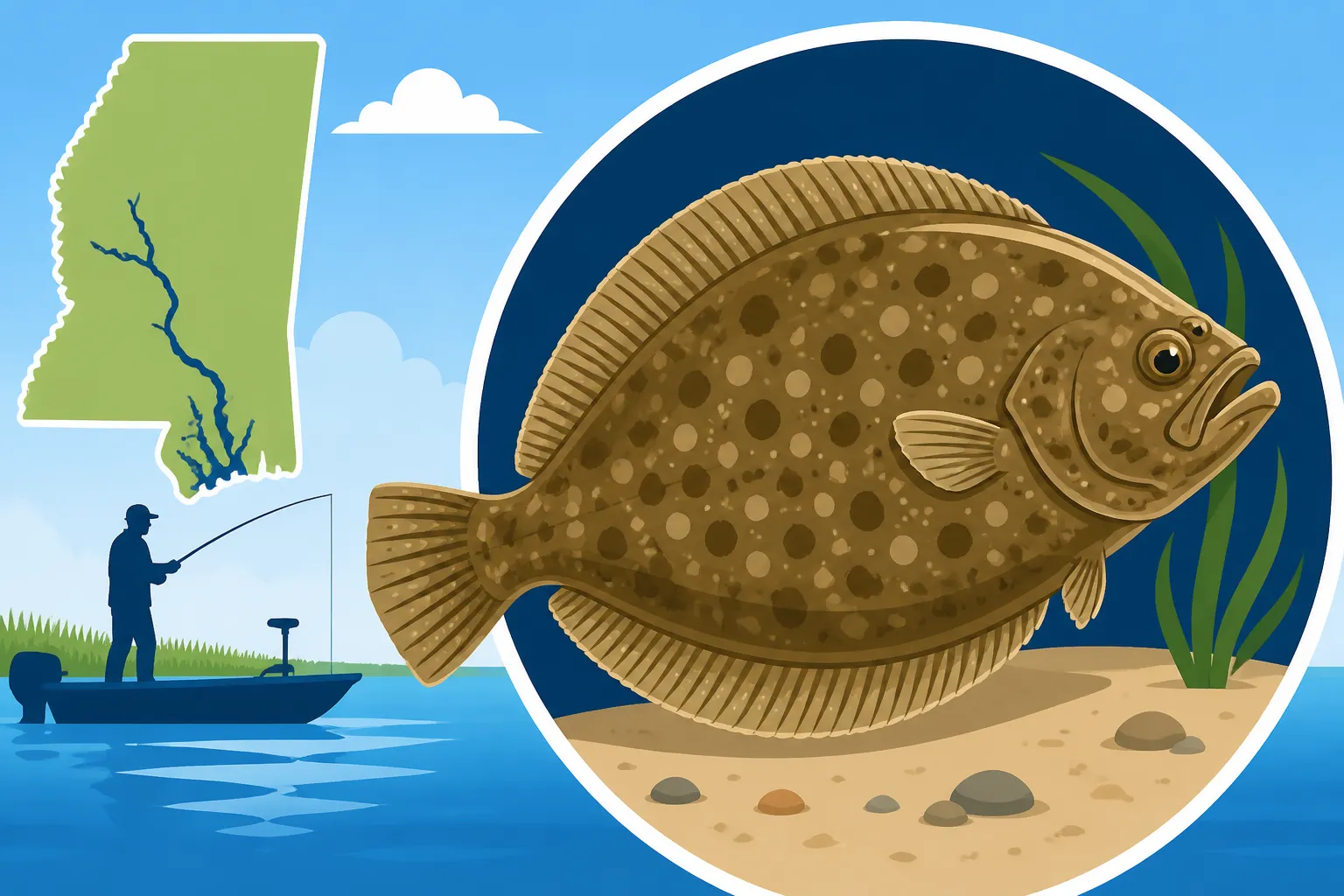
The Gulf flounder ( Paralichthys albigutta) is a truly remarkable creature, perfectly adapted to its benthic lifestyle. Unlike most fish that swim upright, the flounder undergoes an incredible transformation during its larval stage, where one eye migrates to the other side of its head, allowing it to lie flat on the seafloor with both eyes facing upwards. This unique adaptation makes them incredibly efficient ambush predators and a challenging, yet rewarding, target for anglers.
Distinctive Features and Identification Tips
When you pull a Gulf flounder from the water, its most striking feature will be its flattened, oval-shaped body. They are typically left-eyed, meaning that when you look at them with their mouth pointing forward, both eyes are on the left side of their body. Their coloration is also a marvel, allowing them to perfectly mimic the sand, mud, or gravel they rest on. They can change their patterns and shades almost instantly, shifting from a mottled brown to a sandy white or even a spotted gray. This incredible camouflage is their primary defense and hunting strategy. Look for three prominent, dark, ocellated (ringed) spots that form a triangle on their body – these are often key indicators for Gulf flounder specifically, though coloration can vary. Their mouth is fairly large, indicating their predatory nature, lined with sharp, conical teeth designed to grasp unsuspecting prey.
Life Cycle and Habitat Preferences in Mississippi Waters
Gulf flounder begin their lives as tiny, free-swimming larvae before undergoing metamorphosis and settling to the bottom. They are relatively fast-growing fish, reaching maturity quickly. In Mississippi, these fish thrive in the brackish and saltwater environments of the Gulf Coast. They have a particular fondness for sandy or muddy bottoms, often found near structures like oyster reefs, jetties, pilings, and the edges of grass beds. They use these areas for cover, allowing them to bury themselves partially in the substrate, leaving only their eyes exposed. As the seasons change, their movements can shift. During colder months, many flounder will move offshore to deeper waters to spawn, returning to the inshore bays and estuaries when the water warms up. Understanding these seasonal migrations is key to consistent success. The Mississippi Sound, with its diverse array of habitats, provides an ideal environment for them throughout much of the year, making it a hotspot for flounder enthusiasts.
Where to Find Gulf Flounder in Mississippi
Pinpointing prime flounder territory isn't about covering miles of open water; it's about understanding their preference for specific types of bottom structure and current. These fish are masters of ambush, so they'll be where they can lie in wait for an easy meal. Your best bet will always be locations offering a combination of cover, current, and a food source.
Prime Coastal Hotspots and Estuaries
The entire Mississippi Gulf Coast is a potential playground for flounder, but some spots consistently produce better results. Estuaries and bayous, with their mixture of freshwater and saltwater, are fantastic locations. Think about areas around the mouths of bayous flowing into the larger bays like Biloxi Bay or Bay St. Louis. These areas often have ideal muddy or sandy bottoms and offer protection from strong currents while still providing a steady flow of baitfish. Public piers and jetties are also excellent places to target. The pilings and rock formations create current breaks and attract baitfish, making them perfect ambush points for flounder. Try fishing around the bases of these structures, especially on the side where the current is weakest. Even the open beaches and nearshore waters can hold flounder, particularly where there are subtle changes in bottom contour, like small depressions or sandbars. Kayak anglers often have great success exploring the shallower edges of grass beds and oyster reefs that might be inaccessible to larger boats. If you're looking for more general guidance on where to cast a line, check out our Mississippi Gulf Coast Fishing Guide.
Reading the Water: Ideal Conditions and Structures
Flounder are highly sensitive to their environment. They prefer incoming or outgoing tides, as these moving waters concentrate baitfish, making their ambush tactics more effective. Look for areas where baitfish are abundant; if you see schools of mullet or shrimp, there's a good chance flounder are nearby. Water clarity also plays a role. While they can tolerate some turbidity due to their camouflage, extremely muddy water can make it harder for them to see prey. Optimal conditions usually involve moderately clear water, a gentle current, and a rising or falling tide. When fishing from the bank or a boat, pay close attention to any visible structure: docks, fallen trees, bridges, and channel markers can all hold flounder. On sandy flats, look for subtle depressions or sand ripples where they might be buried. A keen eye for these details, combined with a little local knowledge, will significantly increase your chances of success. For more focused advice, consider our article on Flounder Fishing on the Mississippi Coast.
Proven Techniques for Catching Mississippi Gulf Flounder
Catching Gulf flounder requires a bit of finesse and understanding of their predatory nature. They aren't going to chase a lure across the bay; they prefer to wait for food to come to them. Therefore, your approach needs to be slow, deliberate, and put your bait right in their strike zone.
Essential Gear and Bait Recommendations
When it comes to gear, you don't need anything overly heavy-duty for flounder. A medium-light to medium action spinning rod, about 6.5 to 7 feet long, paired with a matching spinning reel spooled with 10-15 lb braided line (with a fluorocarbon leader of similar strength) is a solid setup. The braided line offers excellent sensitivity, allowing you to feel the subtle taps of a flounder bite, and the fluorocarbon leader is less visible in the water.
As for bait, live bait is almost always king for flounder. Live shrimp are a universal favorite, and they're readily available at most bait shops along the coast. Mud minnows (also called cocahoes) are another fantastic option, as they are naturally found in flounder habitats and are incredibly hardy on the hook. Small mullet or fingerling croaker can also be effective. If you're going the artificial route, soft plastics rigged on jig heads are your best bet. Paddle tails, grub tails, or even shrimp imitations in natural colors like clear with glitter, chartreuse, or white, worked slowly along the bottom, can entice a strike. Many anglers find specific jig heads helpful, like the "flounder slayer" style, which has a larger hook gap and can be bought in various weights from online retailers like Amazon to match the current and depth you're fishing.
Effective Fishing Methods: Gigging, Lure, and Live Bait Strategies
There are several popular and effective ways to target Gulf flounder in Mississippi:
-
Live Bait Fishing: This is arguably the most consistent method. Rig your live shrimp or mud minnow on a Kahle hook (or a standard J-hook) with a Carolina rig. This involves a slip sinker above a swivel, then a leader (18-24 inches) tied to your hook. The slip sinker allows the fish to pick up the bait without feeling the weight, and the leader keeps the bait just off the bottom. Cast it out, let it sink, and then retrieve it very slowly with short, subtle drags along the bottom. Flounder bites often feel like a gentle tap or just added weight. Don't set the hook immediately; give the flounder a few seconds to fully engulf the bait before a firm, sweeping hookset. This method is incredibly effective from boats, piers, or even when Bank Fishing Tips for Beginners.
-
Lure Fishing: For artificial lures, a jig head with a soft plastic is the way to go. Cast it out, let it sink to the bottom, and then work it back with a slow, hopping retrieve. You want the lure to bounce along the bottom, kicking up puffs of sand, mimicking a wounded baitfish. Don't be afraid to experiment with different retrieve speeds and jig head weights until you find what the fish prefer on a given day. You can find a huge variety of these lures and jig heads on platforms like Amazon, allowing you to stock up for any condition.
-
Flounder Gigging: This is a truly unique and thrilling method, especially popular in Mississippi's shallow bayou and marsh systems. Gigging is done at night, typically during a low tide, from a small boat or by wading. You use a powerful light (a halogen or LED flounder light, often battery-powered and submersible) to spot flounder lying camouflaged on the bottom. Once spotted, you "gig" them with a long-handled, multi-pronged spear. It requires practice and stealth, but it can be incredibly productive and is an unforgettable experience. Before you head out, make sure you're aware of the specific rules and regulations surrounding this method, as covered in our article, Is Flounder Gigging Legal in Mississippi?. It's a method that truly gets you up close and personal with the fish.
Remember, patience is a virtue when flounder fishing. These fish are masters of surprise, and you need to present your offering in a way that triggers their ambush instinct.
| Fishing Method | Primary Target | Best Conditions | Pros | Cons |
|---|---|---|---|---|
| Live Bait (Carolina Rig) | Active, feeding flounder | Moving tides, moderate clarity | Highly effective, natural presentation | Requires fresh live bait, slower pace |
| Artificial Lures (Jigging) | Opportunistic flounder | Moderate current, good visibility | Versatile, less bait hassle | Requires more active retrieve, can be less consistent |
| Flounder Gigging | Nocturnal flounder in shallow water | Night, low tide, clear water | Exciting, high success rate for experienced giggers | Requires specialized gear (light, gig), specific conditions |
Why Gulf Flounder are a Prized Catch (and How to Handle Them)
There's a good reason why so many anglers specifically target Gulf flounder. Beyond the challenge of finding and catching them, they are widely considered one of the finest-eating fish in Mississippi waters. Their delicate, flaky white meat is a culinary delight, whether fried, baked, or broiled.
Culinary Delights and Sustainability
The flesh of the Gulf flounder is mild, sweet, and incredibly versatile, making it a favorite for seafood lovers. Many restaurants along the Mississippi Gulf Coast feature flounder prominently on their menus, often stuffed or simply pan-fried to perfection. The relatively healthy populations in Mississippi, coupled with responsible management practices by the state's wildlife agencies, mean that anglers can generally enjoy their catch knowing that the species is well-managed. However, maintaining sustainable fishing practices is crucial. This means adhering to all current creel limits, size restrictions, and seasons set forth by the Mississippi Department of Wildlife, Fisheries, and Parks (MDWFP). Taking only what you need and releasing undersized fish carefully helps ensure healthy populations for future generations of anglers.
Handling Your Catch and Regulations Overview
Once you've successfully landed a Gulf flounder, proper handling is essential to maintain the quality of the meat. Flounder have sharp teeth and can be surprisingly feisty on the deck, so handle them with care. Use a pair of fish grippers or a rag to secure them. The best practice is to immediately dispatch your fish humanely and place it on ice in a cooler. This rapid cooling helps preserve the delicate flavor and texture of the meat, especially on warm Mississippi days. If you're planning to clean your fish at a Mississippi Fish Cleaning Station Locations or back home, be mindful of any rules regarding cleaning fish at public access points.
It’s absolutely critical to stay informed about the latest fishing regulations before you head out. Rules regarding size limits (minimum length), creel limits (how many you can keep per day), and sometimes even seasonal closures are put in place to protect the fishery. These can change, so always consult the most current MDWFP regulations handbook or website. For example, there's usually a specific size limit for Redfish Slot Limit on the Mississippi Gulf Coast, and similar regulations apply to flounder. Always measure your fish carefully and release any that don't meet the legal requirements promptly and gently. Being a responsible angler not only helps the fish population but also ensures that you avoid any unnecessary fines. Knowledge of regulations, like those found in the Mississippi Fishing Regulations Explained, is your best friend.
Disclaimer
This article is for general informational purposes only and does not constitute professional advice. Laws, prices and regulations vary by location and change over time. Consult a qualified professional for guidance on your specific situation.