Are There Alligators in Mississippi Fishing Lakes?
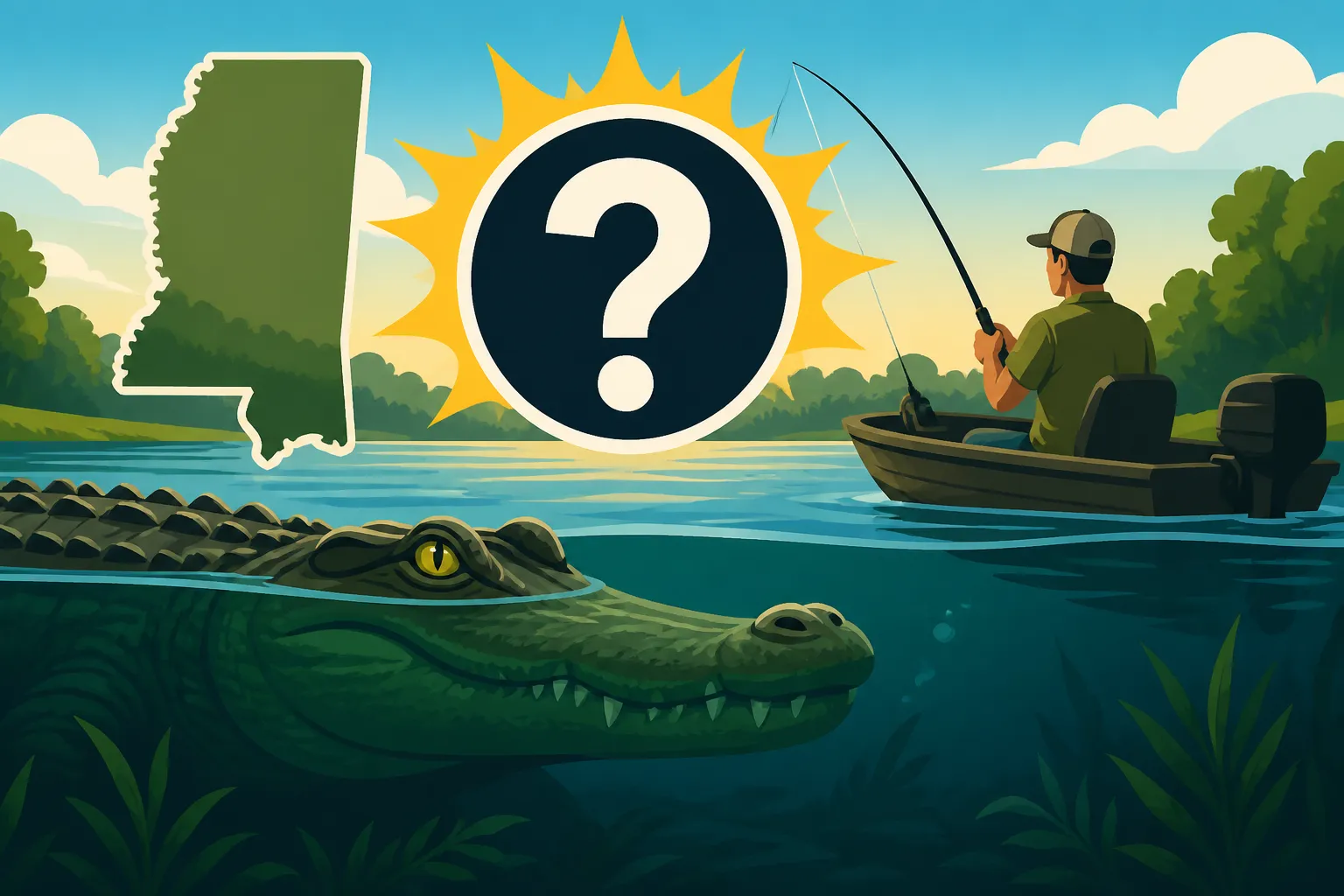
It’s a question that pops into the mind of almost every angler heading out to cast a line in our beautiful state: "Are there alligators in Mississippi fishing lakes?" The thought of encountering one of these ancient reptiles can certainly add a layer of apprehension to what should be a peaceful day on the water. This guide aims to tackle that very real concern, offering you a clear, realistic understanding of where alligators live in Mississippi, what to expect, and most importantly, how to stay safe while enjoying your favorite fishing spots.
The Reality of Alligators in Mississippi Waters
Let's face it, Mississippi is home to alligators. They are a natural and important part of our ecosystem, especially in the southern two-thirds of the state. While it's true you might see them, understanding where they prefer to hang out and why can significantly ease your worries and help you fish smarter.
Where Alligators Call Home in Mississippi
Alligators in Mississippi primarily inhabit freshwater environments, but they are incredibly adaptable and can be found in brackish (slightly salty) waters as well, particularly along our coastal regions. Think slow-moving rivers, swamps, bayous, large lakes, and reservoirs. The extensive river systems like the Pearl River, Pascagoula River, and the lower stretches of the Mississippi River offer ideal habitat, as do many of our larger reservoirs such as the Ross Barnett Reservoir and the lakes in the Delta region. These areas provide the perfect blend of deep water for refuge, shallow areas for sunning, and abundant food sources.
It’s less common, but not impossible, to find them in smaller, more isolated fishing ponds or even farm ponds, especially if those ponds are connected to larger water bodies through canals or drainage systems. Young alligators, in particular, might explore new territories. While many anglers focus on the major fisheries, it’s always wise to assume that any natural body of water in the southern half of the state could potentially harbor an alligator, even if it's not their primary habitat. This realistic perspective helps foster a cautious mindset without creating undue fear.
Historically, alligators were much more widespread across the state, even reaching into the northern counties before their populations were decimated. Thanks to robust conservation efforts, they've made a remarkable comeback, primarily thriving in their traditional southern strongholds. This recovery is a testament to the success of wildlife management but also means anglers need to be aware of their presence, especially when exploring new fishing grounds. For a comprehensive overview of local fishing guidelines, you might check out our Mississippi Freshwater Fishing Rules.
Why You Might Encounter an Alligator While Fishing
Encounters with alligators usually happen for a few key reasons, most of which revolve around their natural habits and our presence in their territory. Fishing itself can inadvertently lead to an encounter. For example, bait and caught fish emit smells that can attract an alligator, especially if they are hungry or accustomed to finding easy meals. A fish struggling on your line or in your livewell can sound like a dinner bell to a nearby gator.
Another common scenario involves anglers venturing into less-fished, often more secluded areas like coves, sloughs, or dense marshy shorelines. These are precisely the places alligators prefer for basking, nesting, and hunting. During the spring and summer months, which often coincide with peak fishing seasons, alligators are more active. Females are guarding nests, and males are establishing territories. This heightened activity increases the chances of an unexpected encounter, particularly if you're not paying close attention to your surroundings.
High water events can also play a role. When water levels rise, alligators might move into areas they wouldn't normally frequent, expanding their hunting grounds or seeking new basking spots. This could mean they venture closer to boat ramps, popular bank fishing spots, or even residential areas near the water. It’s important to remember that you are a visitor in their home, and respecting their space is the first step in avoiding any potential issues. If you're wondering about general fishing regulations, our Mississippi Fishing License Guide can offer more helpful details for your trip.
Understanding Alligator Behavior and Risk for Anglers
Let's clear the air about alligator behavior. These aren't typically aggressive monsters lurking to ambush you. They are wild animals driven by instinct, and understanding those instincts is key to staying safe. Most of the time, they want to avoid humans as much as we want to avoid them.
Alligator Temperament and What Triggers Aggression
Alligators are generally shy and reclusive creatures, preferring to avoid human interaction. When an alligator acts aggressively, it's almost always for one of a few reasons: they feel threatened, they are protecting their young or nest, or they have been habituated to human feeding. The latter is particularly dangerous because it teaches them to associate humans with food, making them bold and less wary. Never, ever feed an alligator, directly or indirectly (e.g., by cleaning fish and tossing scraps near a dock where gators are present).
A mother alligator protecting a nest or hatchlings is another situation where they can become highly defensive. Their nests are often hidden in thick vegetation near the water's edge, and if you accidentally get too close while bank fishing or wading, you might receive a warning hiss or even a bluff charge. It's their way of telling you to back off, and it's crucial to respect that warning. Never try to corner or harass an alligator; give them a wide berth. Remember, these are powerful predators, and even a small alligator can inflict serious injury.
Minimizing Your Risk: Smart Angling Practices Around Alligators
The good news is that minimizing your risk of an alligator encounter while fishing is largely about common sense and awareness. First and foremost, always maintain a safe distance. If you see an alligator, give it plenty of space – at least 60 feet, but more is always better. Never approach one, especially if it's basking on the bank or if you suspect a nest is nearby. If you’re bank fishing, be extra vigilant in areas with dense vegetation along the water's edge.
When fishing from a boat or kayak, keep an eye on the water around you. Kayak Fishing Techniques can be especially useful for navigating smaller, potentially gator-filled waters. Avoid prolonged stays in shallow, heavily vegetated coves where alligators often lurk. If you're wading, reconsider your choice of location if you know alligators are present. Alligators are incredibly well-camouflaged, and wading into murky water where you can't see the bottom is just asking for trouble. Always be aware of your surroundings, scan the water and banks frequently, and listen for any unusual noises that might indicate wildlife activity.
Additionally, handle your catch responsibly. Don't let fish dangle in the water near your boat or the bank for extended periods, as the commotion can attract alligators. Dispose of fish carcasses properly, far away from the water's edge, or take them home. Tossing fish scraps into the water where you're fishing or where alligators are known to be will only habituate them to humans, increasing the risk for everyone. Consider carrying a loud whistle or air horn, easily found on platforms like Amazon, as a non-lethal deterrent if an alligator gets uncomfortably close, though typically simply backing away is sufficient. Many anglers find it helpful to also review general safety when it comes to swimming, so checking out Is It Safe to Swim Where You Fish in Mississippi? might be useful too.
What to Do If You Encounter an Alligator
Even with the best precautions, an alligator encounter can happen. Knowing how to react calmly and safely is paramount. Panic can lead to poor decisions, so having a plan in mind can make all the difference.
Safe Reactions for Anglers on Land and Water
If you're bank fishing and spot an alligator, the most important thing is to slowly back away. Do not run, as that can trigger a chase instinct in some animals. Keep your eyes on the alligator, but gradually increase the distance between you and the animal. If it hisses or opens its mouth, it's a clear warning to give it more space. Never turn your back on it and bolt. Walk calmly and purposefully away until you are out of its perceived territory.
If you're in a boat or kayak and an alligator approaches, paddle or motor away slowly. Avoid making sudden movements or splashing, as this can startle or provoke the animal. Give it a wide berth. If an alligator is blocking your path, it's best to wait for it to move on its own or find an alternative route, rather than trying to scare it off or navigate too closely. Remember, they are incredibly fast in short bursts, both in water and on land. Maintaining situational awareness, especially in areas like those described in our Mississippi River Fishing Guide, is key.
In the rare event that an alligator charges, especially on land, run in a straight line away from it. Despite popular myths, they cannot run faster than a human for sustained periods, especially over uneven terrain. On water, a boat offers significant protection, but again, move away calmly and quickly if the situation escalates. Always prioritize your safety over catching that trophy fish.
Reporting Aggressive Alligators and When to Seek Help
Most alligator sightings are harmless and don't require reporting. If an alligator is simply basking on a bank or swimming by, leave it alone. However, there are specific situations where you absolutely should contact the Mississippi Department of Wildlife, Fisheries, and Parks (MDWFP). These include:
- Aggressive Behavior: An alligator that is consistently hissing, lunging, or chasing people, pets, or boats.
- Approaching People Without Fear: An alligator that shows no fear of humans and actively approaches them, especially if it appears to be seeking food. This often indicates it has been fed by humans.
- Blocking Access: An alligator that persistently blocks public access points like boat ramps, docks, or popular swimming areas, posing a direct threat to public safety.
- Unusual Location: An alligator found in an area where they are rarely seen, especially urban or suburban environments, and appears disoriented or trapped.
It's critical to report only truly aggressive or problematic alligators. Removing an alligator from its natural habitat is a serious undertaking and should only be done by trained professionals. Never attempt to capture or harm an alligator yourself; it's illegal and incredibly dangerous, potentially leading to severe Mississippi Fishing License Penalties and Fines if laws are broken. Providing accurate details about the alligator's size, location, and behavior will assist the authorities in assessing the situation properly.
| Alligator Behavior | Recommended Action for Anglers | When to Report to MDWFP |
|---|---|---|
| Basking on bank | Keep distance (60+ ft), observe | Only if blocking public access persistently or showing aggression |
| Swimming by | Keep distance, continue fishing | Only if approaching actively without fear or showing aggression |
| Hissing/Mouth open | Slowly back away, increase distance | Immediately, if accompanied by lunging/charging |
| Approaches boat/bank | Slowly move away, avoid splashing | Immediately, if persistent and showing no fear |
| Eating a caught fish | Let it have the fish, move away | Only if it then approaches you aggressively |
| Nest protection | Retreat immediately, mark location | Immediately, if female is highly aggressive towards humans |
| In yard/urban area | Keep distance, call immediately | Immediately, regardless of aggression, due to unusual location |
Coexisting with Alligators in Mississippi's Ecosystem
Alligators are not just a fascinating part of Mississippi's wildlife; they play a crucial role in maintaining the health of our aquatic ecosystems. As apex predators, they help control populations of other animals, contributing to the overall balance of wetlands and waterways.
The Role of Alligators in the Ecosystem
Alligators are crucial to the health of the Mississippi ecosystem, particularly in wetland areas. They are what we call a "keystone species." By preying on sick or weak animals, they help maintain the health and vigor of fish, bird, and mammal populations. Their presence also influences the behavior of other species, preventing overpopulation in certain areas. During dry spells, alligators dig "gator holes" which retain water and become vital oases for fish, insects, and other wildlife, essentially serving as miniature refuges until water levels rise again.
This intricate role means that while we need to be cautious around them, we also need to respect their place in nature. They are not simply a threat to be avoided, but an essential component of the natural world we cherish when we go fishing. Their recovery is a testament to the state's conservation efforts, highlighting the importance of protecting all native species. Understanding this ecological value can shift our perspective from fear to respect, fostering a more harmonious coexistence, whether you're targeting bass or bream. Many of our best fishing spots, like those detailed in Best Fishing Spots in Mississippi and Mississippi Gulf Coast Fishing Guide, are also prime alligator habitat, underscoring this need for coexistence.
Dispelling Common Alligator Myths for Anglers
There are a lot of tall tales and misconceptions about alligators that can unnecessarily heighten fear. Let's debunk a few of the most common ones that anglers often hear:
- Myth: Alligators will actively hunt humans. Reality: This is extremely rare. Alligators are opportunistic predators, but they generally prefer to avoid humans. Attacks almost always occur when an alligator feels threatened, is protecting its young, or has been habituated to human feeding, making it less wary. They are not out to "get" you.
- Myth: You should run in a zig-zag pattern if an alligator chases you. Reality: Alligators are much faster in a straight line over short distances than in zig-zags on land. If one charges you on land, run away in a straight line as fast as you can. Their bursts of speed are short-lived.
- Myth: Alligators are always in deep water. Reality: While they use deep water for refuge, alligators frequently bask in shallow water or on land. They also hunt in shallow areas, making places popular for Bank Fishing Tips for Beginners or wading potential encounter zones.
- Myth: An alligator can’t break through fishing line. Reality: While many fishing lines are strong, an alligator's bite force is immense. Never try to retrieve a lure or a fish from an alligator's mouth, or allow it to get tangled in your line. You'll likely lose your gear and put yourself in danger. Using very strong leader material, like the kind you can find on Amazon, won't stop an alligator's bite if it really clamps down.
- Myth: Small alligators are harmless. Reality: Even a small alligator can inflict a serious bite. Never approach or try to pick up a baby alligator. A mother is almost certainly nearby, and they are highly protective of their young.
By understanding the true nature of these creatures and practicing safe, respectful habits, you can enjoy the fantastic fishing opportunities Mississippi offers without undue fear of its wild inhabitants.
Disclaimer
This article is for general informational purposes only and does not constitute professional advice. Laws, prices and regulations vary by location and change over time. Consult a qualified professional for guidance on your specific situation.