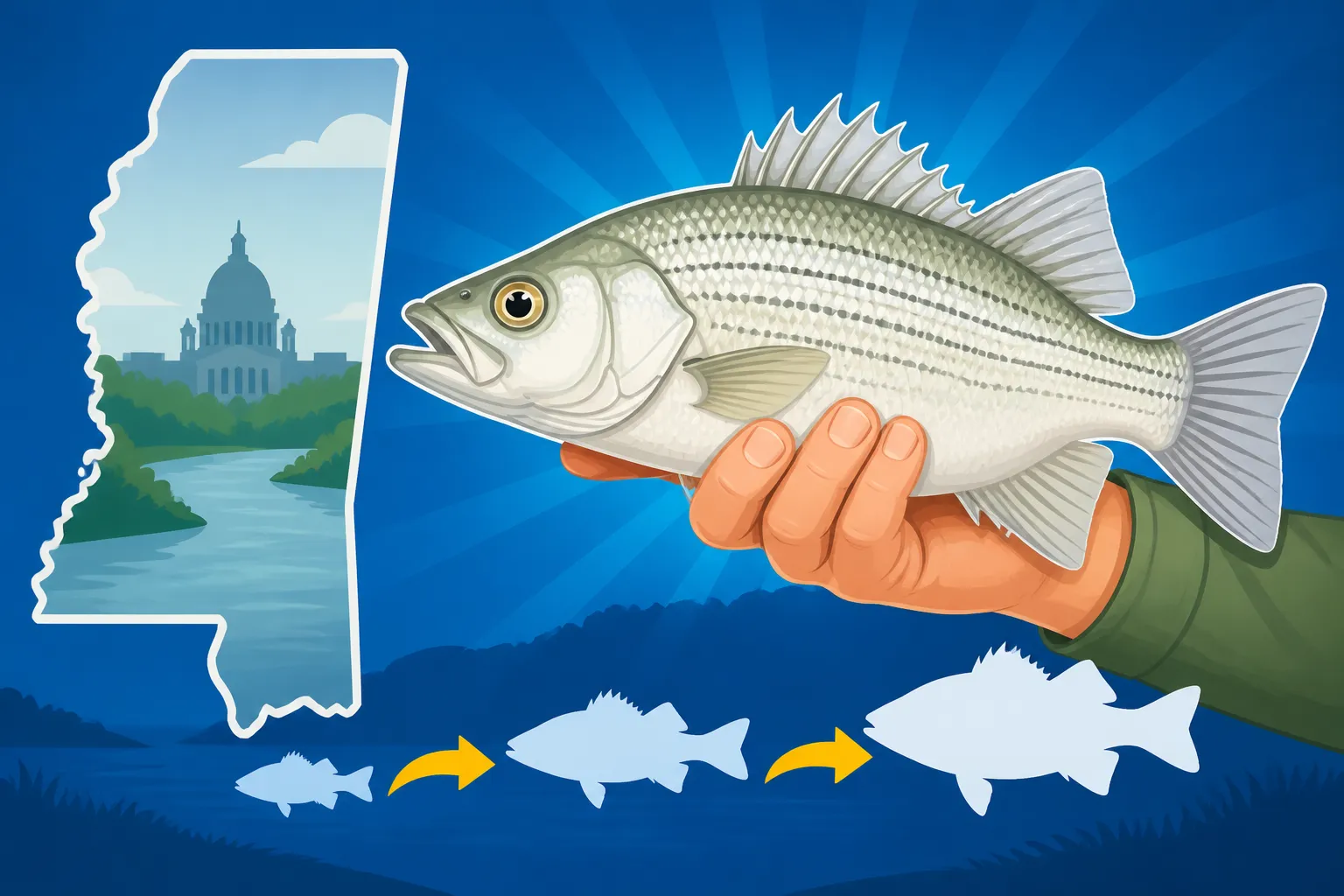
Average White Bass Size
It's always a thrill to feel that distinctive tug on your line, especially when you're out chasing a feisty game fish like the white bass. But if you're like most anglers, a common question pops into your head once you hook one: "Is this a good size?" Or maybe, before you even head out, you're wondering what kind of white bass you can realistically expect to encounter in Mississippi's abundant waters. This guide is designed to shed light on the average white bass size you'll find throughout our state, helping you manage expectations and better appreciate every catch.
Understanding White Bass and Their Place in Mississippi's Waters
White bass are a fantastic sport fish, beloved by many for their aggressive strikes and respectable fighting capabilities. They're found in many of Mississippi's major reservoirs and rivers, offering accessible and exciting fishing opportunities for anglers of all skill levels.
What Makes White Bass a Popular Game Fish?
For starters, white bass are schooling fish, which means if you find one, you've often found a whole lot more! This behavior makes them incredibly fun to target, as you can sometimes experience rapid-fire action, hooking fish after fish when you get into a solid school. They're often associated with what we call "white bass runs," particularly in the spring, where large numbers move into shallower areas of rivers and creeks to spawn. This is a highly anticipated event for many anglers, myself included, and a prime time to load up on these energetic fighters.
Beyond the sheer fun of catching them, white bass are also excellent table fare. Their firm, flaky white meat is delicious, making them a popular choice for a fish fry. Many anglers consider a day spent catching white bass a double win: great sport and a tasty meal to share with family and friends. Their abundance and willingness to bite make them a perfect target for beginners and seasoned pros alike, providing consistent action and a rewarding experience on the water.
Habitat and Distribution Across Mississippi
White bass are pretty adaptable, but they definitely have their preferences when it comes to habitat. In Mississippi, you'll primarily find them thriving in large reservoirs and major river systems. They love open water but will relate to structure like submerged humps, points, and creek channels, especially when they're not actively feeding on schooling baitfish near the surface.
Our state's expansive reservoirs, such as Ross Barnett Reservoir Fishing Guide, Grenada Lake Fishing Guide, and Pickwick Lake, are prime white bass territory. These large bodies of water provide ample space for their schooling behavior and offer a rich forage base, predominantly shad, which is their favorite meal. You'll also find healthy populations in major rivers like the Pearl River Fishing Guide and segments of the Mississippi River Fishing Guide. During spawning seasons, they'll often migrate up into tributary creeks and smaller river arms, creating those exciting "runs" we talked about. The quality of the water, the availability of food, and the overall structure of these waterways all play a critical role in how well white bass grow and how large they ultimately get.
The "Average" White Bass: What to Expect on Your Line
When we talk about an "average" white bass, we're discussing the typical size that most anglers encounter regularly. It’s important to remember that "average" doesn't mean "small" or "unimpressive" – these fish, even at a modest size, are a blast to catch and put up a fantastic fight!
Typical Size Ranges for Mississippi White Bass
In Mississippi, a truly average white bass will generally fall into the 10-14 inch range, often weighing between 3/4 pound to 1.5 pounds. Now, that's just a general guideline, of course. You'll definitely catch smaller ones, especially if you're fishing during a prolific spawning run where there are a lot of juvenile fish mixed in. And, with a bit of luck and the right conditions, you'll certainly hook into bigger specimens that push past the 2-pound mark.
The beauty of white bass fishing is that even a 1-pound fish can feel like a heavyweight on light tackle, giving you a thrilling battle all the way to the boat. While a 10-inch fish might not sound huge, when you're pulling them in one after another, it's an exhilarating experience. For many anglers, the quantity of fish and the continuous action often outweigh the desire for a single, massive specimen.
Here's a general idea of what you might encounter across different water body types in Mississippi:
| Water Body Type | Typical Length Range (Inches) | Typical Weight Range (Pounds) | Notes |
|---|---|---|---|
| Large Reservoirs | 10-14 | 0.75-1.5 | Often produce higher numbers and good average size due to abundant food. |
| Major Rivers | 9-13 | 0.5-1.25 | Size can vary more based on specific river sections and food sources. |
| Smaller Tributary Creeks | 8-12 | 0.4-1.0 | During spawning runs, many smaller, younger fish may be present. |
| State Fishing Lakes | 10-14 | 0.75-1.5 | Good management can lead to consistent average sizes. |
Keep in mind these are just averages. You could hook a true lunker white bass in any of these areas if conditions are right!
Factors Influencing White Bass Growth
It's fascinating how much an environment can shape the fish living within it. For white bass in Mississippi, several key factors play into how big they get and how quickly they reach that size.
Food Availability
This is perhaps the most significant factor. White bass are predatory fish, and their growth is directly tied to the abundance of their primary food source: baitfish, especially shad. In reservoirs like Ross Barnett or Grenada, where gizzard shad and threadfin shad populations are robust, white bass have a constant buffet. This rich diet allows them to grow faster and reach larger sizes. Think of it like a kid who always has access to healthy, nutritious meals – they tend to grow taller and stronger. Waters with sparse baitfish populations, or those where white bass compete heavily with other predatory species, might produce smaller, slower-growing fish.
Water Quality and Habitat
Clean, well-oxygenated water is crucial for all fish, including white bass. Healthy aquatic environments, free from excessive pollution, allow fish to thrive. Beyond just water quality, the physical habitat matters too. Areas with submerged structures, distinct creek channels, and expansive open water for schooling provide both cover and hunting grounds. Moderate currents in river systems can also be beneficial, bringing food to the fish and keeping the water well-mixed. Conversely, stagnant or highly turbid waters can stress fish and hinder their growth. When you're fishing, you'll notice that the areas with the best habitat often hold the largest and healthiest fish.
Fishing Pressure
While not as direct as food or water quality, fishing pressure can subtly influence the average size of fish in a particular body of water. In heavily fished areas, anglers often remove the larger, older fish from the population. This isn't necessarily a bad thing, as it can allow younger fish more resources to grow, but it might mean that the average size you encounter leans towards the smaller end. Conversely, in less pressured spots, older, larger fish might have had more time to bulk up without being caught. This is why understanding Mississippi Fishing Regulations Explained and respecting creel limits is so vital for maintaining healthy populations and good-sized fish for everyone.
Beyond Average: Catching Bigger White Bass
While catching an "average" white bass is a blast, there's always that quest for something a little bigger, isn't there? That feeling of a truly heavy thump on the end of your line is what keeps many of us coming back for more.
Identifying Trophy White Bass Potential
So, what exactly constitutes a "trophy" white bass in Mississippi? While it might vary slightly from angler to angler, most would agree that a white bass pushing 2 pounds or more, and measuring 15 inches or greater, is a definite trophy. The Mississippi state record for white bass is a truly impressive fish, often exceeding 4 pounds, but catching something of that caliber is a once-in-a-lifetime achievement for most of us.
You're most likely to encounter these larger specimens in some of our state's older, more established reservoirs known for their rich forage base. Think of bodies of water that have a long history of producing quality fish, where white bass have had years to grow fat and happy. While you can certainly catch a big one anywhere, consistently finding trophy-sized white bass often means focusing on these larger, more fertile lakes. Often, these older, larger fish are more solitary or hang out in smaller, deeper schools than the vast schools of smaller fish.
Techniques and Tips for Targeting Larger Fish
Catching larger white bass often requires a slightly different approach than simply throwing out a lure during a chaotic "white bass run." While runs are great for numbers, focusing on bigger fish means thinking about presentation, timing, and location.
For lures, consider slightly larger offerings than you might use for the average-sized fish. Small crankbaits, especially those mimicking shad, can be incredibly effective. Silver spoons, like a Kastmaster or similar, fished vertically or cast and retrieved, are also white bass magnets, especially when they're feeding on schools of baitfish. Jigs, particularly those with soft plastic trailers or bucktail, worked around structure or deeper schools, can tempt the wary bigger ones. And let's not forget live bait – a frisky live shiner can be irresistible to a hungry, larger white bass. Many of these effective lures can be found readily on Amazon, offering a wide selection to match local baitfish or water conditions.
Timing is key. Many anglers find success targeting larger white bass during the spring When the White Bass Run Happens in Mississippi, as these fish move into shallower areas to spawn and are often more aggressive. However, you can also find them in deeper water during summer and fall, relating to structure like creek channels, humps, and submerged points. Using your boat's electronics to locate these deeper schools can be a game-changer. For tactics, don't overlook techniques similar to those used for crappie, such as Trolling for Crappie on Mississippi Reservoirs or even Jig Fishing for Crappie, which can be adapted for deep-water white bass schools. You might be surprised to find larger white bass mixed in with crappie schools, especially if they're feeding on the same baitfish.
Patience is also a virtue. While a smaller school might be easy to find, the bigger fish might require more diligent searching and more precise presentations. Focus on areas where you see baitfish on your sonar, especially if they are congregated near structure or a sharp depth change.
Regulations and Conservation for White Bass
As with any popular game fish, it's crucial to understand and adhere to the regulations set forth by the Mississippi Department of Wildlife, Fisheries, and Parks (MDWFP). These rules aren't designed to make fishing harder; they're in place to ensure that white bass populations remain healthy and abundant for generations to come.
Mississippi White Bass Limits and Regulations
Mississippi has specific Mississippi Fishing Season Dates and Limits for various species, and white bass are no exception. The MDWFP typically sets daily creel limits, which dictate the maximum number of white bass you can keep in a single day. There might also be possession limits, which refers to the total number of fish you can have on your person or in your vehicle at any given time, particularly after a multi-day trip. In some specific bodies of water, there could even be size limits, requiring you to release fish below a certain length.
It’s always a good idea to check the most current MDWFP fishing regulations before you head out, as these can change periodically. You can find all the up-to-date information on the MDWFP website or in their annual fishing guide. Understanding these Mississippi Statewide Creel Limits ensures you're fishing legally and contributing to the sustainability of the fishery. Remember, these regulations are carefully crafted based on scientific data about fish populations, growth rates, and reproductive success. Ignoring them can lead to penalties, and more importantly, can harm the very resource we all enjoy.
Practicing Responsible Catch and Release
While white bass are excellent table fare, there are certainly times when practicing catch and release is the best choice, especially if you're targeting those larger, trophy-sized fish or simply want to do your part for conservation. Releasing a fish properly ensures it has the best chance of survival and can continue to contribute to the population.
Here are a few tips for responsible catch and release:
- Handle with Care: Try to minimize the time the fish is out of the water. If possible, keep the fish in the water while removing the hook.
- Wet Hands: Always wet your hands before touching a fish. Dry hands can remove the protective slime coat, leaving the fish vulnerable to disease.
- Proper Hook Removal: Use needle-nose pliers or a dehooking tool to quickly and carefully remove the hook. If the fish is deeply hooked, especially in the gills or stomach, it might be better to cut the line as close to the hook as possible rather than tearing internal organs.
- Support the Fish: When holding a white bass, support its body horizontally, especially if it's a larger fish. Avoid holding it vertically by the jaw or gill plate, which can damage its internal organs and spine.
- Revive If Necessary: If a fish appears sluggish, gently hold it upright in the water, facing into a mild current if available. Move it back and forth slightly to push water over its gills until it swims away strongly.
By following these practices, we ensure that those hard-fighting white bass will be there for future generations of Mississippi anglers to enjoy. It’s a small effort that makes a big difference in maintaining the health and vitality of our beloved fishing spots.
Disclaimer
This article is for general informational purposes only and does not constitute professional advice. Laws, prices and regulations vary by location and change over time. Consult a qualified professional for guidance on your specific situation.