Where Crappie Spawn in Mississippi Lakes
Oh, the crappie spawn! It's that magical time of year when anglers across Mississippi feel that familiar tug of excitement, dreaming of full livewells and delicious fillets. But let's be real, finding those crappie when they're actively spawning can feel like trying to solve a puzzle, especially with all the nuances of different lakes and ever-changing weather. This guide is here to demystify the crappie spawn in Mississippi lakes, helping you understand where these beloved fish set up shop so you can boost your chances of a successful and rewarding day on the water.
Understanding the Crappie Spawn Cycle in Mississippi
For many of us who love chasing crappie, the spring spawn is the highlight of the fishing calendar. It's a fundamental part of their life cycle, driven by instinct and environmental cues. Understanding this annual ritual is the first step to knowing where to find them when they're most vulnerable and aggressive.
The Annual Ritual: Why Crappie Spawn
Just like us, crappie are driven by the urge to reproduce and ensure the next generation thrives. As winter's chill gives way to warmer days, their biological clocks start ticking. They need to find suitable, protected areas to lay their eggs and protect them until they hatch. This isn't just a casual affair; it's a critical period where male crappie establish nests, often in shallow waters, and become highly territorial. They're looking for prime real estate, and once they find it, they're not shy about defending it, making them more predictable and, frankly, easier to catch if you know what to look for.
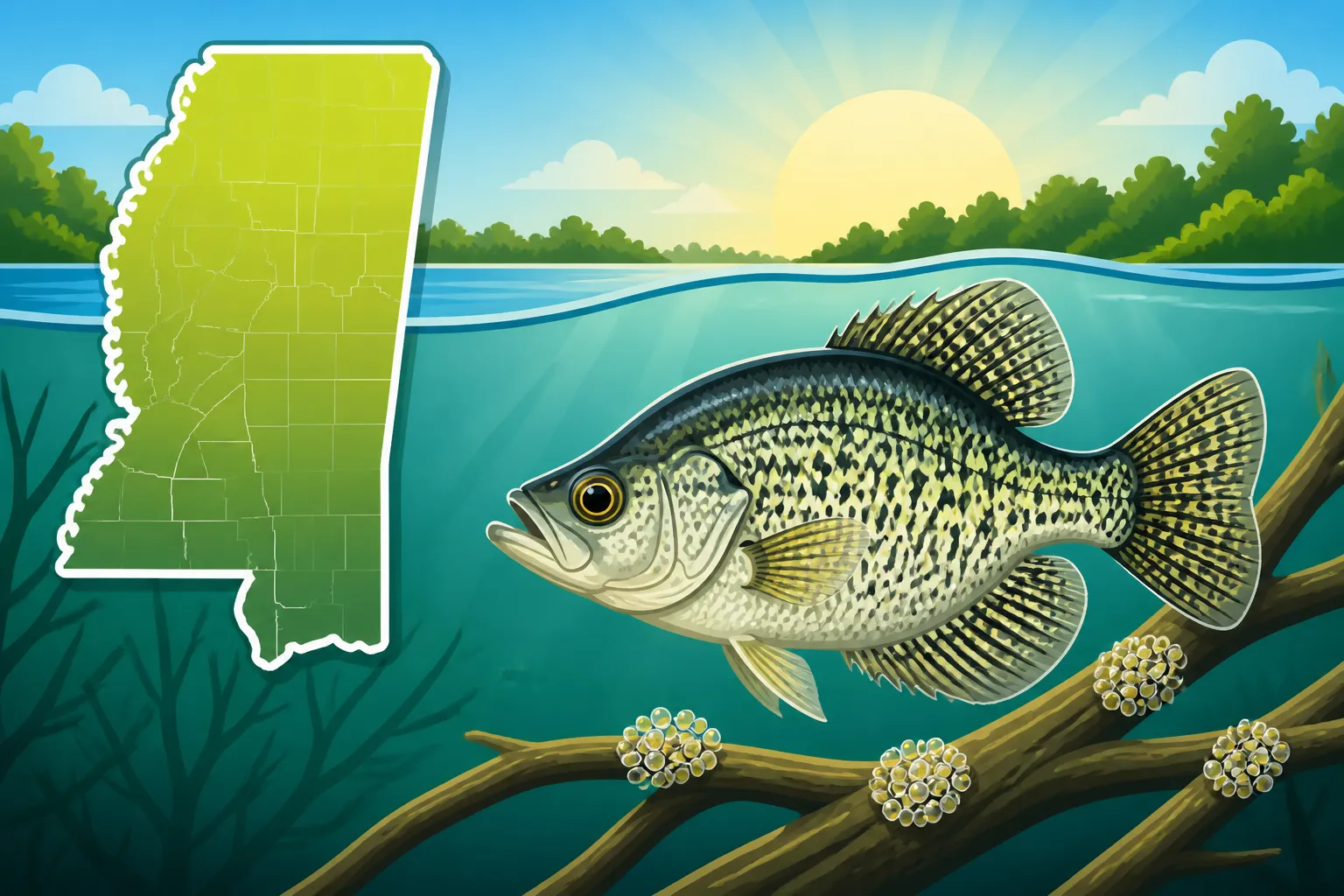
The male crappie will fan out a small, circular depression on the lake bottom, diligently clearing it of debris. Once a nest is prepared, a female will move in to deposit her eggs, sometimes several females using the same nest, before the male fertilizes them. He then guards the nest aggressively against predators until the fry hatch. This defensive behavior is a huge part of why the spawn is such a prime time for anglers – a well-placed jig or minnow near a nest often elicits an immediate strike. Learning about this behavior helps us not only find them but also understand why certain Crappie Fishing Techniques for Mississippi Lakes are so effective during this period.
Water Temperature: The Ultimate Trigger
If there's one single factor that dictates when and where crappie will spawn, it's water temperature. Crappie are incredibly sensitive to temperature changes, and specific ranges signal to them that it's time to move to their spawning grounds. Generally, crappie begin to seriously consider spawning when water temperatures consistently reach the mid-50s Fahrenheit, with the peak spawning activity typically occurring when temperatures settle in the low to mid-60s.
Think of it like us waiting for the perfect spring day to start our gardening. Crappie are doing the same thing, just with more urgency! If there's a sudden cold snap, you might see them retreat to deeper water, only to push back into the shallows once the temperatures rebound. This fluctuation can be frustrating for anglers, but it's a natural part of the process. Monitoring the water temperature using a simple thermometer or your boat's electronics is one of the most vital pieces of information you can have. Many seasoned anglers will tell you that finding that "magic number" in the 60-65 degree range is like hitting the jackpot. This key aspect of Best Time of Year to Fish in Mississippi cannot be overstated for crappie.
Prime Spawning Habitats: What Crappie Look For
So, the water temperature is right. Now, where exactly do these crappie decide to drop their eggs? They're not just spawning anywhere; they have very specific preferences for their nursery grounds. Knowing these preferred habitats is like having an insider's map to their hidden hideaways.
Shallow Water Preferences
Crappie, both white and black, are notorious for moving into incredibly shallow water to spawn. We're talking about depths ranging anywhere from six inches to a few feet, often no more than five or six feet deep. This is because shallower water warms up faster in the spring sun, reaching those ideal spawning temperatures more quickly. It also provides a more stable environment for their eggs, with less current to potentially wash them away.
Imagine a sunny, protected cove on a lake like Sardis Lake or Ross Barnett Reservoir. These are classic crappie spawning areas. Look for those gradual slopes that ease into deeper water, providing an easy migration path for the crappie from their deeper wintering holes. They often won't spawn in super steep banks but prefer a more subtle transition. The sun's warmth penetrates these shallower areas, kickstarting the process. It's truly amazing how close to shore you can find them, sometimes in spots you'd never expect unless you specifically went looking for them. This makes How to Catch Crappie From the Bank in Spring an incredibly effective tactic during the spawn.
Cover and Structure are Key
Crappie, being relatively small and vulnerable, seek out protection for their eggs and fry. This means they are almost always found spawning around some form of cover or structure. Think of it as their natural security system.
Here’s a rundown of the prime cover types:
- Submerged brush and fallen trees: These are crappie magnets during the spawn. The branches provide countless nooks and crannies for them to build nests and protect their young. Many anglers sink their own brush piles to create these ideal habitats, knowing crappie will find them year after year.
- Stumps and standing timber: If a lake has old timber stands or stumps from flooded areas, crappie will absolutely utilize them. The vertical structure provides excellent cover and a sense of security.
- Weed beds and lily pads: In lakes with abundant aquatic vegetation, the thick stalks and leaves of weeds or the broad pads of lilies offer ideal spawning sites. They offer shade, protection, and a substrate for eggs. However, fishing these can be challenging!
- Boat docks and piers: Don't overlook man-made structures! The pilings and shaded areas under docks can be prime real estate for crappie nests. Plus, they often have brush or old tires sunk nearby specifically for fish habitat.
When you're out scouting, try to spot any visible cover in the shallow zones. If you see a cluster of submerged branches near a bank, you can bet there might be some crappie setting up shop nearby. A good pair of polarized sunglasses from Amazon can be a game-changer for spotting this kind of cover in clear water.
Bottom Composition Matters
While cover is crucial, the actual material of the lake bottom also plays a role in crappie spawning preferences. They generally prefer a firm bottom, whether it's gravel, sand, or hard clay. These firmer substrates allow the male crappie to effectively fan out a clean nest and prevent the eggs from sinking into soft, mucky sediment where they might be deprived of oxygen.
You'll rarely find crappie trying to spawn in deep, soft mud. While they might stage in those areas before moving to spawn, their nests will almost always be on a harder bottom. This is why creek channels and old roadbeds that have harder bottoms can be excellent spots if they happen to run through shallow areas that warm up. If you're fishing a new lake, understanding the general bottom composition can give you clues about where to focus your search. Using a depth finder with good bottom discrimination can help you identify these firmer areas, even if they're underwater.
Timing is Everything: When Crappie Spawn in Mississippi
Understanding where crappie spawn is great, but knowing when they do it in Mississippi is equally important. The state is long, and weather patterns can vary, so the "exact" timing isn't always a hard and fast rule, but rather a window that opens and closes.
General Timeline Across Mississippi
Mississippi is a long state, stretching from the Tennessee border down to the Gulf Coast. As you might expect, the crappie spawn doesn't happen simultaneously across the entire state. Generally, the spawn progresses from south to north, following the warming trends.
- Southern Mississippi: In the southernmost parts of the state, closer to the Gulf Coast and lakes like the state fishing lakes in the lower counties, you might see crappie start to move into spawning areas as early as late February or early March, especially if there's an unusually warm winter. Peak activity here is typically mid-March to early April.
- Central Mississippi: For central Mississippi, including major reservoirs like Ross Barnett or Enid Lake, the spawn usually kicks into high gear by late March and continues strong through April. Some activity can spill into early May, particularly for fish that spawn later or if there are intermittent cold fronts.
- Northern Mississippi: Up in the northern reaches, around lakes like Pickwick Lake or Grenada Lake, the spawn generally starts a bit later, often in early to mid-April, and can extend well into May. It's not uncommon for anglers up here to be catching spawning crappie when their counterparts further south are already focusing on post-spawn patterns.
It's a beautiful thing to be able to follow the spawn north if you have the flexibility! You can almost chase the warm water up the state for weeks. Always check local fishing reports or call bait shops in the specific area you plan to fish for the most current conditions. The Mississippi Fishing Seasons Calendar can give you a general idea, but local knowledge is gold.
Factors Influencing Specific Lake Timings
While the general north-south progression is a good guideline, many localized factors can fine-tune the timing of the crappie spawn within any given lake or region.
- Lake Size and Depth: Smaller, shallower lakes tend to warm up faster than large, deep reservoirs. This means crappie in a small community lake might start spawning a week or two earlier than those in a massive body of water like Grenada Lake.
- Sunlight Exposure: Bays, coves, and areas of a lake that receive direct sunlight for much of the day will warm up more quickly than shaded areas or those facing north. These sunny spots often hold the first waves of spawning crappie.
- Recent Weather Patterns: This is huge. A prolonged period of warm, sunny weather will accelerate the spawn. Conversely, a strong cold front with chilly winds and rain can put the brakes on activity, causing crappie to retreat to deeper water until conditions stabilize. Understanding the role of Best Water Temperature for Crappie Fishing is paramount.
- Water Clarity: Clearer water allows sunlight to penetrate deeper, potentially warming a larger water column. Stained or muddy water can slow this process down.
- River vs. Lake Systems: Crappie in river systems might experience different current and temperature dynamics compared to still-water lakes, which can affect their timing.
Because of these variables, it's wise to view the "crappie spawn season" not as a single date, but as a broad window. The peak might only last a couple of weeks in a specific spot, so being observant and adaptable is key. Don't be afraid to try different areas of a lake or even different lakes within a region if your usual spots aren't producing. Many anglers closely watch the Mississippi Crappie Regulations by Lake because specific bodies of water might have unique rules or seasonal patterns based on local management.
Practical Tips for Finding Spawning Crappie
Now that we know the where and when, let's talk about the how. Translating this knowledge into actual fish in the boat (or from the bank!) requires some practical application and a bit of angler savvy.
Scouting the Shallows
Your best bet for finding spawning crappie is to literally scout the shallow areas of a lake. This isn't just about driving around; it's about actively looking for the right signs.
- Visual Observation: On calm, sunny days, especially if the water is relatively clear, you might actually see crappie near cover, or even spot the fanned-out nests on the bottom. Polarized sunglasses are essential for this kind of visual scouting. Look for dark spots on the bottom or subtle movements near brush. This is often more effective in shallower, clearer waters.
- Fan Casting: If you're in a boat, or even from the bank, systematically fan cast a small jig or minnow-tipped jig around promising areas. Start in one corner of a cove and work your way around, casting to every piece of visible cover, especially in those 1-5 foot depths. Crappie on the nest will often hit out of aggression rather than hunger. Light tackle is key here, as bites can be subtle.
- Focus on the "Back" of Coves: Often, the very back of a creek arm or cove will be the warmest, most protected water, making it a prime spawning zone. Don't just hit the main lake points; push deep into those pockets.
- Utilize Electronics: While crappie are shallow during the spawn, your boat's electronics can still be useful. Use your side imaging or down imaging to scan shallow flats for submerged brush piles that aren't visible from the surface. Many anglers also use shallow-water anchors to quietly position themselves and thoroughly work an area.
Remember, crappie are often schooled up during the spawn, so where you find one, there are likely more. A small, subtle jig or live minnow on a light line is often all it takes. Check out Best Bait for Crappie in Mississippi and Jig Fishing for Crappie for more detailed advice on lures and bait specifically for this period.
Gear and Lures for Spawning Crappie
When crappie are on the nest, they can be aggressive, but also finicky. You generally don't need heavy gear.
- Rods and Reels: A light to medium-light action spinning rod, typically 6 to 7 feet long, paired with a small spinning reel, is perfect. This setup allows for accurate casting of light jigs and sensitivity to detect subtle bites. For those who prefer specific brands, there are many excellent options available on Amazon that fit this description.
- Line: Opt for light line, usually 4 to 6-pound monofilament or fluorocarbon. Lighter line means more natural lure presentation and better feel. Some anglers use braided line with a fluorocarbon leader for added sensitivity and strength.
- Lures and Bait:
- Jigs: Small jigs (1/32 to 1/8 ounce) are king. Tipped with a small soft plastic grub, tube, or curly tail, they imitate a wide range of baitfish and insects. Popular colors vary, but chartreuse, white, black/chartreuse, and blue/white are often reliable. Don't be afraid to experiment with brighter colors in stained water.
- Live Minnows: The classic crappie bait. Fished under a small float or tight-lined, a lively minnow is almost irresistible to a crappie, especially one guarding a nest.
- Tiny Crankbaits: In some situations, especially if crappie are slightly deeper or actively chasing, small crappie crankbaits can be effective.
- Jigging Spoons: While less common for the shallow spawn, small jigging spoons can work if crappie are staging just off the main spawning flats in slightly deeper water before moving up.
Presentation is key. A slow retrieve, subtle twitching, or simply letting a minnow suspend perfectly still near cover often gets the bite.
Respecting the Spawn: Ethical Angling
While the crappie spawn offers incredible fishing opportunities, it's crucial to approach it with a sense of responsibility and ethical angling practices. Remember, these fish are in their most vulnerable state, actively trying to reproduce.
- Practice Selective Harvest: You don't have to keep every fish you catch. Consider keeping only what you'll eat, and release the larger breeding females to ensure they can contribute to future generations. Males on the nest are often smaller, and while they hit aggressively, releasing them after a quick photo ensures they can continue guarding their eggs.
- Know Your Limits: Always adhere to Mississippi's Mississippi Fishing Regulations Explained regarding creel and size limits. These regulations are in place to protect the fishery and ensure its sustainability. Mississippi Statewide Creel Limits are put in place for a reason.
- Handle Fish Gently: If you plan to release fish, handle them as little as possible. Wet your hands before touching them, support their body weight, and release them quickly back into the water.
- Avoid Overfishing Specific Nests: If you find a hot spot, it can be tempting to sit there and catch crappie after crappie. However, this can remove too many guardian males from their nests, leaving the eggs vulnerable to predators. It's often better to catch a few, then move to a different area, allowing that spot to recover.
By understanding where crappie spawn, how to find them, and how to fish ethically, you're not only maximizing your chances of a great day on the water but also contributing to the health and longevity of Mississippi's fantastic crappie fisheries. Tight lines, fellow anglers!
Crappie Spawning Conditions Checklist
Here's a quick reference for ideal crappie spawning conditions in Mississippi:
| Factor | Ideal Range/Condition | Why it Matters |
|---|---|---|
| Water Temperature | 60-65°F (Peak activity) | Triggers spawning instinct and egg development |
| Depth | 1-5 feet (sometimes up to 8 feet) | Warms quickly, provides stable environment |
| Cover/Structure | Submerged brush, stumps, logs, weed beds, docks | Protection for nests and fry, ambush points |
| Bottom Type | Firm gravel, sand, hard clay | Allows males to fan out clean nests, better oxygen for eggs |
| Location | Protected coves, creek arms, shallow flats | Shelter from wind/current, direct sunlight exposure |
| Sunlight | Sunny periods (after cold fronts) | Accelerates water warming, stimulates activity |
Disclaimer
This article is for general informational purposes only and does not constitute professional advice. Laws, prices and regulations vary by location and change over time. Consult a qualified professional for guidance on your specific situation.