Mississippi Fishing Season Opening Dates by Species
It's totally understandable to feel a little lost when you're trying to figure out fishing season opening dates in Mississippi. Many states have super clear-cut "open season" and "closed season" rules, especially for specific species, and it can be frustrating when you just want a straightforward answer before heading out to the water. This guide is here to untangle that knot for you, explaining how Mississippi handles its fishing seasons by species so you can fish confidently and legally.
Unpacking Mississippi's Fishing Season Philosophy
When you think about "fishing seasons," your mind might jump to hunting seasons with their very specific start and end dates. But here in Mississippi, it's a little different for most of our beloved finned friends. The state’s approach to fishing isn't typically about hard "opening dates" for most common species, but rather a system of continuous opportunity carefully managed through creel and size limits. It's more about responsible harvesting throughout the year than waiting for a specific calendar day to cast your line.
Year-Round Opportunities vs. Specific Season Closures
For the vast majority of freshwater species you'll encounter across Mississippi's rivers, lakes, and reservoirs, there isn't a "closed season." That means you can target them pretty much any day of the year. Think about your favorite bass or crappie spot – you don't typically see signs saying "Closed for Bass Season." Instead, the Mississippi Department of Wildlife, Fisheries, and Parks (MDWFP) focuses on daily bag limits (creel limits) and minimum or slot size limits to protect fish populations and ensure healthy breeding stock. This continuous open season is a fantastic perk for anglers, allowing for spontaneous trips whenever the mood (or the weather) strikes. However, this general rule does have some notable exceptions, particularly in our saltwater realms or for certain non-game species, which we'll dive into shortly.
Why Species-Specific Regulations Exist
The reasons behind Mississippi's regulatory framework are all about conservation and sustainability. Each fish species has its own unique life cycle, growth rate, and reproductive habits. By setting appropriate creel and size limits, the MDWFP can manage populations effectively. For instance, protecting smaller fish ensures they have a chance to mature and reproduce, while sometimes protecting larger, trophy-sized fish (through slot limits) ensures those valuable genetics are passed on. It's a delicate balance designed to ensure that anglers today and generations to come can continue to enjoy the incredible fishing opportunities Mississippi offers. These rules, while sometimes seeming complex, are vital for maintaining the health of our aquatic ecosystems. You can find a deeper dive into these rules by checking out our Mississippi Fishing Regulations Explained guide.
Key Freshwater Species: Seasons and Limits
Mississippi's freshwater fishing scene is legendary, offering diverse opportunities from the mighty Mississippi River to serene state park lakes. For the most part, "season" in freshwater means "open all year," with regulations focused on the number and size of fish you can keep.
Largemouth Bass and Spotted Bass
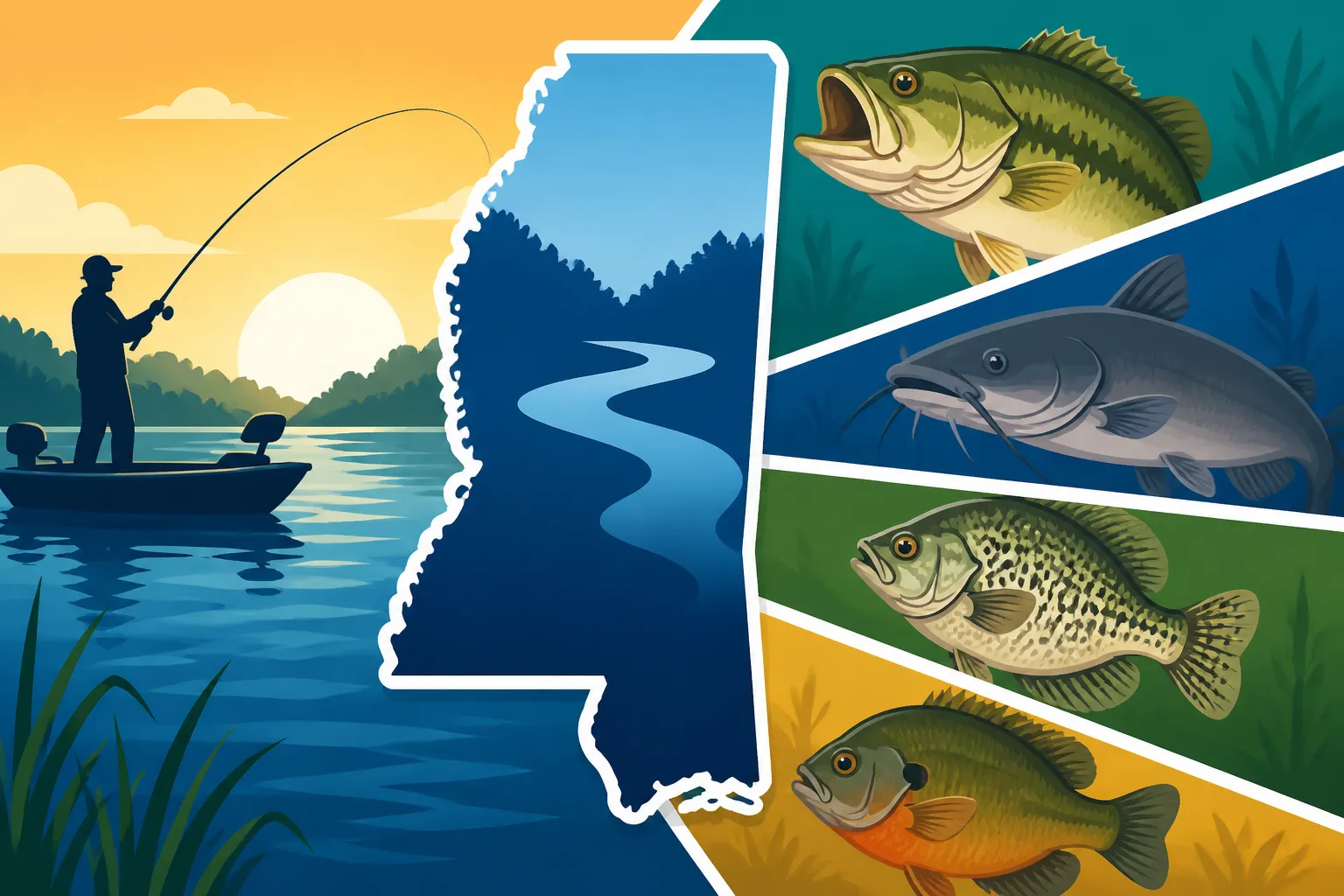
These iconic game fish are staples in nearly every lake, pond, and river system across Mississippi. The fantastic news for bass anglers is that the season for both largemouth bass and spotted bass is open year-round throughout the state. You don't have to worry about a specific opening date to target that hawg. However, it's absolutely crucial to pay attention to the creel and size limits, as these can vary significantly by water body. For example, many lakes will have a daily limit of 10 combined largemouth and spotted bass, with specific minimum length requirements or protective slot limits designed to enhance trophy potential. Always check the local regulations for your specific fishing destination, but rest assured, you can typically chase bass any time the water calls your name. For more detailed insights, you might want to read up on Mississippi Black Bass Regulations.
Crappie White and Black
Ah, crappie! The "sac-a-lait" as many folks down here call them, are incredibly popular, especially around the spring spawn. Just like bass, both white crappie and black crappie enjoy a year-round open season in Mississippi. The challenge with crappie isn't when you can fish for them, but rather understanding the often lake-specific regulations for creel and size limits. Our famous flood-control reservoirs like Grenada Lake, Sardis Lake, Enid Lake, and Arkabutla Lake are renowned crappie fisheries, and they often have their own unique rules to maintain healthy populations. For instance, Grenada Lake might have a 30-crappie daily limit with a 12-inch minimum size, while another lake could have different parameters. It pays to do your homework before you go. You can often find detailed rules in our Mississippi Crappie Regulations by Lake article.
Catfish Channel, Blue, and Flathead
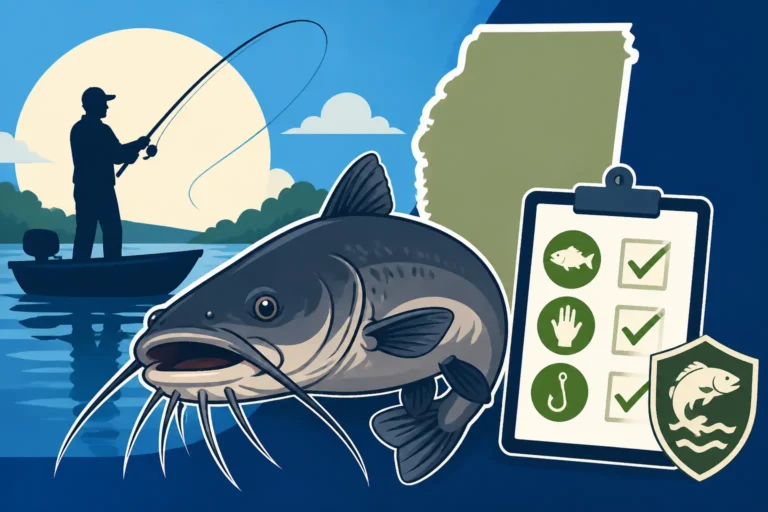
Whether you're after delicious channel cats for a fish fry, powerful blue cats from the river, or elusive flatheads, Mississippi has abundant opportunities. The season for all major catfish species—channel, blue, and flathead—is open year-round across the state. Again, the focus here is on daily creel limits and, in some cases, size restrictions, rather than seasonal closures. For instance, many waters allow a generous daily limit of 10 channel or blue catfish, with usually no minimum size. Flathead catfish often have a smaller daily limit, perhaps one or two, due to their slower growth rate and different population dynamics. Always consult the official MDWFP guide for the most current information, especially if you're targeting trophy-sized blue cats in the Mississippi River, where some limits might be more restrictive to protect larger breeding stock. Our guide on Mississippi Catfish Regulations provides a lot more information.
Bream and Panfish Bluegill, Redear Sunfish
For a relaxing day on the water and excellent table fare, you can't beat bream fishing. This category includes popular species like bluegill, redear sunfish (shellcrackers), and various other sunfish. For these abundant and eager biters, the season is wide open year-round across Mississippi. The creel limits are typically very generous, often 100 fish per person per day for various panfish species combined, with no minimum size limits. This makes them fantastic targets for family outings and beginner anglers. Just remember, while the season is always open, these fish are most active and easiest to catch during the warmer months, particularly during their spawning periods in late spring and early summer.
Saltwater Species: Seasonal Considerations on the Mississippi Gulf Coast
While freshwater fishing largely operates on year-round opportunities with limits, the Mississippi Gulf Coast introduces a few species where "opening dates" become very real and very important. This is especially true for federally managed species. A valid Mississippi Saltwater Fishing License Guide is almost always required for any coastal angling.
Speckled Trout and Redfish
These are the superstars of Mississippi's inshore saltwater fishing scene. Anglers chase them enthusiastically throughout the year, and thankfully, the seasons for speckled trout (spotted seatrout) and redfish are open year-round in Mississippi waters. The primary management tools for these species are slot limits and daily creel limits. For instance, you'll find regulations like a daily limit of 10 speckled trout per person, usually within a slot of 15 to 20 inches, with only one fish over 20 inches allowed. Redfish often have a similar structure, like a daily limit of 3 fish per person, within an 18 to 30-inch slot. These slot limits are designed to protect both juvenile fish and the larger, spawning adults. For more details on these vital rules, check out our articles on Speckled Trout Size Limit in Mississippi and Redfish Slot Limit on the Mississippi Gulf Coast.
Red Snapper and Cobia: Highly Anticipated Seasons
Now, this is where the "opening date" concept truly comes into play for Mississippi anglers! Red snapper, a highly prized and delicious deep-water species, are managed federally, and their recreational season is often quite short and announced annually. The Mississippi Red Snapper Season Dates are eagerly awaited each year and typically consist of a few weekends or a short continuous period during the summer months. These dates are subject to change based on federal quotas and are usually announced by the MDWFP and the Gulf of Mexico Fishery Management Council well in advance. Fishing outside of this very specific season, even if you accidentally catch one, is illegal.
Cobia, another highly sought-after species known for its fighting prowess and excellent table fare, also has a distinct season that often opens in the spring and runs through the fall. While not as rigidly "opened" and "closed" as red snapper, specific regulations regarding size and bag limits apply during this period. For example, there's usually a minimum size limit and a daily bag limit that recreational anglers must adhere to. The migration patterns of cobia mean that they are most available during these warmer months.
Other Coastal Species with Year-Round Availability
Beyond the glamour of trout, redfish, snapper, and cobia, many other exciting saltwater species are available year-round along the Mississippi Gulf Coast. You can chase flounder, sheepshead, black drum, croaker, and various other species throughout the calendar, provided you adhere to their respective creel and size limits. For instance, flounder fishing is generally open year-round, but there might be a minimum size and a daily limit to ensure sustainable harvesting. These consistent opportunities make the Mississippi Sound and barrier islands a fantastic fishing destination at any time of year.
Beyond Seasons: Essential Regulations to Remember
While understanding the open seasons for different species is crucial, it's only one piece of the puzzle. Mississippi's fishing regulations are a comprehensive system designed to protect resources and ensure fair chase. Overlooking these other critical rules can lead to fines and penalties, even if you're fishing during an open season.
Creel and Size Limits: More Important Than Dates
As we've discussed, for most Mississippi species, creel (daily bag) and size (length) limits are the primary regulatory tools, far more common than strict opening and closing dates. It's imperative that every angler, from seasoned veterans to first-time visitors, knows and adheres to these limits for the specific body of water they are fishing. These limits can change, sometimes annually, so always consult the latest MDWFP regulations guide, which you can usually find online or pick up at local sporting goods stores. These rules dictate how many fish you can keep and their minimum or maximum legal lengths. Ignoring them isn't just a minor infraction; it directly impacts the sustainability of our fisheries. Find more details in our Mississippi Fishing Creel and Size Limits guide.
Licensing Requirements: Don't Get Caught Unprepared
Perhaps the most fundamental rule for any angler in Mississippi is having a valid fishing license. With very few exceptions (like Free Fishing Days in Mississippi or specific age exemptions), if you're 16 years or older, you need a license to fish in Mississippi's public waters. This applies to both residents and non-residents, and there are separate licenses for freshwater and saltwater, or combination options like the Sportsman's License. Getting caught without a license can lead to significant fines and a ruined fishing trip. You can easily purchase them online through the MDWFP website, at local license vendors, or even sometimes pick up last-minute gear (and check out fishing scales or tackle) from places like Amazon before your trip. For a complete breakdown, check out our comprehensive Mississippi Fishing License Guide.
Special Regulations for State Park Lakes and Border Waters
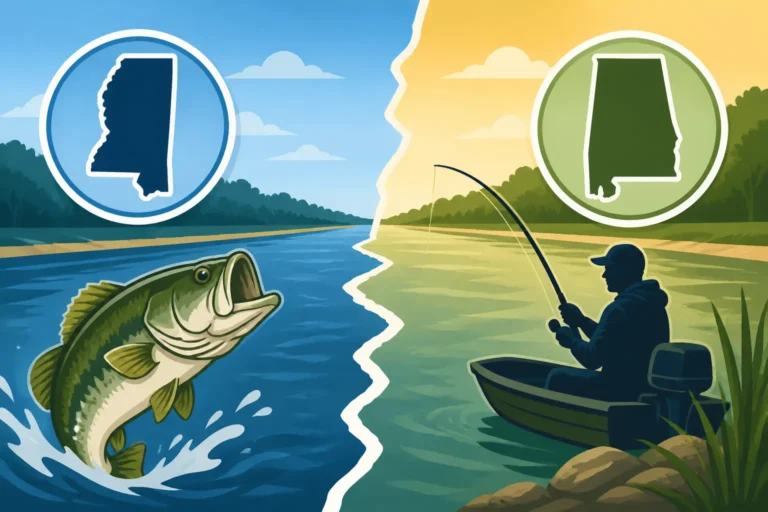
Just when you think you have a handle on things, remember that some specific locations have their own unique set of rules. Mississippi State Park lakes, for example, often require an additional permit beyond your standard state fishing license. These permits help fund the maintenance and stocking of these managed fisheries. Furthermore, if you're fishing in border waters shared with neighboring states like Louisiana or Alabama (such as the Mississippi River or certain coastal bays), there might be reciprocal agreements or specific rules that differ from statewide Mississippi regulations. It's essential to research these unique situations to avoid any surprises. Our Mississippi State Park Lake Fishing Permits article can offer additional clarity.
Here’s a quick summary of general season and limit information for popular species, but always confirm with the latest MDWFP regulations before you go:
| Species | Season (General) | Daily Creel Limit (General) | Size Limit (General) | Notes |
|---|---|---|---|---|
| Largemouth/Spotted Bass | Year-Round | 10 (combined) | Varies by lake (e.g., 12-14") | Check specific lake regulations. |
| Crappie | Year-Round | 30-50 (varies by lake) | Varies by lake (e.g., 9-12") | Key flood control reservoirs have specific rules. |
| Channel/Blue Catfish | Year-Round | 10 (Channel/Blue combined) | No minimum size | Flathead Catfish often have lower limits. |
| Bream/Panfish | Year-Round | 100 (combined) | No minimum size | Great for beginners and family outings. |
| Speckled Trout | Year-Round | 10 | 15"-20" slot (1 over 20") | Saltwater. |
| Redfish | Year-Round | 3 | 18"-30" slot | Saltwater. |
| Red Snapper | Seasonal | 2 | 16" minimum | Highly regulated; season dates announced annually. |
| Cobia | Seasonal | 2 | 37" minimum | Saltwater. |
Disclaimer
The information provided in this guide is for general informational purposes only and is subject to change. Fishing regulations, seasons, and limits are set by the Mississippi Department of Wildlife, Fisheries, and Parks (MDWFP) and can be updated at any time. It is the angler's responsibility to consult the most current official MDWFP regulations guide before engaging in any fishing activity. Non-compliance with fishing laws can result in fines and penalties.