Mississippi River Catfish Hotspots
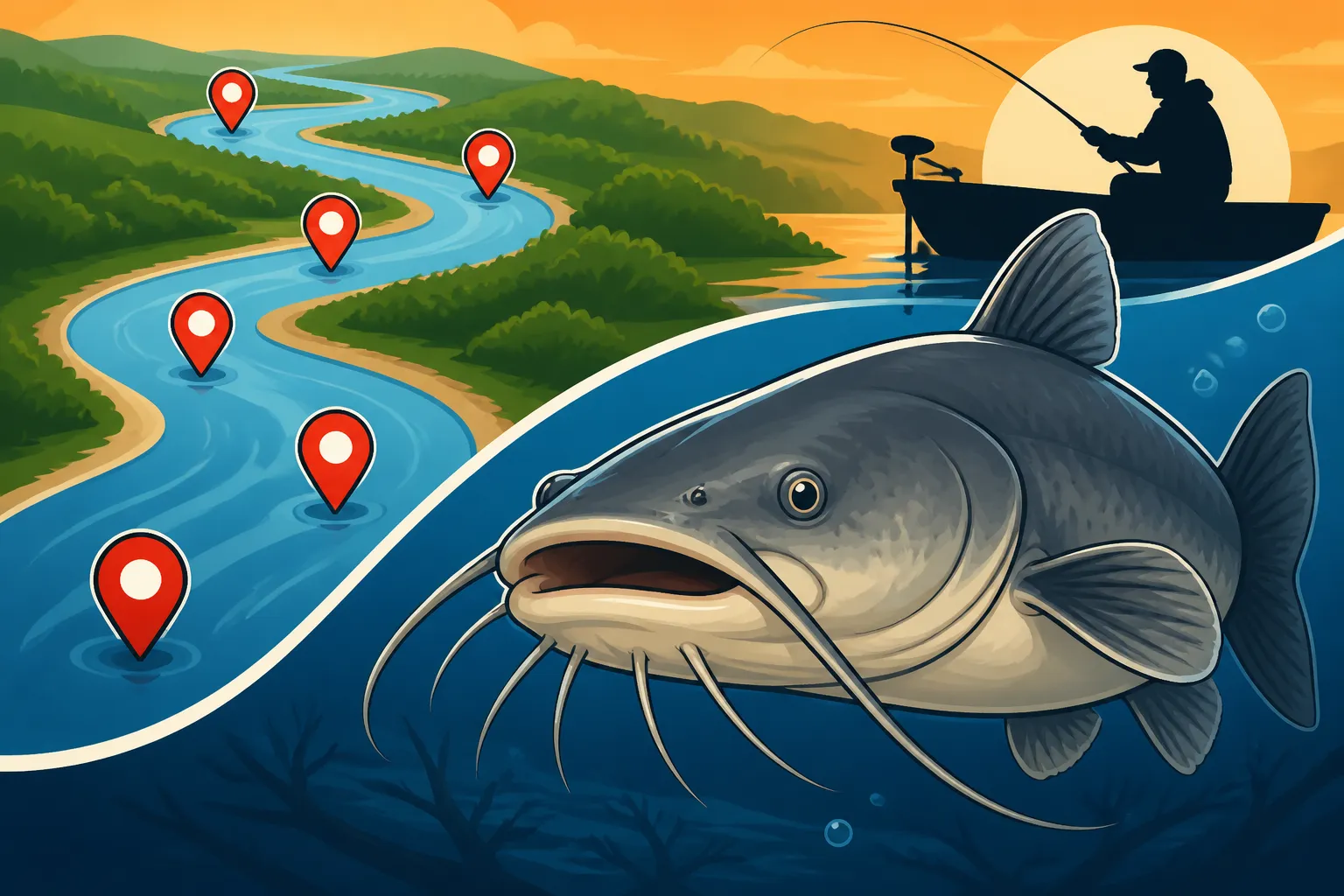
The Mississippi River can feel like an overwhelming expanse, a truly monumental body of water that can leave even seasoned anglers scratching their heads when trying to pinpoint where the catfish are hiding. It’s easy to feel lost amidst the vast currents, countless snags, and endless stretches of bank, wondering how anyone could possibly consistently pull in those whiskered giants. But don't you worry, because this guide is here to demystify the mighty Mississippi, pinpointing the very best catfish hotspots across the Magnolia State's share of this iconic river and offering practical advice to help you reel in some impressive catches.
The Lure of the Mighty Mississippi for Catfish Anglers
The Mississippi River isn't just a geographical boundary for the state; it's a vibrant, living ecosystem teeming with fish, none more iconic than the various species of catfish that call its depths home. Its sheer size, diverse habitats, and constant flow create perfect conditions for these bottom-dwelling powerhouses to thrive.
Why the Mississippi River is a Catfish Paradise
Imagine a natural highway, constantly churning with nutrients, carrying food downstream, and carving out an ever-changing landscape of deep holes, sandbars, and submerged timber. That's the Mississippi River for catfish. The constant flow brings a steady supply of baitfish, mussels, and other delectable morsels right to their doorstep. Unlike calmer lakes, the river offers a relentless current that keeps catfish active, strong, and constantly foraging, leading to some truly massive specimens. Think about the sheer biomass moving through that river—all that life feeds the catfish. They become incredibly robust and aggressive, making for an unforgettable fight once hooked. The river's dynamic nature also means there are always new structures being formed or old ones being uncovered, creating fresh fishing opportunities for those willing to explore.
Understanding the Big Three: Blue, Channel, and Flathead Catfish
When you're talking about Mississippi River catfish, you're primarily aiming for three incredible species, each with its own quirks and preferences. Knowing what you're targeting can dramatically improve your success rate.
-
Blue Catfish: These are the undisputed heavyweights of the Mississippi. Blues love strong currents and deep, open waters, often congregating in massive schools around scour holes, channel edges, and submerged structure. They are primarily piscivores, meaning they prefer to eat other fish, and they grow huge. We’re talking about fish that can easily top 50 pounds, with the potential to break triple digits. Landing a monster blue is a bucket-list achievement for many anglers. If you're looking for Trophy Catfish in Mississippi Waters, the Mississippi River's blue catfish are often the target.
-
Channel Catfish: While not reaching the gargantuan sizes of blues, channel cats are abundant and offer a fantastic fight on lighter tackle. They prefer slightly less turbulent waters, often found near riprap, creek mouths, and slower current areas, especially around cover. Channels are omnivores, eating everything from insects and crustaceans to small fish and decaying organic matter. They are prized for their table fare and are often the most common catch for many river anglers. Their versatility makes them a great target for those exploring Channel Catfish Fishing in Mississippi.
-
Flathead Catfish: The flathead is a solitary, ambush predator that prefers structure—think fallen trees, logjams, and rock piles. Unlike blues and channels, flatheads almost exclusively feed on live bait, making them a unique challenge. They grow to impressive sizes, often reaching 30-60 pounds or more, and are known for their strong, bulldog-like fight. Finding a flathead means locating their woody hideouts, often in slightly slower current where they can dart out and ambush prey. Learning their specific habits is key for Flathead Catfish Habits and Habitat.
Understanding these differences is crucial. If you're fishing a deep, fast-current area with cut bait, you're likely targeting blues. If you're in a slower eddy with chicken liver, channels are more probable. And if you're dropping a live sunfish next to a massive logjam, you're hoping for a flathead.
Navigating Mississippi's Premier Catfish Hotspots
The Mississippi River is massive, stretching hundreds of miles along Mississippi's western border. Trying to find a good fishing spot without local knowledge can feel like finding a needle in a haystack. But certain areas consistently produce excellent catfishing, offering distinct advantages based on geography and river dynamics.
Vicksburg and the Central River Stretch
The area around Vicksburg, and stretching both north and south, is legendary for its catfishing. This part of the river features a complex mix of deep channels, numerous oxbow lakes, and the confluence of smaller rivers and creeks, all contributing to a vibrant fishery.
- Vicksburg Bluffs and Deep Holes: The towering bluffs around Vicksburg aren't just historical landmarks; they also create unique underwater topography. The river channel here often runs deep against the bluff line, carving out significant scour holes and ledges. These deep holes, especially those with some sort of current break or submerged structure, are absolute magnets for trophy blue catfish. Anglers often target these spots by anchoring directly upstream and presenting cut bait right on the bottom. The strong currents mean you’ll need heavy weights, sometimes as much as 10-16 ounces, to hold your bait in place.
- Confluences and Feeder Creeks: Just north and south of Vicksburg, you'll find where smaller rivers and bayous merge with the Mississippi. These confluences, such as the mouth of the Yazoo River or other smaller tributaries, are dynamic zones that churn up nutrients and concentrate baitfish. Catfish will stack up in these areas, especially during periods of rising or falling water, ambushing food as it washes into the main river. These spots are excellent for all three species, depending on the specific structure and current.
- Oxbow Lakes: The Mississippi River is famous for its oxbow lakes—old river bends that have been cut off from the main channel. While technically separate, many of these oxbows maintain connections, either permanent or seasonal, to the main river. Lakes like Eagle Lake near Vicksburg or Lake Washington further north can be phenomenal for channel and flathead catfish, especially when they connect to the river during high water events. These connections allow catfish to move freely between the high-current river and the calmer, food-rich lakes.
Natchez Area: Deep Holes, Feeder Creeks, and Structure
Further south, the Natchez stretch of the Mississippi presents another fantastic catfishing opportunity. This area is characterized by its dramatic bluffs, historic riverfront, and a slightly different river dynamic that still holds massive fish.
- Natchez Under-the-Hill: The historic landing at Natchez Under-the-Hill is more than just a tourist spot; it’s an active riverfront with deep water and strong currents that constantly scour out new holding areas. The old dock structures, riverboat landings, and any riprap along the bank provide excellent cover and current breaks for catfish. Anglers often fish directly from the banks or utilize boats to explore the deep holes and ledges that form in this well-trafficked section of the river.
- Lower Mississippi River Tributaries: South of Natchez, the river continues its march towards the Gulf, and various bayous and smaller streams feed into it. These smaller waterways, particularly their mouths where they meet the main river, offer excellent opportunities for catfish. The water here can be slightly slower, which can make it easier to fish, and these areas often have a mix of all three catfish species. Focus on areas where there's a distinct change in depth or current, or where woody debris has accumulated.
- Hidden Bends and Scour Zones: The river isn't always straight, and its meandering course creates numerous bends. On the outside bends, the current often digs deep scour holes, which are prime real estate for large blue catfish. Look for areas on nautical charts (available through NOAA or even some fishing apps like
FishingBooker) that indicate significant depth changes or areas where the channel hugs the bank tightly. These are often indicators of productive scour zones.
Northern Stretches: Around Greenville and Arkansas Border Influence
Moving north along the Mississippi border, the area around Greenville offers a different flavor of river fishing, influenced by the broader floodplain and the proximity to the Arkansas side.
- Greenville Bridge Area: The Greenville Bridge itself and the surrounding riverfront often create excellent fishing opportunities. Bridge pilings disrupt the current, creating eddies and slack water areas where catfish can rest and ambush prey. The deeper channels associated with bridge crossings are also reliable spots for blue catfish. Fishing around these structures requires careful boat handling but can yield impressive results.
- Wider River Sections and Sandbars: In some of the northern stretches, the river widens, and extensive sandbars and shallow flats become more prominent. While the main channel still holds deep water and blues, these shallower areas, particularly the edges of sandbars that drop into deeper water, can be excellent for channel catfish and even flatheads, especially during specific times of the year or under certain water conditions. The key is finding where these shallow areas transition sharply to deep water.
- Border Water Dynamics: Given Mississippi shares this stretch of river with Arkansas, understanding the flow and dynamics coming from the Arkansas side can be beneficial. Tributaries entering from the west, along with changes in agricultural runoff, can influence water clarity and nutrient levels, which in turn affect catfish behavior. Anglers should consult a Mississippi River Fishing Guide to understand the broader ecosystem and its influences.
Backwater Lakes and Tributaries: Less Current, Different Opportunities
While the main river channel is prime, don't overlook the incredible opportunities in the countless backwater lakes, bayous, and smaller tributaries that connect to the Mississippi River. These offer a slightly different fishing experience, often with less current but still abundant catfish.
- Seasonal Connections: Many backwater lakes are only connected to the main river during high water periods. When the river is up, catfish will move into these calmer, food-rich environments to spawn and feed. As the river recedes, they often get "trapped" or choose to stay in these lakes, leading to fantastic fishing opportunities once the water stabilizes. These lakes are goldmines for channel catfish and can hold large flatheads too, especially in areas with plenty of submerged timber or brush.
- Pearl River and Yazoo River Mouths: While not directly on the Mississippi, the lower reaches of major tributaries like the Pearl and Yazoo Rivers are heavily influenced by the Mississippi's water levels and can be excellent catfish spots, especially near their confluence. The slower currents and abundant cover in these rivers often lead to a high population of channel catfish and flatheads. These areas provide a good alternative when the main Mississippi River is too high or muddy to fish effectively.
- Targeting Different Species: These calmer, backwater areas often favor channel and flathead catfish. Channel cats will be found in almost any part of these systems, especially near cover and areas with some current. Flatheads will be tucked away in heavy cover, waiting to ambush live bait. Anglers can explore various Catfish Fishing Techniques specifically tailored for these calmer environments, which might differ significantly from tactics used in the main river's swift currents.
Strategies for Landing Mississippi River Giants
Catching catfish on the Mississippi isn't just about showing up at a hotspot; it's about understanding their behavior, presenting the right bait, and using techniques that counter the river's powerful flow.
Mastering Baits and Rigs for River Catfish
The choice of bait and the way you present it are paramount to success on the Mississippi. Catfish are primarily bottom feeders, and the river's currents demand specific rigging to keep your bait where the fish are.
- Cut Bait for Blue Catfish: Without a doubt, fresh cut bait is king for targeting large blue catfish. Shad, skipjack herring, drum, carp, and even fresh mullet are excellent choices. The oilier the fish, the better. Cut bait releases a strong scent trail that travels downstream, drawing in distant catfish. You'll want to use a Carolina rig or a three-way swivel rig to keep your bait on the bottom. For a Carolina rig, a heavy egg sinker (3-10 oz, sometimes more depending on current) is threaded onto your mainline, followed by a bead, a barrel swivel, and a leader (18-36 inches) with a large, strong circle hook (8/0-12/0). The bead protects your knot, and the swivel prevents line twist.
- Live Bait for Flathead Catfish: For flatheads, live bait is almost always the preferred option. Small to medium-sized sunfish (bream), goldfish, or shad are excellent choices. Hook them through the back or lips to keep them lively. A simple Carolina rig or a float rig can be effective. When using a float rig, ensure your float is large enough to support the live bait and a heavy enough weight to keep it near cover. Remember, flatheads are ambush predators, so present your live bait near heavy structure like submerged logs or rock piles.
- Prepared and Natural Baits for Channel Catfish: Channel catfish are less picky. While they'll hit cut bait, they are also highly attracted to prepared stink baits, chicken livers, shrimp, and worms. The key is to get the scent out. A punch bait on a treble hook or a standard slip-sinker rig with a smaller hook (2/0-5/0) works well. These baits are particularly effective in slower currents or backwater areas where the scent can disperse without being immediately washed away. When considering Best Bait for Catfish in the Mississippi River, remember to match the bait to the specific species you're targeting and the current conditions.
Essential Techniques: Anchoring, Drifting, and Jugging
Fishing the Mississippi River effectively means employing a variety of techniques to cover water and present your bait correctly.
- Anchoring: This is perhaps the most common technique for targeting blue catfish in specific deep holes or around structure. You position your boat upstream of your chosen spot, drop two anchors (one from the bow, one from the stern) to hold your boat steady, and cast your heavy rigs downstream into the fish's holding area. The stationary boat allows your bait to soak for extended periods, building a scent trail. Proper How to Anchor Properly for River Catfishing is crucial for safety and effectiveness, especially in strong currents.
- Drifting: When catfish are scattered or you're trying to locate schools, drifting can be incredibly effective. This involves allowing your boat to drift downstream with the current, trailing baits behind you. You can either use the current to move your boat or employ a trolling motor at a very slow speed, just faster than the current, to cover water more systematically. This method is great for finding actively feeding fish along channel edges or over submerged flats. You'll use lighter weights than when anchoring, just enough to tick the bottom occasionally.
- Jug Fishing and Trotlines: For a more passive, hands-off approach, jug fishing and trotlines are popular and effective, especially for channel and blue catfish. Jug fishing involves setting multiple baited lines attached to individual floats (jugs) that drift freely with the current. Trotlines involve a main line stretched across a section of water, with numerous baited hooks attached at intervals. These methods are highly efficient for catching multiple fish, particularly overnight. Always check Mississippi Fishing Regulations Explained for specific rules regarding jug fishing and trotlines, as regulations on the number of jugs, hook sizes, and inspection times can vary.
The Importance of Timing and Weather
Just like any fishing, timing is everything on the Mississippi River. The best times to fish often coincide with natural cycles and weather patterns.
- Seasonal Patterns: While you can catch catfish year-round, spring and fall are often considered prime. In spring, as water temperatures rise, catfish become very active and move into shallower areas to spawn. Post-spawn, they retreat to deeper water to recover but remain aggressive feeders. Fall sees catfish bulking up for winter, leading to intense feeding frenzies, especially for larger blues. Summer can be excellent, but often means fishing deeper during the day or focusing on Night Fishing for Catfish when temperatures are cooler. Winter can also be productive, with large blues often stacking up in deep, slow-moving holes.
- Water Levels and Clarity: The Mississippi River is highly dynamic, with water levels fluctuating significantly. Slightly rising or falling water often triggers feeding, as new food sources are washed into the main channel or concentrated. Stable water levels for a few days can also be excellent. Conversely, rapidly rising or falling water, or extremely muddy conditions, can make fishing challenging as catfish become disoriented or visibility is too low. However, even in muddy water, catfish rely on their sense of smell, so strong-smelling cut baits can still be effective.
- Barometric Pressure: Many experienced anglers pay close attention to barometric pressure. A steady or slowly rising barometer often signals stable weather and good fishing, while a rapidly falling barometer (indicating an approaching storm) can often trigger a pre-front feeding binge, followed by tough fishing after the front passes.
Tips for a Successful and Safe Mississippi River Catfishing Trip
The Mississippi River is a powerful force, and successful trips require not only good fishing skills but also preparedness, proper gear, and an understanding of the rules.
Gearing Up for the Big River
You can't bring a knife to a gunfight, and you certainly can't bring ultralight tackle to the Mississippi River. This river demands heavy-duty gear.
- Rods and Reels: For targeting trophy blue catfish, you'll want heavy-action casting rods (7-9 feet) paired with stout baitcasting reels capable of holding 200+ yards of heavy line. Look for reels with strong drag systems, like those from Abu Garcia or Penn, as you'll need to turn big fish in strong currents. For channel cats, a medium-heavy spinning or casting combo will suffice.
- Fishing Line: Braided line (50-80 lb test) is highly recommended for its strength, sensitivity, and resistance to abrasion. It cuts through the current better than mono, allowing you to use less weight. For leaders, heavy monofilament or fluorocarbon (50-100 lb test) is ideal for its abrasion resistance against underwater snags and its stealth.
- Hooks and Weights: Large, sturdy circle hooks (8/0 to 12/0) are essential for big catfish, as they promote lip-hooking, which is better for the fish and ensures a solid connection. For weights, be prepared with a variety of sizes (3-16 oz) in egg sinkers, disc weights, or pyramid sinkers, depending on current strength.
- Safety Gear: Always, always have life jackets for everyone on board, a throwable flotation device, a whistle or horn, navigation lights (if fishing at dawn/dusk/night), and a fully charged cell phone. The Mississippi River is a commercial waterway with large barges, so vigilance and proper safety equipment are non-negotiable.
Navigating Regulations and Licensing
Fishing on the Mississippi River, especially on the border with Arkansas or Louisiana, can sometimes feel like navigating a legal minefield. It's critical to be informed.
- Mississippi Fishing License Guide: All anglers 16 years or older need a valid Mississippi fishing license. You can purchase these online through the Mississippi Department of Wildlife, Fisheries, and Parks (MDWFP) website, or from licensed vendors like Walmart or tackle shops. Be aware that if you're fishing in waters that border Arkansas or Louisiana, there might be specific reciprocal agreements or separate licensing requirements. For example, if you're fishing the main channel of the Mississippi River, a Mississippi license usually covers you even if you drift into Arkansas waters, but check specific border water rules. A comprehensive Mississippi Fishing License Guide is your best friend here.
- Creel and Size Limits: Catfish have specific Mississippi Fishing Creel and Size Limits that vary by species. For blue catfish, there might be a daily limit and a slot limit for trophy-sized fish. Flatheads often have limits as well. Always check the current MDWFP regulations before you head out. These regulations are in place to ensure sustainable fishing for generations to come.
- Prohibited Methods: Certain fishing methods, like the use of electricity or explosives, are strictly prohibited. Always ensure your chosen fishing methods, especially for Mississippi Trotline and Jug Fishing Rules, comply with state laws to avoid penalties.
Finding Guides and Resources
Sometimes, the best way to crack the code of the Mississippi River is to go with someone who already knows its secrets.
- Local Fishing Guides: Booking a trip with a seasoned Mississippi River Catfish Guides can dramatically shorten your learning curve. These guides spend hundreds of hours on the water and know the best spots, baits, and techniques for current conditions. They'll also provide all the necessary gear and ensure you're fishing legally. You can find reputable guides by checking local tackle shops or using online platforms like
FishingBooker, which lists guides with reviews and contact information. - Online Resources and Apps: Beyond guides, there's a wealth of information available online. The MDWFP website offers fishing reports and regulation updates. Apps like Fishbrain or Navionics can help you identify deep holes, channel markers, and underwater structures. Local fishing forums and social media groups are also great places to connect with other anglers and get real-time advice. Don't be shy about asking questions!
- Tackle Shops: Local tackle shops are often invaluable resources. The folks working there live and breathe local fishing. They can tell you what's biting, what baits are working, and point you towards productive spots. They are truly the unsung heroes of local fishing communities.
Mississippi River Catfish Species Comparison
| Species | Average Size (lbs) | Max Size (lbs) | Preferred Habitat | Primary Diet | Best Bait |
|---|---|---|---|---|---|
| Blue Catfish | 10-40 | 100+ | Deep channels, strong current | Fish (piscivore) | Fresh cut bait (shad) |
| Channel Cat | 2-10 | 40+ | Moderate current, structure | Omnivore | Stink bait, chicken liver |
| Flathead Cat | 10-60 | 100+ | Heavy cover, slower current | Live fish | Live sunfish, goldfish |
The Mississippi River offers an incredible adventure for any angler willing to tackle its immense power and beauty. By understanding the hotspots, employing the right techniques, and respecting its regulations, you can experience some of the most thrilling catfishing in the country. Good luck out there, and tight lines!
Disclaimer
The information provided in this guide is for general informational purposes only. Fishing conditions, regulations, and access points on the Mississippi River can change rapidly. Always consult the latest regulations from the Mississippi Department of Wildlife, Fisheries, and Parks (MDWFP) and use caution when boating or fishing on the river. Personal safety should always be your top priority.