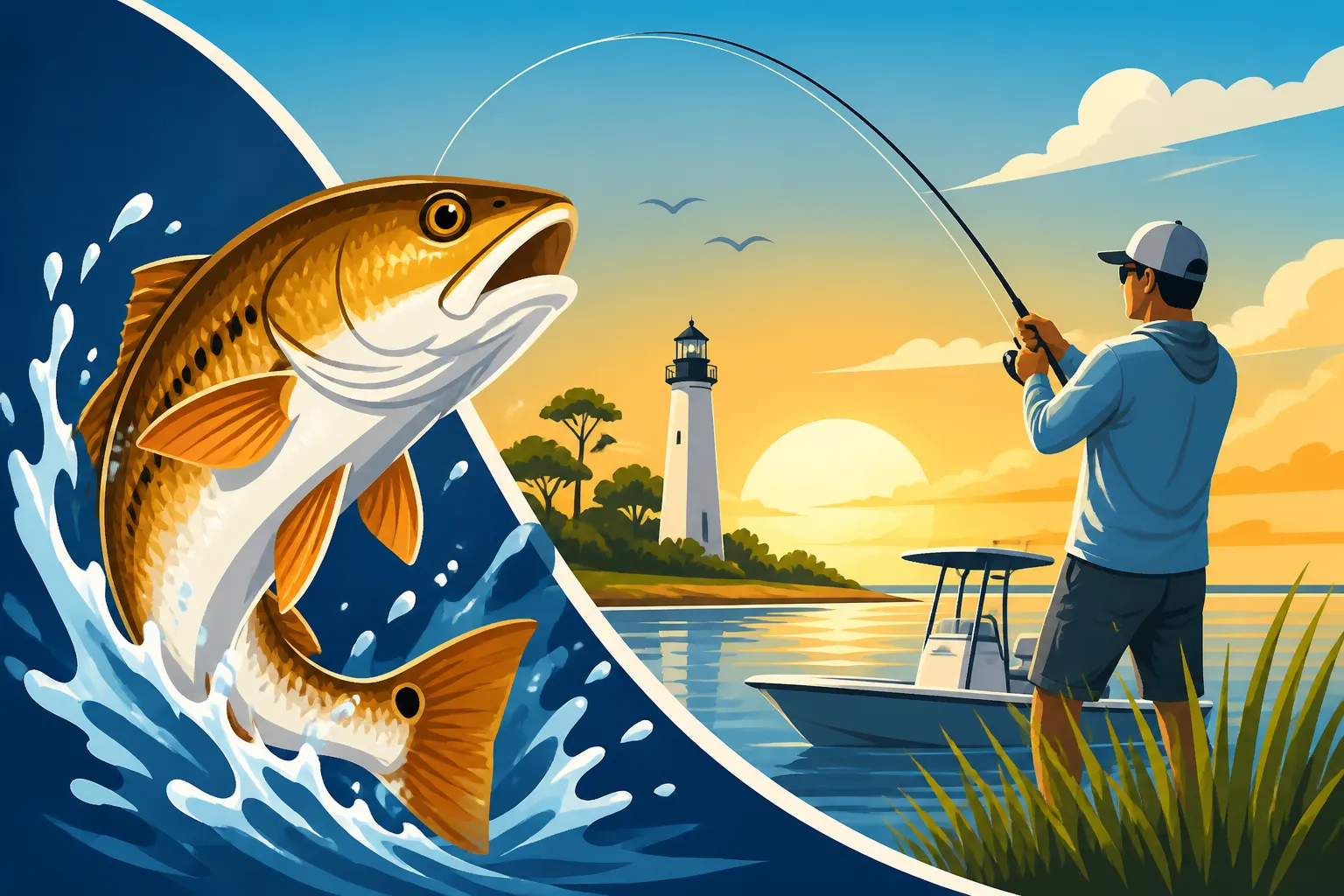
Mississippi Sound Fishing Guide
Navigating the vast and intricate waters of the Mississippi Sound can feel overwhelming if you’re new to the area, or even if you’ve been fishing it for years but want to expand your horizons beyond your usual honey holes. From understanding the subtle shifts in salinity to knowing exactly which tides bring in the bite, there’s a lot to unpack. This guide aims to demystify fishing the Mississippi Sound, offering local insights into its unique environment, prime spots, target species, and the techniques that truly work.
Understanding the Mississippi Sound Ecosystem
The Mississippi Sound isn't just a body of water; it's a dynamic, intricate ecosystem that acts as a vital nursery and feeding ground for a myriad of fish species. If you want to consistently catch fish here, you need to understand the nuances of this environment. It's not like fishing a freshwater lake or the open ocean; it's a blend of both, constantly influenced by the mighty Mississippi River and the expansive Gulf of Mexico.
Geography and Key Features
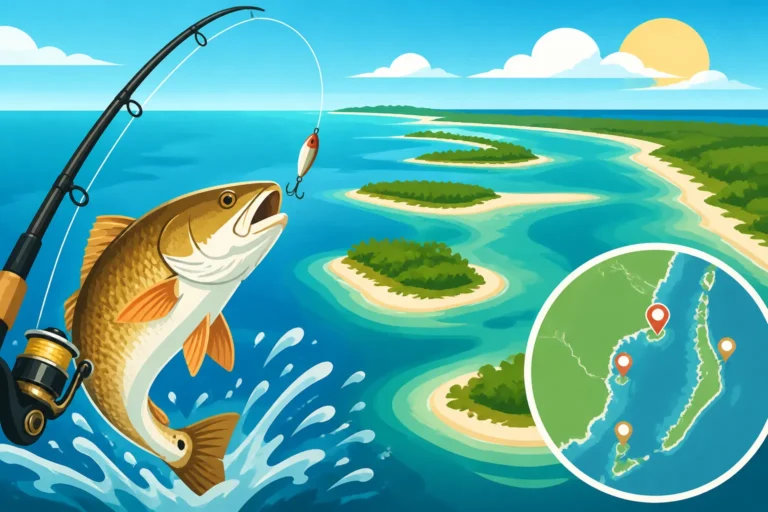
The Mississippi Sound is a unique estuarine system, stretching approximately 90 miles along the Mississippi Gulf Coast, from the Pearl River to Mobile Bay. It’s protected from the full force of the Gulf of Mexico by a chain of barrier islands: Cat Island, Ship Island, Horn Island, East Ship Island (which is technically part of Ship Island now after a hurricane), Petit Bois Island, and Dauphin Island (part of Alabama). These islands are crucial, acting as natural breakwaters, creating the calmer, shallower waters that define the Sound. The average depth is relatively shallow, often ranging from 10 to 15 feet, though deeper channels and holes exist.
The Sound is also fed by several significant rivers, including the Pascagoula River, Biloxi River, Tchoutacabouffa River, and Wolf River, which all contribute freshwater inflow and nutrients. This freshwater influx, particularly after heavy rains, can significantly impact salinity levels and fish behavior. The numerous bayous, marshes, and tidal creeks branching off the main Sound provide incredible habitat, acting as nurseries for juvenile fish and offering sheltered feeding grounds for larger predators. Knowing these hidden nooks and crannies is often the key to finding concentrations of fish, especially when the main Sound is rough.
Water Conditions and Tides
Water conditions in the Mississippi Sound are a constant dance between freshwater runoff and saltwater intrusion from the Gulf. Salinity levels can fluctuate dramatically depending on rainfall, river discharge, and tidal cycles. The eastern portion of the Sound, closer to Mobile Bay, generally tends to be saltier, while the western end, near the Pearl River, often experiences lower salinity. Fish, particularly speckled trout and redfish, are highly sensitive to these changes and will move to find their preferred salinity levels. A sudden drop in salinity after a heavy rain might push saltwater species further out towards the barrier islands, while prolonged dry spells could draw them further into the bays and bayous.
Tides are arguably the single most important factor when fishing the Mississippi Sound. Unlike some areas with very strong tidal currents, the tides here are typically diurnal or mixed diurnal, meaning one high and one low tide per day, or two highs and two lows of unequal heights. The movement of water, whether incoming or outgoing, creates currents that stir up baitfish and crustaceans, making them easier targets for predators. Strong moving tides are almost always better for fishing than slack tides. Many local anglers prefer fishing during a strong outgoing tide, as it flushes bait out of the marshes and into ambush points like bayou mouths, oyster reefs, or deeper channels. Conversely, an incoming tide can push bait into these same areas, especially grass flats. Understanding and timing your fishing around the tides is paramount to success here.
Premier Fishing Spots within the Mississippi Sound
The beauty of the Mississippi Sound lies in its diverse array of fishing environments. From shallow, murky bayous to clear, sandy flats near the barrier islands, there's a spot for every angler and every target species. Knowing where to go, and when, is crucial for a successful trip.
Inshore Hotspots
When it comes to inshore fishing in the Mississippi Sound, you’re looking at a vast network of productive areas. The primary bays, such as Biloxi Bay, Bay St. Louis, and Pascagoula Bay, are often the first places anglers head. These bays are massive, offering a mix of habitats including oyster reefs, grass beds, and deep channels. Oyster reefs, submerged or visible, are absolute magnets for speckled trout and redfish because they provide structure, food, and ambush points. They are particularly productive during outgoing tides when bait is washed off the reefs.
Beyond the main bays, the countless bayous and marsh systems are goldmines, especially for redfish. Areas like the Back Bay of Biloxi, the Jourdan River, and the Pascagoula River marsh system are legendary. These areas offer sheltered waters, abundant bait, and plenty of shallow flats where redfish love to cruise, particularly on an incoming tide when they can root around for crabs and shrimp. Look for points, creek mouths, and areas where marsh grass meets deeper water. These transition zones are often prime ambush spots. Don't forget the numerous pier fishing options available across the coast, from the Biloxi Fishing Pier Guide to smaller municipal piers that offer great bank access to the Sound's offerings.
Nearshore Structures
While the inshore marshes and bays are fantastic, the Mississippi Sound also boasts a significant number of nearshore structures that hold fish. The most prominent are the artificial reefs and numerous bridges spanning the Sound. The Biloxi Bay Bridge, Bay St. Louis Bridge, and Pascagoula River bridges are famous for holding schooling speckled trout, especially during cooler months. Fish congregate around the pilings, feeding on baitfish that seek shelter or are disoriented by the current. Fishing these bridges requires careful boat handling and often a powerful trolling motor to stay in position against the current, but the rewards can be substantial.
Beyond bridges, the Mississippi Gulf Coast has a fantastic artificial reef program. These reefs, made up of concrete rubble, culverts, and even old boats, create complex habitats on the otherwise flat bottom of the Sound. They attract baitfish, which in turn attract larger predators like redfish, sheepshead, flounder, and even an occasional cobia or tripletail during their migration. Many of these reefs are publicly marked and their coordinates are available from the Mississippi Department of Marine Resources (MDMR). Anglers often use their fish finders to locate the structure and then drop live bait or artificial jigs down to target the fish holding tight to the bottom. For a more comprehensive overview, check out our Mississippi Gulf Coast Fishing Guide.
Barrier Island Fishing
The barrier islands—Cat Island, Ship Island, Horn Island, and Petit Bois Island—offer a distinct fishing experience, often characterized by clearer, saltier water and different species opportunities. These islands are accessible primarily by boat, and the journey itself can be part of the adventure. The north sides of the islands, facing the Sound, feature expansive grass flats, sandy bottoms, and scattered oyster reefs. These areas are fantastic for sight fishing for redfish on calm days, especially around the edges of the grass. Speckled trout also frequent these flats, particularly during spring and fall when baitfish are abundant.
The passes between the islands and the deeper cuts often hold larger speckled trout and redfish, as well as migratory species that venture further into the Sound. For instance, the pass between Horn Island Fishing Guide and Ship Island can be incredibly productive. When fishing around the barrier islands, paying attention to the tide is even more critical, as the current can be quite strong in the passes. Look for eddies and current breaks where fish can lie in wait. Additionally, the surf on the Gulf side of these islands, while technically outside the Sound, can offer excellent opportunities for pompano, whiting, and even large bull redfish, especially during the spring and fall runs. Remember to check local regulations before heading out, especially for species specific to these areas, such as the Mississippi Redfish and Speckled Trout Limits.
Targeted Species and Seasonal Opportunities
The Mississippi Sound is a rich fishery, offering a diverse array of species throughout the year. Knowing what to target and when will significantly improve your chances of a successful outing. The seasonal movements and feeding patterns of these fish are heavily influenced by water temperature, salinity, and the availability of bait.
Redfish and Speckled Trout
These two species are, without a doubt, the most sought-after game fish in the Mississippi Sound. Redfish (also known as red drum) are renowned for their powerful fights and willingness to hit a variety of baits and lures. They thrive in the brackish marshes, shallow bays, and oyster-laden areas. While you can catch redfish year-round, the spring and fall months, when water temperatures are mild, are often considered prime time. During these periods, redfish are actively feeding in the shallows. Look for them cruising grass flats on incoming tides, tailing in extremely shallow water, or ambushing bait around oyster reefs and creek mouths. Live shrimp, finger mullet, and crab are excellent baits, as are soft plastic jigs (like those from Vudu Shrimp or Matrix Shad) and topwater plugs. For specific size and bag limits, always consult the Redfish Slot Limit on the Mississippi Gulf Coast.
Speckled trout (or spotted seatrout) are another fan favorite, prized for their delicate fillets and aggressive strikes. Like redfish, they are present year-round, but their behavior changes with the seasons. Spring sees them moving into the bays and marsh guts to spawn, offering fantastic fishing opportunities. During summer, they often move to deeper grass flats and nearshore structures, feeding heavily on shrimp and baitfish. Fall brings them back into the bayous and rivers as they follow baitfish schools. Winter can be challenging but rewarding, as large "gator" trout can be found congregating in deep holes, bayou bends, and around bridge pilings. Live shrimp under a popping cork is an iconic and incredibly effective method for speckled trout, but they also readily strike artificial lures such as soft plastics, topwater plugs in low light, and suspending twitch baits. For comprehensive information on regulations, see the Speckled Trout Size Limit in Mississippi.
Flounder, Sheepshead, and Other Bottom Dwellers
Beyond the "glamour" species, the Mississippi Sound offers excellent opportunities for various bottom-dwelling fish that are both fun to catch and delicious to eat. Flounder are masters of camouflage, lying in wait on sandy or muddy bottoms, ready to ambush unsuspecting baitfish or shrimp. They are most active during the cooler months, particularly in late fall and early spring, when they migrate through the passes and inlets. Look for them on sandy flats, around oyster reefs, and near bridge pilings. Live shrimp, small finger mullet, or artificial soft plastics jigged slowly along the bottom are prime choices for these tasty flatfish.
Sheepshead, often called "convict fish" due to their striped appearance, are structure-oriented fish known for their powerful bite and knack for stealing bait. They have human-like teeth adapted for crushing shellfish, so natural baits like fiddler crabs, barnacles, or shrimp are irresistible. You'll find them around bridge pilings, jetties, oyster reefs, and any other hard structure. They are available year-round but are particularly abundant during the cooler months when they school up. Fishing for sheepshead requires patience and a quick hookset to avoid missing their subtle bite. Other bottom dwellers like black drum and croaker also frequent these areas, adding variety to your catch.
Migratory Species
While the Mississippi Sound is primarily known for its inshore residents, certain migratory species make appearances, adding an exciting dimension to the fishery. Spanish mackerel are a prime example, often entering the Sound and nearshore waters in large schools during late spring and summer. These toothy predators are fast-moving and aggressive, hitting fast-retrieved spoons, Gotcha plugs, and small live baits. They're often found chasing baitfish schools in open water or around the passes and barrier islands. When a Spanish mackerel bite is on, the action can be furious and fast-paced.
Tripletail are another prized migratory species that graces the Mississippi Sound, typically from spring through fall. These unique-looking fish are often found near floating debris, crab trap floats, buoys, or even underneath navigation markers. They are known for their strong fight and excellent table fare. Targeting tripletail usually involves sight fishing; slowly cruising the water and casting live shrimp or small jigs to fish spotted "lying" near structure. Cobia, though more often caught slightly offshore, will occasionally venture into the deeper portions of the Sound, especially around the barrier islands or prominent deep structures, during their spring and fall migrations. These powerful fish are sought after for their fighting ability and delicious meat. If you're looking to book a trip for these species, platforms like FishingBooker can connect you with experienced captains who specialize in targeting these migratory giants at the right time of year.
Essential Techniques and Tackle for Mississippi Sound Fishing
Success in the Mississippi Sound isn't just about knowing where the fish are; it's about presenting your bait or lure effectively and having the right gear to handle the fight. From the subtle art of jigging to the precise cast of a topwater, mastering these techniques will elevate your angling game.
Baits and Lures
Choosing the right bait or lure is often the most critical decision an angler makes. For the Mississippi Sound, versatility is key. Live bait is almost always a surefire bet, especially live shrimp. It's the universal currency of the Sound, appealing to virtually every species, from speckled trout and redfish to flounder and sheepshead. You can fish live shrimp under a popping cork, on a Carolina rig, or simply free-lined. Live minnows, such as finger mullet or mud minnows, are also highly effective, particularly for redfish and larger trout. Cast netting your own bait is a great way to save money and ensure freshness.
Artificial lures have also come a long way and can be incredibly effective, especially for covering more water or when bait is scarce. Soft plastic jerkbaits and paddle tails, often rigged on a jighead, are perhaps the most popular artificial lures. Brands like Matrix Shad, Vudu Shrimp, and H&H Lures offer a wide array of colors and sizes. Chartreuse, white, and clear with glitter are perennial favorites. Topwater plugs, like those from Heddon Super Spook or MirrOlure, are electrifying during low-light conditions (dawn, dusk, overcast days) or when fish are actively feeding on the surface. They demand a specific walk-the-dog retrieve but often elicit explosive strikes from large speckled trout and redfish. For fishing deeper, especially around structures, metal spoons or heavy jigging spoons can tempt aggressive fish.
Rods, Reels, and Line
Having the appropriate gear makes a world of difference in the Mississippi Sound. You need a setup that's versatile enough to handle both the subtle bite of a sheepshead and the powerful run of a bull redfish. For most inshore and nearshore applications, a medium-light to medium power spinning rod, typically 6'6" to 7'6" in length, is ideal. This rod length provides good casting distance while still allowing for accurate presentations in tight quarters. A fast action tip is preferred, as it enhances sensitivity and allows for quick hooksets.
Pair your rod with a reliable spinning reel in the 2500 to 3000 series size. Brands like Shimano or Daiwa offer excellent durability and smooth drag systems, which are essential when fighting strong fish. For line, braided line in the 10-20 lb test range is a popular choice. Its thin diameter allows for longer casts, and its zero stretch provides incredible sensitivity, letting you feel even the lightest taps. Always tie on a fluorocarbon leader (20-30 lb test) to your braided main line. Fluorocarbon is nearly invisible underwater, providing a stealthy presentation, and its abrasion resistance protects your main line from sharp oyster shells, fish teeth, and other underwater hazards. This combination offers the best of both worlds: strength and sensitivity with a subtle presentation.
Rigging Strategies
Effective rigging is crucial for presenting your bait or lure naturally and maximizing your chances of a hookup. One of the most common and effective rigs for live shrimp in the Sound is the popping cork rig. This involves tying a leader (typically 18-30 inches of fluorocarbon) from the main line to a jighead or kahle hook, with a popping cork positioned above it. The popping cork creates a "chugging" sound when retrieved, mimicking a feeding shrimp or baitfish, which attracts predators. It's especially effective over grass flats or along oyster reefs.
For fishing near the bottom, especially around deeper channels, structures, or when targeting flounder and sheepshead, a Carolina rig is your best friend. This rig consists of an egg sinker threaded onto your main line, followed by a bead (to protect the knot), a swivel, and then a 12-36 inch fluorocarbon leader tied to a hook. The sinker allows your bait to stay on the bottom while the free-moving leader gives your bait a natural presentation. For artificial soft plastics, simply threading them onto a lead jighead (typically 1/8 oz to 1/2 oz, depending on depth and current) is often all you need. The weight of the jighead helps with casting and allows the lure to sink to the desired depth, with the angler imparting action through lifts and drops of the rod. Understanding these basic rigging strategies will allow you to adapt to different conditions and target various species more effectively.
Navigating Regulations and Best Practices
Fishing the Mississippi Sound is not just about catching fish; it's also about doing it responsibly and legally. Understanding and adhering to the regulations set by the Mississippi Department of Marine Resources (MDMR) is critical for sustainable fishing and avoiding costly penalties. It’s also about adopting best practices that ensure the health of the fishery for generations to come.
Licensing Requirements
Before you even think about casting a line in the Mississippi Sound, you need to make sure you have the proper fishing license. For saltwater fishing in Mississippi, all residents between the ages of 16 and 64 are required to possess a valid Mississippi saltwater fishing license. Non-residents, regardless of age (unless specifically exempt), must also purchase a non-resident saltwater fishing license. There are various options available, including annual licenses, 7-day licenses, and even lifetime licenses, depending on your residency and how often you plan to fish. You can easily purchase these online through the MDMR website, at local tackle shops, or at licensed vendors. It's a small price to pay for the incredible fishing opportunities here, and it directly supports the conservation efforts that keep our waters healthy. For a full breakdown, refer to our Mississippi Saltwater Fishing License Guide.
It's important to carry your license with you while fishing, as game wardens frequently patrol the Sound. Failing to have a valid license can result in fines and potentially confiscation of your gear. If you’re fishing with a charter captain, it's worth noting that some charters include the license as part of their package, but it's always best to confirm this beforehand. Even if they provide a boat license, individual anglers may still need their own personal license depending on the type of charter and specific regulations. When looking for a charter, platforms like FishingBooker often detail what's included in the trip, making it easier to determine if you need to purchase a separate license.
Creel and Size Limits
Mississippi has specific creel (daily bag) and size limits for various species to ensure healthy fish populations. These regulations are designed to prevent overfishing and protect juvenile fish, allowing them to grow to maturity and reproduce. For popular species like speckled trout and redfish, these limits are strictly enforced. For example, speckled trout typically have a minimum size limit and a daily bag limit per angler, though these can change based on scientific assessments and fishery health. Redfish often have a slot limit, meaning you can only keep fish within a certain size range, with a lower and upper limit, and a daily bag limit. This protects both juvenile and large breeding-size fish.
It's crucial to stay informed about the most current regulations, as they can sometimes be updated. The MDMR website is the official source for all Mississippi Fishing Creel and Size Limits. Always measure your fish carefully upon catching them. Carrying a reliable measuring device is essential. Ignorance of the law is not an excuse, and game wardens do not hesitate to issue citations for violations. These regulations are in place for a reason – to preserve the fantastic fishing we all enjoy in the Mississippi Sound, ensuring there are plenty of fish for future generations of anglers.
Conservation and Ethical Angling
Beyond legal compliance, ethical angling practices are paramount in maintaining a healthy fishery. Practicing catch and release, especially for oversized "bull" redfish or undersized trout, is a fantastic way to contribute to conservation. If you do plan to release fish, handle them gently. Minimize their time out of the water, use appropriate tools like de-hookers to remove hooks quickly, and support their body weight when releasing them back into the water, particularly larger fish. Avoid excessive handling or dropping fish onto hard surfaces.
Additionally, respecting the environment is part of ethical angling. This means properly disposing of all trash – line, bait containers, food wrappers – and never littering the beautiful waters and shorelines of the Sound. Avoid disturbing sensitive habitats like oyster beds or seagrass flats, especially with prop wash, which can damage these vital ecosystems. If you're using a fishing guide or charter found on FishingBooker, most reputable captains are strong advocates for conservation and will guide you on best practices for handling and releasing fish properly. By following these guidelines, we can all do our part to ensure the Mississippi Sound remains a vibrant and productive fishing destination for years to come.
Premier Fishing Spots in the Mississippi Sound
| Fishing Spot Area | Primary Target Species | Best Seasons | Typical Habitat | Notes |
|---|---|---|---|---|
| Biloxi Bay | Speckled Trout, Redfish, Flounder, Sheepshead | Spring, Fall, Summer | Oyster reefs, grass flats, bridge pilings | Excellent year-round, high boat traffic. |
| Bay St. Louis | Speckled Trout, Redfish, Flounder, White Trout | Spring, Fall, Summer | River mouths, bridge pilings, marsh edges | Great after rain, often less crowded. |
| Pascagoula Bay Marsh | Redfish, Speckled Trout, Flounder, Catfish | Spring, Fall, Summer | Extensive marsh, bayous, river mouths | Remote, incredibly productive for redfish. |
| Horn Island / Ship Island | Speckled Trout, Redfish, Spanish Mackerel, Pompano | Spring, Summer, Fall | Sandy flats, grass beds, surf | Clearer water, requires boat access. |
| Nearshore Artificial Reefs | Redfish, Sheepshead, Flounder, Black Drum | Year-round (species vary) | Submerged structures, hard bottom | Use fish finder to locate, drop bait/jigs. |
| Gulfport & Long Beach Piers | Speckled Trout, Redfish, Flounder, Croaker | Year-round | Pier pilings, artificial reefs, sand | Accessible bank fishing, popular. |
Disclaimer
The information provided in this guide is for general informational purposes only and is subject to change. Fishing regulations, seasons, and limits are determined by the Mississippi Department of Marine Resources (MDMR) and can be updated at any time. Always consult the official MDMR website or publications for the most current and accurate regulations before heading out on the water. Following all applicable laws is the responsibility of each angler.