Neshoba County Lake Fishing Guide
It can be incredibly frustrating to hear whispers about a fantastic local fishing spot, only to find sparse, outdated information when you try to plan your own trip. Many anglers in Mississippi know the struggle of wanting to explore smaller, often overlooked gems like Neshoba County Lake, but without a reliable guide, it feels like stumbling in the dark. This comprehensive guide aims to shed light on everything you need to know about Neshoba County Lake, from its prime fishing opportunities and the species you'll encounter to the best techniques, access points, and essential regulations, helping you unlock its full potential.
Unveiling Neshoba County Lake's Fishing Potential
Nestled in the heart of East Central Mississippi, Neshoba County Lake offers a quieter, more intimate fishing experience compared to the sprawling major reservoirs. It's one of those spots that locals cherish, often providing a peaceful escape and consistent action for various popular game fish. If you're looking to get away from the crowds and enjoy a productive day on the water, this serene lake is definitely worth exploring.
Location and General Characteristics
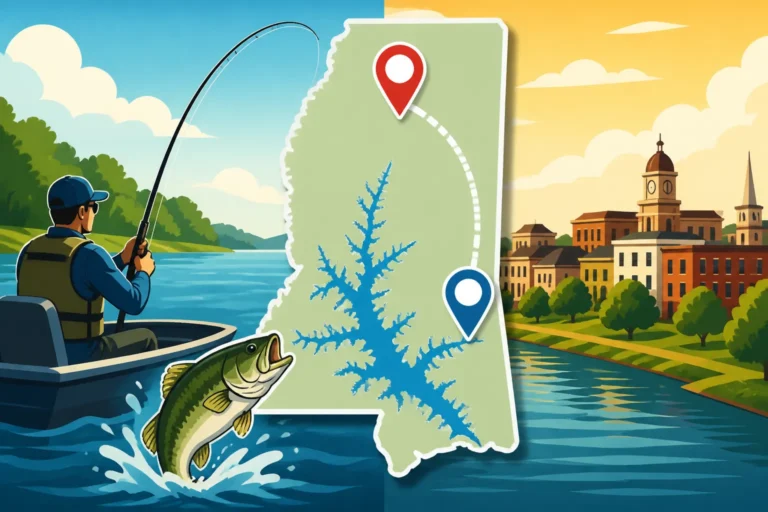
Neshoba County Lake is conveniently located just north of Philadelphia, Mississippi, making it an accessible retreat for anglers in the region. It’s part of the Mississippi Department of Wildlife, Fisheries, and Parks (MDWFP) State Lake system, which means it benefits from active management and stocking programs designed to enhance the fishing experience. Covering approximately 120 acres, it's not a massive body of water, but don't let its size fool you; it holds a surprising amount of fish and offers diverse habitats for them to thrive. The lake's relatively calm waters and picturesque surroundings create an inviting atmosphere for both seasoned anglers and families looking for a relaxing day out. Its shoreline is typically well-maintained, with a mix of natural vegetation, some submerged timber, and brush piles strategically placed by the MDWFP to provide excellent fish habitat.
History and Management
The MDWFP has a long-standing commitment to managing Mississippi's state lakes, and Neshoba County Lake is no exception. These lakes are specifically designed and managed to provide quality public fishing opportunities. Over the years, Neshoba County Lake has seen various stocking efforts, primarily focusing on popular species like largemouth bass, bluegill, redear sunfish (often called shellcrackers), and channel catfish. These consistent stocking programs, combined with habitat improvement projects, ensure a healthy and sustainable fishery. The department regularly monitors fish populations, water quality, and angler catch rates to make informed decisions about future management strategies. This hands-on approach is crucial for maintaining the lake's reputation as a reliable fishing destination, ensuring that each visit offers a fair chance at a good catch. Knowing that the lake is actively managed can give anglers confidence that their efforts will be rewarded.
Dominant Fish Species and What You'll Find
Neshoba County Lake might not be as famous for trophy bass as some of the larger reservoirs, but it certainly holds its own when it comes to a variety of popular game fish. Anglers here can expect a well-rounded experience, whether they're after a feisty bass, a cooler full of crappie, or a stringer of catfish and bream. Each species presents its own unique challenges and rewards, making every trip to Neshoba County Lake an adventure.
Chasing Crappie in Neshoba's Waters
Crappie fishing is a beloved pastime across Mississippi, and Neshoba County Lake offers some decent opportunities for both black and white crappie. While not necessarily known for record-breaking slabs, anglers frequently pull in respectable numbers of pan-sized crappie, perfect for a fish fry. These fish often congregate around submerged brush piles, standing timber, and deeper creek channels, especially during the colder months. In spring, when the crappie move shallow to spawn, they can be found in coves and around shoreline structure. Many anglers employ vertical jigging with small jigs or live minnows suspended under a bobber to target these schooling fish. Understanding Mississippi Crappie Regulations by Lake is crucial, as specific size and creel limits can vary, even for state lakes, though Neshoba typically follows statewide guidelines.
For crappie, a light action rod and reel combo spooled with 4-6 pound test line is ideal. Popular baits include 1/16 to 1/8 ounce jigs in chartreuse, black and chartreuse, or white, tipped with a small plastic grub or a live minnow. In the cooler months, locating the deeper brush piles with a fish finder becomes paramount. During the spring spawn, casting towards visible structure like fallen trees or lily pads can yield excellent results. It's not uncommon to find several crappie in the same spot once you've located a productive brush pile, offering consistent action throughout your outing.
Battling Bass: Largemouth Opportunities
Largemouth bass are the undisputed kings of freshwater fishing for many, and Neshoba County Lake provides a healthy population of these aggressive predators. While the lake may not consistently produce double-digit monsters, it's certainly capable of yielding solid 2-4 pound bass, with occasional larger surprises. Anglers targeting Largemouth Bass Fishing in Mississippi at Neshoba will find them relating to the usual suspects: submerged timber, weed lines, lily pads, and any form of cover that offers ambush points. The MDWFP actively manages the bass population, often implementing specific regulations to foster a healthy size distribution.
Spring and fall are typically the most productive seasons for bass, as they become more active and feed aggressively. In spring, they'll be shallow, preparing to spawn or guarding beds, making them vulnerable to spinnerbaits, crankbaits, and soft plastics like Texas-rigged worms. During the hot summer months, bass will often retreat to deeper, cooler waters or seek shade under docks and overhanging trees, requiring anglers to adjust their tactics to deep diving crankbaits, jigs, or slow-fished plastic worms. Topwater lures can be incredibly exciting during low-light conditions in summer. Always remember to check Mississippi Fishing Regulations Explained before you head out, as even small lakes can have specific rules.
Catfish and Bream: Consistent Bites
If you're looking for consistent action and a great meal, Neshoba County Lake's catfish and bream populations are truly outstanding. The lake is regularly stocked with channel catfish, and anglers can expect to catch good numbers of eaters, ranging from 1 to 5 pounds, with larger specimens occasionally caught. Catfish Fishing in Mississippi here is often a straightforward affair, making it a fantastic option for families and beginner anglers. Bream, which include bluegill and redear sunfish, are incredibly abundant and offer non-stop fun on light tackle. For many, a day of Bream and Bluegill Fishing in Mississippi on a small lake like Neshoba is the epitome of relaxed, enjoyable fishing.
For catfish, stink baits, chicken livers, cut bait, or even simple worms fished on the bottom are highly effective. You can target them near deeper channels, along the dam, or in areas with submerged structure. A medium-action rod with 10-15 pound test line will handle most of the catfish you encounter. For bream, ultra-light spinning gear or even a cane pole is perfect. Small crickets, worms, or tiny jigs (1/32 to 1/64 ounce) fished under a bobber near any shoreline vegetation, docks, or brush piles will keep you busy. The bite is usually aggressive, and it’s a wonderful way to introduce children to the joys of fishing. These species are present year-round, though their feeding patterns will shift with water temperature and season.
Here’s a quick overview of what you might expect to catch at Neshoba County Lake:
| Species | Common Size Range (lbs) | Best Season | Preferred Habitat | Effective Baits/Lures |
|---|---|---|---|---|
| Largemouth Bass | 1-5 | Spring, Fall | Submerged timber, weed lines, lily pads | Spinnerbaits, jigs, plastic worms, crankbaits |
| Crappie | 0.5-1.5 | Spring, Winter | Brush piles, standing timber, creek channels | Live minnows, small jigs (chartreuse, white) |
| Channel Catfish | 1-5 | Year-round | Deep channels, bottom structure, dam area | Stink bait, chicken liver, cut bait, worms |
| Bluegill | 0.2-0.75 | Spring, Summer | Shallow vegetation, docks, brush piles | Crickets, worms, small jigs |
| Redear Sunfish | 0.5-1.0 | Spring, Summer | Shallow firm bottoms, around structure | Worms, small jigs |
Masterful Techniques for Neshoba County Lake Success
To truly excel at Neshoba County Lake, it helps to understand how the fish behave throughout the year and what tools will give you the best edge. This lake, like any other, has its nuances, and adapting your strategy to the conditions and the specific species you’re targeting will lead to more successful and enjoyable outings. Don't be afraid to experiment!
Seasonal Strategies and Preferred Baits
The changing seasons dictate the fish's behavior at Neshoba County Lake, and adjusting your approach accordingly is key. In Spring, as water temperatures rise, fish become incredibly active. This is prime time for crappie to move shallow for their spawn, making them accessible to bank anglers and boaters alike. Look for them in coves and shallow pockets with brush. Bass will also be shallow, either pre-spawn feeding, spawning, or guarding fry. Focus on points, shallow flats, and any emerging vegetation. For both crappie and bass, live minnows, small jigs, spinnerbaits, and shallow-diving crankbaits are excellent choices. Bream will also start their spawning cycles in late spring, making crickets and worms irresistible.
During the Summer, as temperatures soar, fish tend to move deeper to seek cooler water and oxygen. Bass might be found suspended over deeper structure or tucked into dense cover. Early mornings and late evenings offer the best topwater action. Crappie will retreat to deeper brush piles, making them harder to find without electronics. Catfish, however, remain quite active throughout the summer, especially in low-light conditions or after a good rain. Bottom fishing with cut bait or nightcrawlers is often productive. For bream, target shady spots or deeper vegetation.
Fall brings a resurgence of activity as water temperatures cool and fish begin to feed heavily in preparation for winter. This is a fantastic time for both bass and crappie. Bass will chase baitfish schools, making spinnerbaits, crankbaits, and jerkbaits highly effective. Crappie will often move to main lake creek channels and suspend around baitfish schools. Trolling small jigs or minnows can be very productive. Catfish continue to bite well on traditional baits.
Winter fishing can be slower, but it offers the chance for some quality catches if you know where to look. Crappie will school tightly in deep water, often near brush piles or creek channels. Slow vertical jigging with minnows or tiny jigs is the go-to method. Bass will be sluggish and hold tight to structure; slow-moving baits like jigs, spoons, or blade baits can entice a bite. Catfish will also be deeper but can still be caught with persistent effort. Remember to dress warmly and focus on the warmest parts of the day. For more general advice on when to hit the waters, check out our guide on the Best Time of Year to Fish in Mississippi.
Equipment Recommendations for Lake Anglers
Choosing the right equipment doesn't have to be complicated or expensive, but having appropriate gear will certainly enhance your fishing experience at Neshoba County Lake.
For Crappie, a light to ultra-light spinning rod, typically 6-7 feet long, paired with a small spinning reel spooled with 4-6 pound monofilament or fluorocarbon line is perfect. This setup allows for sensitive feel, crucial for detecting subtle crappie bites, and handles the small jigs and minnows effectively. A good selection of small lead head jigs (1/16 to 1/8 oz) in various colors (chartreuse, white, black/chartreuse) and a dozen live minnows will cover most situations.
Largemouth Bass anglers will benefit from a medium-heavy action casting or spinning rod, 6'6" to 7'6" in length. A baitcasting reel spooled with 12-17 pound fluorocarbon or monofilament is versatile for most techniques, while a spinning reel with 8-12 pound line works well for finesse presentations. A tackle box stocked with a variety of lures, including spinnerbaits, chatterbaits, plastic worms (Texas-rigged and wacky-rigged), jigs, and crankbaits covering various depths, will ensure you're ready for any bass scenario.
For Catfish and Bream, simplicity often reigns. A medium-action spinning rod (7 feet) with 10-15 pound monofilament is ideal for catfish, allowing you to cast heavier baits and handle larger fish. For bream, an ultra-light spinning combo or even a classic cane pole with 4-6 pound test line is incredibly fun and effective. Basic terminal tackle like hooks (size 4-6 for bream, 1/0-3/0 for catfish), split shot weights, and bobbers are essential. Live bait like crickets and worms are almost guaranteed to get bites from bream, while chicken livers, hot dogs, or stink baits work wonders for catfish.
Accessing the Lake and Making the Most of Your Visit
Getting to Neshoba County Lake is fairly straightforward, but knowing the specifics about access points and local conveniences can make your trip much smoother. It’s always a good idea to arrive prepared, especially when visiting a smaller, more remote lake.
Boat Launch Facilities and Bank Fishing Spots
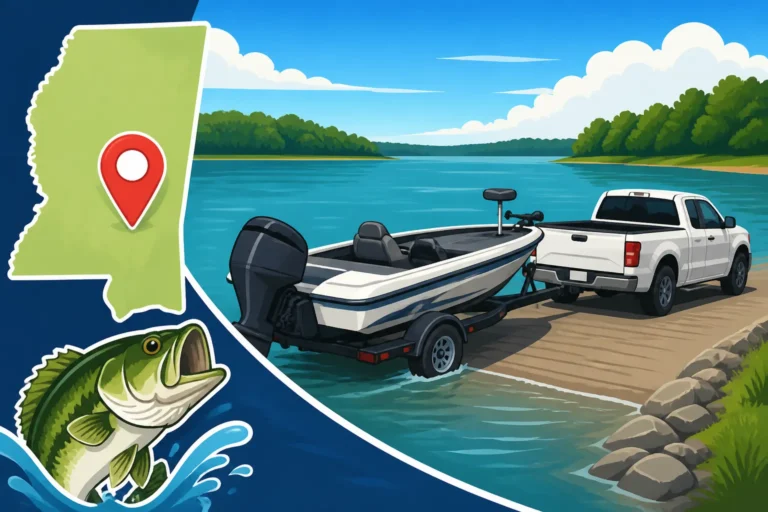
Neshoba County Lake offers a well-maintained concrete boat ramp, suitable for launching most fishing boats, from bass boats to smaller jon boats and kayaks. The ramp provides easy access to the main body of the lake, making it convenient for those who prefer to fish from a boat. There's typically ample parking available for vehicles with trailers. Keep in mind that as a state lake, there will be a small entrance fee to access the facilities, often paid at a gatehouse or an honor box. This fee helps fund the lake's maintenance and stocking programs.
For those who prefer to fish from shore, Neshoba County Lake also boasts several accessible bank fishing areas. The lake features a fishing pier, which is a fantastic spot for anglers of all ages and skill levels, especially for targeting bream and catfish. The pier often extends into deeper water, providing access to fish that might otherwise be out of reach for bank anglers. Additionally, various sections of the shoreline are kept clear for bank fishing, offering opportunities to cast for bass and crappie, especially during the spring spawn when fish move shallow. These bank fishing spots are great for families or individuals without a boat.
On-Site Amenities and Nearby Conveniences
While Neshoba County Lake provides a tranquil escape, it's also equipped with basic amenities to ensure a comfortable visit. Expect to find clean restroom facilities near the main access points, which is always a welcome convenience. Picnic tables are often available, making it a perfect spot for a lakeside lunch with the family after a morning of fishing. Some state lakes may offer primitive camping spots, though it's always best to confirm directly with the MDWFP or the lake manager for specific camping availability at Neshoba County Lake.
For anything beyond the immediate lake amenities, the city of Philadelphia is just a short drive away. There, you'll find everything you might need: bait and tackle shops (like Walmart, or local small businesses), grocery stores for snacks and drinks, gas stations, and a variety of dining options. This proximity means you don't have to pack absolutely everything for your trip; a quick run into town can resupply you with anything you forgot. When planning your trip, consider checking out resources like FishingBooker for general information on Mississippi fishing trips, even if you’re focusing on a smaller lake, as it can offer insights into what other anglers are experiencing in the wider region.
Navigating Regulations and Ethical Angling
Understanding and adhering to fishing regulations isn't just about avoiding penalties; it's about protecting the resource for future generations and ensuring that everyone can continue to enjoy the fantastic fishing opportunities Neshoba County Lake provides. As a state-managed lake, there are specific rules in place that anglers must follow.
Key Fishing Regulations for Neshoba County Lake
First and foremost, anyone aged 16 to 64 wishing to fish in Mississippi's public waters, including Neshoba County Lake, must possess a valid Mississippi Fishing License Guide. This applies to both residents and non-residents. Beyond the state license, you'll also need a separate State Lake Permit to fish at Neshoba County Lake, as it falls under the MDWFP State Lake system. These permits are typically purchased at the lake's gatehouse or office.
While Neshoba County Lake generally follows statewide creel and size limits for most species, it is absolutely critical to check for any lake-specific regulations that the MDWFP might have implemented. Sometimes, certain lakes have special slot limits for bass or different daily creel limits for crappie to help manage the fish populations more effectively. These rules can change, so always consult the latest MDWFP fishing regulations guide, which is usually available online or at license vendors. For example, specific Mississippi Black Bass Regulations or Mississippi Catfish Regulations might apply. Failure to comply can result in fines and penalties, which nobody wants after a relaxing day of fishing. You can easily find information on Where to Buy a Mississippi Fishing License online or at various retailers.
Conservation Efforts and Responsible Practices
Fishing at Neshoba County Lake isn't just about catching fish; it's also about being a responsible steward of the environment. The MDWFP invests significant effort into maintaining healthy fish populations and habitats, and anglers play a vital role in supporting these efforts. Practicing catch-and-release, especially for larger breeding fish, can greatly contribute to the lake's ecological balance. If you do plan to keep fish, adhere strictly to all size and creel limits. Only take what you intend to eat and release the rest unharmed.
Beyond fish management, proper waste disposal is paramount. Always pack out everything you pack in, including fishing line, bait containers, and any other trash. Littering not only degrades the natural beauty of the lake but can also harm wildlife. Consider using environmentally friendly tackle whenever possible. Additionally, be mindful of other anglers and lake users; respect their space and contribute to a peaceful atmosphere. Being courteous and practicing ethical angling ensures that Neshoba County Lake remains a welcoming and productive spot for everyone, for many years to come. Thinking about the bigger picture, knowing How Mississippi Fishing License Fees Are Used can reinforce the importance of supporting these conservation programs.
Disclaimer
The information provided in this guide is for general informational purposes only and is subject to change. Fishing regulations, conditions, and lake amenities can vary. Always consult the official Mississippi Department of Wildlife, Fisheries, and Parks (MDWFP) website or current regulations guide for the most up-to-date and accurate information before planning your fishing trip to Neshoba County Lake. Fishing involves inherent risks, and personal safety should always be your top priority.