Mississippi Gulf Islands Fishing Spots
One of the biggest joys, and sometimes the biggest headaches, of fishing the Mississippi Gulf Coast is knowing exactly where to drop your line. With so much coastline and so many incredible opportunities, it can feel overwhelming trying to pinpoint the true hotspots. If you've been dreaming of escaping the crowded piers and discovering some truly pristine angling, then this guide to the Mississippi Gulf Islands fishing spots is precisely what you need to navigate these unique waters and reel in some unforgettable catches.
Why the Mississippi Gulf Islands Are a Premier Fishing Destination
The Mississippi Gulf Islands aren't just pretty stretches of sand; they're a dynamic, living ecosystem that creates an angler's paradise. For anyone who's ever fished a busy bayou or crowded bridge, the idea of vast, unspoiled waters where the fish genuinely thrive is incredibly appealing. These barrier islands, part of the Gulf Islands National Seashore, offer a distinct advantage for fishermen looking for both quantity and quality in their catch.
Unique Ecosystem and Biodiversity
What makes these islands so special for fishing is their incredibly diverse ecosystem. Think about it: you have the shallow, protected waters of the Mississippi Sound on one side, brimming with baitfish and providing crucial nurseries for juvenile game fish. Then, you have the deeper, more open Gulf waters just beyond the islands, acting as a highway for larger migratory species. This transition zone, with its seagrass beds, oyster reefs, channels, and sudden drop-offs, is a biological engine. These habitats provide ample food, shelter, and spawning grounds, which in turn attract a staggering variety of fish. From the popular redfish and speckled trout that stalk the flats to the powerful cobia and king mackerel that cruise the deeper edges, the biodiversity here is simply phenomenal. It’s a stark contrast to some overfished areas, offering a robust and healthy environment where fish populations can truly flourish. This rich environment supports everything from bottom-dwelling flounder to pelagic predators, ensuring there's almost always something biting.
Accessibility and Natural Protection
While these islands feel wonderfully remote, many are surprisingly accessible, especially for those launching from coastal towns like Biloxi, Gulfport, or Bay St. Louis. The islands themselves act as natural breakwaters, shielding the Mississippi Sound from the harshest conditions of the open Gulf. This means that even on days when the offshore chop might be too much for smaller boats, the waters inside the Sound and around the islands often remain calm enough for comfortable fishing. This natural protection is a huge benefit, extending the fishable days and providing a safer environment, particularly for families or less experienced boaters. You can often find launch points at local marinas, and even if you don't own a boat, numerous charter services operate in these areas. You might be surprised to learn how many fantastic Mississippi Gulf Coast Fishing Charters are available, making these prime fishing grounds reachable for everyone. The journey out to these islands becomes part of the adventure, a chance to truly disconnect and immerse yourself in the natural beauty of the Gulf Coast.
Exploring the Key Gulf Islands for Fishing
Each of Mississippi's major Gulf Islands offers its own unique charm and fishing opportunities. Knowing a bit about what each island brings to the table can help you plan your perfect trip, whether you're looking for solitude or a specific species. These aren't just sandbars; they are distinct angling territories waiting to be explored.
Horn Island: A Wilderness Angler's Dream
Horn Island, largely a designated wilderness area, is often considered the crown jewel for serious anglers and nature enthusiasts alike. It’s a pristine, uninhabited stretch of barrier island that provides an unparalleled feeling of solitude and untouched beauty. The fishing here is exceptional, precisely because it receives less pressure than more accessible spots. The eastern and western ends of the island, in particular, feature deep passes and channels that funnel baitfish and larger predators in and out of the Sound.
Anglers targeting speckled trout often find success drifting the grass flats on the Sound side, especially during cooler months. Redfish are nearly always present, cruising the shallow water around the numerous cuts and sandbars, particularly at higher tides. If you enjoy sight fishing, the clear waters around Horn Island can offer incredible opportunities. For those venturing a bit further offshore from the island, king mackerel and cobia can be found patrolling the deeper waters, especially near structure or changes in bottom contour. Access is primarily by private boat, and it’s important to be self-sufficient as there are no facilities on the island. Planning a trip to Horn Island means preparing for a true wilderness experience, which includes bringing everything you need and packing out everything you bring in.
Ship Island: History, Beaches, and Bites
Ship Island offers a fantastic blend of history, beautiful beaches, and excellent fishing, making it a popular choice for both anglers and general tourists. Unlike Horn Island, Ship Island has ferry service from Gulfport and Biloxi, making it much more accessible for those without private boats. While much of the activity centers around the historic Fort Massachusetts and the designated swimming areas, incredible fishing opportunities abound, often just a short walk or kayak paddle away from the main hub.
The ferry drop-off point often has a pier where you can find croaker, white trout, and even some smaller speckled trout or redfish, making it great for beginners or kids. However, the real angling treasures lie further down the island. The pristine surf on the Gulf side is a prime location for pompano, whiting, and often good-sized redfish, especially during the spring and fall migrations. On the Sound side, the extensive grass beds and scattered oyster reefs are magnets for speckled trout and flounder. If you’re visiting by private boat, you can explore the perimeter more thoroughly, looking for structure and baitfish activity. Remember that Mississippi Saltwater Fishing License Guide requirements still apply, even if you’re fishing from the beach or a pier on the island. Ship Island provides a unique chance to combine a relaxing day at the beach with some serious angling, offering something for every member of the family.
Cat Island: Diverse Habitats and Species
Cat Island is distinct among the Mississippi barrier islands due to its unusual "T" shape and incredibly diverse habitats, which translates into an equally diverse fishery. This island’s unique shape creates more protected bayous, marshy areas, and intricate shorelines compared to the more linear barrier islands. These features make it an exceptional spot for a wide range of inshore species.
The interior marsh areas and shallow bayous of Cat Island are phenomenal for speckled trout and redfish. Anglers can spend an entire day navigating these labyrinthine waters, casting soft plastics or live bait into potholes and along grass lines. The confluence of salt and brackish water also attracts species like flounder, black drum, and even some occasional freshwater species in areas where the salinity drops. The protected coves and shallow flats on the Sound side are perfect for wade fishing or kayak fishing, allowing anglers to stealthily approach feeding fish. On the Gulf side, the deeper cuts and the main passes can hold larger redfish, bull reds, and even some migratory species during their runs. Given its complexity, hiring a local guide or consulting Mississippi Gulf Coast Fishing Charters that specialize in Cat Island can dramatically improve your success, especially if it's your first time navigating its unique layout.
Petit Bois and Round Island: Remote Opportunities
For those truly seeking solitude and an even wilder experience, Petit Bois Island and Round Island offer remote, untouched fishing opportunities. Petit Bois Island, located further east towards the Alabama border, is another designated wilderness area. It’s generally considered the least visited of the major barrier islands, offering pristine fishing grounds with minimal human disturbance.
Similar to Horn Island, Petit Bois features excellent surf fishing on its Gulf side for pompano, whiting, and redfish. The extensive grass flats and channels on the Sound side are incredibly productive for speckled trout and flounder. Due to its remote nature, you'll need a reliable boat, plenty of fuel, and the knowledge to navigate potentially shallow waters. Round Island, while smaller and closer to the mainland (Pascagoula), also presents a more secluded option. Its shallow, protected waters are ideal for wading or kayak fishing for trout and redfish, particularly in the cooler months. These islands represent the true frontier of Mississippi Gulf Coast fishing, rewarding adventurous anglers with incredible catches and an unmatched sense of tranquility. Before heading out to these more remote locations, always check the Mississippi Fishing Regulations Explained to ensure you're compliant with all rules and limits, as enforcement can still occur in these pristine areas.
Targeting Specific Species Around the Islands
The Mississippi Gulf Islands are a veritable smorgasbord for anglers, offering opportunities to target a diverse array of fish. Understanding the habits and preferred habitats of the species you're after is key to a successful trip. It’s not just about showing up; it’s about knowing who you’re looking for and where they like to hang out.
Redfish and Speckled Trout Hotspots
Redfish and speckled trout are the undisputed kings of inshore fishing around the Mississippi Gulf Islands, and for good reason. They are plentiful, put up a fantastic fight, and are delicious table fare.
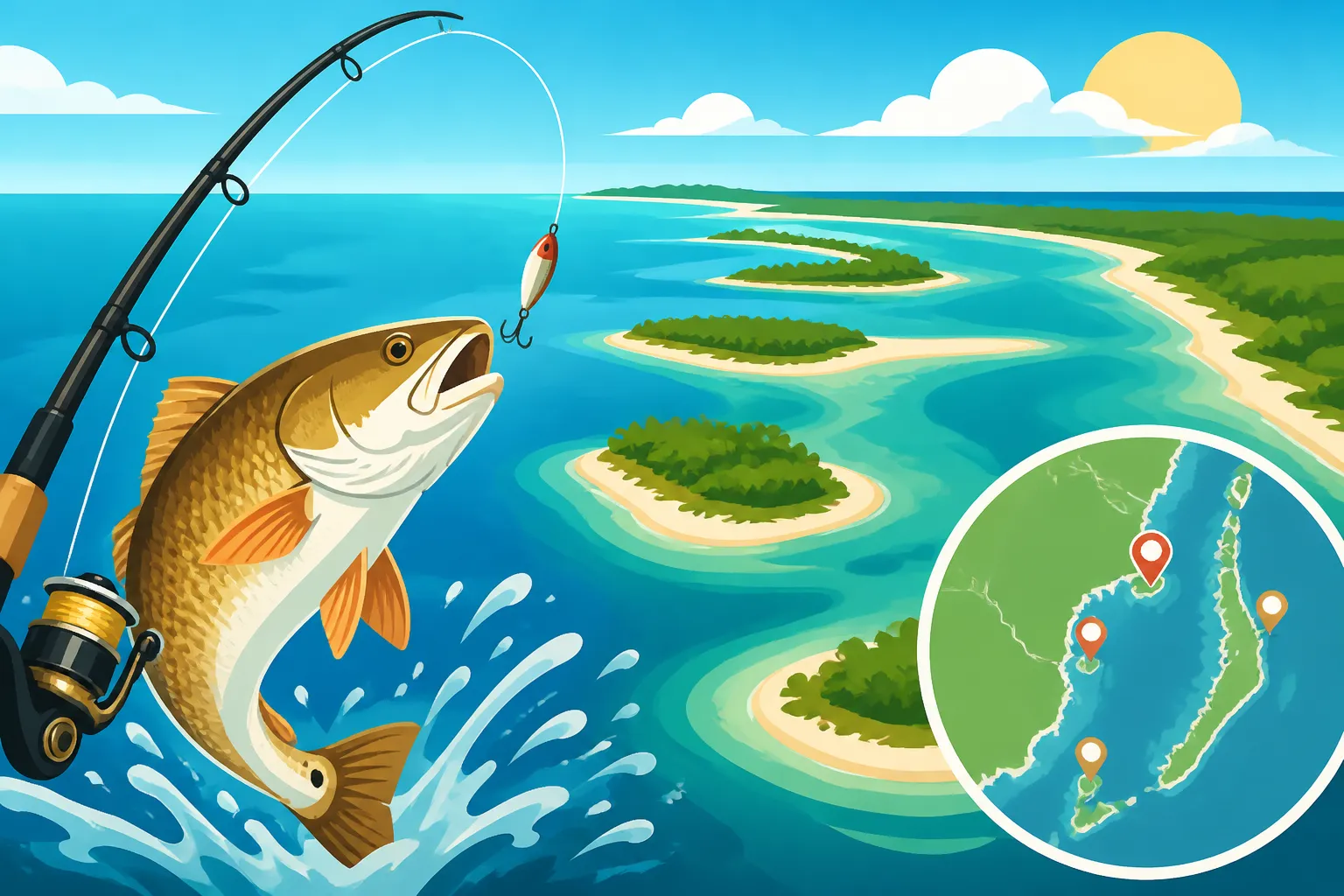
Redfish (Red Drum): These powerful fish are habitat generalists but truly thrive in the shallow waters around the islands. Look for them cruising the edges of seagrass beds, rooting around oyster reefs, and ambushing baitfish in sandy potholes. The key is often finding areas where baitfish (mullet, shrimp) are abundant and the tide is moving. On Horn Island and Cat Island, the interior marshy areas and vast shallow flats are incredible redfish hotspots. At lower tides, they'll often stack up in deeper channels or guts, while higher tides see them pushing into incredibly shallow water, sometimes with their tails poking out of the surface as they feed (tailing redfish). Casting weedless spoons, soft plastic jigs, or live shrimp and mullet near structure is a tried-and-true method. Remember that the Redfish Slot Limit on the Mississippi Gulf Coast is in place to protect these magnificent fish, so always be mindful of legal sizes.
Speckled Trout (Spotted Seatrout): Speckled trout are equally popular and tend to favor slightly deeper grass beds, shell bottoms, and areas with good current flow around the islands. They are ambush predators, often holding near structure or current breaks waiting for an unsuspecting meal. The Sound side of Ship Island, with its extensive grass flats, and the deeper channels around Horn Island are prime trout territory. They are particularly active during cooler months and in the early mornings or late evenings. Live shrimp under a popping cork is arguably the most effective method, but artificial lures like soft plastic grubs (Matrix Shad, Vudu Shrimp) and topwater plugs can be incredibly productive, especially during low light conditions. The Speckled Trout Size Limit in Mississippi helps maintain healthy populations, so understanding current regulations is essential. A common frustration is losing a trophy speckled trout right at the boat, but perseverance and a good net will often turn those heartbreaks into triumphs!
Flounder, Sheepshead, and Other Bottom Dwellers
While redfish and trout get a lot of the spotlight, the Gulf Islands also offer fantastic opportunities for a variety of other delicious bottom-dwelling species. These fish provide different challenges and rewards, often requiring a bit more patience and specialized techniques.
Flounder: These masters of camouflage are incredibly fun to target. They lie perfectly still on sandy or muddy bottoms, often near structure like oyster beds, fallen trees, or bridge pilings, waiting to ambush prey. The mouths of bayous and deeper cuts around Cat Island and the protected channels around Horn Island are prime flounder real estate. A live minnow or shrimp on a Carolina rig dragged slowly along the bottom is a deadly method. Many anglers also have great success "flounder gigging," particularly at night in very shallow water. It's a thrill when you finally feel that subtle thump on your line, signaling a flounder has taken your bait.
Sheepshead: Known as "convict fish" due to their striped patterns, sheepshead are notorious bait stealers but delicious if you can hook them. They have human-like incisors designed to crush barnacles, oysters, and other crustaceans, making them a common sight around pilings, jetties, and rock structures. The ferry docks on Ship Island, any submerged wrecks, or oyster reefs around Cat Island are excellent places to find them. The trick is to use small, strong hooks and incredibly fresh bait like fiddler crabs, shrimp, or pieces of oyster. You need to be quick on the hookset because they are experts at nibbling the bait clean without getting caught.
Other Bottom Dwellers: Don't forget about black drum, which are often found alongside redfish, and various species of croaker and white trout that are plentiful around the sandy bottoms and deeper holes. These are great targets for anglers using simple bottom rigs with dead shrimp or squid.
Offshore Opportunities Near the Islands (Cobia, King Mackerel, Red Snapper)
While much of the island fishing focuses on inshore species, the waters just beyond the barrier islands open up a whole new world of offshore possibilities. For anglers with larger boats and a taste for bigger game, these areas can be incredibly productive.
Cobia (Ling): Often called "brown bombers," cobia are powerful, hard-fighting fish that migrate along the Mississippi Gulf Coast, particularly in spring and fall. They are often found cruising near structure like navigation markers, buoys, or even large rays. Sight fishing for cobia can be an exhilarating experience, where you spot them near the surface and cast a live eel, large bucktail jig, or big soft plastic in front of them. The deeper waters on the Gulf side of Horn Island and Petit Bois Island can be prime hunting grounds for these impressive fish. Make sure you're up-to-date on Mississippi Cobia Fishing Regulations before you head out.
King Mackerel (Kings): These toothy speedsters are highly sought after for their incredible runs and aggressive strikes. King mackerel are pelagic fish that follow baitfish schools, often found patrolling the edges of the barrier islands, especially near passes or submerged structures. Trolling with live baits like mullet, pogies, or ribbonfish, or even large spoons and skirted lures, is a popular and effective method. You'll need wire leaders to prevent them from cutting your line with their razor-sharp teeth.
Red Snapper: For many offshore anglers, red snapper are the holy grail. These beautiful, delicious fish inhabit offshore reefs, wrecks, and artificial habitats. While they require venturing further out into the Gulf, often 10-20 miles or more, the areas beyond the barrier islands are where many anglers start their journey. Their season is highly regulated and often short, so it’s critical to know the exact Mississippi Red Snapper Season Dates before planning a trip. Heavy tackle, stout rods, and cut bait or live baits dropped directly onto structure are the keys to success. If you're considering a dedicated snapper trip, booking a charter through a service like FishingBooker that specializes in offshore excursions is often the best approach, as they have the boats and expertise to safely reach these productive grounds.
| Island | Primary Species Targeted | Accessibility | Key Features for Fishing |
|---|---|---|---|
| Horn Island | Redfish, Speckled Trout, Flounder, Cobia, King Mackerel | Private Boat Only | Wilderness, deep passes, extensive grass flats, minimal pressure |
| Ship Island | Speckled Trout, Redfish, Flounder, Pompano, Whiting | Ferry, Private Boat | Historic fort, public pier, Gulf surf, Sound-side grass beds |
| Cat Island | Redfish, Speckled Trout, Flounder, Sheepshead, Black Drum | Private Boat Only | Unique "T" shape, interior marshes, intricate bayous, oyster reefs |
| Petit Bois | Redfish, Speckled Trout, Flounder, Pompano, Whiting | Private Boat Only | Remote wilderness, pristine surf, extensive grass flats, less pressure |
| Round Island | Redfish, Speckled Trout, Flounder | Private Boat Only (closest to mainland) | Small, protected shallows, good wade/kayak fishing |
Essential Gear and Techniques for Island Fishing
Success on the Mississippi Gulf Islands isn't just about knowing where the fish are; it's also about having the right tools and knowing how to use them. The diverse environments, from shallow flats to deeper Gulf waters, demand a versatile approach to gear and techniques. It's all about matching your tackle to the fish you're targeting and the conditions you're facing.
Inshore Tackle and Baits
For the vast majority of fishing around the barrier islands, especially on the Sound side targeting redfish and speckled trout, a medium-light to medium action spinning rod and reel combo is your bread and butter. A 7-foot rod spooled with 10-15 lb braided line, topped with a 20-30 lb fluorocarbon leader, is a versatile setup. This combination offers sensitivity for feeling subtle bites and enough backbone to handle a good-sized redfish.
When it comes to baits, there's a strong debate between live and artificial.
- Live Bait: Live shrimp under a popping cork is an absolute killer for speckled trout, especially in grass beds. Live minnows, croakers, or finger mullet are excellent for redfish and flounder. The key is keeping them fresh and lively, which can be a challenge on a hot Mississippi day.
- Artificial Lures: Soft plastic paddle tails and grub tails (like Matrix Shad or Vudu Shrimp) on a jig head are incredibly effective for both trout and redfish. Popular colors include chartreuse, "salt and pepper," and "limetreuse." Topwater plugs are exhilarating for early morning or late evening trout bites, while weedless spoons or spinnerbaits work wonders for redfish in shallow, grassy areas. Always carry a variety of lures to adapt to changing conditions and fish preferences. Using a quality knot like a Palomar knot to tie on your lures will prevent heartbreaking break-offs.
Nearshore and Offshore Equipment
If you plan to venture beyond the immediate confines of the Sound and target species like cobia, king mackerel, or even venturing out for red snapper (when in season), you'll need to beef up your tackle considerably.
- Rods and Reels: For king mackerel and cobia, medium-heavy to heavy conventional or spinning setups with star drags are preferred. These rods should be stout enough to handle powerful runs and the heavy lead weights often needed for trolling or bottom fishing. Reels spooled with 30-50 lb braided line or monofilament are appropriate. For red snapper, you'll need even heavier gear, often 60-80 lb braided line, paired with robust conventional reels and strong boat rods to haul fish up from deep structures.
- Baits and Rigs: Live baits are paramount for offshore species. Live eels are deadly for cobia, while cigar minnows, pogies, or even larger mullet are excellent for king mackerel. For red snapper, cut bait like squid, bonita strips, or even whole cigar minnows on a two-hook "snapper rig" are standard. Heavy lead weights (often 4-8 ounces or more) are necessary to get your bait to the bottom in strong currents. Wire leaders are a must for king mackerel and any other toothy critter to prevent bite-offs. If you’re unsure, booking a charter, perhaps through FishingBooker, will ensure you have all the appropriate, well-maintained gear at your disposal.
Kayak and Small Boat Considerations
The Mississippi Gulf Islands are an absolute haven for kayak and small boat anglers. The shallow, protected waters of the Sound side, especially around islands like Cat Island or the eastern end of Horn Island, are tailor-made for these crafts.
- Advantages: Kayaks and small skiffs offer stealth, allowing you to get into extremely shallow water where larger boats can't go. This access to untouched areas often means less pressured fish. They are also fantastic for sight fishing, as you sit low to the water and can often spot redfish or trout cruising the flats. For those wanting to explore the Best Kayak Fishing Spots on the Mississippi Coast, the barrier islands are definitely on the top of the list.
- Equipment: Beyond your standard fishing tackle, kayakers need to prioritize safety gear: a PFD (personal flotation device) is non-negotiable, along with a whistle, paddle leash, and a reliable anchor. A small cooler for drinks and your catch, along with waterproof storage for your phone and keys, are also essential. A push pole can be invaluable for silently navigating extremely shallow water without spooking fish. Make sure your small boat is registered and that you have all necessary safety equipment as per Mississippi Boat Fishing Regulations.
Navigating the Waters and Planning Your Trip
Fishing the Mississippi Gulf Islands is an incredible experience, but it requires careful planning and respect for the environment and regulations. Unlike fishing a local pond, you're dealing with vast open waters, variable weather, and sensitive ecosystems. A well-planned trip is a safe and successful trip.
Permitting and Regulations
Before you even think about launching a boat or casting a line, understanding the regulations is paramount. The waters around the Mississippi Gulf Islands fall under specific state and federal guidelines, especially since some areas are part of the Gulf Islands National Seashore.
- Fishing Licenses: Anyone aged 16 to 64 needs a valid Mississippi fishing license. If you're fishing in saltwater, you'll need a Mississippi Saltwater Fishing License Guide, which is often purchased in conjunction with a freshwater license if you plan to fish both environments. Non-residents have specific license requirements, so be sure to check those out if you're visiting from out of state. Kids under 16 and seniors 65 and older are generally exempt, but it's always wise to confirm current rules.
- Creel and Size Limits: Each species has specific daily creel limits (how many you can keep) and size limits (minimum and sometimes maximum length). These regulations are crucial for managing fish populations. For example, knowing the Redfish Slot Limit on the Mississippi Gulf Coast or the Speckled Trout Size Limit in Mississippi prevents fines and helps conserve fish for future generations. These rules can change, so always check the latest Mississippi Department of Wildlife, Fisheries, and Parks (MDWFP) regulations before you head out.
- National Seashore Rules: As parts of the Gulf Islands are within the National Seashore, there may be additional rules regarding anchoring, waste disposal, and access to certain sensitive areas. "Leave No Trace" principles are incredibly important here to preserve these pristine environments.
Chartering a Boat or Guide
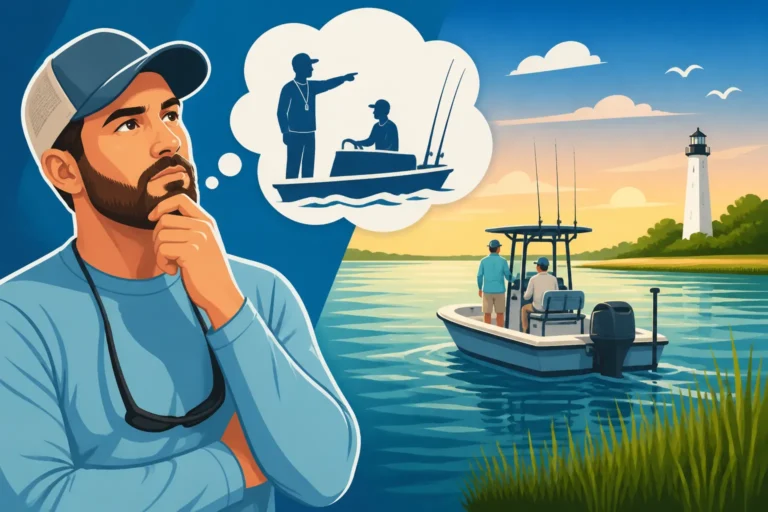
For many, especially those unfamiliar with the waters or who don't own a suitable boat, chartering a boat or hiring a local guide is the best way to experience the fantastic fishing around the Gulf Islands.
- Why a Charter? Charter captains are experts in these specific waters. They know where the fish are biting, what baits they prefer, and how to navigate safely. They also provide all the necessary gear, bait, and often the required fishing licenses for everyone on board. This takes all the guesswork and hassle out of the trip, allowing you to simply enjoy the fishing. If you're interested in Mississippi Gulf Coast Fishing Charters, there are numerous reputable options available.
- Booking a Guide: Services like FishingBooker make it incredibly easy to find and book experienced captains specifically for trips to the Mississippi Gulf Islands. You can compare boats, prices, and read reviews from other anglers, ensuring you pick the perfect guide for your family or group. Whether you're targeting redfish and trout inshore or venturing further out for snapper, a good guide will significantly increase your chances of success and provide invaluable local knowledge. They can guide you to the Best Spots to Catch Redfish on the Mississippi Coast or lead you to the Best Spots to Catch Speckled Trout on the Mississippi Coast. Don't be shy about asking questions when booking, like what's included and what you should bring on a Mississippi Fishing Charter.
Safety First on the Open Water
The beauty of the Gulf Islands can sometimes obscure the inherent dangers of open water. Safety should always be your top priority, whether you’re fishing from a kayak or a large charter boat.
- Weather Awareness: The weather on the Gulf Coast can change rapidly. A calm morning can turn into a stormy afternoon. Always check the marine forecast before you leave and be prepared to cut your trip short if conditions deteriorate. Look for signs of approaching storms: darkening skies, sudden wind shifts, or dropping barometric pressure.
- Navigation: While the Sound side is often calmer, it can be shallow in many areas. Knowing your boat's draft and paying attention to charts and navigation markers is crucial. The passes between the islands can have strong currents, especially during tide changes. A reliable GPS and chart plotter are invaluable tools.
- Emergency Gear: Always carry essential safety equipment: life jackets for everyone on board (and ensure they fit properly), a first-aid kit, flares, a marine radio or fully charged cell phone (in a waterproof bag), and enough water and sun protection. Let someone know your float plan – where you're going and when you expect to return. Being prepared means you can focus on the fishing, knowing you're ready for most eventualities.
Disclaimer
Please remember that fishing regulations, conditions, and fish populations are subject to change. Always consult the latest official resources from the Mississippi Department of Wildlife, Fisheries, and Parks (MDWFP) before planning your fishing trip to ensure you have the most up-to-date information regarding licenses, seasons, and limits. Fish responsibly and practice "Leave No Trace" principles to help preserve these beautiful fishing spots for everyone.