Pier Fishing Tips for Beginners
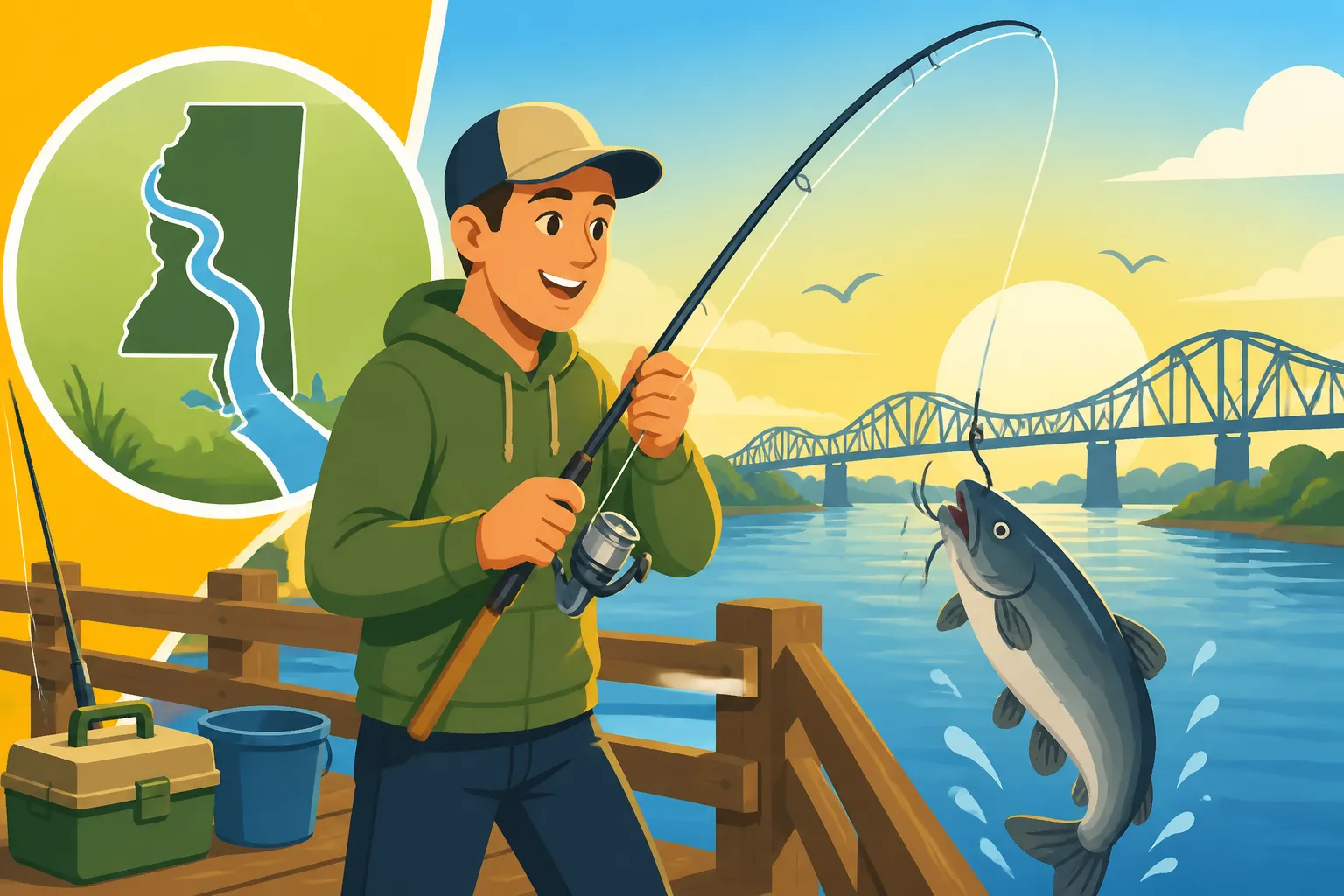
Stepping onto a pier for the first time with a fishing rod in hand can feel like walking onto a stage without a script. You see seasoned anglers effortlessly casting, reeling in fish, and you might feel a little lost, wondering if you're holding the rod correctly, let alone what bait to use or where to even cast. It's a common frustration, but it doesn't have to be intimidating! This comprehensive guide is specifically designed for absolute beginners looking to dip their toes into the wonderful world of pier fishing here in Mississippi, offering practical tips and demystifying the process so you can enjoy the experience and, hopefully, reel in your first catch.
Why Pier Fishing is a Great Start for New Anglers in Mississippi
Pier fishing offers a unique charm and accessibility that makes it an ideal entry point for anyone wanting to get into fishing, especially along Mississippi's beautiful Gulf Coast. You don't need a fancy boat or expensive electronics to have a successful and enjoyable day. It's a low-barrier-to-entry activity that provides immediate rewards, both in terms of potential catches and the sheer pleasure of being by the water.
Accessibility and Convenience
One of the biggest hurdles for new anglers is often the perceived need for a boat. But with pier fishing, that's simply not the case. Mississippi boasts a number of well-maintained public piers that extend into prime fishing grounds, giving you access to saltwater species without ever stepping foot on a vessel. You can literally drive up, park, walk a short distance, and start fishing. This convenience also means you don't have to worry about boat maintenance, launching, or navigating tricky waterways.
For families, it's an absolute game-changer. Imagine packing a cooler, a few rods, and some bait, and spending the day together by the water. Kids can run around a bit (safely, of course), and everyone can enjoy the fresh air and sunshine. Plus, many piers are located near other amenities like restrooms, picnic areas, and even restaurants, making a full day out easy and comfortable. It truly removes a lot of the logistical headaches that can deter beginners from trying fishing in the first place.
Diverse Species and Exciting Catches
Don't let the simplicity of pier fishing fool you; the variety of fish you can encounter from a Mississippi pier is incredibly exciting. You're not just limited to small panfish! Our coastal waters are teeming with popular game fish that are often caught right from the piers. Beginners can look forward to reeling in a variety of species, making every bite a potential surprise.
Common catches include feisty speckled trout, powerful redfish (also known as red drum), hard-fighting black drum, delicious flounder, and the ever-present croaker and whiting. You might also tangle with sheepshead, often found around barnacle-covered pilings, or even smaller sharks if you're using the right bait and tackle. This diversity means you're rarely bored, and each trip offers a new opportunity to learn about different fish behaviors and how to target them. The thrill of not knowing what's going to hit your line next is a huge part of the appeal.
Community and Learning Opportunities
One of the often-overlooked benefits of pier fishing is the built-in community. Unlike heading out alone on a boat, piers are often vibrant hubs where anglers of all skill levels gather. This creates a fantastic learning environment for beginners. You can observe how experienced fishermen set up their rigs, what baits they're using, and where they're casting. Most anglers are more than happy to offer advice, share a tip, or even help you untangle a stubborn knot if you just politely ask.
It’s a truly social aspect of the sport. You’ll hear stories, get local intel on what’s biting, and feel like part of a friendly, shared experience. This camaraderie can significantly shorten your learning curve and make your initial trips much more enjoyable. Don't be shy; strike up a conversation! You might just make a new fishing buddy and discover hidden local secrets about the best times to catch specific species or where the hot spots are on a particular pier.
Essential Gear for Your First Pier Fishing Trip
When you're first starting, the sheer amount of fishing gear available can be overwhelming. You might feel pressured to buy the most expensive or specialized equipment, but the truth is, you don't need much to get started with pier fishing. Focusing on a few versatile, reliable pieces will serve you well and allow you to learn the ropes without breaking the bank. Think practical and functional over flashy and complicated.
Rod, Reel, and Line Selection
For pier fishing in Mississippi, a versatile rod and reel combo is your best friend. I'd highly recommend a medium-light to medium-heavy action spinning rod, typically in the 7 to 8-foot range. This length gives you enough leverage to cast a good distance and handle a decent-sized fish, while still being manageable for beginners. A common setup would be a 7-foot medium-action rod paired with a 3000 or 4000 series spinning reel. This combination offers a good balance of power and sensitivity, allowing you to feel subtle bites but still have the backbone to fight a strong redfish or a good-sized speckled trout.
When it comes to line, you have a couple of choices. Monofilament line in 10-15 lb test is a great option for beginners because it's relatively inexpensive, easy to tie knots with, and has some stretch, which can be forgiving when fighting fish. Braided line in 15-20 lb test is also popular due to its strength and sensitivity, but it can be more challenging to tie knots with and is less forgiving if you set the hook too hard. Many experienced pier anglers opt for braided line as their main line with a monofilament or fluorocarbon leader, but for your very first trips, a spool of good quality monofilament will get you catching fish just fine. You can often find decent beginner combos, including a rod, reel, and pre-spooled line, on sites like Amazon, making it super easy to grab everything you need in one go.
Basic Terminal Tackle You'll Need
"Terminal tackle" refers to all the bits and pieces at the end of your fishing line, and for pier fishing, keeping it simple is key. You'll want a selection of hooks, sinkers, and swivels. For hooks, consider both J-hooks (like Kahle or Octopus hooks in sizes 1/0 to 3/0) and circle hooks (sizes 2/0 to 4/0). Circle hooks are fantastic for beginners because they are designed to hook fish in the corner of the mouth, making them less likely to gut-hook a fish and easier for catch and release. Plus, you don't have to "set" the hook as aggressively; just reel in when you feel a bite, and the hook often sets itself.
Sinkers will help you cast further and keep your bait on the bottom. Pyramid sinkers (1/2 oz to 2 oz) are excellent for sandy bottoms, while egg sinkers or even split shots are good for lighter rigs or when you want your bait to drift naturally. Swivels, especially barrel swivels or snap swivels (size 7 to 10), are crucial for preventing line twist and making it easy to change out your leader or lure. Don't forget some fluorocarbon leader material (15-25 lb test) to connect your main line to your hook or lure; it's less visible to fish and more abrasion-resistant.
Here's a quick reference for common terminal tackle:
| Item | Recommended Sizes/Types | Purpose |
|---|---|---|
| Hooks | Circle Hooks (2/0-4/0) | Easier for catch-and-release, self-setting |
| J-Hooks (1/0-3/0) | General bait fishing | |
| Sinkers | Pyramid Sinkers (1/2 oz – 2 oz) | Bottom fishing, good in current/wind |
| Egg Sinkers (1/4 oz – 1 oz) | Carolina rigs, light bottom fishing | |
| Split Shot Weights | Adding small weight to float rigs | |
| Swivels | Barrel/Snap Swivels (Size 7-10) | Prevent line twist, easy leader changes |
| Leader | Fluorocarbon (15-25 lb test) | Less visible, abrasion resistant |
Must-Have Accessories for Comfort and Safety
Beyond your rod and tackle, a few accessories will make your pier fishing trip much more comfortable and safe. First, a cooler is essential – not just for drinks and snacks, but also for keeping your bait fresh and your catches chilled if you plan on taking some home. A smaller bait bucket with an aerator can also be a lifesaver for live bait. Pliers and a sharp knife are non-negotiables; pliers are great for removing hooks safely, and a knife for cutting bait or line. A rag or towel is always handy for wiping hands or cleaning fish.
For personal comfort, don't forget sunscreen, a wide-brimmed hat, and polarized sunglasses. The sun can be intense on the water, and polarized sunglasses not only protect your eyes but also help you see through the glare into the water, sometimes spotting fish or structure. A small first-aid kit for minor cuts or hook punctures is also a smart addition. Finally, comfortable, non-slip shoes are a must for safety on potentially wet pier surfaces. You can find excellent, budget-friendly options for tackle boxes, multi-tools, and other accessories on platforms like Amazon to get your kit started.
Understanding Baits and Lures for Mississippi Piers
Choosing the right bait or lure can feel like a guessing game, but it's one of the most exciting parts of fishing! The key is to understand what the fish in Mississippi's coastal waters typically feed on and then match your offering accordingly. Sometimes, live bait is king; other times, artificial lures can be incredibly effective. Don't be afraid to experiment!
The Power of Live Bait
For many species found around Mississippi piers, nothing beats live bait. It's natural, it moves, and it smells like food – all irresistible qualities to a hungry fish. Live shrimp are hands down one of the most effective and versatile baits you can use along the Gulf Coast. They appeal to almost everything: speckled trout, redfish, flounder, croaker, and more. You can hook them through the tail or the horn (head) for different presentations.
Other excellent live bait options include live minnows or finger mullet, especially good for targeting larger trout or redfish. Fiddler crabs are a secret weapon for sheepshead, which love to pick them off barnacle-encrusted pilings. You can usually purchase live bait at local bait and tackle shops near the piers, such as those found in Biloxi or Gulfport. It’s worth checking with the shop attendants for their recommendations on what's been biting that day, as conditions can change rapidly.
Effective Artificial Lures
While live bait is often a go-to, artificial lures can also be incredibly productive, and they offer the advantage of reusability. For pier fishing, one of the most iconic and effective setups is a popping cork rig combined with a soft plastic lure. A popping cork makes a "pop" or "chug" sound when twitched, mimicking a feeding shrimp or baitfish, which attracts predatory fish. Below the cork, you'd typically have a fluorocarbon leader (about 18-24 inches) tied to a jig head (1/8 oz to 1/4 oz) with a soft plastic shrimp or paddle tail lure. Brands like Gulp! Shrimp are incredibly popular and effective due to their scent and realistic action.
Small spoons (like a gold or silver spoon in 1/4 oz to 1/2 oz) can also be deadly for speckled trout and redfish, especially when baitfish are schooling. Simply cast and retrieve them with a steady or erratic retrieve. Jig heads tipped with dead shrimp or a piece of cut bait can also be very effective for bottom feeders. Having a small assortment of these artificials on hand will give you options if live bait isn't available or if the fish prefer a more aggressive presentation. You can easily find starter packs of soft plastics and jig heads on Amazon, allowing you to build up a versatile tackle box.
Matching Bait to Your Target Species
Understanding what specific fish prefer to eat will significantly increase your success rate. If you're hoping for speckled trout and redfish, live shrimp under a popping cork or a soft plastic paddletail on a jig head are excellent choices. Redfish are also partial to cut bait (like pieces of mullet or croaker) fished on the bottom. For flounder, a live minnow or a strip of cut bait fished slowly along the bottom is often the key, mimicking their ambush style of feeding.
Sheepshead, with their distinctive human-like teeth, are primarily crustacean eaters. Small pieces of fiddler crab, barnacles, or shrimp fished vertically near pier pilings will usually get their attention. Catfish and black drum, often found closer to the bottom, respond very well to cut bait, squid, or even stinky "catfish bait" concoctions. By matching your bait to the species you're targeting, you're stacking the odds in your favor. This also aligns with learning the local behaviors, which is a big part of any successful fishing trip. For more specific rigging ideas, you can check out resources like those found in the "How to Rig Live Shiners for Crappie" guide, even if it details freshwater species, the fundamental rigging principles apply across the board.
Key Techniques for Successful Pier Fishing
Fishing from a pier might seem straightforward – just cast and wait, right? While there's certainly an element of patience, employing some basic techniques will greatly improve your chances of getting a bite and successfully landing a fish. It's not just about luck; it's about understanding how to present your bait effectively and where to look for fish.
Casting and Retrieval Basics
For beginners, mastering a basic overhead cast is fundamental. Hold your rod with the reel facing down, open the bail on your spinning reel, and use your index finger to hold the line against the rod. Bring the rod back over your shoulder, then smoothly bring it forward, releasing your finger just as the rod tip points towards your target. The goal is a smooth, controlled motion that sends your bait sailing without tangling. Practice without a hook initially to get the feel for it.
Once your bait is in the water, retrieval is just as important. For most live bait setups, you'll cast out and let your bait settle to the desired depth. If you're using a popping cork, give it an occasional sharp twitch to create that "pop" sound, then let it sit for a few seconds. When using lures, experiment with different retrieval speeds and actions. Some days, a fast, erratic retrieve works; other days, a slow, steady retrieve is preferred. Pay attention to what the fish respond to. The key is to feel for any unusual "tugs" or "bumps" on your line – these are often bites!
Rigging for Different Conditions
The beauty of pier fishing is that you can adapt your rig to target different depths and species. The most common and versatile rig for bottom fishing is the Carolina rig. This involves threading an egg sinker onto your main line, then tying on a swivel, followed by a fluorocarbon leader (18-36 inches) and finally your hook. This setup allows your bait to drift naturally, separate from the sinker, making it very appealing to bottom feeders like redfish, black drum, and flounder.
Another popular setup, especially when fish are suspended or feeding near the surface, is a popping cork rig. As mentioned earlier, this uses a float to keep your bait at a specific depth, usually with a jig head and soft plastic or a live shrimp below it. The "pop" draws attention, and the suspended bait is irresistible. For targeting sheepshead or smaller panfish around pilings, a simple dropper loop rig with two hooks (one above the other) and a small weight at the bottom can be very effective, allowing you to fish multiple baits at different depths. Learning these basic rigs will equip you for almost any pier fishing scenario you encounter.
Reading the Pier and the Water
Successful anglers don't just cast blindly; they "read" the water and the structure around them. On a pier, the pilings themselves are often fish magnets. Barnacles and other growth on the pilings attract smaller baitfish and crustaceans, which in turn attract larger predatory fish like sheepshead, redfish, and even some speckled trout. Casting close to these pilings, or even dropping your bait straight down next to them, can be very productive.
Look for signs of baitfish, such as small schools dimpling the surface or birds diving into the water. Where there's bait, there are usually bigger fish. Pay attention to current: fish often hold in areas where the current brings food to them. Also, note any changes in water depth or bottom structure visible from the pier. For instance, sometimes fish congregate at the very end of the pier where the water is deepest, or near channel markers. Exploring the various "Best Gulf Coast Piers for Fishing in Mississippi" will also give you diverse environments to practice these observation skills, as each pier might have slightly different characteristics and resident fish populations.
Navigating Pier Etiquette and Regulations
Beyond the techniques, being a responsible and respectful angler is paramount. This means understanding and adhering to local regulations, as well as practicing good pier etiquette. It ensures a pleasant experience for everyone and helps protect our precious marine resources for future generations of anglers.
Respecting Fellow Anglers and the Environment
Piers can get crowded, especially on beautiful weekends. It's crucial to be mindful of your fellow anglers. Give others plenty of space – don't cast over their lines or crowd them if they're actively catching fish. If you see someone reeling in a fish, it's polite to reel in your line temporarily to avoid tangles. Keep your fishing area clean; bring a trash bag and pack out everything you pack in, including discarded line, bait containers, and food wrappers. Nothing ruins a fishing spot faster than litter.
Remember that piers are shared public spaces. Be considerate of families and children, keep noise levels down, and avoid any behavior that might disturb others. A friendly wave and a respectful attitude go a long way in fostering a positive environment for everyone enjoying the coast. Showing respect for the environment also means handling fish properly, especially those you plan to release. Minimize their time out of water and handle them gently.
Understanding Mississippi Fishing Regulations
This is absolutely critical: before you even cast your line, you must be familiar with Mississippi's fishing regulations. These rules are in place to protect fish populations and ensure sustainable fishing for everyone. You'll need a valid fishing license, and for pier fishing along the coast, that typically means a saltwater fishing license. You can find detailed information on how to obtain one in the "Mississippi Saltwater Fishing License Guide".
Regulations often specify minimum size limits and daily creel (catch) limits for various species. For example, there are specific "Mississippi Redfish and Speckled Trout Limits" that anglers must adhere to. Keeping an undersized fish or exceeding your daily limit can result in hefty fines and penalties. The Mississippi Department of Wildlife, Fisheries, and Parks (MDWFP) website is your best resource for the most up-to-date information. Ignorance of the law is not an excuse. Always double-check the regulations before you go, and consider carrying a copy of the current rules or having them readily accessible on your phone. A comprehensive overview can be found in the "Mississippi Fishing Regulations Explained" and "Mississippi Fishing Creel and Size Limits" guides.
Dealing with Incidental Catches and Wildlife
It's inevitable that you'll sometimes catch fish you didn't intend to, or fish that are undersized or out of season. Knowing how to safely handle and release these incidental catches is part of being a responsible angler. Use pliers to remove hooks quickly and gently. If a fish is deeply hooked, it's sometimes better to cut the line as close to the hook as possible, as trying to force the hook out can cause more damage. Wet your hands before handling fish to protect their protective slime coat.
Be aware of other wildlife around the pier. You might see pelicans, gulls, or even dolphins. Never feed wild animals, and be cautious not to entangle them with your fishing line. If you do encounter an injured animal, contact local wildlife authorities; do not try to intervene yourself, as you could cause more harm or get injured. Keeping your area tidy and avoiding leaving fishing line scraps or hooks lying around will help prevent harm to wildlife.
Top Mississippi Piers for Beginners
Mississippi's Gulf Coast offers some fantastic opportunities for pier fishing, providing excellent access and varied environments perfect for beginners. Each pier has its unique charm and can offer different fishing experiences. Exploring these spots is part of the adventure!
Biloxi Area Piers
Biloxi is a hub for coastal activity, and its fishing piers are no exception. The Biloxi Pier, located adjacent to the Biloxi Small Craft Harbor, is a popular spot and generally very accessible. It stretches out into Biloxi Bay, offering excellent chances for speckled trout, redfish, croaker, and flounder. The bay waters here are often a bit calmer than the open Gulf, which can be less intimidating for new anglers learning to cast and manage their lines. You'll find a lively atmosphere here, making it a great place to observe and learn from other anglers. For a detailed look at this specific spot, check out the "Biloxi Fishing Pier Guide".
Just a stone's throw away, the Biloxi Small Craft Harbor also offers some bank fishing opportunities and can be good for targeting species like redfish and even some occasional catfish, especially around the docks and deeper channels within the harbor. The protected waters here can be great on windy days when fishing from the main pier might be challenging. Both locations provide easy parking and are close to amenities, making them very convenient for a day trip.
Gulfport and Ocean Springs Piers
Gulfport, another major coastal city, also boasts excellent pier fishing options. The Gulfport Pier, often referred to as the Bert Jones Yacht Harbor Pier, is another favorite among locals and visitors. Extending into the Mississippi Sound, it provides access to deeper water and a broader range of species, including larger speckled trout, redfish, drum, and even some Spanish mackerel during certain times of the year. The pier is quite long, allowing anglers to spread out and find their own space. It's well-lit for night fishing too, which can be an entirely different and exciting experience.
Further east, the Ocean Springs Front Beach Pier offers a picturesque setting and good fishing opportunities. It's often a bit quieter than the Biloxi or Gulfport piers, making it a great option if you prefer a more relaxed environment. You can expect to catch speckled trout, redfish, and flounder here, especially around the structure of the pier and the grassy areas nearby. The calm waters of the sound in this area also make it a pleasant spot for beginners to practice their casting.
Bay St. Louis Piers
Venturing west, the Bay St. Louis Municipal Pier is a fantastic destination, especially for those looking for a slightly different atmosphere. This pier extends into the tranquil waters of Bay St. Louis, which can be incredibly productive. The bay is known for its healthy populations of speckled trout, redfish, and flounder. The pier itself is quite substantial, offering ample room for anglers. The calm, shallow waters closer to shore often hold smaller panfish and baitfish, while the deeper sections further out provide access to larger game fish.
The area around Bay St. Louis is particularly scenic, making it a wonderful place to spend a day fishing. Like the other piers, it's easily accessible with parking and often has nearby facilities. It’s a prime example of how Mississippi provides diverse coastal fishing experiences. For more insights into this specific area, the "Bay St. Louis Pier and Bank Fishing Spots" guide offers additional details for planning your trip. Remember, no matter which pier you choose, always check local conditions and regulations before you head out.
Disclaimer
The information provided in this guide is for general informational purposes only and is not intended as legal advice or an exhaustive list of all regulations. Fishing regulations, license requirements, and local conditions can change frequently. Always consult the official Mississippi Department of Wildlife, Fisheries, and Parks (MDWFP) website or local authorities for the most current and accurate information before planning any fishing trip. Adherence to all applicable laws and safety guidelines is the sole responsibility of the individual angler.