Live Bait vs Artificial Lures for Mississippi Crappie
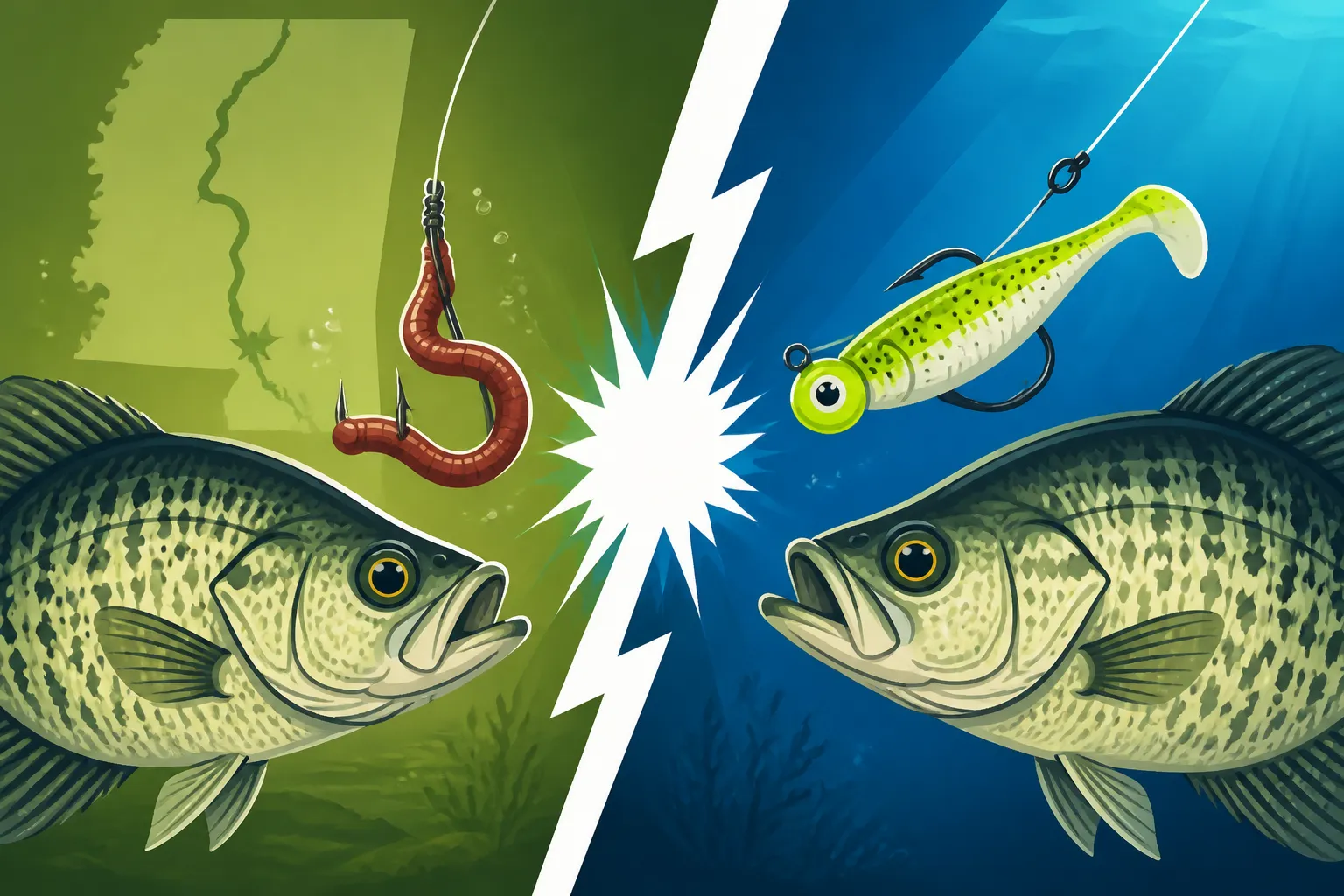
For any angler hitting the beautiful waters of Mississippi in pursuit of crappie, a common debate often swirls in their mind: do I stock up on live minnows, or do I trust my artificial lures to get the job done? It's a question that can truly make or break a day on the lake, leaving many of us scratching our heads when faced with a finicky bite. This comprehensive guide will dive deep into the pros and cons of both approaches, helping you decide which strategy is best for your next Mississippi crappie adventure.
The Enduring Appeal of Live Minnows for Crappie
There’s something undeniably classic about using live bait for crappie. For generations, anglers across Mississippi have sworn by the effectiveness of a lively minnow, and for good reason. When crappie are being picky, or when water conditions are tough, live bait often has an edge that artificials just can't match.
Why Live Minnows Consistently Entice Crappie
Live minnows possess an inherent advantage: they are real, natural food. Their erratic swimming patterns, subtle vibrations, and natural scent are irresistible to hungry crappie. Imagine a school of crappie suspended in a brush pile; a struggling minnow drifting past them presents an easy meal, triggering their predatory instincts. This natural presentation is particularly effective in clear water, during cold fronts, or when fish are lethargic and less inclined to chase a fast-moving lure. The slight twitch of a minnow, its darting movements, or its simple struggle on the hook can be the exact trigger needed to provoke a strike from even the most hesitant crappie. It's not just about sight; the lateral line of a crappie is highly sensitive to subtle movements and vibrations, which a live minnow naturally provides.
Furthermore, live minnows give off a distinct scent trail that can draw crappie in from a distance, especially in stained or muddy waters where visibility is low. This natural aroma tells a crappie that there's an easy meal nearby, often leading to more committed bites. For many seasoned anglers on lakes like Grenada Lake or Ross Barnett Reservoir, starting the day with a bucket of minnows is simply tradition, a reliable go-to that often fills the livewell.
Sourcing and Keeping Your Live Bait Healthy
The journey to successful crappie fishing with live bait begins long before you cast your first line – it starts with acquiring and properly maintaining your minnows. Most local bait shops across Mississippi will carry a variety of sizes, typically golden shiners or fathead minnows, which are excellent choices for crappie. It's worth calling ahead during peak season to ensure availability, especially if you're heading to a popular spot like Sardis Lake. You can also find some quality bait storage solutions, like portable aerators and insulated bait buckets, on platforms like Amazon. These are crucial for keeping your bait lively throughout the day, preventing them from becoming sluggish or dying prematurely.
Once you have your minnows, keeping them healthy is paramount. A well-aerated bait bucket with fresh, cool water is essential. Avoid overcrowding, as this depletes oxygen quickly. Many anglers will change the water periodically throughout the day, especially if it gets warm. Adding a small amount of non-iodized salt or a commercial minnow additive can also help reduce stress and keep them frisky. Remember, a lively minnow is a more effective minnow. A struggling, dying minnow won't attract nearly as much attention from crappie. Investing in a good system for bait care truly pays dividends.
Effective Rigging for Live Minnows
Rigging a live minnow properly is an art form. The goal is to present the minnow naturally while ensuring it stays alive and active. The most common method is to hook the minnow lightly through the lips, either the upper lip only or both lips. This allows the minnow to swim freely and naturally. Another popular technique is to hook it just behind the dorsal fin, being careful not to hit the spine, which also encourages natural movement and keeps the minnow swimming horizontally. Hook size is critical – too large and it impedes the minnow’s movement; too small and you might miss strikes. A light wire Aberdeen hook in sizes #2 to #6 is usually ideal.
When fishing with live bait, a simple slip-bobber rig is incredibly effective. This setup allows you to present your minnow at a precise depth, which is vital when crappie are suspended at a specific level in brush piles or timber. A small split shot a few inches above the hook adds just enough weight to get the minnow down but still allows it to swim freely. For those fishing deeper or in current, a tight-line approach with a bell sinker above a swivel, then a leader to your minnow, can also be very productive. The key is to let the minnow do the work, so avoid overly heavy weights or stiff lines that restrict its natural action.
The Versatility and Challenges of Artificial Lures
While live bait has its undeniable charm, artificial lures have revolutionized crappie fishing, offering versatility, convenience, and often, incredible effectiveness. The sheer variety of colors, shapes, and actions available means there's an artificial lure for almost every crappie fishing scenario imaginable.
An Overview of Popular Artificial Lure Types
When it comes to artificial lures for crappie, the options are almost endless. Jigs, in particular, reign supreme. These small, weighted hooks adorned with soft plastic bodies, marabou, or bucktail are incredibly versatile. Soft plastic tube jigs, often mimicking small minnows or insects, are a staple, coming in a rainbow of colors like chartreuse, white, black, and pink. Paddle tail and grub tail jigs offer subtle vibration and action that can be irresistible. Marabou jigs, with their flowing, natural breathing action in the water, are fantastic for cold water or finicky fish. You can find an incredible selection of these on Amazon, allowing you to experiment with various styles and colors to find what works best on your local Mississippi waters.
Beyond jigs, tiny crankbaits and spinnerbaits specifically designed for crappie can be highly effective, especially when crappie are actively chasing baitfish in open water. Micro crankbaits that dive to specific depths can be trolled or cast to cover large areas. Small inline spinners, like those from Johnson or Mepps, flash and vibrate, often triggering aggressive strikes. The important thing is to match the hatch, or at least offer a profile and action that crappie are accustomed to seeing as food. Knowing the local forage on lakes such as Enid Lake can give you a significant advantage.
Advantages of Opting for Artificial Lures
One of the biggest advantages of artificial lures is convenience. No need for aerators, worrying about keeping minnows alive, or dealing with slimy bait. You simply tie on a lure and start fishing. This ease of use makes them perfect for spontaneous trips or for anglers who prefer a cleaner fishing experience. Artificials also shine in their versatility. A single jig head can be paired with dozens of different soft plastic bodies, allowing for quick changes in color, profile, and action without re-tying. This adaptability means you can quickly adjust to changing conditions or fish preferences.
Furthermore, artificial lures often allow for more aggressive and active fishing techniques. You can cast and retrieve, jig vertically, troll, or twitch them to create irresistible action that live bait simply can't replicate. This active presentation can cover more water faster, allowing you to locate schools of crappie much more efficiently than passively waiting with live bait. For anglers who enjoy the challenge of working a lure and triggering a strike through skill and presentation, artificials provide a highly rewarding experience. Plus, they can be much more durable than a minnow, often allowing you to catch multiple fish on a single lure before needing a replacement.
Potential Drawbacks of Artificial Lures
While artificial lures offer many benefits, they do come with their own set of challenges. The primary drawback is that they sometimes lack the natural scent and subtle, unpredictable movements of live bait. In certain conditions, particularly when crappie are highly pressured, lethargic, or in extremely clear water, they might refuse even the most perfectly presented artificial lure in favor of a real minnow. This can lead to frustrating days where you know fish are present but simply won't bite. This often holds true during tough cold fronts when the metabolism of crappie slows down, making them less willing to expend energy chasing a fake meal.
Another challenge lies in the sheer number of choices available. Walking into a tackle shop or browsing online can be overwhelming, with thousands of different jigs, colors, and styles. Beginners might struggle with selecting the right lure for the conditions, and it takes experience to understand how to properly present different artificials to entice strikes. Unlike live bait, which does most of the "work" itself, artificials require the angler to impart the enticing action, which demands more skill and understanding of crappie behavior. Sometimes, a missed strike on an artificial means the fish simply bumped it without taking the hook, which rarely happens with a minnow that gets swallowed more easily.
When to Choose Live Bait for Mississippi Crappie
Understanding when to lean on live minnows can dramatically improve your success rate on Mississippi's crappie-rich waters. There are specific scenarios where the natural allure of a live minnow is simply unmatched.
Navigating Cold Water and Finicky Bites
When the mercury drops and Mississippi lakes cool down, crappie often become less active and their metabolism slows significantly. This makes them less inclined to chase fast-moving lures. In these cold-water conditions, a subtle, slow-moving live minnow becomes incredibly effective. The minnow's natural struggle and scent can entice sluggish crappie to bite when they might ignore artificial presentations. This is particularly true during late fall and winter fishing on lakes like Arkabutla Lake or Pickwick Lake, where crappie often congregate in deeper water near structure.
Think about those crisp winter mornings on the water. Crappie might be suspended over deep brush piles or along creek channels. Dropping a live minnow down to their level, often with a slow drift or minimal vertical jigging, can be the ticket. The minnow's natural movements are just enough to trigger a strike without requiring the crappie to exert much energy. It’s an easy meal they can't resist, making it the preferred choice when fish are being particularly finicky or in post-front conditions where fish are generally lethargic. You can explore more tips for "Winter Crappie Fishing in Mississippi" to further enhance your cold-weather strategies.
Maximizing Success During the Spawning Season
The spring crappie spawn is a magical time in Mississippi, but even during this period of high activity, live bait can be a secret weapon. While crappie will readily hit artificials during the spawn, especially when guarding nests, a live minnow can often coax bites from larger, more cautious females. As crappie move into shallow water to spawn, they become highly territorial. A live minnow represents a threat to their nest or an opportunistic meal, often resulting in aggressive strikes.
During the spawning season, crappie are focused on reproduction and feeding opportunistically. Presenting a live minnow near visible cover like lily pads, cypress trees, or shallow brush offers an undeniable meal. The slow, natural action of the minnow makes it an easy target for crappie that are either protecting their nests or simply looking for an easy meal without expending too much energy. This is especially effective in areas with dense cover, where maneuvering artificial lures can be challenging without getting snagged. Understanding "Crappie Spawning Season Closure Rules" is also important for ethical and legal fishing during this crucial time.
Maximizing Your Success with Artificial Lures
While live bait certainly has its moments, mastering artificial lures for crappie offers a rewarding challenge and incredible results. When fished correctly, artificials can often outproduce live bait, especially when crappie are active and aggressive.
Understanding Crappie Behavior and Water Conditions
The key to consistently catching crappie on artificial lures lies in truly understanding crappie behavior and how it relates to water conditions. Crappie are ambush predators; they love to hide in structure and dart out to strike passing prey. In clear water, they might be more wary, requiring smaller, more natural-colored lures and a stealthier approach. In stained or muddy water, brighter colors like chartreuse, orange, or hot pink, along with lures that create more vibration, can be more effective as they enhance visibility and sensory appeal.
Water temperature also plays a huge role. In warmer water (above 60 degrees F), crappie are typically more active and willing to chase fast-moving lures. As the water cools, a slower, more deliberate presentation is usually necessary. Wind and current also influence fish location and how you should present your lure. Understanding how these factors impact crappie on specific lakes covered in the "Best Crappie Lakes in Mississippi" guide is fundamental to selecting the right lure and technique. When fish are schooling and aggressively feeding, such as during a "White Bass Run Is" (though for crappie, imagine a similar feeding frenzy), you can often catch multiple fish quickly on artificials by locating the school and casting into it.
Mastering Presentation Techniques for Jigs and Lures
Presentation is everything when fishing artificial lures. It’s not just about having the right jig; it’s about how you make that jig come alive in the water. For vertical jigging, often around brush piles or standing timber, a slow, subtle lift-and-drop motion is usually best. Imagine you're trying to mimic a dying minnow or an insect slowly fluttering. Sometimes a slight twitch of the rod tip is all it takes. For casting and retrieving, varying your retrieve speed and incorporating pauses can trigger strikes. Crappie often hit on the fall or during a pause. You can find detailed strategies for "Jig Fishing for Crappie" that delve into these techniques.
Trolling is another highly effective presentation, especially on larger reservoirs like Sardis or Grenada. This involves slowly moving your boat while dragging multiple jigs at different depths behind it. This allows you to cover vast areas of water and find active schools of crappie. Techniques like "Spider Rigging Techniques" take this to the next level, using multiple rods fanned out around the boat, each with a different lure or bait combination, to present a wide range of options to passing fish. Learning to read your electronics to find structure and schools of fish is crucial for maximizing your artificial lure success, as you can precisely place your lure in the strike zone.
Selecting the Right Lure: Color, Size, and Action
Choosing the right artificial lure involves a nuanced understanding of color, size, and action, tailoring your choice to current conditions and crappie preferences.
- Color: This is often dictated by water clarity and light conditions. In clear water, natural colors like smoke, clear with glitter, or light greens tend to be more effective. In stained or muddy water, vibrant colors such as chartreuse, orange, or neon pink stand out. On cloudy days or low light, darker colors like black or blue can create a stronger silhouette against the sky.
- Size: Generally, smaller lures (1/32 to 1/16 ounce jigs) are better in cold water or when crappie are finicky, mimicking tiny baitfish or insects. Larger lures (1/8 ounce or more) can be effective when crappie are aggressive or when fishing deeper water where a faster fall is needed.
- Action: Different lure bodies offer different actions. Paddle tails create a distinct thump, grub tails have a subtle wiggle, and straight-tail plastics offer minimal action, relying more on the angler's twitching. Marabou jigs "breathe" in the water with minimal movement, perfect for slow presentations. Experimentation is key, but generally, match the action to the crappie's mood – subtle for sluggish fish, more aggressive for active ones. Many anglers will experiment with different lure types and presentations, carrying a wide selection of choices acquired from places like Amazon to ensure they have the right tool for any situation on Mississippi's varied waters.
| Feature | Live Minnows | Artificial Lures (Jigs) |
|---|---|---|
| Pros | Natural scent & movement, often preferred by finicky fish, easier for beginners to get bites, great for slow/cold conditions | Versatile (colors/sizes/actions), convenient (no upkeep), cover more water, often more active fishing, durable, cost-effective long-term |
| Cons | Require upkeep (aerator, fresh water), messy, can be expensive, not ideal for covering large areas quickly, can be fragile | No natural scent, requires angler skill for presentation, can be less effective on finicky fish, overwhelming selection, may be ignored by lethargic fish |
| Best Conditions | Cold water, clear water, finicky bite, spawning fish, deep structure fishing | Active fish, stained/muddy water, searching for schools, aggressive bite, covering vast areas |
| Typical Rig | Slip-bobber rig, tight-line with small weight | Jig head with soft plastic, marabou, or bucktail |
| Skill Level | Beginner to Expert | Intermediate to Expert |
Blending Both Worlds: Hybrid Approaches for Optimal Success
Sometimes, the best approach isn't an either/or decision, but rather a strategic combination of both live bait and artificial lures. This hybrid method leverages the strengths of each, creating a presentation that can be incredibly difficult for crappie to resist.
Tipping Jigs with Live Bait
One of the most popular and effective hybrid techniques is "tipping" an artificial jig with a small piece of live bait. This usually involves adding a small minnow, a minnow head, or even a wax worm or crappie nibble to the hook of a soft plastic jig. The artificial lure provides the visual appeal, profile, and action, while the live bait adds a crucial element of natural scent and a subtle, irresistible movement. This combination is often the ultimate crappie magnet, especially when fish are in a neutral mood – not aggressive enough for a full artificial, but not entirely passive either.
Imagine you're vertically jigging over a submerged brush pile on Eagle Lake. A small chartreuse tube jig tipped with a tiny minnow creates a visual flicker and movement, while the minnow's scent trail draws crappie in. When they approach, the natural scent often seals the deal, prompting them to commit to the bite. This technique is especially potent in deeper water or when fishing in areas with heavy cover, as it allows you to probe potential holding spots with a high-percentage offering. It’s a way to get the best of both worlds, providing the durability and workability of an artificial with the undeniable appeal of live food.
Utilizing Spider Rigging with Mixed Offerings
Spider rigging, as mentioned earlier, is a fantastic way to cover water and present multiple baits at different depths. This technique involves using multiple rods (often 4-8 or more) deployed from the front of the boat, fanning out in a "spider-web" pattern. The beauty of spider rigging is its adaptability to hybrid approaches. You can set up some rods with live minnows, while others are rigged with artificial jigs. This allows you to experiment simultaneously with what the crappie prefer on any given day.
For example, on a cloudy day on Lake Washington, you might have two rods with live minnows at different depths, two with chartreuse tube jigs, and two with black and blue marabou jigs. As you slowly troll, you'll quickly discover which offering is getting the most bites. This eliminates guesswork and drastically increases your chances of finding the crappie's preferred meal. It’s an incredibly efficient way to fish, particularly on large, open bodies of water or along distinct creek channels where crappie might be spread out. For anglers looking to understand more about this approach, detailed insights can be found in "Trolling for Crappie on Mississippi Reservoirs."
Making the Call: Factors Influencing Your Choice
Deciding between live bait and artificial lures, or a combination, ultimately comes down to a few critical factors. There's no single "best" option; the most successful anglers are those who can adapt their strategy to the prevailing conditions.
Assessing Water Conditions and Crappie Activity
The first thing any smart angler does when they hit the water is observe and assess. How clear or stained is the water? What's the temperature? Is there a lot of current or wind? These factors are paramount. In stained or muddy water, scent from live bait can be a huge advantage, as can the vibrant colors of artificials. In clear water, both natural presentations (live minnows) and subtle, realistic artificials tend to work best.
Crappie activity is equally important. Are they actively chasing bait on the surface, or are they hunkered down in cover? If they're aggressive, you can likely get away with faster, more erratic artificial lure presentations. If they're passive or finicky, a slow-moving live minnow or a carefully worked jig will often be more effective. Fishing "after a cold front" for example, almost always calls for a slower, more natural presentation, favoring live bait or very subtle jigs. Conversely, during periods of stable weather and active feeding, artificials allow for covering more ground to find those hungry schools.
Time of Year and Specific Locations
The calendar also plays a significant role in your bait choice. During the spring spawn, both options can be deadly, but live bait can excel for specific, territorial fish. In the scorching Mississippi summer, crappie often retreat to deeper, cooler waters, making a deep-trolled artificial or a vertically presented live minnow effective. Fall can see crappie become highly active as they feed up for winter, making aggressive artificial presentations a great choice. You can find a detailed breakdown of these seasonal patterns in the "Mississippi Fishing Seasons Calendar".
Different locations also favor different approaches. Fishing small, secluded ponds or backwater areas might lend itself well to subtle live bait presentations or small jigs. On vast, open reservoirs like Ross Barnett Reservoir, trolling with artificials or spider rigging with mixed offerings might be more efficient for covering water and finding schools. When fishing rivers, like the Pearl River, the current might dictate heavier jigs or a more direct vertical presentation with live bait. Knowing the nuances of your specific fishing spot, which you can learn more about in resources like "Best Fishing Spots in Mississippi," will help you tailor your bait choice for maximum impact.
Angler Preference and Skill Level
Finally, your personal preference and skill level play a huge role. If you enjoy the hands-on, subtle approach of feeling a bite on a minnow, then live bait will always be a rewarding choice. If you love the challenge of working a lure, experimenting with different retrieves, and triggering a reaction strike, then artificials are your game. For beginners, getting bites on live minnows can often be easier and more encouraging, building confidence before moving to the more nuanced art of artificial lure presentation.
There’s also the element of time and patience. Live bait fishing often requires more patience, waiting for the crappie to find your offering. Artificial lure fishing is generally more active, requiring constant casting, retrieving, or jigging. Both methods are effective, but they cater to different styles of fishing. Ultimately, the best choice is the one that you have confidence in, and that allows you to enjoy your time on the beautiful waters of Mississippi. Don't be afraid to experiment and find what works best for you, and sometimes, even what works best for the crappie on a particular day.
Disclaimer
Fishing conditions, regulations, and fish behavior can change rapidly. Always consult the latest Mississippi Department of Wildlife, Fisheries, and Parks (MDWFP) regulations before heading out. This guide is for informational purposes only and does not guarantee fishing success.