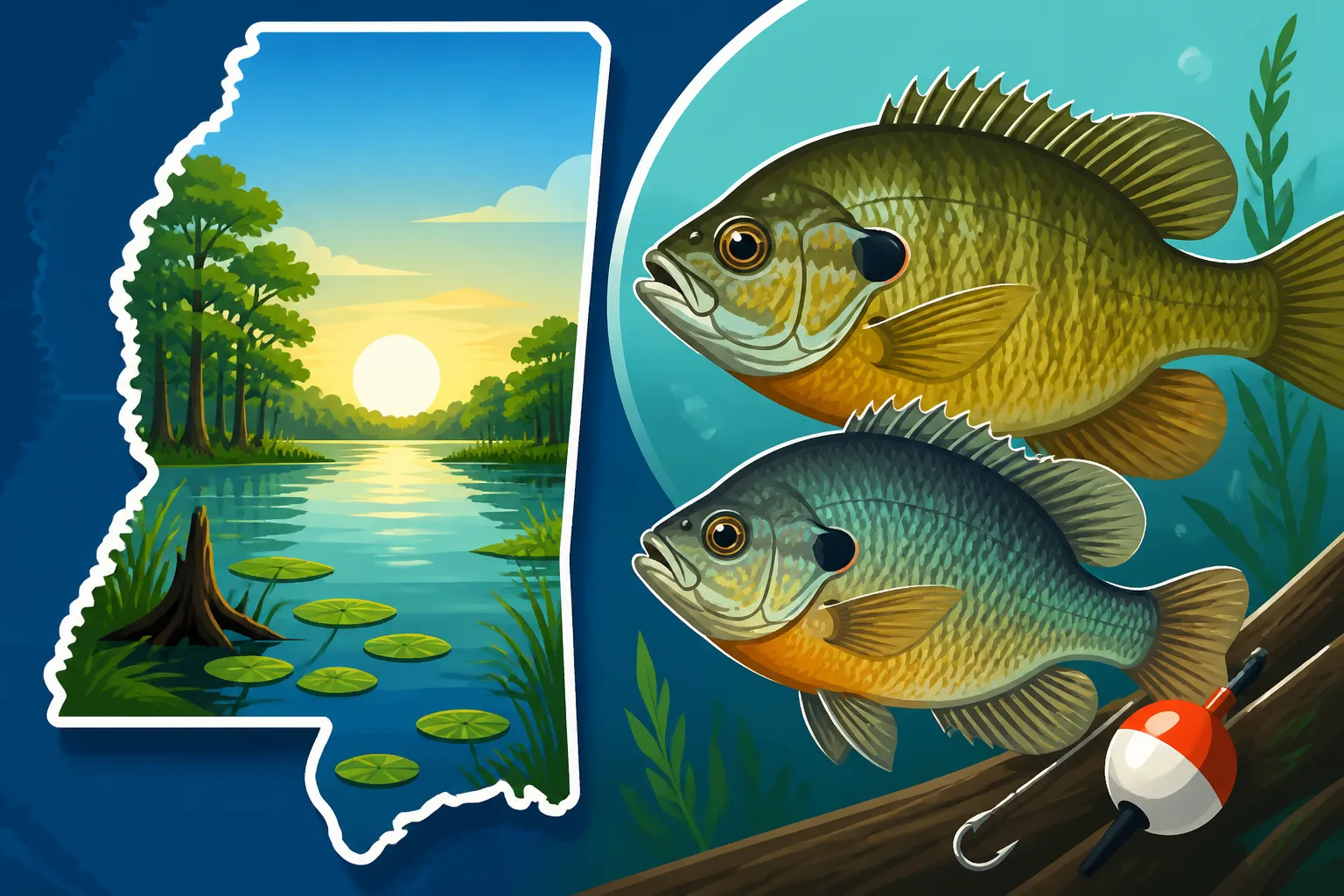
Best Spots for Bream and Bluegill in Mississippi
Many anglers, myself included, have spent countless hours chasing those elusive trophy bass or giant crappie, sometimes overlooking the sheer joy and consistent action that bream and bluegill fishing can offer. It’s frustrating when you just want to get a bend in your rod and catch some fish, but you're not sure where to even start. Finding truly productive spots for these feisty panfish in Mississippi's abundant waters can feel like a guessing game. This guide is here to demystify the process, revealing the very best locations across our beautiful state where you can reliably hook into bream and bluegill, making every fishing trip a fun and rewarding experience for the whole family.
Uncovering Bream and Bluegill Hotspots in Mississippi's Reservoirs
When you think about the big reservoirs in Mississippi, your mind might immediately jump to crappie or bass. And while those species certainly draw a crowd, these vast bodies of water are also phenomenal fisheries for bream and bluegill. These panfish thrive in the diverse habitats offered by our larger impoundments, from shallow coves to expansive timber fields.
Ross Barnett Reservoir: A Panfish Powerhouse
Ah, Ross Barnett! It's practically synonymous with fishing in Central Mississippi. While it's famed for its bass and crappie, the "Rez" is an absolute goldmine for bream and bluegill, especially during the warmer months. These fish really spread out across its nearly 33,000 acres, offering endless opportunities. You’ll find them congregating in the shallower, calmer waters of the numerous coves and bays, particularly those on the upper end of the reservoir closer to the Carthage area.
Imagine this: a warm spring morning, the sun just starting to kiss the water, and you're easing your boat into a quiet cove lined with lily pads. This is prime bream territory on Ross Barnett. The bluegill, in particular, love to bed up in these areas, often in fairly shallow water, sometimes just a foot or two deep. Look for subtle disturbances on the surface, like small ripples or even slight discoloration, which can indicate a bed. Casting a small cricket or a red wiggler worm under a bobber near these beds can lead to non-stop action. Don't overlook areas with standing timber or brush piles in slightly deeper water (3-6 feet), especially as the heat of summer sets in. They'll pull off the banks and seek refuge in that submerged structure. For a deeper dive into this fishery, check out our comprehensive Ross Barnett Reservoir Fishing Guide.
Grenada and Sardis Lakes: Crappie Sanctuaries with a Panfish Secret
Grenada Lake and Sardis Lake, nestled in North Mississippi, are legendary for their crappie fishing. Anglers travel from all over the country just to experience their crappie runs. However, what many people don't realize is that these lakes also hold incredibly healthy populations of bream and bluegill that often get overlooked. Because of the focus on crappie, the panfish here can grow quite large and face less fishing pressure, meaning more and bigger fish for you!
On Grenada Lake, much like Ross Barnett, focus your efforts on the countless flooded timber stands and brush piles that litter the lakebed. The main lake body can be vast, so keying in on the more protected arms and bays, especially those with slower-moving water and abundant cover, will be your best bet. The crappie guides often find these hidden pockets of bream while searching for their primary target. When you're out there, look for areas where creek channels meet main lake points, or where there's a significant drop-off near shallow cover. A small spinnerbait or a beetle spin worked along these edges can be incredibly effective. Our Grenada Lake Fishing Guide provides even more detailed insights into this fantastic body of water.
Sardis Lake, another crappie paradise, shares a similar story for its bream and bluegill. The extensive shallow flats, especially in the upper reaches of the lake and around the mouths of feeder creeks, are prime areas. Look for patches of aquatic vegetation or areas with submerged stumps. These fish love to hide in the structure, darting out to snatch any offering that comes their way. Bank anglers will find excellent opportunities around the numerous state park access points on both Grenada and Sardis, particularly where rock riprap or brush has been installed. These areas attract baitfish, which in turn attract the bream. Remember, while these lakes are known for crappie, paying attention to the shallower, warmer pockets will yield plenty of bream action. You can find more targeted information in our Sardis Lake Fishing Guide.
Pickwick Lake: Northern Mississippi's Panfish Gem
Moving to the extreme northeastern corner of Mississippi, you'll find Pickwick Lake. While it’s renowned for its smallmouth bass and incredible catfishing, it’s another reservoir that often flies under the radar for its fantastic bream and bluegill fishing. The Tennessee River system, of which Pickwick is a part, provides a rich, diverse ecosystem perfect for these panfish to thrive.
Pickwick’s unique geography, with its clear waters and varied shoreline, offers different types of habitat. You'll want to target the abundant shallow rocky banks, submerged humps, and especially the large pockets of aquatic grass. Bluegill will often bed in the sandier pockets within these grassy areas, while bream (like redear sunfish, also known as shellcrackers) will frequent gravelly or harder bottoms, often feeding on snails and other invertebrates. Fishing with live worms, particularly red wigglers, on the bottom near these structures can be incredibly effective for shellcrackers. For bluegill, a small jig under a bobber or even a tiny Beetle Spin cast along the grass edges during the spring and early summer will usually get a bite.
The key on Pickwick, especially for bluegill, is to find those transitions – where the rock meets sand, or where a slight depth change occurs near cover. These "edge" habitats are magnets for panfish. Even during the heat of summer, when bass might be deeper, you can often find consistent bream action by targeting shaded areas or pockets of dense cover. Don’t hesitate to explore the numerous creeks and tributaries that feed into Pickwick; they often hold smaller, but equally eager, populations of bream and bluegill, especially further upstream from the main lake.
Mississippi's State Fishing Lakes and Ponds: Hidden Panfish Treasures
Sometimes, the best fishing spots aren't the biggest. Mississippi is fortunate to have a fantastic network of smaller, state-managed fishing lakes and numerous state park ponds. These waters are specifically managed for quality fishing experiences, often stocked, and can be absolute goldmines for bream and bluegill, especially for families or those looking for a more relaxed day on the water.
Designated State Fishing Lakes: Managed for Success
The Mississippi Department of Wildlife, Fisheries, and Parks (MDWFP) manages several state fishing lakes that are designed to offer accessible, high-quality angling experiences. These lakes, typically ranging from 50 to 200 acres, are often overlooked by anglers focused on the larger reservoirs, making them perfect for finding consistent bream and bluegill action. Lakes like Simpson County Lake, Neshoba County Lake, and Lake Tom Bailey near Meridian are prime examples.
What makes these state lakes so good for panfish? It's all about active management. The MDWFP works diligently to ensure healthy fish populations, including regular stocking and habitat improvements like adding brush piles and planting beneficial aquatic vegetation. This means you often find a higher density of fish here, and they can grow to impressive sizes. Access is usually excellent, with well-maintained boat ramps and plenty of bank fishing opportunities. For example, Simpson County Lake is a fantastic spot, known for its consistent bluegill and redear sunfish. Anglers often find success by targeting the edges of lily pad fields or submerged brush. You might even find it helpful to look up local fishing reports through services like FishingBooker, where local guides occasionally share insights on these smaller, productive waters. Before heading out, remember that some state park lakes require a separate Mississippi State Park Lake Fishing Permits in addition to your state fishing license.
State Park Ponds: Family-Friendly Panfish Pursuits
Beyond the larger state fishing lakes, many of Mississippi's beautiful state parks feature smaller ponds and lakes that are perfect for a casual day of bream and bluegill fishing. These spots are often incredibly accessible, family-friendly, and provide a wonderful outdoor experience, especially for teaching kids the joys of fishing. Parks like Percy Quin State Park, Roosevelt State Park, and Trace State Park are just a few examples that often have designated fishing ponds.
These smaller bodies of water often warm up quickly in the spring, making them ideal for early-season bream and bluegill. They are typically well-maintained and offer amenities like picnic areas, playgrounds, and easy bank access, making them perfect for a family outing. The fish populations might not be as trophy-sized as in some of the larger reservoirs, but the action is usually steady, which is exactly what you want when fishing with children or simply enjoying a relaxing day. My personal go-to for introducing new anglers to the sport is often one of these state park ponds, armed with a bucket of crickets. The consistency of bites keeps everyone engaged. These smaller lakes are truly among the Best Small Lakes for Family Fishing Near Jackson and other major cities.
River and Stream Fishing for Bream and Bluegill
While reservoirs and managed lakes are fantastic, don't overlook the incredible opportunities that lie within Mississippi's vast network of rivers and smaller streams. These flowing waters offer a different kind of fishing experience, often more adventurous and wild, but equally rewarding for bream and bluegill enthusiasts.
The Pearl River System: Backwater Bream Bonanza
The Pearl River is one of Mississippi's major river systems, stretching for hundreds of miles. While its main channel can be deep and swift, it's the countless oxbows, backwaters, sloughs, and slower-moving sections that truly shine for bream and bluegill. These areas are often cut off from the main current, creating ideal, tranquil habitats where panfish thrive.
Accessing these backwater areas might require a kayak, canoe, or a small johnboat, but the effort is often well worth it. Look for areas with abundant woody debris, such as fallen trees, submerged logs, and dense root systems along the banks. These structures provide both cover from predators and ambush points for bream and bluegill to feed. You’ll find bluegill tucked right into the densest cover, while various species of bream, including the feisty redbreast sunfish, will patrol the slightly more open waters around these structures. Using a light spinning rod with a small jig or a live cricket fished under a tiny float is incredibly effective here. The Pearl River Fishing Guide offers more in-depth information on navigating this extensive river system for all species, including panfish.
Smaller Creeks and Tributaries: Unpressured Panfish Paradises
Beyond the major rivers, Mississippi is crisscrossed by an untold number of smaller creeks, branches, and tributaries. These often-overlooked waterways are truly hidden gems for bream and bluegill, offering unpressured fishing and a serene, intimate outdoor experience. Many of these creeks flow into larger rivers or reservoirs, carrying nutrients and creating fantastic habitat.
Finding these spots often involves a bit of exploration. You might scout them out using satellite maps or simply by driving over bridges and looking for promising access points. The key is to look for deeper holes, undercut banks, and areas where currents slow down, creating pockets of calm water. Fallen timber and rock piles are also prime targets. These small creeks can hold surprisingly large bream, especially during the spring when they move upstream to spawn. A simple cane pole with a hook, sinker, and a piece of worm can be deadly effective here. The lack of boat traffic and general solitude makes these spots perfect for truly getting away from it all and connecting with nature while enjoying some fantastic panfish action.
Mastering Bream and Bluegill: Essential Tips and Techniques
Catching bream and bluegill isn't rocket science, but understanding their habits and employing the right techniques will dramatically increase your success. These are incredibly fun fish to target, offering consistent action that can keep any angler entertained.
Prime Times and Conditions for Panfish
Timing is everything in fishing, and bream and bluegill are no exception. While you can catch them year-round in Mississippi, some periods are undeniably better than others.
The absolute best time to target bream and bluegill in Mississippi is during the spring and early summer, particularly when they are bedding. This usually occurs when water temperatures climb into the 70s Fahrenheit, often from April through June, depending on the specific location and annual weather patterns. When they're on their beds, they are aggressive and highly concentrated, making them easy to locate and catch. Look for shallow, sandy, or gravelly bottoms in protected coves. You’ll often see circular depressions on the bottom, or even the fish themselves. During this period, the action can be non-stop.
Beyond the spawn, early mornings and late evenings are typically the most productive periods throughout the warmer months. During these times, the water is cooler, and the fish are more actively feeding near the shallower banks. On overcast days, or after a light rain, the bite can extend throughout the day. Conversely, during the scorching midday heat of summer, these fish will often retreat to deeper, cooler water or seek dense shade under docks, lily pads, or submerged timber. Adapting your fishing times to these conditions, as well as checking the local Mississippi Fishing Seasons Calendar, will significantly improve your catch rates.
The Right Bait and Tackle for Consistent Action
You don't need fancy gear to catch bream and bluegill, which is part of their charm! Simple, light tackle is usually best, and it makes the fight incredibly fun.
- Rods and Reels: An ultralight spinning rod (4.5 to 6 feet long) paired with a small spinning reel spooled with 4-6 pound monofilament line is ideal. This setup allows for sensitive feel and long casts of small baits. A classic cane pole or a simple push-button rod and reel combo also works wonders, especially for kids. For those who enjoy a more refined approach, Fly Fishing for Bream in Mississippi with a 2 or 3-weight fly rod can be incredibly rewarding.
- Baits: When it comes to bait, live offerings are king for bream and bluegill.
- Crickets: These are arguably the most effective bait for bluegill. Their chirping attracts fish, and their lively action drives panfish crazy.
- Worms (especially red wigglers): Earthworms, particularly the smaller red wigglers, are universally loved by all panfish species. They are easy to keep and incredibly effective.
- Grubs and Wax Worms: These small larvae are fantastic, especially when fished under a small bobber or tipped on a tiny jig.
- Artificial Lures: Don't discount artificials! Tiny jigs (1/32 to 1/16 ounce) in colors like chartreuse, white, or black, often tipped with a small plastic grub or tube, are deadly. Small spinnerbaits like a Rooster Tail or a Beetle Spin are also incredibly effective, especially when worked along grass lines or submerged timber. Our guide on the Best Bait for Bream in Mississippi delves into even more detail on this topic.
Locating the Panfish Hotspots
Finding the fish is half the battle, and bream and bluegill tend to be creatures of cover and structure. They are rarely found in wide-open, featureless areas.
- Aquatic Vegetation: Lily pads, hydrilla beds, and cattail reeds are absolute magnets for panfish. These plants provide shade, oxygen, protection from predators, and a rich feeding ground for insects. Cast your bait or lure right up to, or even slightly into, the densest parts of these beds.
- Woody Cover: Fallen trees, submerged brush piles, boat docks, and stumps are prime real estate. These structures offer security and attract baitfish, creating a perfect ambush point for bream and bluegill. Fish around and through these structures, paying close attention to the shaded sides.
- Bottom Transitions: Look for areas where the bottom composition changes, such as where sand meets gravel, or mud meets rock. These transition zones often hold concentrations of food sources.
- Shallow Water during the Spawn: As mentioned earlier, during the spring spawn, bluegill and bream will be in very shallow water, often just a foot or two deep. Look for their characteristic "beds" – circular depressions on the bottom – especially in sandy or gravelly areas of protected coves. These fish are aggressive in defending their nests and will readily strike a bait.
- Deeper Water in Summer: As the summer heat intensifies, panfish will often retreat to deeper water, seeking cooler temperatures and more stable conditions. Target brush piles, ledges, and creek channels in 8-15 feet of water. A good fish finder can be invaluable here, helping you locate schools of fish relating to deeper cover. Sometimes, even simply reviewing a Mississippi Fishing Forecast Report can give you clues about where the fish might be holding based on water temperature and recent conditions.
A Quick Comparison of Top Bream & Bluegill Spots in Mississippi
To give you a clearer picture, here's a brief comparison of some of the fantastic bream and bluegill fishing destinations we've discussed:
| Fishing Spot | Primary Type | Key Features for Panfish | Best Time to Fish | Accessibility (Boating/Bank) | Typical Panfish Size |
|---|---|---|---|---|---|
| Ross Barnett Reservoir | Large Reservoir | Lily pads, coves, standing timber, brush piles | Spring/Early Summer | Excellent (Boat & Bank) | Good (often 6-8 inch Bluegill) |
| Grenada Lake | Large Reservoir | Flooded timber, brush piles, protected bays | Spring/Early Summer | Good (Boat & some Bank) | Excellent (larger bream possible) |
| Sardis Lake | Large Reservoir | Shallow flats, stump fields, creek mouths, aquatic grass | Spring/Early Summer | Good (Boat & some Bank) | Excellent (larger bream possible) |
| Pickwick Lake | Riverine Impound. | Aquatic grass, rocky banks, submerged humps | Spring/Summer | Excellent (Boat & some Bank) | Very Good (diverse species) |
| Simpson County Lake | State Lake | Lily pads, brush piles, managed habitat | Spring/Summer | Excellent (Boat & Bank) | Consistent (many 6-7 inch) |
| Pearl River (Backwaters) | River System | Oxbows, fallen trees, logjams, slow currents | Spring/Fall | Fair (Kayak/Canoe/Small Boat) | Good (diverse river species) |
| State Park Ponds (e.g., Percy Quin) | Small Pond | Well-maintained banks, some structure, easy access | Spring/Early Summer | Excellent (Bank) | Consistent (smaller, but plentiful) |
This table provides a snapshot, but remember, fishing success often comes down to adapting to the day's conditions and knowing the specific regulations, such as the Mississippi Bream and Bluegill Limit and How Many Fishing Poles Can You Use in Mississippi?. Always confirm current rules before you head out!
Conclusion
Mississippi offers an incredible array of opportunities for bream and bluegill anglers, from sprawling reservoirs to intimate state park ponds and meandering river backwaters. While these fish may not always get the same fanfare as bass or crappie, they provide some of the most consistent, exciting, and family-friendly fishing experiences available. By understanding their habits, choosing the right locations, and using effective baits and techniques, you're well on your way to a cooler full of delicious panfish and memories that will last a lifetime. So grab your ultralight rod, a bucket of worms or crickets, and go explore the fantastic bream and bluegill fishing that Mississippi proudly offers. Whether you’re looking to relax by the bank or navigate a hidden creek, a rewarding day on the water awaits. And if you're ever looking for a local expert to help you pinpoint the hottest spots, online platforms like FishingBooker can connect you with guides who know these waters inside and out, sometimes even for specific panfish trips!
Disclaimer
The information provided in this guide is for general informational purposes only and is subject to change. Always consult the official regulations from the Mississippi Department of Wildlife, Fisheries, and Parks (MDWFP) before fishing to ensure compliance with all current laws, limits, and licensing requirements. Fishing conditions, fish populations, and access points can vary seasonally and annually.