Pelahatchie Bay vs Pelahatchie Creek for Bass
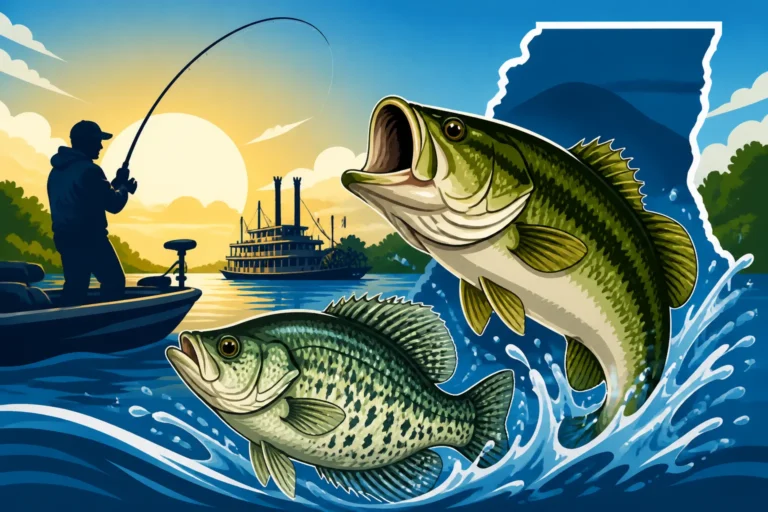
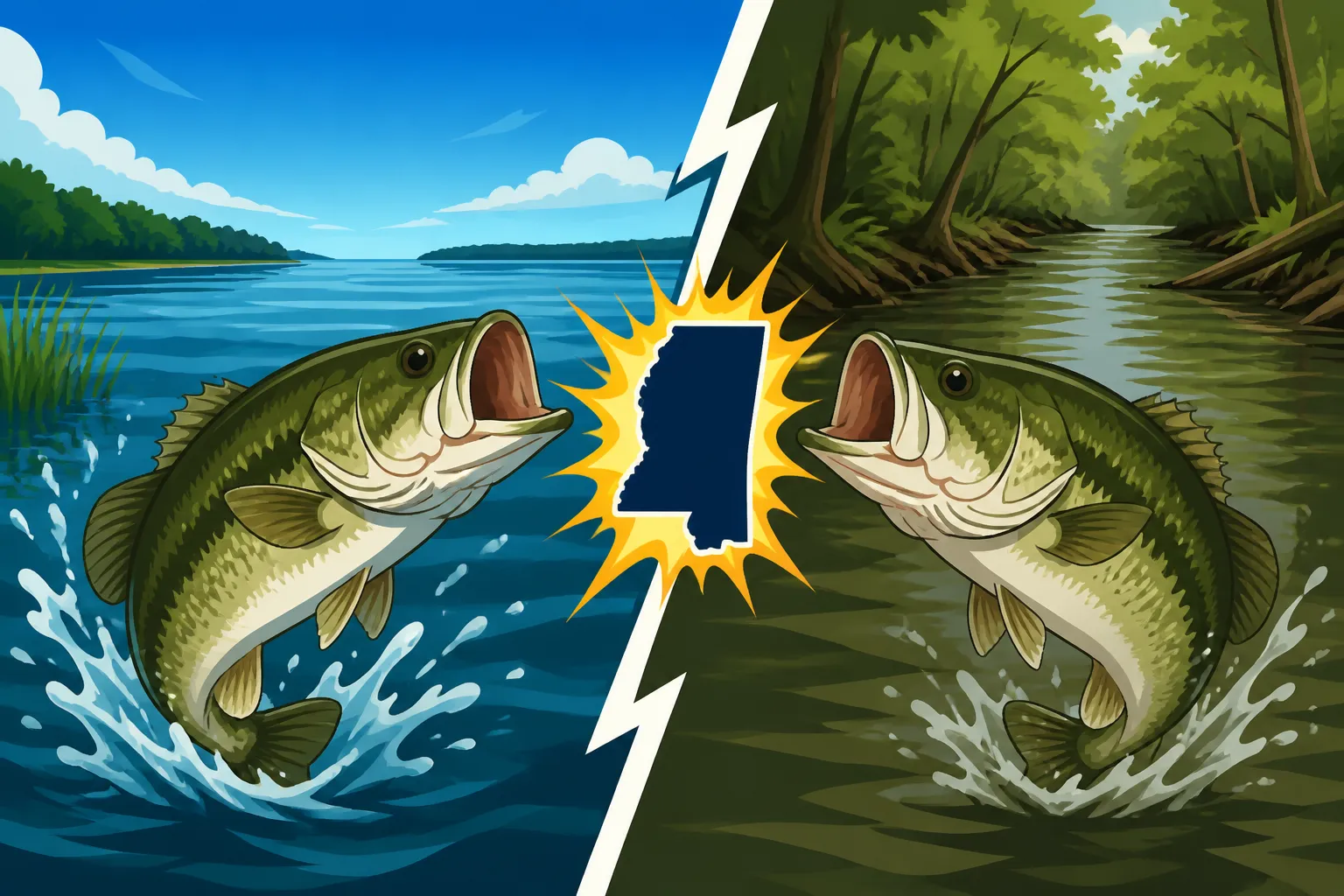
For any angler looking to tackle Ross Barnett Reservoir, the name "Pelahatchie" often sparks a common question: should I focus on the expansive Pelahatchie Bay or venture deeper into the winding Pelahatchie Creek? It's a classic Mississippi fishing dilemma, and knowing the distinct characteristics of each can dramatically improve your bass fishing success. This guide will meticulously break down the unique attributes of both areas, helping you decide where to cast your line for largemouth bass, no matter the season or conditions.
Understanding Pelahatchie Bay's Bass Appeal
Pelahatchie Bay, a prominent arm of the massive Ross Barnett Reservoir, offers a vast and diverse environment for largemouth bass. Its open waters and intricate shoreline provide a different challenge and opportunity compared to its creek counterpart. Many local anglers consider the bay a prime location, especially when the conditions are just right.
Geographical Features and Habitat
The bay itself is quite large, stretching out with wide, open expanses that eventually narrow as you approach the mouth of the creek. Its depths can vary significantly, from shallow, fertile flats teeming with submerged vegetation to deeper channels and drop-offs. One of the defining features of Pelahatchie Bay is the abundance of hydrilla, milfoil, and other aquatic grasses. These dense grass beds create incredible ambush points and cover for bass, particularly the larger ones. You'll also find plenty of man-made structures like docks, piers, and brush piles, which act as magnets for baitfish and, consequently, hungry bass. The connection to the main reservoir means the bay often experiences a healthy exchange of water, bringing in nutrients and new schools of fish. Understanding these diverse habitats is key to uncovering the best fishing spots in Mississippi.
Seasonal Bass Patterns in the Bay
Bass fishing in Pelahatchie Bay is highly seasonal, with different patterns emerging throughout the year. In the spring, as water temperatures begin to climb, bass move into the shallower, sun-warmed areas of the bay to spawn. During this time, you'll often find them guarding beds in protected coves or along grass lines. Post-spawn, they might linger near these areas, recuperating and feeding heavily on baitfish. Summer sees bass retreating to deeper, cooler waters or burying themselves deep within the dense grass beds, often moving out to main lake points or deep creek channels. The fall is a particularly exciting time as bass become more active, chasing schools of shad in preparation for winter. They can be found cruising the outer edges of grass lines or suspending over deeper water near bait concentrations. In winter, bass tend to school up in deeper pockets, often relating to submerged timber or channel swings, where they conserve energy and feed opportunistically. To truly unlock the potential of this area, it's wise to consider the Best Time of Year to Fish Ross Barnett Reservoir and tailor your approach.
Effective Techniques and Lures for Bay Bass
Given the bay's varied structure and seasonal changes, a versatile approach is often best. For those abundant grass beds, flipping and pitching jigs or soft plastics like creature baits and Texas-rigged worms can be incredibly effective, especially when bass are buried deep. Spinnerbaits and chatterbaits are excellent for working the edges of grass or covering broader flats when bass are actively feeding. Topwater lures, such as frogs or poppers, shine during low-light conditions or over matted vegetation in the summer. When bass are holding deeper, crankbaits, especially those designed to dive into specific depth ranges, or even shaky heads and drop shots, can coax bites from lethargic fish. Don't forget the power of lipless crankbaits for ripping through grass or covering water quickly to locate active schools. For specific guidance on what to throw, exploring resources on Best Lures for Largemouth Bass can provide excellent insights.
Deciphering Pelahatchie Creek's Bass Potential
Pelahatchie Creek, in contrast to the bay, offers a more intimate and often more predictable bass fishing experience, particularly for those who prefer to "creek fish." Its narrower confines and distinct current often concentrate fish in specific areas, making them easier to pattern.
Creek Characteristics and Environment
As you move up Pelahatchie Creek, the landscape changes dramatically. The wide-open bay narrows into a distinct channel, often flanked by steeper banks and more visible cover. The creek itself is typically shallower than the main bay, especially further upstream, and is heavily influenced by current, particularly after significant rainfall or when the reservoir's water levels fluctuate. This current creates natural ambush points around log jams, fallen trees, and rock formations. You'll find fewer expansive grass beds here, replaced instead by shoreline cover like cypress trees, laydowns, and undercut banks. These features are classic spots for largemouth bass fishing in Mississippi. The water in the creek can also be more susceptible to turbidity after heavy rains, which can either shut down the bite or concentrate fish depending on the severity and duration.
Seasonal Bass Movement in the Creek
The seasonal patterns in Pelahatchie Creek are often amplified by the narrower environment. During the spring, the creek acts as a major highway for bass migrating upstream to spawn. They'll move into the shallower, warmer backwaters and oxbows off the main creek channel. This is prime time for sight fishing or targeting shallow cover. Once the spawn is complete, bass gradually make their way back down the creek, often pausing on creek channel bends or deeper holes to feed and recover. In the summer, the creek's shallower waters can become quite warm, pushing bass to seek out cooler, deeper pockets, often congregating around current breaks or any available shade. Fall sees a strong push of baitfish up the creek, followed closely by bass, creating excellent opportunities for aggressive feeding frenzies, especially on moving baits. Winter bass in the creek will typically hold tight to deep cover, seeking refuge from cold fronts and fluctuating water levels, often in the deepest bends or behind large log jams.
Top Strategies and Baits for Creek Bass
Creek fishing for bass often demands a different set of tactics than bay fishing. Since current and shoreline cover are dominant factors, pitching and flipping become paramount. Heavy jigs, creature baits, and worms are ideal for dissecting log jams, fallen trees, and undercut banks. Squarebill crankbaits and shallow-diving crankbaits excel at deflecting off timber and rocks in the main channel, imitating fleeing baitfish. Spinnerbaits are also highly effective, particularly when fish are scattered or when working around stained water conditions. When bass are particularly wary or tightly bunched, a shaky head or a Ned rig can be surprisingly productive, offering a subtle presentation. For those interested in deeper insights, articles focusing on Bass Fishing Techniques for Mississippi Anglers often cover these creek-specific approaches in detail. Utilizing a service like FishingBooker might even connect you with a local guide who specializes in navigating Pelahatchie Creek and can show you these techniques firsthand.
The Head-to-Head: Bay vs. Creek for Your Next Bass Trip
Deciding between Pelahatchie Bay and Pelahatchie Creek often comes down to current conditions, personal preference, and the type of fishing experience you're seeking. Both offer fantastic bass fishing, but their optimal times and approaches differ significantly.
When to Choose the Bay
Pelahatchie Bay truly shines when conditions are stable, and you're looking for areas with extensive aquatic vegetation. It's often the better choice for targeting larger schools of bass, especially during the fall when they gang up to chase shad. If you enjoy fishing vast grass flats with topwater frogs, buzzing a spinnerbait over hydrilla, or flipping heavy jigs into thick cover, the bay is your playground. It’s also generally more forgiving on windy days than the exposed main lake, though it can still get choppy. The bay offers more room to roam, allowing for longer drifts and covering more water. If you're hoping to learn the ins and outs of a particular area, using a platform like FishingBooker to find a local guide can be invaluable for understanding the nuanced patterns of the bay and the Where to Catch Bass at Ross Barnett Reservoir specifics.
When to Head to the Creek
Pelahatchie Creek is often the go-to spot when conditions are tougher on the main lake or bay. After a strong cold front, bass frequently retreat into the creek's more sheltered waters. When the main lake is clear and calm, the creek's slightly stained water can often produce better bites. It's an excellent choice during the early spring spawning migration, where bass are concentrated and predictable as they move upstream. If you prefer targeting distinct pieces of cover like laydowns, cypress trees, or current seams, the creek offers endless opportunities. It’s also fantastic for those who enjoy a more methodical, cover-to-cover style of fishing. Additionally, if you're looking for a slightly more intimate experience, away from potentially crowded main lake areas, the creek can be incredibly rewarding.
Overlapping Zones and Transition Areas
It's important to remember that Pelahatchie Bay and Pelahatchie Creek are not entirely separate entities; they are connected, and there are critical transition zones that can be goldmines for bass. The area where the wider bay starts to constrict into the creek can hold bass that are staging to move either direction or are simply feeding in the rich convergence of habitats. These "funnel" areas often have a mix of bay-like grass and creek-like current breaks, offering the best of both worlds. Fishing these transition lines with a combination of techniques, like casting a crankbait along a current seam while also flipping a jig into a nearby log jam, can be incredibly productive. Bass are constantly moving, and these in-between areas serve as highways and feeding grounds, providing unique challenges and rewards for anglers who pay close attention.
Here's a quick comparison to help you weigh your options:
| Feature | Pelahatchie Bay | Pelahatchie Creek |
|---|---|---|
| Key Habitat | Extensive grass beds (hydrilla, milfoil), docks, brush piles, open flats | Log jams, fallen trees, cypress trees, undercut banks, current breaks |
| Typical Depth | Varies widely, from shallow flats to deeper channels | Generally shallower, with distinct deeper bends/holes |
| Water Clarity | Often clearer, but can stain after heavy rain | More prone to staining, especially upstream |
| Primary Influence | Lake levels, wind, extensive cover | Current, water flow, shoreline cover |
| Best Seasons | Fall (shad run), late spring (post-spawn), summer (deep grass) | Early spring (spawn run), post-front, high water conditions |
| Preferred Techniques | Flipping/pitching grass, topwater frogs, spinnerbaits, crankbaits, lipless crankbaits | Flipping/pitching wood, squarebill crankbaits, spinnerbaits, shaky heads |
| Pros | Huge area to explore, trophy potential in grass, diverse patterns | More concentrated fish, predictable cover, can be great post-front |
| Cons | Can be wind-affected, hard to pattern without current knowledge | Can get very muddy, limited open water, can get crowded in peak season |
Navigating Regulations and Resources for Pelahatchie Fishing
Before you head out to either Pelahatchie Bay or Pelahatchie Creek, it's absolutely crucial to be familiar with the fishing regulations for Ross Barnett Reservoir. Mississippi's rules are designed to protect the fishery and ensure sustainable angling for everyone. This includes understanding statewide creel limits for bass, which typically allow for a certain number of fish per day, often with specific size restrictions. Always check the latest information from the Mississippi Department of Wildlife, Fisheries, and Parks (MDWFP) to ensure compliance.
You'll also need a valid Mississippi fishing license. Whether you're a resident or a visitor, obtaining the correct license is non-negotiable. You can usually purchase these online, at local bait shops, or through various vendors across the state. Remember, getting caught without a license can lead to fines and penalties, which nobody wants after a relaxing day on the water. For more detailed information on permits and rules, make sure to read our comprehensive Mississippi Fishing Regulations Explained and Mississippi Fishing License Guide. Knowing these details ensures your trip is enjoyable and compliant.
If you're still feeling a bit overwhelmed by the choices or just want to maximize your chances, consider hiring a local fishing guide. Many experienced guides specialize in Ross Barnett and can quickly put you on fish, whether they're biting in the grass of Pelahatchie Bay or holding tight to cover in Pelahatchie Creek. Websites like FishingBooker are excellent resources for finding reputable guides with detailed reviews and specific expertise in these prime bass fishing areas. They can provide all the necessary gear, local knowledge, and put you on the fish, making your trip stress-free and productive. This can be particularly beneficial if you're exploring Mississippi Freshwater Fishing Rules for the first time or are visiting from out of state.
Ultimately, both Pelahatchie Bay and Pelahatchie Creek offer phenomenal bass fishing opportunities on Ross Barnett Reservoir. Your best bet is to understand the current conditions, know the seasonal patterns, and adapt your approach accordingly. Sometimes, the most successful day involves fishing both, leveraging the strengths of each unique environment as the day unfolds!
Disclaimer
The information provided in this guide is for general informational purposes only and is based on typical conditions and practices. Fishing conditions, regulations, and fish behavior can change rapidly. Always consult the latest official regulations from the Mississippi Department of Wildlife, Fisheries, and Parks (MDWFP) before engaging in any fishing activities. Adherence to all local, state, and federal laws is the sole responsibility of the angler.