Neshoba County Lake Fishing Access
Finding reliable and detailed information about fishing access can be a real headache, leaving you scrambling last minute or worse, arriving to find no easy way to get your line in the water. For those looking to explore the quiet charm of central Mississippi, understanding Neshoba County Lake's fishing access points is key to a smooth and successful outing, and this guide will break down everything you need to know to plan your trip effectively.
Understanding Neshoba County Lake
Neshoba County Lake offers a serene escape for anglers in Mississippi, providing a consistent and enjoyable fishing experience. It's one of the state's public fishing lakes, carefully managed to ensure healthy fish populations and accessible recreation. Getting to know the basics of this lake will set the stage for a great day on the water.
Lake Overview and Location
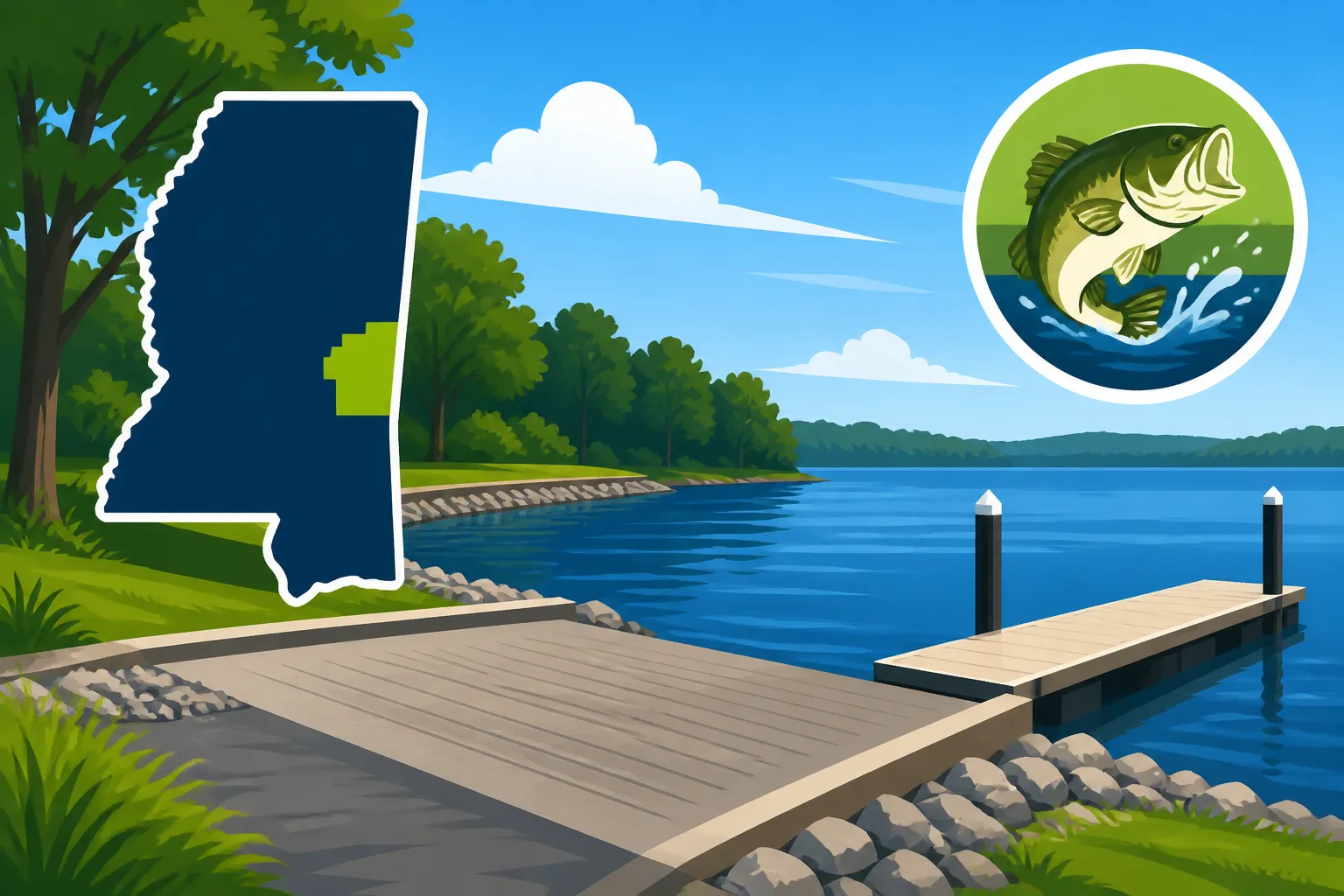
Neshoba County Lake is a beautiful freshwater impoundment nestled in the heart of Mississippi, specifically managed by the Mississippi Department of Wildlife, Fisheries, and Parks (MDWFP). This isn't one of those massive reservoirs that can feel overwhelming; at approximately 130 acres, it's a wonderfully manageable size, perfect for a peaceful day of fishing without the heavy boat traffic you might find on larger bodies of water. You'll find it situated about seven miles west of Philadelphia, Mississippi, easily accessible from Highway 16. The relatively small size makes it a fantastic spot for anglers who prefer to explore a lake thoroughly in a single outing, or for those with smaller boats, kayaks, and canoes. The surrounding area is typically quiet and rural, adding to its appeal as a tranquil fishing destination, truly validating the desire many of us have for a calm retreat away from the hustle and bustle.
Primary Fish Species
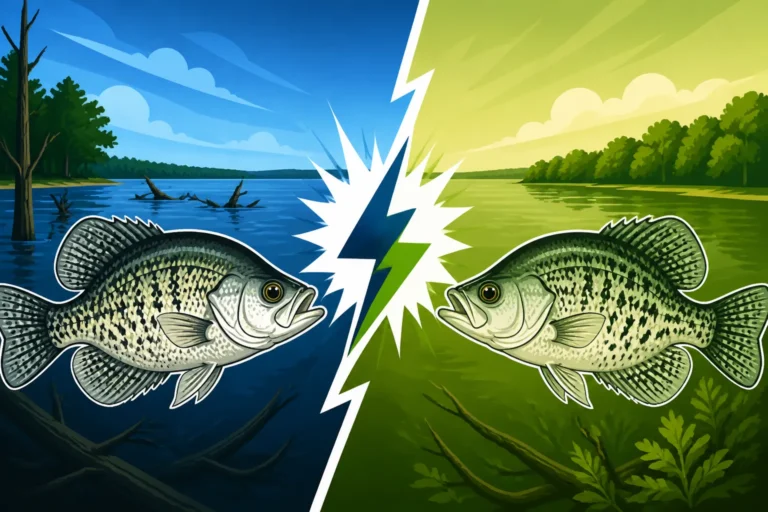
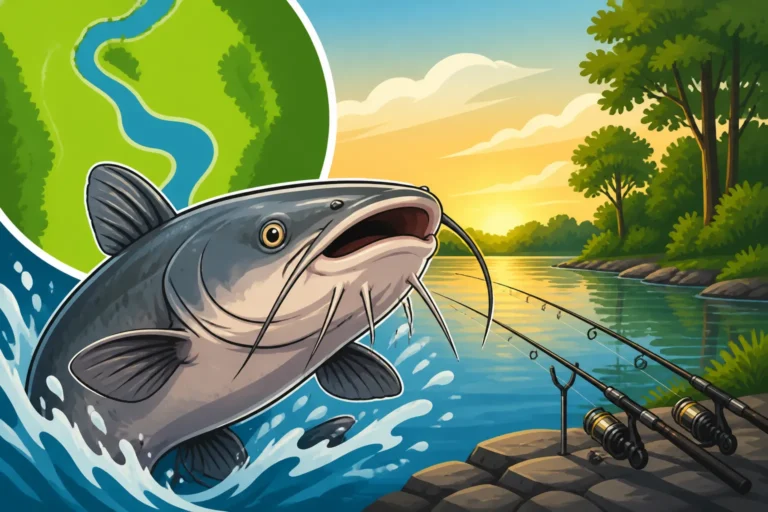
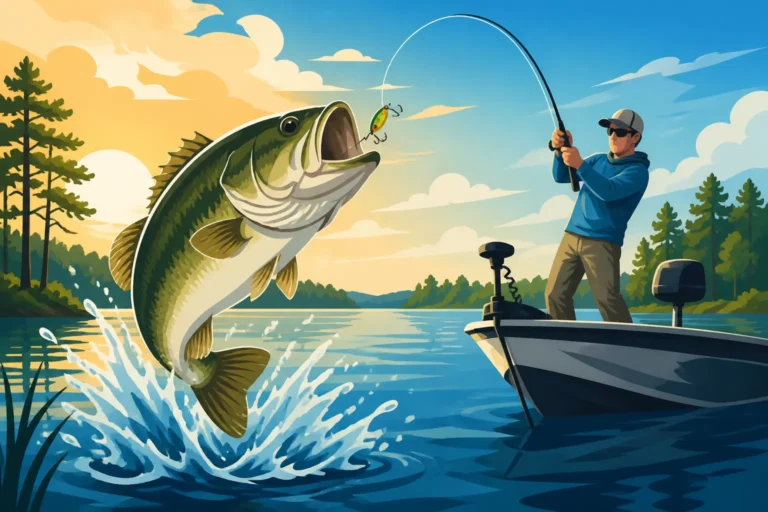
When you drop a line in Neshoba County Lake, you're primarily targeting some of Mississippi's most popular game fish. The lake is well-known for its healthy populations of largemouth bass, which often attract serious anglers looking for a good fight. Beyond bass, crappie fishing here can be excellent, especially during the cooler months and around the spawn. Anglers also find success with a variety of panfish, including bream (bluegill and redear sunfish), which are always a hit with families and those looking for consistent action. And, of course, no Mississippi freshwater lake would be complete without a good population of catfish, which provide excellent opportunities for both bank and boat anglers. If you're keen on specific tactics for these species, you might find our guide on Mississippi Freshwater Fish Species Guide particularly helpful. The MDWFP actively manages these populations through stocking and habitat improvement, meaning you generally have a good chance of success no matter your target species.
Key Access Points and Facilities
Having clear, reliable information about where you can launch your boat or set up your bank fishing spot is paramount. There’s nothing worse than driving all the way to a lake only to find confusing signage or inadequate facilities. Thankfully, Neshoba County Lake is set up to provide straightforward access for a variety of angling preferences.
Boat Ramps and Launches
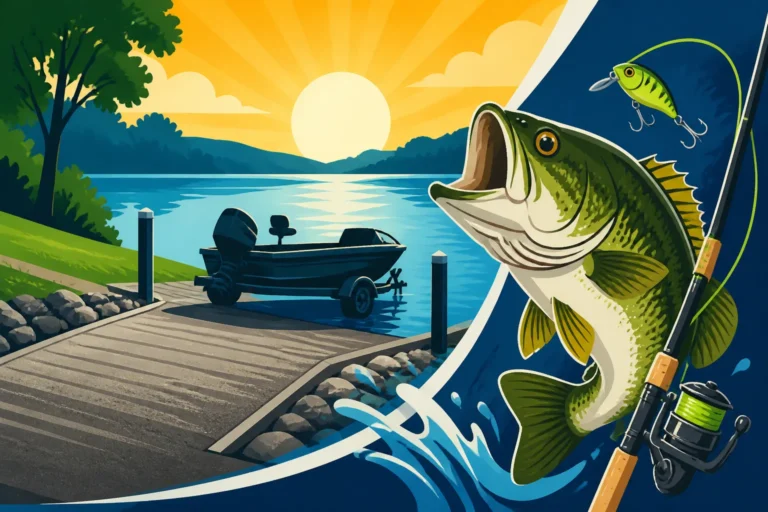
Neshoba County Lake boasts a well-maintained public boat ramp that makes getting your vessel into the water a breeze. This ramp is typically paved, offering solid footing for trailer launching, which is a huge relief compared to some of the rougher, unpaved ramps you sometimes encounter. There’s ample parking available, designed to accommodate vehicles with trailers, so you shouldn't have to worry about a long trek from your parking spot to the launch. The ramp's design allows for relatively easy launching even with a decent-sized bass boat, but it's also perfectly suited for smaller jon boats, kayaks, and canoes. You'll find the ramp on the north side of the lake, clearly marked. While the lake isn't huge, having a good, accessible boat ramp is vital for maximizing your time on the water, especially if you're planning to target those deeper crappie or bass hiding in submerged structures.
Bank Fishing Opportunities
For those who prefer to keep their feet on solid ground, Neshoba County Lake offers several excellent bank fishing opportunities. Along sections of the shoreline, particularly near the boat ramp and dam areas, you'll find spots where the bank is clear and accessible, making it easy to cast out. These areas are fantastic for families with kids or anyone who enjoys the simplicity of fishing from shore. You can often find success here targeting bream and catfish, especially with simple live bait setups. The MDWFP has put effort into maintaining these public access points, ensuring that you don't have to bushwhack your way through dense vegetation just to find a spot. It’s always a good idea to bring a comfortable chair, some shade, and plenty of bug spray, as you would for any great day of Bank Fishing Tips for Beginners. These spots provide a low-barrier entry to enjoy fishing, perfect if you’re just starting out or just want a relaxing afternoon without the hassle of a boat.
Pier and Dock Fishing
Adding to its accessibility, Neshoba County Lake also features a fishing pier, which is a huge plus for anglers of all ages and abilities. This pier provides a safe and stable platform to fish from, extending out into the lake to give you access to deeper water than you might reach from the bank. It's a prime spot for catching crappie and various panfish, and sometimes even a cruising bass or catfish. The pier is typically equipped with railings, offering an extra layer of safety, especially for children. It’s a fantastic amenity for those who don’t own a boat, have mobility challenges, or simply enjoy the social aspect of pier fishing. These types of facilities truly make fishing more inclusive, eliminating the frustration of feeling like you need specialized equipment just to enjoy the sport. The pier usually offers good access to brush piles and structure that hold fish, giving you a distinct advantage over simply casting from the shore.
Navigating Regulations and Permits
Fishing in Mississippi, like anywhere else, comes with its own set of rules and requirements. It’s not just about what bait to use or where to cast; it’s critically important to understand the licenses and specific lake regulations to avoid fines and ensure sustainable fishing for everyone. Many anglers feel confused by the various requirements, but clarifying them upfront makes your trip much more enjoyable.
Mississippi Fishing License Requirements
First and foremost, if you're 16 years of age or older and plan to fish in Neshoba County Lake, you must possess a valid Mississippi fishing license. This isn't just a suggestion; it's a legal requirement enforced by MDWFP wildlife conservation officers. Whether you're a resident or a non-resident, the state has different license options to suit your needs, from annual licenses for frequent visitors to shorter-term permits for those just passing through. Residents generally benefit from lower fees, and there are often special licenses or exemptions for seniors, youth, and disabled veterans. You can purchase these licenses online through the MDWFP website, at numerous license vendors across the state, or even over the phone. Make sure to check out our comprehensive Mississippi Fishing License Guide to ensure you have the correct permit for your trip. Trust me, it's far better to spend a few dollars on a license than to face a hefty fine and a ruined fishing day.
Specific Lake Rules and Permits
While your state fishing license is mandatory, Neshoba County Lake, being an MDWFP State Fishing Lake, might also have a few additional site-specific rules or permits. For instance, some state-managed lakes require a daily lake permit fee in addition to your statewide fishing license. This fee helps cover the operational costs and maintenance of the lake and its facilities. It's a small price to pay for a well-maintained fishing spot! Always check the signage posted at the lake entrance, boat ramps, and around the pier for any specific rules regarding hours of operation, motor restrictions (some smaller lakes limit motor size or prohibit gas motors entirely), or other unique regulations. For instance, lakes that are part of a state park system might have different rules than independent MDWFP lakes, so it's always worth a quick check. Being aware of these local nuances prevents any unwelcome surprises and ensures you're fishing responsibly.
Creel and Size Limits for Neshoba Lake
Understanding the creel (daily bag) and size limits is just as important as having your license. These regulations are in place to manage fish populations, prevent overfishing, and promote healthy growth, ensuring that Neshoba County Lake remains a productive fishery for years to come. While statewide limits apply to most species, some lakes, including state fishing lakes like Neshoba, can have specific variations. For example, the daily limit for largemouth bass might be set lower, or there might be a slot limit to protect larger, spawning fish. Crappie limits can also vary from lake to lake. You'll typically find these specific limits posted prominently at the lake, often alongside the general rules. A quick check of the MDWFP's annual fishing regulations booklet (available online or at license vendors) or our guide on Mississippi Fishing Creel and Size Limits will give you all the details you need. Always measure your catch carefully, and if a fish doesn't meet the minimum size or you've already hit your daily limit, release it gently to fight another day.
| Fish Species | Statewide Daily Limit | Statewide Size Limit | Neshoba Lake Specifics (Check Local Signage) |
|---|---|---|---|
| Largemouth Bass | 10 | 12-inch minimum | Often 5, 12-inch minimum (check for slot limits) |
| Crappie | 30 | 9-inch minimum | Standard 30, 9-inch minimum |
| Bream (Bluegill) | 50 | No minimum | Standard 50 |
| Catfish (Channel) | 100 (combination) | No minimum | Often 10 (check for Flathead/Blue limits) |
| Catfish (Flathead) | 100 (combination) | No minimum | Often 10 (check for specific Flathead size) |
Note: The "Neshoba Lake Specifics" are common examples for state fishing lakes; always confirm current regulations at the lake or MDWFP website before fishing, as rules can change.
Essential Tips for Fishing Neshoba County Lake
Fishing success often boils down to preparation and understanding the nuances of the particular body of water you're visiting. Neshoba County Lake, while smaller, has its own characteristics that, once understood, can significantly improve your chances of a memorable catch.
Best Seasons and Times to Fish
Just like any body of water, Neshoba County Lake experiences seasonal shifts that impact fish behavior. Spring is often considered prime time, particularly from March through May, as both bass and crappie move into shallower waters for their spawning rituals. During this period, you'll find fish more aggressive and easier to locate, making it a fantastic time for both boat and bank anglers. Early mornings and late evenings are typically the most productive hours during spring and summer, as cooler temperatures encourage fish to feed actively.
As summer heats up, fish tend to move to deeper, cooler waters or seek cover under submerged structures. This is when understanding techniques like Deep Water Crappie Fishing Techniques becomes invaluable. Fall can also be excellent, as temperatures cool and fish go on a feeding frenzy to prepare for winter. Winter fishing, while slower, can still yield good results, especially for crappie that congregate in predictable deep-water channels or brush piles. Checking a local fishing report or even inquiring at nearby tackle shops can give you hyper-local insights into what's biting when. If you're planning a trip and want the best chance, consider booking a local guide. Services like FishingBooker can connect you with experienced anglers who know Neshoba County Lake inside and out.
Recommended Baits and Techniques
Neshoba County Lake offers a variety of species, and adapting your baits and techniques to match them will make a huge difference. For largemouth bass, common choices include plastic worms, spinnerbaits, crankbaits, and topwater lures, especially around submerged timber, lily pads, and grass beds. During the spawn, shaky heads or weightless Texas-rigged plastics can be deadly.
Crappie anglers often find success with small jigs (1/16 to 1/8 oz) tipped with a soft plastic grub or a live minnow. Trolling with multiple rods (spider rigging) can be effective in open water, while vertical jigging around brush piles or standing timber works wonders for suspended fish. If you're targeting bream, simple crickets, red worms, or small beetle spins will almost guarantee action, especially around the edges of vegetation or near the fishing pier. Catfish respond well to stink baits, cut bait, or chicken livers fished on the bottom, particularly in deeper holes or near the dam. For more detailed insights, you could explore our guide on Best Bait for Crappie in Mississippi or Best Bait for Catfish in Mississippi. Sometimes, getting real-time advice from a local guide can make all the difference, and you can easily find reputable options on platforms like FishingBooker.
Navigating the Lake
Even on a smaller lake like Neshoba County Lake, effective navigation can enhance your fishing experience. With its manageable size, it’s easier to learn the contours and key structures. Pay attention to any submerged timber, brush piles (some of which may be intentionally placed by MDWFP for fish habitat), and depth changes. A good depth finder or fish finder is always a valuable tool, helping you locate schools of crappie or identify bass-holding structure, making it much easier to put your bait in the strike zone. If you're new to the lake, starting near the obvious features like the dam or the mouth of any small creeks feeding into the lake can be productive. Remember that smaller lakes often mean quieter fishing, so respect other anglers' space, especially if they’ve found a hot spot. If you’re really keen on getting the lay of the land quickly, consider hiring a local guide. Many professional guides, often found through services like FishingBooker, specialize in these types of state lakes and can teach you the ropes in just a few hours. This can be particularly useful if you're only visiting for a short time and want to maximize your fishing success rather than spending hours trying to figure out the best spots.
Disclaimer
The information provided in this guide is for general informational purposes only and is subject to change. Fishing regulations, license requirements, and lake-specific rules can be updated by the Mississippi Department of Wildlife, Fisheries, and Parks (MDWFP). Always consult the official MDWFP website or their latest printed regulations booklet before your trip to ensure compliance. Relying solely on this guide without verifying current regulations is at your own risk.