Grenada Lake vs Sardis Lake for Crappie
Deciding where to cast your line for crappie in Mississippi can feel like choosing between two prized jewels, especially when Grenada Lake and Sardis Lake are on the table. Both reservoirs have legendary reputations as crappie powerhouses, drawing anglers from across the nation, but they each offer distinct experiences and challenges. This comprehensive guide will meticulously break down what makes each lake special, compare their unique features, and help you determine which one might be the perfect destination for your next crappie fishing adventure.
Understanding Grenada Lake: A Crappie Paradise
Grenada Lake, nestled in north-central Mississippi, holds a special place in the hearts of crappie anglers. Often hailed as the "Crappie Capital of the World," its fame is well-deserved, built on a long history of producing both immense numbers of crappie and truly giant slabs. This U.S. Army Corps of Engineers flood control reservoir spans approximately 35,000 acres at pool stage, with dramatic water level fluctuations being a signature characteristic that profoundly impacts the fishing. It’s a lake that demands adaptability and understanding of its unique ebb and flow.
Grenada's Reputation and Unique Features
The allure of Grenada Lake lies in its incredibly fertile waters and diverse submerged structure. The lake bed is a mosaic of old creek channels, timber, brush piles, and roadbeds that become crappie magnets, especially during colder months. What truly sets Grenada apart is its capacity to grow crappie to astonishing sizes. It’s not uncommon to hear tales of 3-pound crappie, and fish exceeding the state record have been caught here, albeit unofficially. The sheer volume of fish means that even on a slow day, you're likely to put together a respectable catch, and on a good day, it can be a non-stop slab fest. This robust fishery is a testament to the lake's rich ecosystem, providing an abundant forage base that keeps the crappie growing big and healthy.
Another unique feature is the infamous "muddy water" reputation, particularly after heavy rains or during periods of significant runoff. While some anglers might see this as a drawback, seasoned Grenada regulars know how to adjust. The stained water often concentrates crappie around specific cover and can make them less spooky, leading to some of the most phenomenal bites. It requires a different approach, perhaps using brighter jig colors or relying more on scent, but the rewards are often worth the effort. For those looking to understand the local nuances, seeking a guide through platforms like FishingBooker can provide invaluable insights into navigating these conditions and finding the fish.
Key Crappie Patterns and Techniques
Fishing Grenada Lake for crappie demands a versatile approach, as conditions can change rapidly. One of the most popular and productive methods, especially when crappie are in deeper channels or concentrated brush piles, is spider rigging. This technique involves using multiple long rods extended from the front of the boat, each rigged with a jig or minnow, allowing you to cover a wide area and present baits at various depths simultaneously. It’s particularly effective when crappie are suspended or holding tight to structure along old creek beds. The expansive open water areas and the numerous underwater features of Grenada make it an ideal setting for this method.
During the spring spawn, when crappie move into shallower waters to reproduce, single pole jigging or casting small jigs to visible cover like submerged bushes, stumps, or cypress trees becomes incredibly effective. The crappie will often stage in these shallower zones, making them accessible to both boat and bank anglers. Knowing the local "Crappie Fishing Techniques for Mississippi Lakes" is crucial here. As the seasons progress and water temperatures rise or fall, adjusting your depth and presentation is key. Many anglers also find success trolling jigs or live minnows, especially in the larger, more open bays, covering significant ground to locate active schools. Keeping an eye on the Grenada Lake Fishing Guide for the most current information and tips is always a good idea.
Best Times and Access Points
While Grenada Lake can produce crappie year-round, certain seasons truly shine. Spring, from March through May, is arguably the most celebrated time due to the shallow water spawn, offering some of the easiest crappie fishing. Anglers can target visible cover or use sonar to pinpoint schooling fish. Fall, as water temperatures begin to drop, also brings excellent action as crappie feed aggressively to prepare for winter. Even winter fishing can be fantastic, though it often requires more specialized deep-water techniques. To dive deeper into seasonal patterns, check out our guide on the Best Time to Fish Grenada Lake for Crappie.
Access to Grenada Lake is generally excellent, with numerous public boat ramps and recreation areas maintained by the U.S. Army Corps of Engineers. Popular ramps include North Graysport, Skuna Turkey Creek, and Wolf Creek, offering ample parking and easy launching, even for larger boats. For bank anglers, areas around the Spillway and various recreation points provide opportunities, particularly during the spring spawn when crappie move closer to shore. Always be mindful of fluctuating water levels, as they can impact ramp usability and access to certain areas. Local bait shops, often found near these access points, are also fantastic resources for current conditions and what baits are working best.
Diving into Sardis Lake: A Northern Mississippi Gem
Just a stone's throw north of Grenada, Sardis Lake stands as another jewel in Mississippi’s crappie fishing crown. Also a U.S. Army Corps of Engineers reservoir, Sardis is slightly smaller than Grenada, covering about 32,000 acres at pool stage. While it may not carry the "Crappie Capital" moniker, Sardis is a consistent producer of healthy, quality crappie, and many anglers prefer its slightly clearer waters and different fishing dynamics. It's a lake known for its beautiful scenery and robust crappie population, offering a fantastic angling experience that complements its southern counterpart.
Sardis's Appeal and Distinct Characteristics
Sardis Lake offers a different kind of crappie fishing experience compared to Grenada. While still prone to some turbidity, its waters are often clearer, which can sometimes make crappie a bit warier but also allows for sight fishing in certain conditions. The lake is characterized by extensive submerged timber, particularly in its upper reaches, and numerous creek channels that wind through the reservoir. These structural elements provide countless hiding spots and ambush points for crappie throughout the year. The diverse habitat supports a thriving crappie population, ensuring that anglers have plenty of targets.
One of Sardis's key appeals is its consistent yield of good-sized white and black crappie. While it might not produce as many "hawgs" as Grenada on an average day, the average size of crappie caught in Sardis is often very respectable, making it a great destination for anglers looking for a good fight and delicious fillets. The lake's management by the MDWFP focuses on maintaining a healthy fishery, often resulting in strong year classes of crappie. The subtle differences in water clarity, forage base, and structure create a unique fishery that many loyal anglers find irresistible. To learn more about its specific rules, check out our guide on the Sardis Lake Crappie Size Limit.
Effective Crappie Strategies for Sardis
Crappie fishing on Sardis Lake often mirrors some techniques used on Grenada, but with slight variations adapted to its unique environment. Trolling jigs or live minnows is a highly effective method, especially in the clearer main lake areas and along defined creek channels. Many anglers will "long-line" troll, pulling jigs a good distance behind the boat, or employ "tight-lining" to present baits vertically over structure. The abundance of submerged timber makes understanding your electronics crucial for pinpointing crappie holding tight to these cover-rich areas. For a more general overview of successful techniques, consider our piece on "Crappie Fishing Techniques for Mississippi Lakes".
During the spring, when crappie move shallow for the spawn, targeting brush piles, submerged bushes, and flooded timber in bays and coves becomes the primary strategy. Single pole jigging with small jigs or minnows is incredibly productive around this visible cover. Unlike Grenada, where stained water might allow for more aggressive presentations, Sardis's clearer water sometimes calls for a more subtle approach, perhaps using lighter lines and natural bait colors. As summer progresses, crappie move to deeper haunts, often suspending over creek channels or congregating around man-made fish attractors. Techniques like vertical jigging or even spider rigging become effective in these deeper presentations. For those looking for local expertise, consulting guides listed on platforms like FishingBooker can offer a significant advantage, as they possess in-depth knowledge of Sardis's ever-changing patterns.
Prime Seasons and Convenient Access
Just like Grenada, spring is a phenomenal time to chase crappie on Sardis Lake, primarily from March through May. The crappie move into the shallows, making them more accessible and predictable. Understanding "What Month Do Crappie Spawn in Mississippi?" can help you time your trip perfectly. Fall also offers fantastic fishing as crappie become more active, feeding heavily before winter sets in. During the hotter summer months, crappie often seek refuge in deeper, cooler water, and success typically involves targeting these deeper areas. Winter fishing can be productive too, especially for those willing to brave the colder temperatures for deep-water slabs.
Sardis Lake boasts excellent public access, with numerous boat ramps and recreation areas scattered around its perimeter. Popular access points include John W. Kyle State Park, Teckville, and the Dam Site. These ramps are well-maintained and can accommodate various boat sizes. For anglers who prefer bank fishing, areas around the spillway and accessible recreation spots provide opportunities, particularly when crappie are staging or spawning closer to shore. Always check water levels before heading out, as fluctuations can impact accessibility, especially during periods of drought or heavy rain. A comprehensive "Sardis Lake Fishing Guide" provides more details on specific access points and amenities.
Head-to-Head Comparison: Grenada vs. Sardis for Crappie
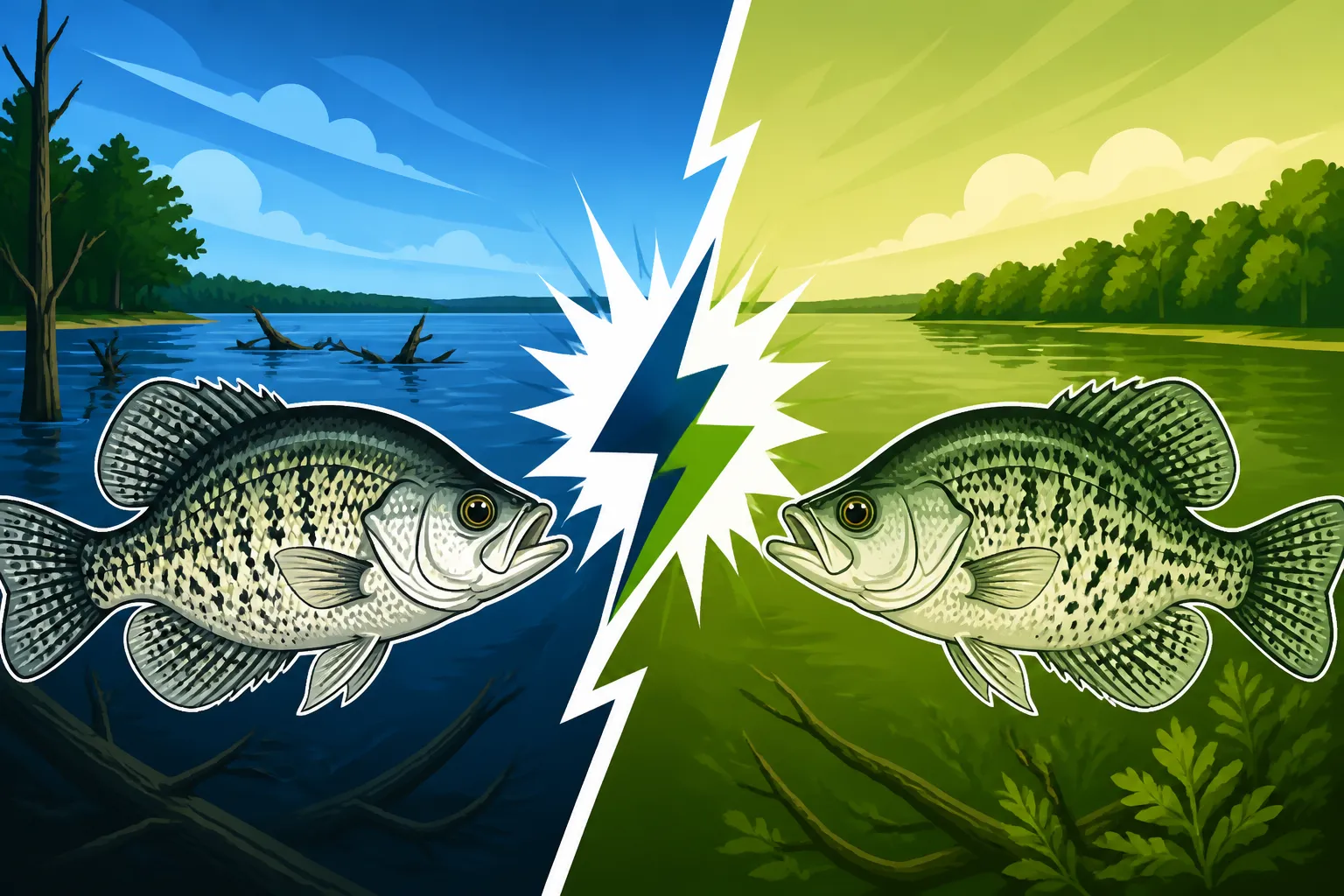
When pitting Grenada Lake against Sardis Lake for crappie fishing, it's not a matter of one being definitively "better" than the other, but rather which lake better suits your angling preferences and goals. Both are phenomenal fisheries, but their subtle differences create distinct fishing experiences. Understanding these nuances can help you make an informed decision and maximize your chances of a successful and enjoyable trip.
Size and Water Characteristics
In terms of sheer size, both lakes are substantial, with Grenada typically slightly larger at its pool stage (around 35,000 acres) compared to Sardis (around 32,000 acres). This difference isn't massive, but it does mean both offer vast expanses of water to explore. The primary distinction often comes down to water clarity. Grenada Lake is famously known for its often-stained or muddy water, particularly after rainfall or during periods of heavy current. This turbidity can be challenging for some but also works to concentrate crappie and make them less finicky, often leading to aggressive bites if you know where to look. It requires more reliance on sonar, scent, and vibration in your lure choices.
Sardis Lake, while not crystal clear, generally boasts clearer water than Grenada. This can translate to crappie being a bit more visual in their feeding, and sometimes a bit warier of boats and loud noises. Clearer water might also mean that certain visual lures or natural bait presentations become more effective. The habitat also differs slightly; Grenada has a lot of open water with deep creek channels and scattered brush, while Sardis features more extensive submerged timber, particularly in its upper sections, offering a different type of cover for crappie to relate to. Each characteristic influences the presentation and techniques that will be most successful on a given day.
Crappie Population and Trophy Potential
Both lakes are renowned for their crappie populations, supporting healthy numbers of both white and black crappie. However, Grenada Lake has historically held the reputation for producing truly gargantuan crappie. It's often where anglers go with the specific goal of catching a "slab" that could contend for a personal best or even state record. The lake's fertility and unique conditions seem to foster faster growth rates for some individuals, leading to those legendary 3-pound-plus fish. While you might not catch as many crappie on Grenada as you would on some other lakes on a tough day, the potential for a monster fish is always there, driving many to its waters.
Sardis Lake, on the other hand, is celebrated for its consistent production of good-sized crappie. While the absolute giants might be less frequent than on Grenada, Sardis typically offers a strong average size, with anglers often filling their livewells with solid 1.5- to 2-pound fish. It’s a lake where you can often catch high numbers of quality crappie, making it a fantastic choice for those looking for a productive day with plenty of action. The Mississippi Department of Wildlife, Fisheries, and Parks manages both lakes closely, and their "Mississippi Crappie Regulations by Lake" provide insights into maintaining these robust fisheries. Both lakes represent the pinnacle of "Best Crappie Lakes in Mississippi."
| Feature | Grenada Lake | Sardis Lake |
|---|---|---|
| Average Size Crappie | Excellent (1.5-2 lbs), high potential for 3+ lbs | Excellent (1.5-2 lbs), consistent quality |
| Trophy Potential | Very High (often produces state-record contenders) | High (produces many large fish) |
| Water Clarity | Often stained to muddy, especially after rain | Generally clearer than Grenada, can be stained |
| Primary Structure | Deep creek channels, scattered brush piles, roadbeds | Extensive submerged timber, creek channels |
| Key Techniques | Spider rigging, vertical jigging, single pole jigging | Trolling jigs/minnows, tight-lining, single pole jigging |
| Fishing Pressure (Peak) | High, especially during spawn periods | High, popular especially in spring |
| Best Season | Spring (spawn), Fall | Spring (spawn), Fall |
| Daily Limits | 30 crappie (Grenada Lake Crappie Daily Limit) | 30 crappie |
Fishing Pressure and Experience Level
Both Grenada and Sardis Lakes are immensely popular, and as a result, they can experience significant fishing pressure, particularly during peak seasons like the spring spawn. On a beautiful spring weekend, you can expect boat ramps to be bustling and popular fishing spots to have multiple boats working the same area. This is a common frustration for many anglers, but it’s simply a byproduct of fishing such productive waters. However, both lakes are large enough that if you're willing to explore, you can often find less crowded areas. Utilizing an experienced guide, perhaps booked through FishingBooker, can help you navigate these busy times and find less-pressured fish.
For beginners, Sardis Lake might offer a slightly more approachable experience due simply to its generally clearer water, which can make it easier to interpret sonar readings and understand what’s below the surface. The extensive timber provides distinct cover that can be easier to identify. Grenada, with its often-murky water and sometimes less obvious structure, can present a steeper learning curve, but the reward for mastering it is often unparalleled. Ultimately, both lakes can be fished successfully by anglers of all skill levels, but a willingness to learn and adapt to conditions is paramount. Don't forget that you will need a "Mississippi Fishing License Guide" no matter which lake you choose, so be sure to secure that beforehand. If you're wondering, "Do You Need a License to Fish in Mississippi?" the answer is almost always yes, for adults.
Making Your Choice: Which Lake is Right for Your Crappie Trip?
Deciding between Grenada and Sardis for your crappie adventure isn't about finding a "winner," but rather aligning the lake's characteristics with your personal fishing style, goals, and schedule. Both are iconic crappie destinations, each offering a unique charm and challenges that make them incredibly rewarding to fish. Consider these factors carefully to ensure your trip is everything you hoped for.
Factors to Consider for Your Trip
Firstly, think about your primary goal. If you're chasing that elusive, truly giant crappie – a potential personal best or even a state record contender – Grenada Lake might just edge out Sardis due to its reputation for producing those legendary slabs. The possibility, though never guaranteed, is a huge draw for many trophy hunters. However, if your aim is to consistently catch a high number of quality crappie, with plenty of good fighting fish for the cooler, Sardis Lake often delivers a more reliable experience in terms of sheer numbers of respectable-sized fish. Both lakes will put fish in the boat, but the emphasis can differ.
Secondly, consider your preferred fishing style and tolerance for varying water conditions. If you're adept at fishing stained or muddy water, enjoy the challenge of interpreting subtle sonar readings in low visibility, and appreciate the aggressive bites that can come from concentrated fish, Grenada is a fantastic choice. If you prefer slightly clearer waters, enjoy targeting visible timber, and perhaps value a more visually-oriented fishing experience, Sardis might be more to your liking. Techniques like spider rigging are effective on both, but the nuances of presentation might shift. Don't forget that you can always use services like FishingBooker to connect with local guides who are experts in navigating the specific conditions of either lake.
Combining a Trip: Can You Fish Both?
Given their relatively close proximity in Northern Mississippi, many anglers wonder if it's feasible to fish both Grenada and Sardis on a single trip. The answer is a resounding yes! For a multi-day fishing excursion, basing yourself somewhere central, perhaps near Batesville or Grenada, allows for relatively short drives to either lake. This approach offers the best of both worlds: you can experience Grenada's potential for monster crappie one day and then enjoy Sardis's consistent action the next. It also provides flexibility should one lake be experiencing challenging conditions (e.g., extreme water fluctuations or heavy post-rain runoff) that might make fishing difficult.
Planning a combined trip allows you to diversify your experience and truly appreciate what makes each reservoir unique. It means you can adapt to weather patterns or fishing reports more easily, maximizing your time on the water. For instance, if the "Grenada Lake Fishing Guide" reports heavy rain and very muddy conditions, you might opt for Sardis, where the water might be clearer. Conversely, if Grenada is in a hot bite, you can prioritize it. Just remember to account for travel time between the lakes and to ensure you have all the necessary permits and knowledge of "Mississippi Fishing Regulations Explained" for both bodies of water.
Disclaimer
Please note that fishing conditions, regulations, and access can change. Always consult the latest Mississippi Department of Wildlife, Fisheries, and Parks (MDWFP) regulations before heading out. The information provided in this guide is for general informational purposes only and does not constitute official legal or professional advice.