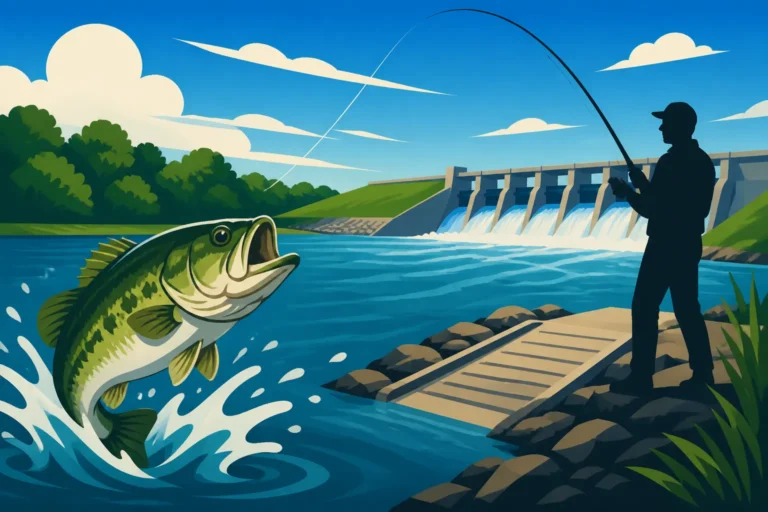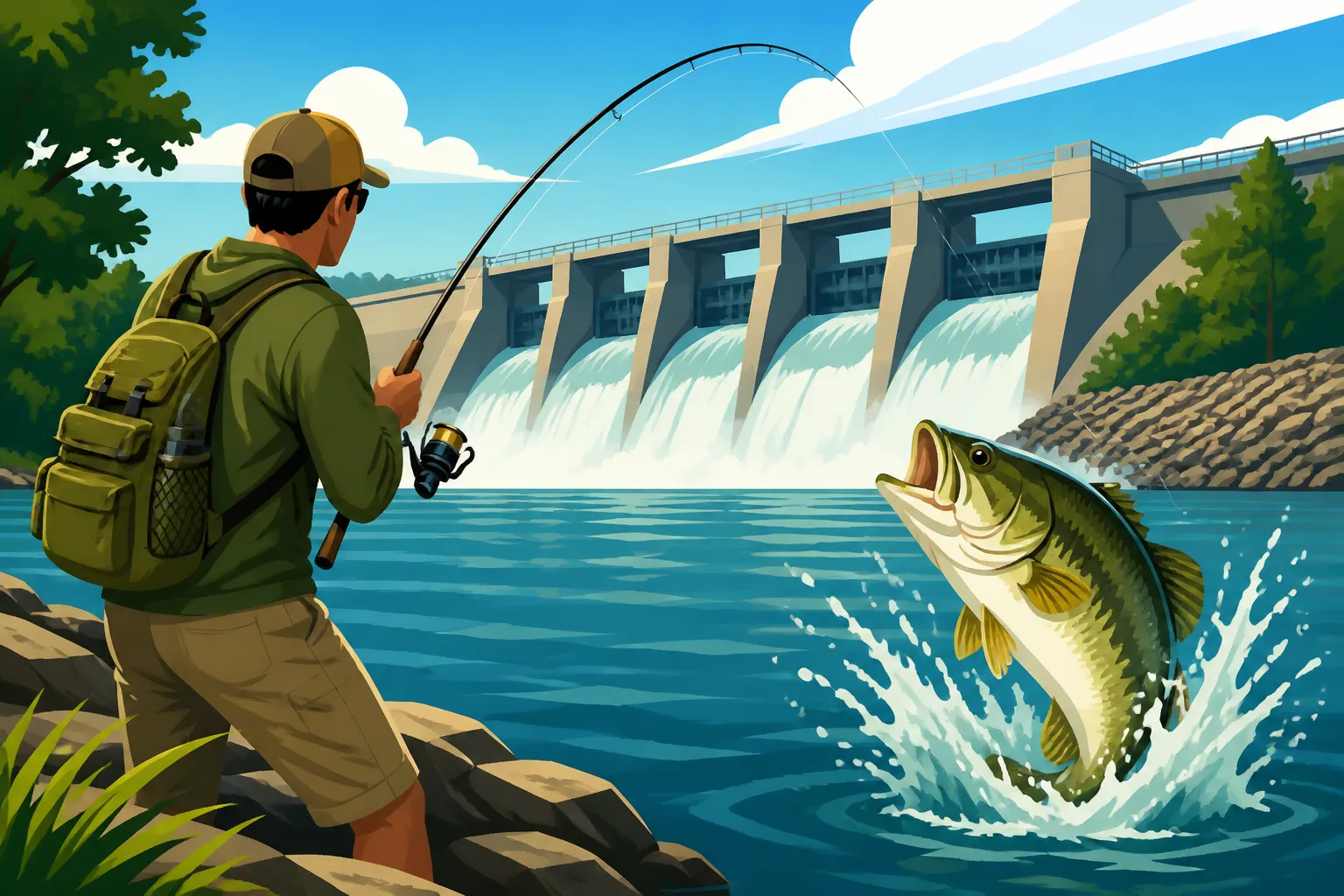
Ross Barnett Reservoir Spillway Fishing Access
Ever felt like you’ve hit all the usual spots on Ross Barnett Reservoir, but you’re yearning for a fishing adventure that offers a bit more punch, a different kind of challenge? The main lake is fantastic, no doubt, but sometimes the real excitement lies where the water churns and the fish stack up. If you've been curious about the intense, often incredibly productive fishing experience that the Ross Barnett Reservoir spillway offers, but felt intimidated by the currents or unsure about access, you’re in the right place. This comprehensive guide will walk you through everything you need to know to confidently and successfully fish the spillway, transforming that curiosity into a memorable fishing trip.
Understanding the Ross Barnett Reservoir Spillway as a Fishing Hotspot
The spillway area of the Ross Barnett Reservoir isn't just a place where water flows out; it's a vibrant, dynamic ecosystem that acts as a magnet for fish. Many anglers overlook it, either because they don't know about its potential or they're a little wary of the unique conditions. But those who figure it out often find themselves returning time and time again for some of the most consistent action the "Rez" has to offer. It's a different beast than the wide-open waters of the main lake, and understanding its intricacies is key to unlocking its secrets.
What Makes a Spillway So Productive?
Imagine a natural funnel, where everything gets concentrated. That's essentially what a spillway does for fish. The controlled release of water from the reservoir over the spillway creates a constant, oxygen-rich current downstream. This current isn't just a physical force; it's a lifeline for fish. It disorients baitfish, pushing them through a gauntlet where larger predatory fish lie in wait. Think of it like a conveyor belt of food. The increased oxygen levels, especially during warmer months when the main lake might be a bit lethargic, provide a comfortable environment for fish that prefer cooler, well-oxygenated water. This constant flow also helps to scour out deeper holes and create eddies along the banks, offering perfect ambush points and resting areas for a variety of species.
Furthermore, the spillway area often has a more stable water temperature compared to the rapidly fluctuating conditions of shallow reservoir flats. This consistency is attractive to fish, making them more predictable. The structure around the spillway—riprap, concrete barriers, debris washed down from the dam—provides additional cover and habitat. These factors combined create an environment where baitfish congregate, and where larger game fish are never too far behind, actively feeding and preparing for their next meal. It’s a natural hunting ground that’s often buzzing with activity, even when other parts of the lake are quiet.
Fish Species You'll Encounter at the Spillway
The sheer variety of fish drawn to the Ross Barnett spillway is one of its biggest appeals. While you might typically target one or two species in other parts of the lake, the spillway offers a diverse menu for anglers. Perhaps the most sought-after are the largemouth bass. They absolutely thrive in the turbulent, baitfish-rich waters, often holding tight to any current break or structure, ready to ambush. You'll find them hitting a variety of lures, often with a powerful strike that speaks to their robust health in this active environment.
Crappie, both white and black, are also prevalent, especially in the calmer eddies or deeper pools just downstream from the main flow. They're often schooling, making for exciting catches once you locate them. Don't be surprised to pull out some surprisingly large crappie from the spillway area, especially during their spawning runs. Then there are the catfish—channel, blue, and flathead. These bottom-dwelling powerhouses absolutely love the currents, which bring food directly to them. They can grow to impressive sizes here, offering some serious fights, especially when they latch onto a bait in the strong current. Anglers targeting big catfish often consider the spillway a prime hunting ground.
Beyond these mainstays, the spillway is also a fantastic spot for striped bass and hybrid striped bass. These hard-fighting schooling fish are migratory by nature and are particularly attracted to the moving water and abundant baitfish that flow through the spillway. They provide exhilarating battles and can make for some truly memorable fishing trips. Additionally, various panfish like bream and bluegill will also be present, often feeding on smaller insects and baitfish in the calmer pockets. Each species reacts differently to the current, requiring varied approaches, but the promise of a mixed bag is a strong draw for many anglers. If you want to learn more about different fish species and their habits, our comprehensive guides like "Largemouth Bass Fishing in Mississippi" and "Crappie Fishing in Mississippi" offer deeper insights.
Navigating Fishing Access Points at the Ross Barnett Reservoir Spillway
One of the first questions anglers ask about the spillway is, "How do I even get there?" It’s true that access can be a bit tricky compared to a typical boat ramp on the main lake, but with a little planning, you'll find some excellent spots to cast your line. The area immediately below the spillway is managed, and respecting the access rules is paramount for everyone's safety and continued enjoyment.
Prime Bank Fishing Locations
For those who prefer to keep their feet on solid ground, the spillway offers some fantastic bank fishing opportunities. The most popular and accessible spot is typically found downstream from the dam, within the Turcotte Lab Wildlife Management Area (WMA) near Canton, Mississippi. This area provides public access to the river below the spillway. You can often find designated parking areas and footpaths leading to the water's edge. Anglers here benefit from the current bringing fish directly to them, and there are plenty of spots along the riprap and bank to set up. It’s a great spot for throwing jigs for crappie, bottom fishing for catfish with cut bait, or casting crankbaits for bass and stripers. Always be mindful of the terrain; it can be uneven and slippery, especially after rain.
Another option, though sometimes with more limited access depending on water levels and vegetation, might be areas along the Pearl River just a bit further downstream from the immediate spillway gates. These areas often require a bit more exploration to find the best spots, but can yield excellent results, especially for catfish. Remember that while bank fishing is often free from the immediate worries of boat handling, you still need to be aware of your surroundings, especially the powerful currents and any posted warnings about dam operations. Access rules can also change, so it's always wise to check with the Mississippi Department of Wildlife, Fisheries, and Parks (MDWFP) for the latest information before you head out.
Boat Access and Considerations
Bringing a boat to the immediate spillway area presents a unique set of challenges and opportunities. While you can't typically motor right up to the spillway gates due to safety restrictions and strong currents, there are nearby boat ramps on the Pearl River that allow you to navigate downstream into the fishing zone. A popular access point would be the ramp located within the Turcotte Lab WMA, providing direct access to the river below the dam. This ramp is well-maintained and serves as a primary launching point for anglers wanting to target the spillway currents from a vessel. Another option might be the Richardson Creek Landing further downstream, offering a different approach to the river system.
Boating in the spillway current requires a healthy respect for the power of the water. Strong currents, submerged debris, and rapidly changing water levels can pose hazards. Always wear a life jacket, ensure your boat is in good working order, and have a reliable motor capable of maneuvering against the flow. Many anglers use heavy anchor systems to hold their position in the current, allowing them to effectively fish deep holes or current seams. Be aware of no-wake zones and areas explicitly marked as off-limits near the dam structure itself. Consulting a local guide, perhaps through a platform like FishingBooker, who specializes in the Pearl River below the spillway, can be invaluable for navigating these waters safely and effectively for your first few trips. They know the channels, the hazards, and where the fish are holding in different conditions. If you're looking for more general information on fishing from a boat, our "Mississippi Boat Fishing Regulations" guide can offer some helpful context.
Essential Gear and Techniques for Spillway Success
Fishing the Ross Barnett Reservoir spillway isn't your average lake fishing trip. The currents, the variety of species, and the potentially larger fish all demand a slightly different approach to your tackle and tactics. Coming prepared is half the battle, and having the right setup will significantly increase your chances of landing that trophy fish that calls the spillway home.
Recommended Rods, Reels, and Line
Given the strong currents and the likelihood of encountering larger, hard-fighting fish like stripers, big catfish, or hefty bass, you'll want to step up your gear game. For rods, a medium-heavy to heavy action rod, typically 6'6" to 7'6" in length, is a solid choice. This backbone will give you the power to cast heavier baits, set hooks firmly, and most importantly, pull fish out of the strong current without fear of your rod snapping. Whether you prefer spinning or baitcasting gear, ensure your reel has a smooth, strong drag system. A good quality reel with ample line capacity is crucial.
As for fishing line, this is where many anglers make a mistake by going too light. For the spillway, monofilament or fluorocarbon in the 15-25 lb test range is a good starting point for all-around fishing. If you're specifically targeting monster catfish or stripers, don't hesitate to bump that up to 30-50 lb test braided line, perhaps with a fluorocarbon leader for abrasion resistance. Braid has excellent sensitivity and no stretch, which is a huge advantage when fishing in current or feeling subtle bites. Remember, heavier line also means heavier tackle overall, so ensure your rod and reel are balanced for the task. You might also find our guide on "Choosing the Right Rod and Reel for Mississippi Fishing" helpful for general tackle advice.
Top Baits and Lures for Spillway Fishing
The spillway's constant flow means baitfish are often disoriented and readily available, making certain baits and lures exceptionally effective. For live bait enthusiasts, live shad or shiners are absolute gold. They mimic the natural forage being washed through the spillway and are irresistible to bass, stripers, and crappie. Hook them weightless or with just enough weight to get them down, allowing them to drift naturally with the current. For catfish, cut bait (like shad or mullet) or traditional catfish baits such as nightcrawlers, chicken livers, or prepared stink baits fished on the bottom with a heavy sinker are highly productive.
When it comes to artificial lures, selection often hinges on matching the hatch and getting down in the current. Deep-diving crankbaits that mimic shad are killer for bass and stripers, especially when cast upstream and allowed to dive as they retrieve. Spinnerbaits with large blades can also be effective, creating vibration that fish can detect in murky or turbulent water. Jigs, especially those with soft plastic bodies in shad or minnow patterns, are versatile for crappie, bass, and even stripers. Heavy jig heads are often necessary to get to the strike zone. Swimbaits in natural baitfish colors, either rigged on a jig head or with an internal weight, are another strong contender. The key is to choose lures that have good action in the current and can be presented effectively without getting swept away too quickly.
Effective Fishing Strategies for the Current
Fishing in current requires a different mindset than stillwater fishing. You need to understand how fish position themselves and how to present your bait naturally. One of the most common and effective strategies is casting upstream and allowing your bait or lure to drift naturally downstream, mimicking a disoriented baitfish. For jigs and soft plastics, this means imparting subtle twitches as they drift, allowing the current to do most of the work.
Another powerful technique is finding current seams and eddies. These are areas where fast-moving water meets slower water or a protected pocket behind a piece of structure (like a rock or log). Fish will often hold in these calmer spots, conserving energy while waiting for food to be swept past them. Casting into the fast water and allowing your lure to drift into the eddy can trigger explosive strikes. Vertical jigging directly beneath the boat in deeper holes or along drops is also highly effective, especially for crappie and catfish that hug the bottom. Using your electronics to locate submerged structure or schools of baitfish can give you a significant advantage. Always be prepared to adjust your weight and retrieve speed; the current can change rapidly depending on dam operations, so being adaptable is crucial.
| Species Targeted | Recommended Gear | Preferred Baits/Lures | Key Techniques |
|---|---|---|---|
| Largemouth Bass | Med-Heavy Rod, Baitcaster, 15-20lb Mono/Braid | Deep-diving Crankbaits, Spinnerbaits, Jigs, Swimbaits | Cast upstream, target current seams/eddies, jigging structure |
| Crappie | Med-Light Rod, Spinning Reel, 6-10lb Mono | Live Minnows, Small Jigs (1/8-1/4 oz), Tube Baits | Vertical jigging, slow drifting in eddies, tight to structure |
| Catfish (Channel/Blue) | Heavy Rod, Baitcaster, 20-50lb Braid | Cut Bait (shad/mullet), Chicken Livers, Stink Baits | Bottom fishing with heavy sinkers, trotlines (check regulations) |
| Striped/Hybrid Bass | Med-Heavy to Heavy Rod, Baitcaster/Spinning, 20-30lb Braid | Live Shad, Large Crankbaits, Swimbaits, Spoons | Fan casting, fast retrieves, target schooling fish, deeper runs |
Regulations, Safety, and Respecting the Environment
Fishing the Ross Barnett Reservoir spillway offers thrilling opportunities, but it also comes with important responsibilities. Understanding and adhering to the local regulations, prioritizing safety around powerful water, and practicing good stewardship of the environment are not just suggestions; they are critical for a successful and enjoyable experience for everyone.
Specific Regulations for the Spillway Area
First and foremost, you absolutely need a valid Mississippi fishing license. There are no exceptions for the spillway area; it's considered public water. You can find all the details you need in our "Mississippi Fishing License Guide" and "How to Get a Mississippi Fishing License." Be aware that Mississippi offers various license options, including the comprehensive "Mississippi Sportsman's License Explained" if you also hunt. Once you have your license, you need to understand the statewide and specific rules for this body of water.
The Ross Barnett Reservoir spillway area falls under general Mississippi Freshwater Fishing Rules, but always double-check for any localized regulations that might apply specifically to the Pearl River below the dam, especially concerning restricted access zones near the spillway structure itself. Pay close attention to creel limits and size restrictions for each species. For example, "Mississippi Black Bass Regulations" might differ from the limits on crappie or catfish. The MDWFP website is your best friend here, providing up-to-date information on "Mississippi Crappie Regulations by Lake," "Mississippi Catfish Regulations," and limits on other popular species like "Mississippi Hybrid Striped Bass Limit." Always check these before you go, as regulations can change. Also, be mindful of rules regarding "How Many Fishing Poles Can You Use in Mississippi" and any restrictions on trotlines or jug fishing if you plan to use those methods. Ignorance of the law is never an excuse, and penalties for violations can include fines and loss of fishing privileges, as detailed in "Mississippi Fishing License Penalties and Fines."
Prioritizing Safety Around the Spillway
The power of flowing water cannot be overstated, and the spillway area demands a high degree of respect and caution. Strong currents can sweep you off your feet or quickly capsize a boat. Always wear a personal flotation device (PFD or life jacket) when boating, and consider it even when bank fishing near swiftly moving water, especially if alone. The banks can be slippery due to mud, algae, or loose riprap, so wear appropriate footwear with good traction.
Be acutely aware of dam operations. Water levels and current speeds can change rapidly and without much warning, often indicated by horns or flashing lights. If you hear an alarm or see warning signals, leave the immediate area quickly and move to higher, safer ground. Never attempt to wade into strong currents, as unseen snags or sudden drops can lead to dangerous situations. If fishing from a boat, ensure your motor is well-maintained and you have ample fuel to navigate against the current if necessary. Always let someone know where you are going and when you expect to return, especially if you're exploring less-traveled spots. Respect all posted signage regarding restricted areas, as these are in place for your safety.
Practicing Responsible Angling
Beyond regulations and safety, being a responsible angler is about good stewardship. This means practicing "leave no trace" principles: pack out everything you pack in, including discarded fishing line, bait containers, and any other trash. Litter not only harms the environment but can also be deadly to wildlife. Properly dispose of fish carcasses if you decide to clean your catch on site; otherwise, take them home for disposal.
Practice proper fish handling, especially if you plan to release your catch. Use wet hands to minimize damage to the fish's protective slime coat, handle them gently, and release them quickly. Be respectful of other anglers – give them space, avoid casting over their lines, and keep noise levels down. The spillway can get busy, so courtesy goes a long way. Consider the impact of your fishing on the local ecosystem. By adhering to catch limits and releasing healthy fish, you contribute to the sustainability of this fantastic fishery for future generations.
Planning Your Trip to Ross Barnett Reservoir Spillway
A successful fishing trip to the Ross Barnett Reservoir spillway isn't just about bait and tackle; it's about preparation. Knowing when to go, what to expect from the area, and where to find essential services can make all the difference between a frustrating day and an unforgettable experience.
Best Times to Visit for Optimal Fishing
Timing is everything at the spillway. While you can catch fish year-round, certain seasons and times of day offer significantly better opportunities. Generally, spring (March-May) is fantastic, especially during spawning runs for crappie and bass when fish are highly active and moving into shallower, current-affected areas. The influx of new water and warming temperatures really gets the bite going. Similarly, fall (September-November) can be incredibly productive as fish feed heavily, preparing for winter. This is often when you'll find schools of striped bass and hybrid stripers actively chasing baitfish in the current. If you're looking for more general insights, our "Mississippi Fishing Seasons Calendar" and "Best Time of Year to Fish in Mississippi" guides can give you a broader overview of seasonal patterns.
From a daily perspective, early morning and late evening hours usually offer the best action. The lower light conditions make predatory fish more comfortable moving into shallower water to feed, and the crowds are often smaller. However, the biggest factor influencing spillway fishing is the water release schedule from the dam. When water is actively being released, the increased current can trigger a feeding frenzy, especially for species like stripers, bass, and catfish. Conversely, periods of minimal or no release can make fishing tougher. While there's no fixed public schedule easily available, paying attention to local weather patterns (heavy rains mean more water release) and asking at local tackle shops can provide clues. Sometimes, a guide booked through a service like FishingBooker will have insight into recent release patterns.
Nearby Amenities and Lodging
The Ross Barnett Reservoir spillway is conveniently located near several towns, offering a range of amenities. The largest nearby city is Jackson, Mississippi, which provides extensive options for lodging, dining, and tackle shops. Closer towns like Canton and Ridgeland also have good selections of hotels, motels, and local eateries. For those who enjoy camping, the Turcotte Lab WMA often has primitive camping options, and there are several developed campgrounds around the main Ross Barnett Reservoir, such as those within the Barnett Reservoir State Park system, which are just a short drive away.
You'll find several well-stocked tackle shops in the Jackson/Ridgeland/Canton areas. These local shops are invaluable resources not just for bait and gear, but also for up-to-the-minute fishing reports, bait recommendations, and advice on current conditions at the spillway. They can often tell you what's biting, on what, and where. Restaurants range from fast food to local Mississippi cuisine, ensuring you can refuel after a long day on the water. Many anglers choose to stay in the area for a few days to fully explore all the different fishing opportunities the "Rez" has to offer, combining spillway action with main lake excursions.
Disclaimer
The information provided in this guide is for general informational purposes only and is subject to change. Fishing regulations, conditions, and access points can vary. Always consult the official Mississippi Department of Wildlife, Fisheries, and Parks (MDWFP) website or local authorities for the most current regulations and safety guidelines before planning your trip. Fishing inherently carries risks, and responsible angling practices, including personal safety and environmental stewardship, are paramount.