Percy Quin State Park Fishing Access
Trying to find a truly relaxing and fruitful fishing spot that also offers amenities for the whole family can feel like searching for a needle in a haystack, especially when you want reliable access and clear guidelines. You just want to drop a line without a fuss, enjoying the peace and quiet. Percy Quin State Park, nestled in the scenic piney woods of southwest Mississippi, often gets overlooked, but it’s a fantastic gem offering superb fishing access and a whole lot more for your next outdoor adventure. This guide will walk you through everything you need to know to make your next angling trip to Percy Quin a resounding success.
A Closer Look at Percy Quin State Park's Fishing Opportunities
Percy Quin State Park isn't just a pretty park; it's a legitimate fishing destination centered around the beautiful Lake Tangipahoa. Many anglers find themselves driving past it on their way to larger, more famous reservoirs, but they're missing out on a truly pleasant and productive experience. This 700-acre lake is managed by the Mississippi Department of Wildlife, Fisheries, and Parks (MDWFP) to ensure a healthy fish population and excellent recreational opportunities. It's truly a tranquil escape from the hustle and bustle, where the sounds of nature often outweigh any humanmade noise.
Lake Tangipahoa: The Heart of the Fishing Action
Lake Tangipahoa is the crown jewel of Percy Quin State Park for anyone with a rod and reel. Its relatively calm waters, interspersed with coves, timber, and varying depths, create an ideal habitat for a variety of popular game fish. What makes it particularly appealing is its accessibility and the consistent management efforts by the MDWFP. They regularly monitor water quality, conduct fish stockings when necessary, and implement habitat improvement projects, all of which contribute to a vibrant fishery. When you arrive, you’ll notice the serene setting right away, making it a perfect spot for both seasoned anglers and those just starting out. The lake itself maintains a healthy balance, supporting both predatory fish and their forage base, ensuring a lively fishing experience most of the year.
Species You'll Encounter
Lake Tangipahoa is a multi-species angler's dream, hosting a robust population of some of Mississippi's most sought-after freshwater fish. You’re not just limited to one type of catch here; the diversity means there’s always something biting.
- Largemouth Bass: This is arguably the lake’s star attraction. You’ll find healthy populations of largemouth bass thriving in the lake's various structures. They love hiding around submerged timber, lily pads, and creek channels. Early mornings and late evenings are prime times, especially during the warmer months, for targeting these aggressive feeders. Many anglers report consistent catches, with a good chance of landing a respectable fish. If you’re serious about chasing the big ones, understanding the seasonal patterns for Largemouth Bass Fishing in Mississippi will definitely give you an edge.
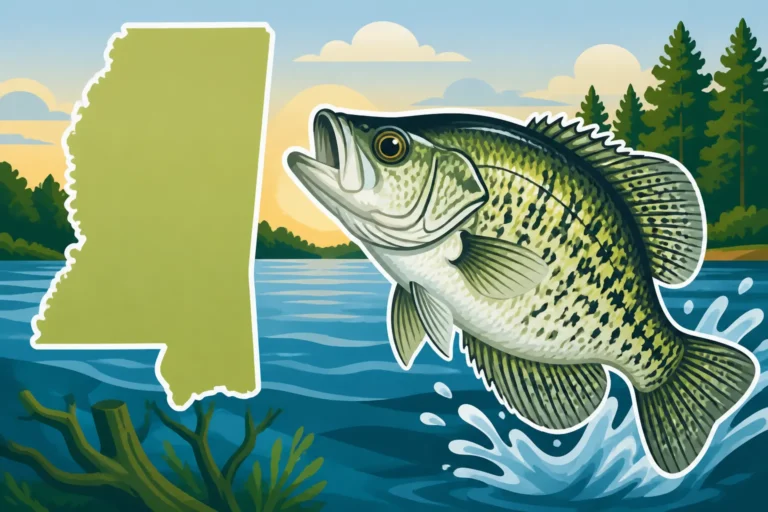
- Crappie: Both white and black crappie are present, offering fantastic action, particularly in spring and fall. These panfish congregate around brush piles, submerged trees, and bridge pilings. They're a favorite for their delicious taste and the sheer numbers you can sometimes catch. Locals often use live minnows or small jigs to entice them. For more specific tactics, check out our guide on Crappie Fishing in Mississippi.
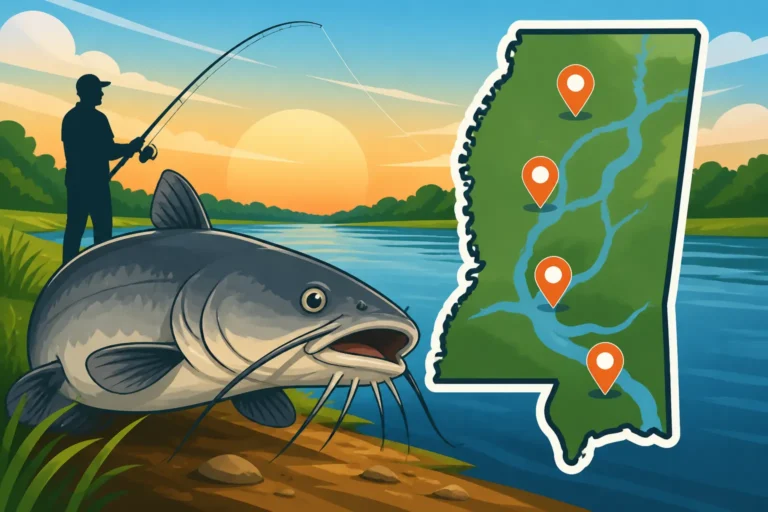
- Catfish: Channel catfish and sometimes a few flatheads patrol the deeper sections of the lake. They are less structure-oriented than bass or crappie, often preferring the bottom in deeper holes or along creek beds. Night fishing for catfish can be especially productive, and stink baits, cut bait, or even a good old worm on the bottom can yield excellent results. They put up a strong fight and are another delicious option for the dinner table.
- Bream (Sunfish): This category includes bluegill, redear sunfish (shellcrackers), and other panfish. Bream are abundant and provide excellent light-tackle fun, making them perfect for kids or beginners. They are often found in shallower waters, especially around vegetation and downed trees. Worms, crickets, or small artificial lures are usually all it takes to get them biting. Our Bream and Bluegill Fishing in Mississippi guide has more tips on these feisty little fighters.
Best Times to Fish Lake Tangipahoa
Understanding the rhythm of the lake throughout the year is key to maximizing your success. Each season brings different opportunities, and knowing when to target certain species can make all the difference.
- Spring (March – May): This is arguably the golden age of fishing at Percy Quin. As water temperatures rise, fish become incredibly active. Largemouth bass move into shallower waters for their spawn, making them easier to target with crankbaits, spinnerbaits, and soft plastics near cover. Crappie are also in full swing, congregating in large numbers as they prepare to spawn, often in relatively shallow brush or around structure. This is also a fantastic time for bream. It's truly one of the Best Time of Year to Fish in Mississippi.
- Summer (June – August): While the heat can make midday fishing tough, early mornings and late evenings remain productive. Bass will move to deeper, cooler water or seek dense shade. Try targeting them with deep-diving crankbaits or by flipping jigs into heavy cover. Catfish become very active in the warmer water, making summer nights a prime time for them. Bream are still plentiful, especially around dawn and dusk.
- Fall (September – November): As temperatures drop, fish enter a "feeding frenzy" to prepare for winter. Bass become aggressive again, chasing shad schools, and topwater action can be phenomenal. Crappie will start schooling up, often found suspended over deeper creek channels or brush piles. Fall offers some incredibly comfortable fishing weather and consistent action.
- Winter (December – February): Don't write off winter! While slower, it can produce some of the largest fish. Bass and crappie will retreat to deeper waters, often hugging bottom structure or suspended over thermoclines. Slow presentations with jigs or spoons are often effective. Catfish can also be caught, though their feeding slows down. Patience is your best friend during these cooler months.
Accessing the Water at Percy Quin State Park
One of the great things about Percy Quin State Park is the variety of ways you can get your line wet. Whether you prefer the stability of solid ground, the freedom of a motorboat, or the quiet stealth of a paddle craft, there’s an option for you.
Bank Fishing and Pier Access
For those who prefer to keep their feet on solid ground, Percy Quin offers excellent bank access and several fishing piers that extend into Lake Tangipahoa. This is a huge plus for families, beginners, or anyone looking for a more relaxed outing without the need for a boat. You can find numerous spots along the shoreline where you can cast a line, especially near the picnic areas and campgrounds. These areas often have easy parking and facilities nearby.
The main fishing piers are particularly popular and provide access to deeper water than you might reach from the bank. These piers are often equipped with benches and sometimes even cleaning stations, making them incredibly convenient. They are fantastic places to catch bream, catfish, and even crappie or smaller bass, especially when they move closer to shore. For those new to the sport, our Bank Fishing Tips for Beginners can help you get started right here at Percy Quin. Remember to bring a comfortable chair, plenty of bait, and enjoy the beautiful views.
Boat Launch Facilities and Regulations
If you have your own boat, Lake Tangipahoa has excellent launch facilities, making it easy to get your vessel on the water. The park maintains well-kept concrete boat ramps that are suitable for various boat sizes, from small Jon boats to larger bass boats. There's ample parking for trailers, which is always a relief after driving a ways.
When it comes to regulations, remember that while you might be in a state park, the standard Mississippi Freshwater Fishing Rules still apply regarding boat registration, safety equipment, and navigation lights. Lake Tangipahoa generally allows gasoline motors, but it's always a good idea to check for any specific horsepower restrictions or idle speed zones once you arrive, as these can sometimes vary or be implemented temporarily. Always operate your boat responsibly and be mindful of other anglers and recreational users on the lake.
Kayak and Canoe Fishing
Kayak and canoe fishing have surged in popularity, and Lake Tangipahoa is an absolute paradise for paddle craft enthusiasts. The lake's many coves, submerged timber, and shallower areas are perfectly suited for silent, stealthy approaches that only a kayak or canoe can provide. You can easily access areas that larger boats can't, often finding undisturbed pockets of fish.
Launching a kayak or canoe is usually effortless from almost any accessible shoreline, in addition to the main boat ramps. There's a true sense of peace gliding across the water, casting into quiet coves where bass might be hiding or slowly drifting over a brush pile for crappie. Just remember your personal flotation device (PFD) and follow all water safety guidelines. If you're new to this, our Kayak Fishing Techniques guide can help you make the most of your paddle-powered adventure on Lake Tangipahoa. It’s an incredibly rewarding way to experience the park's natural beauty and its fantastic fishery.
Essential Regulations and Permits for Percy Quin
Fishing in any state park, including Percy Quin, means following a specific set of rules. It’s not just about what you catch, but how you prepare and what permits you need to carry. Skipping these steps can turn a relaxing day into a frustrating one with a fine.
Mississippi Fishing License Requirements
This is probably the most crucial piece of information for any angler. To legally fish at Percy Quin State Park, or any public water in Mississippi, you absolutely must possess a valid Mississippi fishing license. There are very few exceptions to this rule, mainly for very young children or during specific "free fishing days." This applies to both residents and non-residents. You can purchase these licenses online through the MDWFP website, at various retail locations like sporting goods stores and bait shops, or directly at the park office if available. Make sure your license is current for the season you plan to fish. You'll find comprehensive details in our Mississippi Fishing License Guide. Don't forget, park entrance fees are usually separate from your fishing license and are paid at the park gate.
Creel and Size Limits Specific to Lake Tangipahoa
While general statewide rules apply, state park lakes sometimes have specific regulations designed to enhance their local fishery. For Lake Tangipahoa, it's vital to check the current MDWFP fishing regulations pamphlet or their website specifically for "State Park Lake" regulations. These might include special slot limits for bass (meaning you can keep fish below or above a certain size, but not within a specific size range), reduced daily creel limits for crappie, or specific rules for other species.
For example, some state park lakes in Mississippi have more restrictive bass limits to encourage the growth of trophy-sized fish. It's not uncommon to see a "protected slot limit" where bass between, say, 14 and 18 inches, must be immediately released, while those smaller or larger can be kept within the daily creel limit. This is often done to ensure a healthy population of breeding-age fish. Always verify these specific rules for Lake Tangipahoa before you start fishing. Our Mississippi Fishing Creel and Size Limits article offers a broader overview, but always double-check the park-specific details.
Common Park Rules for Anglers
Beyond the fishing license and species-specific limits, there are general park rules that apply to all visitors, including anglers. These are in place to preserve the park's natural beauty and ensure everyone has a safe and enjoyable experience.
- Littering: Pack it in, pack it out. Keep the park pristine by properly disposing of all trash, including discarded fishing line and bait containers.
- Fish Cleaning: Many parks have designated fish cleaning stations. If not, dispose of fish entrails properly and away from high-traffic areas.
- Bait: While live bait is generally allowed, sometimes there are restrictions on certain types of baitfish to prevent the introduction of invasive species. Always check if there are any specific prohibitions for Lake Tangipahoa.
- Night Fishing: Not all areas of the park may be open for night fishing, or there might be specific regulations. It’s always best to inquire at the park office if you plan to fish after dark.
- Camping and Fires: If you’re planning an extended trip, familiarize yourself with the camping rules and campfire restrictions.
- Wildlife: Remember you are sharing the park with wildlife. Observe animals from a distance and never feed them.
Being aware of these common rules will not only help you avoid any penalties but also contribute to the conservation and enjoyment of Percy Quin State Park for everyone. For an overall look at what's expected, consult our Mississippi Fishing Regulations Explained.
Enhancing Your Fishing Trip at Percy Quin
A trip to Percy Quin State Park isn't just about the fishing, though that's certainly a major draw! It's about the entire experience, from the moment you arrive until you head home. The park is designed to offer a holistic outdoor adventure, and with a little planning, you can make it truly memorable.
Amenities Beyond the Lake
What truly sets Percy Quin apart is its wide array of amenities that cater to more than just anglers. This makes it an ideal destination for family vacations or group outings where not everyone is solely focused on catching fish.
- Camping and Cabins: The park boasts excellent camping facilities, ranging from primitive sites to RV hookups with full amenities. If you prefer more comfort, charming lakeside cabins and even a lodge are available for rent, offering stunning views and easy access to the water. Imagine waking up, stepping out onto your porch, and being just a few steps from casting your first line of the day!
- Golf Course: For the golf enthusiasts, the park features a beautiful 18-hole golf course, offering a different kind of challenge amidst the scenic pine forests. It's a great way for non-fishing companions to enjoy their time.
- Hiking and Biking Trails: Miles of trails wind through the park, perfect for a leisurely walk, a vigorous hike, or a scenic bike ride. These trails offer opportunities to observe local wildlife and enjoy the tranquility of nature.
- Picnic Areas and Playgrounds: Numerous picnic spots, complete with tables and grills, are scattered throughout the park, ideal for a lakeside lunch. Playgrounds keep the younger visitors entertained.
- Swimming: There's often a designated swimming area, offering a refreshing break during warmer months.
These additional amenities ensure that everyone in your group, regardless of their interest in fishing, can find something enjoyable to do.
Local Tips and Tricks for Success
While regulations and general knowledge are crucial, a few local insights can often be the difference between a good day and a great day on the water at Percy Quin.
- Targeting Structure: Lake Tangipahoa has plenty of submerged timber and brush piles. Using a fish finder or even just a keen eye for subtle changes in the water surface can help you locate these hotspots. Bass and crappie especially love these areas.
- Early Bird Gets the Worm: Or in this case, the fish! Early mornings, especially during spring and fall, are often the most productive times. The water is cooler, and fish are actively feeding.
- Bait Selection: While artificial lures are effective, don't underestimate live bait. Live minnows for crappie, worms for bream and catfish, and even shiners for bass can be incredibly effective, especially when the bite is tough.
- Watch the Weather: Pay attention to barometric pressure changes, cold fronts, and sudden shifts in weather. Fish behavior can change dramatically, so adjust your approach accordingly.
- Ask a Ranger: The park rangers and staff are a wealth of local knowledge. Don't hesitate to ask them about recent fishing reports, popular spots, or any temporary regulations.
Planning Your Visit
Getting ready for your trip to Percy Quin State Park is half the fun! There are several things you can do to ensure a smooth and enjoyable experience.
- Check MDWFP Resources: Always start with the official Mississippi Department of Wildlife, Fisheries, and Parks website. They provide the most up-to-date information on park hours, fees, and the latest Mississippi Fishing Season Dates and Limits.
- Book Accommodations Early: If you plan to camp or stay in a cabin, especially during peak seasons (spring and fall), book well in advance. These spots fill up quickly!
- Consider a Guide: If you're new to the area or want to maximize your chances, consider hiring a local fishing guide. While Percy Quin might not have as many dedicated guides as some larger reservoirs, a quick search on platforms like FishingBooker can sometimes connect you with experienced local captains who specialize in smaller, lesser-known gems. They can offer invaluable insights into the lake's patterns and hotspots. You might even find a guide who focuses on Mississippi State Park Lake Fishing Permits for various locations.
- Gear Up: Ensure your tackle box is stocked with appropriate lures and baits for the species you plan to target. Don't forget essentials like sunscreen, insect repellent, a first-aid kit, and plenty of water.
- Stay Flexible: Sometimes, the best-laid plans need to change. Be prepared to adapt your fishing techniques based on weather conditions or fish activity. Being flexible is a hallmark of a successful angler.
- Local Bait Shops: Stop by a local bait shop on your way to the park. Not only can you pick up fresh bait, but these shops are often buzzing with local chatter and the most current fishing reports for the area.
Popular Fish Species at Percy Quin State Park
To give you a better idea of what to expect and how to target them, here's a quick reference table for the most popular fish species at Lake Tangipahoa:
| Species | Primary Season(s) | Preferred Habitat | Common Baits/Lures | Daily Creel Limit (General) | Notes |
|---|---|---|---|---|---|
| Largemouth Bass | Spring, Fall | Submerged timber, lily pads, creek channels | Crankbaits, jigs, plastic worms | 10 (Check park specifics) | Often a protected slot limit; catch-and-release is common. |
| Crappie | Spring, Fall | Brush piles, standing timber, bridge pilings | Live minnows, small jigs, spider rigs | 30 (Check park specifics) | Excellent for eating; target schools in deeper water during summer. |
| Catfish | Summer, Fall | Deeper holes, creek beds, open water bottom | Stink bait, cut bait, worms | 25 (Channel Catfish) | Great for night fishing; often caught off the bottom. |
| Bream (Sunfish) | Spring, Summer | Shallow vegetated areas, downed trees, docks | Worms, crickets, small poppers | 50 (Combined species) | Perfect for kids and light tackle; abundant. |
Always consult the latest MDWFP regulations for current and specific limits for Percy Quin State Park.
Remember, planning is essential, but the real joy comes from being out on the water, soaking in the beautiful surroundings, and the thrill of the catch. Platforms like FishingBooker can also be a useful tool if you're looking to explore guide options not just at Percy Quin but across other fantastic Mississippi fishing locations, helping you connect with local experts who know the waters intimately.
Disclaimer
The information provided in this guide is for general informational purposes only and is subject to change. Always consult the official Mississippi Department of Wildlife, Fisheries, and Parks (MDWFP) regulations and Percy Quin State Park guidelines before your trip to ensure you have the most current and accurate information regarding licenses, permits, creel limits, and park rules. Fishing conditions, fish populations, and regulations can vary significantly throughout the year.