Best Barometric Pressure for Fishing
There's nothing quite as frustrating as planning a whole day on the water, getting all your gear ready, and then coming home with an empty livewell. Often, it feels like the fish just vanished, and you're left scratching your head, wondering what went wrong. The truth is, many factors influence fish activity, and one of the most overlooked yet crucial elements is barometric pressure. This comprehensive guide will break down exactly what barometric pressure is, how it affects fishing in Mississippi, and how you can use this knowledge to significantly improve your chances of a successful day on the water.
Decoding Barometric Pressure and Its Influence on Fish
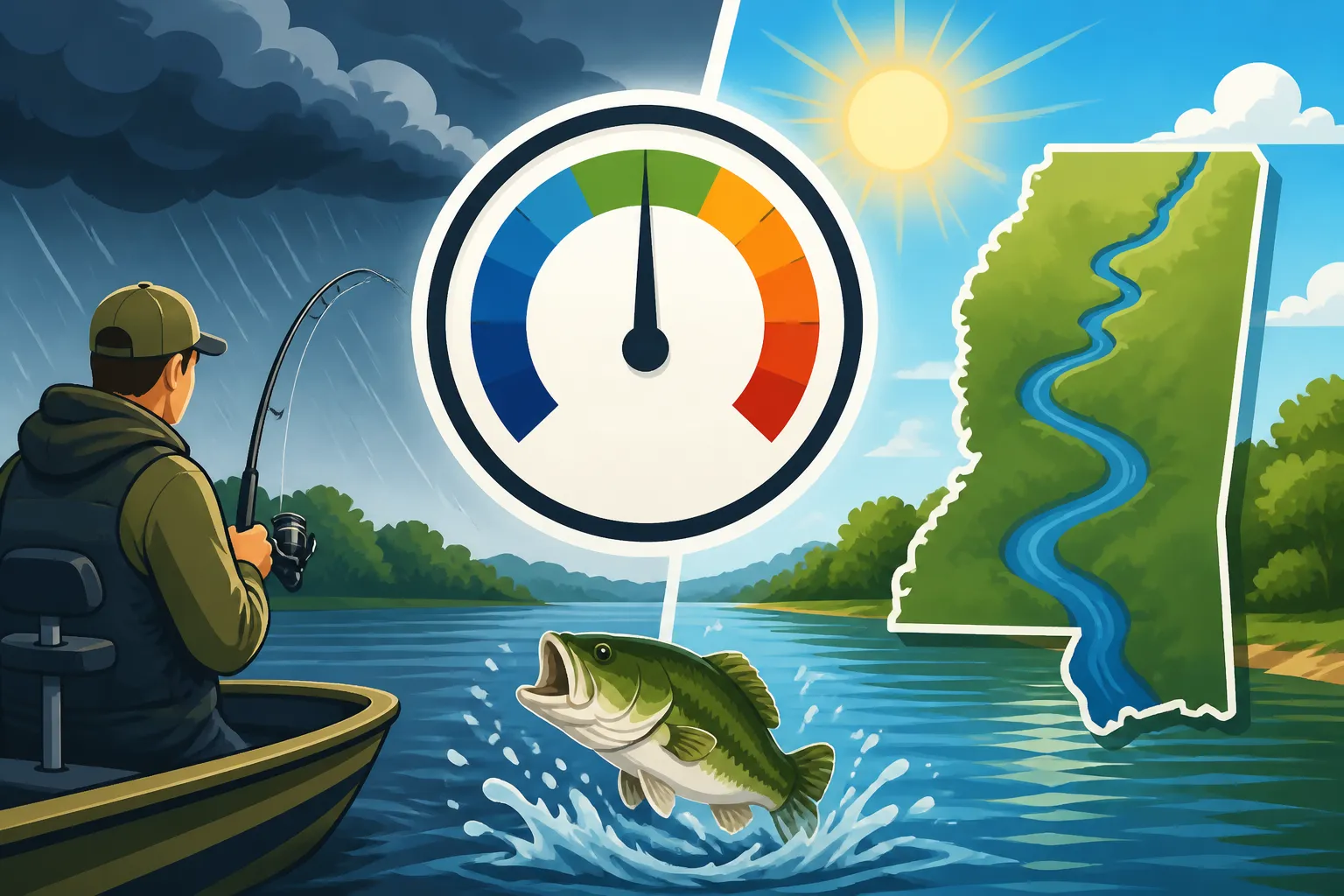
When we talk about barometric pressure, we're simply referring to the weight of the air pressing down on the Earth's surface. Think of it like a column of air pushing down on everything, including our Mississippi lakes, rivers, and coastal waters. This pressure isn't constant; it changes with weather patterns, creating high-pressure and low-pressure systems that move across the state. For us anglers, these changes are critical because they have a profound impact on the comfort, feeding habits, and even the depth at which fish hold.
The Science Behind Fish Sensitivity
Fish, unlike us, live in a medium far denser than air – water. This means they are incredibly sensitive to even slight changes in pressure. Their swim bladder, an internal organ filled with gas, helps them maintain buoyancy in the water column. When the barometric pressure changes, the external pressure on the water changes, which in turn affects the pressure on their swim bladder. It's like feeling a change in air pressure in your ears when you drive up or down a mountain, but magnified for fish. They literally feel these shifts in their bodies.
For instance, a sudden drop in pressure can make their swim bladders expand, causing discomfort and making them feel buoyant. To counteract this, fish often move deeper to equalize the pressure. Conversely, a rising or stable high-pressure system compresses their swim bladders, making them feel more natural or even causing them to rise in the water column to find comfortable depths. Understanding this fundamental biological response is the first step to predicting where and how active fish will be.
How Different Pressure Systems Affect Fish Behavior
Different barometric pressure patterns signal different things to fish, influencing everything from their feeding aggression to their preferred hangout spots. It's not just about the number on a gauge; it's about the trend – whether the pressure is rising, falling, or stable.
Falling Barometric Pressure: The Pre-Storm Bite
A falling barometric pressure usually precedes a change in weather, often indicating an approaching storm, cold front, or significant weather disturbance. This is a crucial time for many species. As the pressure starts to drop, fish often experience a period of increased activity, almost as if they know bad weather is coming and they need to feed before conditions get tough. For anglers, this can translate into a hot bite!
Imagine you're out on the Ross Barnett Reservoir, and you notice the skies are darkening and the pressure gauge on your boat (or your weather app) is showing a steady decline. During this "pre-front" period, fish like bass and crappie tend to become more aggressive, often moving shallower to feed heavily. This is when those topwater lures or fast-moving crankbaits can really shine. However, once the pressure bottoms out and the storm hits, fishing can become extremely tough as fish seek cover and deeper, more stable water. If you're wondering, "What Is the Best Time to Fish for Bass in Mississippi?", often it's precisely during these pre-front conditions.
Stable High Pressure: The Post-Front Challenge
After a storm passes, a high-pressure system typically moves in, bringing clear skies, lighter winds, and stable conditions. While this might sound pleasant for us, it often presents a challenge for anglers. Stable high pressure means the air is pressing down harder on the water, compressing fish swim bladders. This often makes fish feel uncomfortable or sluggish.
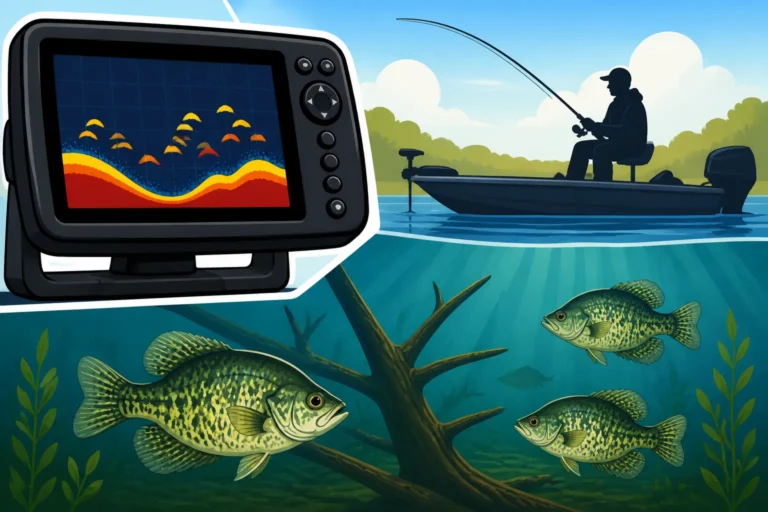
In these conditions, fish tend to move deeper, hug tight to cover, or suspend in the water column, trying to find a depth where the pressure is most comfortable. Their feeding activity usually slows down significantly. You might find yourself fishing a clear lake like Okhissa Lake under a brilliant blue sky, but the fish are incredibly finicky. This is when you need to switch to more subtle presentations, slower retrieves, and perhaps smaller baits. It’s not uncommon to hear seasoned anglers lamenting the "post-front blues," and barometric pressure is the primary culprit. Targeting the edges of deep cover or using a sensitive fish finder to locate schools of crappie suspended over creek channels, as discussed in Reading a Fish Finder for Crappie, becomes paramount.
Rising Barometric Pressure: The Transition Period
A rising barometric pressure often follows a low-pressure system or a period of stable low pressure. This is a transition phase, and fish behavior can vary. As the pressure begins to climb, fish may still be somewhat sluggish, recovering from the low-pressure discomfort. However, as the pressure stabilizes at a higher level, fishing can start to pick up again, though usually not as aggressively as during the falling pressure period.
Think of a cool, crisp morning on Sardis Lake after a night of rain. The pressure is steadily rising towards a stable high. Fish might start to move out from their deep cover, cautiously resuming some feeding activity. This is often a good time for a slower, more methodical approach, perhaps vertical jigging for crappie or slowly working a Texas-rigged worm for bass along submerged structure. The fish are often catchable, but they require a bit more finesse than during the pre-storm frenzy.
Ideal Barometric Pressure Ranges for Mississippi Anglers
While fish react to the change in pressure, certain ranges are generally considered more favorable for fishing across Mississippi's diverse waters, whether you're chasing slab crappie in Grenada Lake or targeting bull reds on the Gulf Coast. Understanding these sweet spots can give you a significant advantage.
The Sweet Spot: Stable to Slowly Falling Pressure
From years of fishing experience and countless conversations with guides, the consensus points to a barometric pressure range around 29.90 to 30.20 inches of mercury (inHg) as generally favorable, especially when the pressure is stable within this range or, even better, slowly falling.
Let's break that down:
- 29.90 – 30.20 inHg (Stable): This is often considered the "normal" range. When the pressure hovers steadily here for a day or two, fish tend to be in a comfortable routine. They'll be where you expect them, feeding reasonably well. This is your baseline for a decent fishing day. Whether you're targeting largemouth bass in a private pond or trying your hand at Catfish Fishing Techniques on the Mississippi River, these stable conditions mean fish aren't under undue stress from pressure changes.
- Slowly Falling from 30.20 down to 29.90 inHg: This is often when the magic happens. As mentioned, a slow, steady drop in pressure usually signals an approaching front. Fish sense this and often go on a feeding binge. They become more aggressive and are more willing to chase baits. If you see your barometer starting to dip from a higher, stable reading, it's time to hit the water with confidence! Many anglers find this the Best Time of Year to Fish in Mississippi for active bites.
Pressure Extremes: What to Expect
Just as there are optimal conditions, there are also those less-than-ideal times when fishing becomes a genuine challenge.
Low Pressure (Below 29.90 inHg): The Tough Bite
When barometric pressure drops significantly, especially below 29.90 inHg and continues to fall, fishing usually gets tough. This is often accompanied by stormy weather, heavy rain, or strong winds, as you might experience during a severe thunderstorm or tropical system moving across the coast. Fish become lethargic, seek deep cover, or suspend in the water column.
You'll need a lot of patience and finesse in these conditions. Think slow-moving baits, jigs presented directly to fish holding tight to structure, or live bait fished very subtly. Aggressive presentations will likely be ignored. This is also when How Rain Affects Crappie Fishing can come into play, as the combination of pressure drop and increased turbidity makes it even harder.
High Pressure (Above 30.20 inHg and Rising/Stable): Post-Front Blues
Conversely, a high-pressure system that moves in after a storm, pushing readings above 30.20 inHg, also typically means challenging fishing. The clear skies and comfortable temperatures for humans are often uncomfortable for fish. They tend to be less active and hold tight to cover or deeper structure.
When fishing during stable high pressure, you'll need to work harder to find active fish. Focus on shaded areas, deep water, and precise presentations. Sometimes, a well-placed jig or a slow-rolled worm might entice a bite where faster baits fail. This is where knowing Bass Fishing Techniques for Mississippi Anglers for tough conditions becomes invaluable.
Markdown Table: Barometric Pressure & Fish Behavior Summary
| Barometric Pressure Range (inHg) | Trend | Typical Weather | Fish Behavior | Recommended Strategy |
|---|---|---|---|---|
| Below 29.80 | Falling/Stable | Stormy, heavy rain, strong winds | Lethargic, seeking deep cover, uncomfortable swim bladder, generally shut down. | Slow, subtle presentations; live bait; target deep structure; high patience required. |
| 29.80 – 29.90 | Falling | Approaching front, overcast, light rain possible | Increased activity, feeding aggressively before major pressure drop, moving shallower. | Fast-moving baits, topwaters, crankbaits, capitalize on feeding window. |
| 29.90 – 30.10 | Stable | Mild, fair weather | Normal activity, predictable feeding patterns, comfortable. | Standard techniques, target known spots, consistent retrieve speeds. |
| 30.10 – 30.20 | Slowly Rising | Clearing skies, mild, post-front recovery | Gradually increasing activity, slowly moving from cover, some cautious feeding. | Slower presentations, jigs, soft plastics, focus on structure edges. |
| Above 30.20 | Stable/Rising | Clear skies, calm winds, post-front | Less active, hugging deep cover, suspending, seeking pressure relief, finicky. | Finesse techniques, small baits, target deep structure, very slow retrieves, precision casting. |
Practical Tips for Using Barometric Pressure in Mississippi Fishing
Now that we understand the "why," let's dive into the "how." Incorporating barometric pressure into your fishing strategy doesn't have to be complicated. With a few tools and a bit of planning, you can significantly increase your success rate.
Monitoring the Pressure: Tools and Resources
First things first: you need a way to know what the barometric pressure is and, more importantly, which way it's trending. Gone are the days when you needed a bulky analog barometer in your tackle box (though they still work!).
Smartphone Apps and Online Forecasts
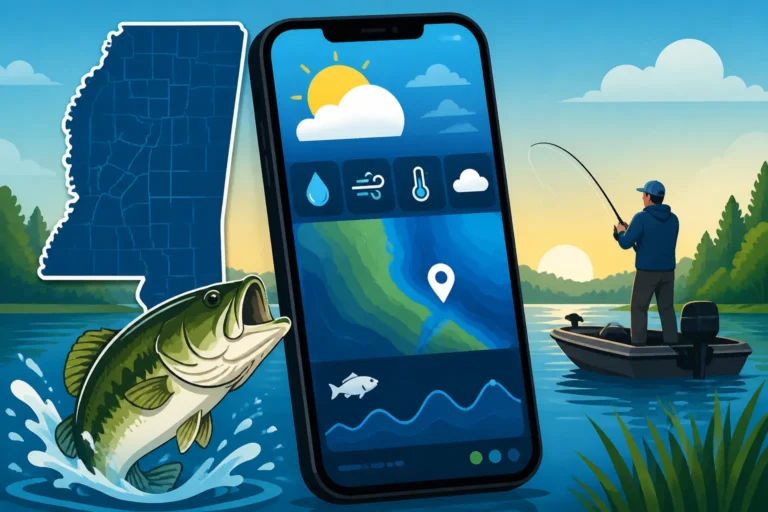
The easiest way for most anglers to monitor barometric pressure is through smartphone weather apps. Many popular weather apps, like those you can find on Amazon or through your phone's app store, now provide detailed barometric pressure readings and trends. Look for an app that shows the pressure in millibars (mb) or inches of mercury (inHg) and, critically, a graph or trend line that indicates if the pressure is rising, falling, or stable. The Best App for Tracking Fishing Conditions in Mississippi will give you real-time data and historical trends, allowing you to correlate it with your fishing logs. You might also want to check the Mississippi Fishing Forecast Report for broader trends.
Dedicated Fishing Barometers
For those who want a more precise, dedicated tool, you can purchase a portable fishing barometer. These compact devices are specifically designed for anglers, often featuring simple displays that show current pressure, a 24-hour history graph, and even indicate optimal fishing times based on pressure trends. You can find a good selection of these on Amazon, often alongside other essential gear like waterproof cases or fish finders. Having a dedicated device allows you to check pressure right on the boat or at the bank without relying on cellular service.
Adjusting Your Tactics Based on Pressure Trends
Knowing the pressure is only half the battle; the other half is knowing how to adapt. Here’s how you can modify your approach across various fishing scenarios in Mississippi.
High and Stable Pressure: Finesse and Depth
When high pressure dominates and the skies are clear, fish often move deeper and become less active. This is the time for finesse techniques.
- Go deeper: Fish will likely be holding on structure in deeper water. For crappie, this means targeting brush piles, submerged timber, or creek channel edges in 15-25 feet of water on lakes like Enid Lake. For bass, look for ledges, deep points, or humps.
- Slow down: Retrieve your baits much slower. A jig or soft plastic worm that's barely moving can often entice a finicky bass. For crappie, slow vertical jigging or even dead-sticking minnows can be effective.
- Downsize your baits: Smaller lures can be less intimidating to lethargic fish. Consider lighter line, smaller jigs, or finesse worms.
- Focus on cover: Fish will hug tight to cover to feel secure. Pitching jigs into dense laydowns or under docks can pay off.
This is a scenario where your Mississippi Fishing Seasons Calendar might show specific patterns, but barometric pressure dictates the day-to-day bite.
Falling Pressure: Aggression and Reaction Bites
When the pressure is steadily falling, and a front is approaching, fish often become very active and aggressive. This is your cue to switch to power fishing tactics.
- Move shallower: Fish tend to move up into shallower water to feed before the storm hits. Look for fish in 2-10 feet of water, especially near points, coves, and submerged grass beds.
- Increase retrieve speed: Work your baits faster. Bass will often chase crankbaits, spinnerbaits, or chatterbaits with gusto. Crappie might be more willing to hit trolled jigs or minnows.
- Use reaction baits: Topwater lures, fast-moving lipless crankbaits, and swimbaits can trigger explosive strikes from actively feeding fish.
- Cover water: Because fish are more active and spread out, use baits that allow you to cover a lot of water quickly to find the aggressive schools.
When you're dealing with conditions like these, understanding Mississippi Freshwater Fishing Rules and bag limits becomes even more important, as you might experience a phenomenal bite!
Low and Stable Pressure: Patience and Precision
During extended periods of low, stable pressure (usually during prolonged stormy weather), fishing can be exceptionally challenging. This requires a unique blend of patience and precision.
- Target specific species: Some species, like catfish, can be less affected by low pressure than others. Best Weather Conditions for Catfish Fishing often indicate they might bite well even when other species are shut down.
- Focus on specific, known holding areas: Fish might be hunkered down in very particular spots. If you know a deep brush pile or a submerged creek bed where fish hide, target it directly.
- Utilize scent: Adding fish attractants to your baits can sometimes trigger a bite from reluctant fish. Many great scent options are available on
Amazon. - Be patient: You might have to make many casts for a single bite, but persistence can pay off.
Understanding these nuances of fish behavior relative to barometric pressure means you're no longer just blindly casting. You're making informed decisions that can turn a frustrating day into a rewarding one, validating the effort you put into learning these natural cues.
Disclaimer
The information provided in this guide is for general educational purposes only and should not be considered a substitute for official regulations or professional advice. Fishing conditions and regulations in Mississippi can change, and it is always the angler's responsibility to consult the latest Mississippi Department of Wildlife, Fisheries, and Parks (MDWFP) rules and local advisories before engaging in any fishing activities. Always prioritize safety and adhere to all applicable laws and regulations.