How to Find Bass Around Submerged Timber
One of the biggest frustrations any angler faces in Mississippi is knowing that bass are out there, hunkered down in prime habitat, but feeling completely clueless about how to actually find them. Submerged timber—fallen trees, stumps, brush piles, and old creek channels choked with wood—is an absolute magnet for big bass, offering them sanctuary and ambush points. This guide is going to strip away the mystery and give you actionable strategies for locating and consistently catching bass tucked away in these challenging, yet incredibly rewarding, underwater jungles.
Understanding Why Bass Love Submerged Timber
You might look at a tangle of sunken logs and think "snag city," but for a largemouth bass, it's home sweet home. There's a reason seasoned Mississippi anglers will spend hours meticulously picking apart a brush pile or a submerged tree: that's where the big ones often live. Understanding why bass are drawn to these areas is the first step in learning how to find them.
Habitat and Protection Benefits
Think about it from a bass's perspective. They're predators, but they're also prey, especially when they're younger. Submerged timber provides a perfect blend of safety and opportunity. The dense branches and trunks offer excellent cover from larger predators like ospreys, herons, or even bigger bass. It's a natural fortress.
Beyond protection, timber provides critical shade during the brutal Mississippi summers. When the sun is beating down and the water temperatures start to climb, bass will seek out any relief they can find. A big, sunken log or a dense brush pile can create a significant thermal break, offering a cooler, more comfortable spot for bass to hang out. This is especially true in shallower areas of lakes like Ross Barnett Reservoir or Lake Washington where extensive timber exists. They can sit in the shade, conserving energy, and wait for an unsuspecting meal to swim by. This cover also acts as an ideal ambush point, allowing bass to hide and then dart out quickly to surprise prey.
Forage and Food Chain
It's not just about cover; it's about dinner. Submerged timber creates a micro-ecosystem that supports a thriving food chain. Algae grows on the wood, which attracts insects and baitfish like shad, shiners, and small bream. These smaller fish and invertebrates are precisely what largemouth bass feast on. If you've ever seen a school of minnows darting around a fallen tree, you know that larger fish won't be far behind.
Crappie, sunfish, and other smaller game fish also use timber for cover and feeding, making them prime targets for a hungry bass. During different seasons, bass will follow these baitfish movements. For instance, in the colder months, baitfish often congregate in deeper timber, and the bass will be right there with them. Understanding these relationships is crucial. If you can locate the bait, you're usually one step closer to locating the bass. Many anglers focus on areas where they see active schools of baitfish, often indicated by subtle disturbances on the water's surface or by their fish finder.
Reading the Water and Identifying Timber Hotspots
You can't just cast blindly into every piece of timber you see; you'll spend more time snagging than fishing. The real trick to finding bass in these complex environments is learning how to "read" the water, both visually and with modern electronics, to pinpoint the most productive spots.
Interpreting Sonar and Electronics
This is where your investment in a good fish finder truly pays off. Modern electronics, especially units with side imaging and down imaging, are absolute game-changers for fishing submerged timber. Instead of just seeing a blob on a traditional 2D sonar, side imaging allows you to literally "see" out to the sides of your boat, revealing the structure of a sunken tree, a brush pile, or an old roadbed covered in stumps. You can spot individual limbs, discern the density of a brush pile, and even see fish holding within or around the structure.
When you're idling through an area, pay close attention to the contours of the bottom and any abrupt changes. A sudden drop-off into a creek channel, a hump, or a submerged point can be fantastic spots for timber, and therefore, for bass. Look for areas where the timber is densest or where it transitions from sparse to heavy. Often, bass will relate to specific parts of a structure – like the top of a brush pile, the deepest part of a fallen tree, or a cluster of stumps near a channel bend. Practice interpreting what you see on your screen; those vertical lines or fuzzy blobs are often fish. High-definition units from brands like Humminbird or Lowrance, often available on Amazon, can make a huge difference in your ability to dissect these underwater features. Learning to distinguish between just "cover" and "cover holding fish" takes practice, but it's invaluable.
Seasonal Movements and Depths
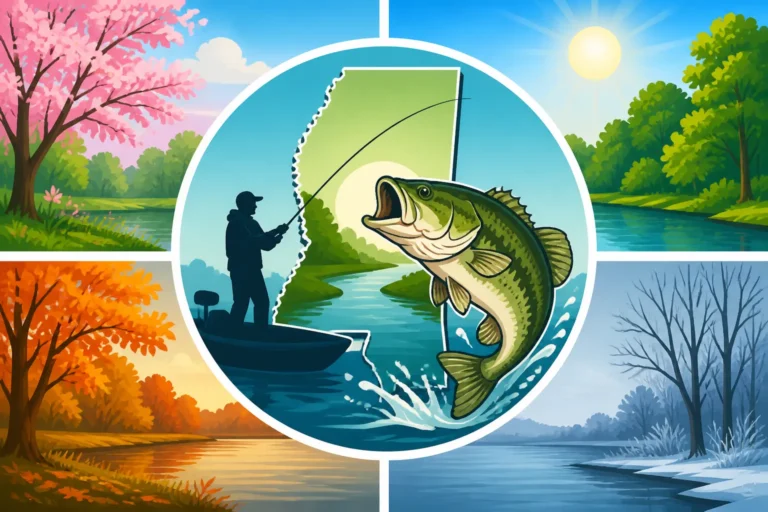
Bass don't just stay in one spot year-round; their relationship with submerged timber changes with the seasons and water temperatures.
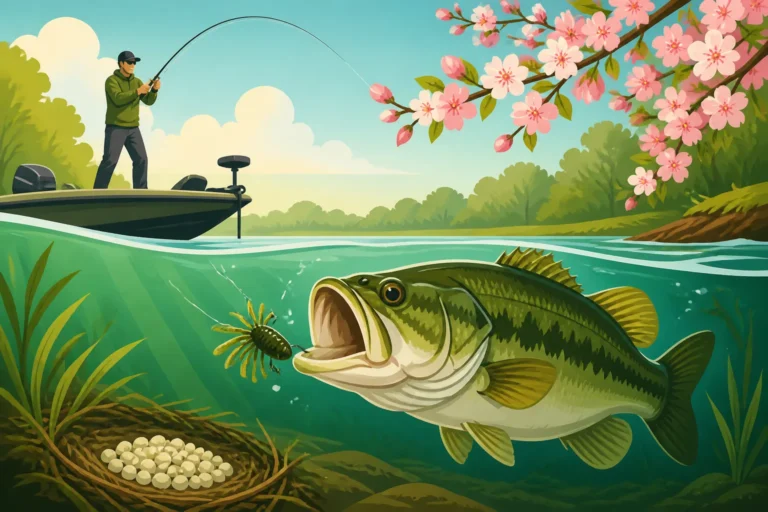
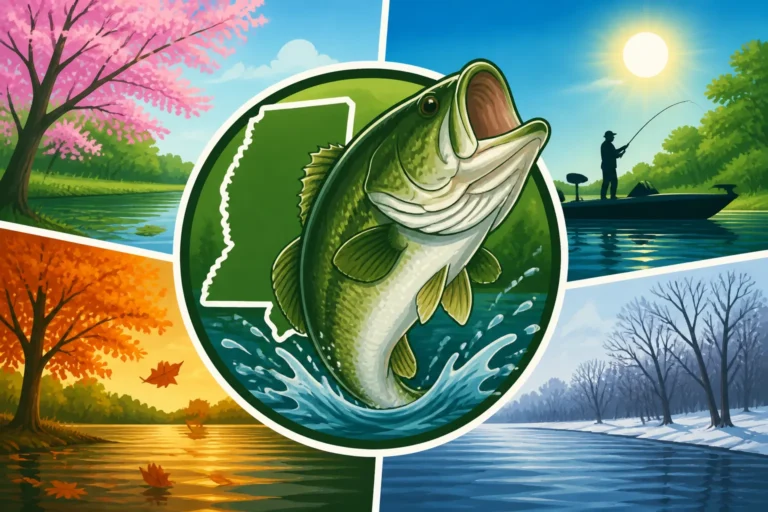
- Spring: During the pre-spawn and spawn, bass will often move into shallower timber, especially flooded bushes and laydowns along creek banks or protected coves. They'll use this wood for cover while nesting and guarding their fry. Look for timber near spawning flats.
- Summer: As the water heats up, bass will retreat to deeper, cooler timber. This could be a brush pile in 15-25 feet of water, a deep-water laydown on a bluff bank, or the timber found along river channels or reservoir main lake points. The shade and cooler temps are critical.
- Fall: As temperatures begin to cool, bass will often move back to shallower timber, particularly those near migration routes where baitfish are abundant. They're feeding heavily to prepare for winter, and these timber lines can be excellent ambush points for schooling shad. You might find them suspended higher in the water column around these structures.
- Winter: In the coldest months, bass will generally hold tight to the deepest, most stable timber they can find. This often means creek channels, river bends, or steep drops where dense timber provides a thermal refuge. They’ll be lethargic, so slow presentations are key.
Understanding these patterns will help you narrow down your search and focus on the most productive depths and areas of timber for the current season. You can find more specific information on these movements by checking out our guide on Mississippi Fishing Seasons Calendar.
Strategic Approaches for Fishing Submerged Timber
Once you've located promising timber, the real challenge begins: getting your lure in front of a bass without getting hopelessly snagged. This requires specific lure choices and presentation techniques, along with the right gear.
Lure Selection and Presentation
Fishing timber demands a diverse tackle box and a willingness to try different things. Here are some proven options:
- Jigs: A heavy, weedless jig (like a ½ oz or ¾ oz flipping jig) is a timber-fishing staple. Pair it with a bulky soft plastic trailer that mimics a crawfish or a bluegill. The key is to pitch or flip these jigs right into the heart of the cover. Let it sink, feel for the thump, and if you don't get a bite, slowly hop it over and around branches. The compact profile helps it slide through dense cover. This is a great choice when the bass are holding tight to the structure. You can find many effective jigs and trailers on Amazon.
- Texas-Rigged Soft Plastics: Worms, creature baits, or even senkos, Texas-rigged with a weighted sinker, are incredibly weedless. The bullet-shaped weight and the hook point buried in the plastic allow it to slip through gaps in the wood with minimal snagging. Pitch it past the cover and work it slowly, crawling it over and through the branches. The weight will tick off the wood, creating enticing vibrations. A heavy tungsten weight will give you better feel.
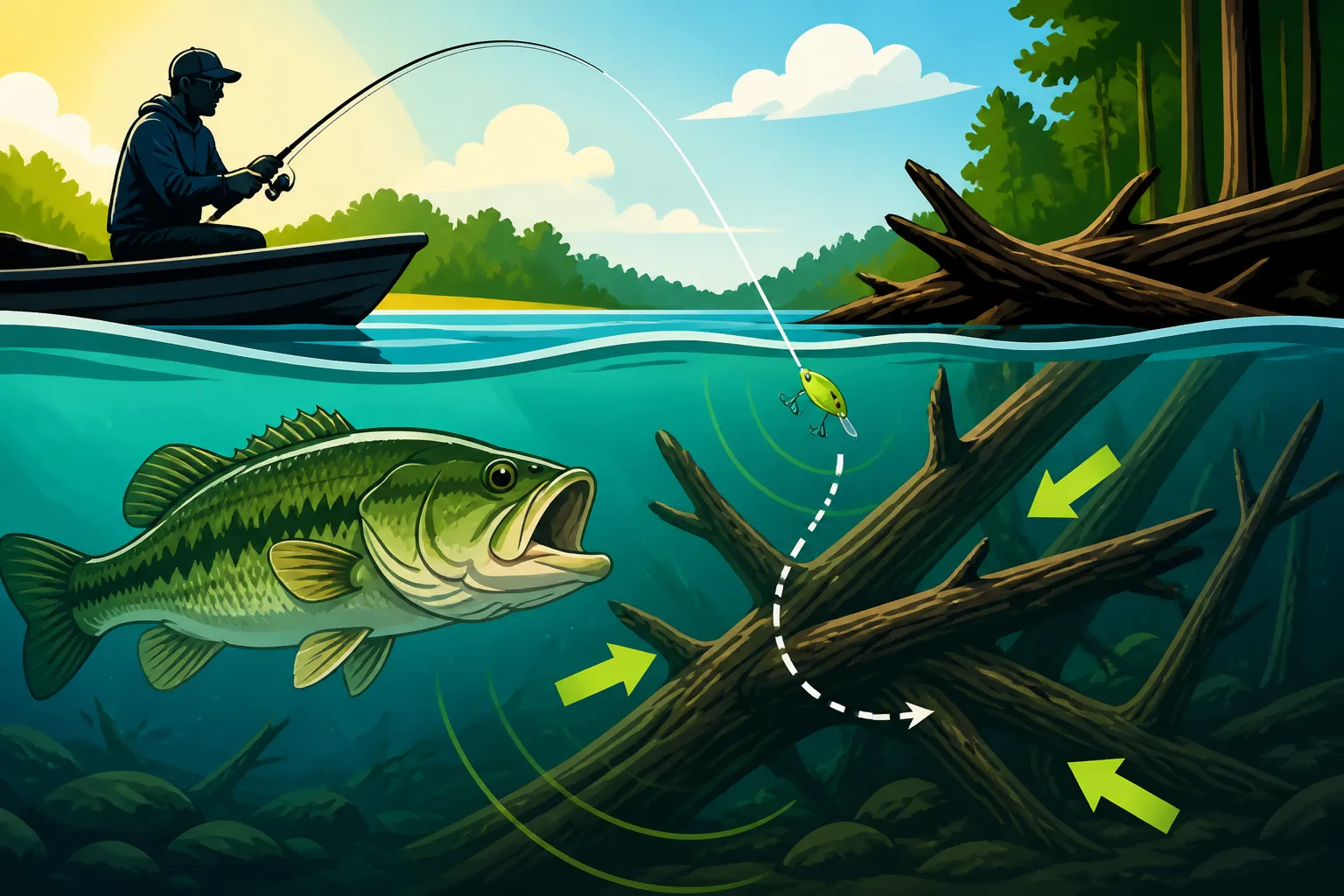
- Spinnerbaits and Bladed Jigs: When bass are a bit more active or holding slightly off the timber, a spinnerbait or a bladed jig (like a ChatterBait) can be deadly. These lures often deflect off wood, creating erratic movements that trigger reaction strikes. Choose models with stout hooks and weed guards. Keep your retrieve steady, but anticipate the deflection and be ready for a strike right as the lure clears a branch. They're excellent for covering water around the edges of timber or over submerged stumps.
- Crankbaits (Deep Divers): For deeper timber, especially along creek channels or breaks, a deep-diving crankbait can be effective, but it takes courage. Choose one with a durable lip that can "crash" into the wood, deflect, and rise. The erratic action often triggers strikes. Don't be afraid to let it bump off logs and stumps; that's when the magic happens. Just be ready for potential snags and have a good lure retriever handy.
- Topwater Lures: During low light conditions or when bass are extremely active, especially in shallower timber, topwater frogs or hollow-body lures can be explosive. They are designed to come over heavy cover without snagging. Cast them directly onto lily pads or into thick mats around fallen trees and twitch them enticingly. You'll likely learn more about Topwater Bass Fishing Tips in another one of our guides.
The presentation itself is just as important as the lure. Often, a slow, methodical approach is best, allowing the lure to fall naturally or "crawl" over the structure. Feel for every tick, bump, or change in resistance – these could be light bites or simply contact with wood. When you feel something different, set the hook!
Tackle and Line Considerations
You absolutely cannot go into battle against submerged timber with finesse gear. This is heavy-duty work that requires robust tackle:
- Rods: Opt for a medium-heavy to heavy power casting rod, preferably 7 feet or longer. The extra length gives you leverage for casting heavy lures and pulling big bass out of dense cover. A fast or extra-fast action tip allows for precise casting and strong hooksets.
- Reels: A baitcasting reel with a high gear ratio (7.1:1 or higher) is ideal. This allows you to quickly pick up slack line, crucial for a solid hookset and for getting the fish away from the snags as fast as possible once hooked.
- Line: This is perhaps the most critical component. Forget fluorocarbon for this heavy cover; you need abrasion resistance.
- Braided Line: 30-65 lb test braided line is the king of timber fishing. Its strength, zero stretch, and incredible abrasion resistance make it perfect for cutting through weeds and pulling fish out of thick wood. The lack of stretch also transmits every subtle bite and contact with structure directly to your hands.
- Heavy Monofilament: If you prefer mono, go with 17-25 lb test, but be prepared for more break-offs. Its stretch can be a disadvantage in setting hooks through tough mouths or getting fish out of cover quickly.
Always check your line for nicks and abrasions after fishing around timber. A weak spot can cost you a trophy fish. You'll find a wide selection of braided lines, including popular brands like PowerPro and Sufix, on Amazon. Choosing the best fishing line for bass is a decision many anglers grapple with, but for timber, braid is often the answer.
Safety and Ethical Considerations
Fishing submerged timber can be incredibly rewarding, but it also comes with its own set of challenges, both for your gear and for the environment. Approaching it with care and respect is paramount.
Minimizing Snags and Lost Lures
Let's be honest: you will get snagged when fishing timber. It's an unavoidable part of the game. However, there are ways to minimize the frustration and save your precious lures.
Firstly, use weedless presentations whenever possible. Texas rigs and jigs with brush guards are your best friends. When you feel your lure make contact with wood, try to "read" the structure. Instead of yanking, try to gently lift your rod tip to slide the lure over or around the obstacle. A slight slack in the line can sometimes allow the lure to fall freely past a snag.
Secondly, invest in a good lure retriever. These tools, often telescoping poles or heavy chains that slide down your line, can save countless lures. It’s a small investment that pays for itself many times over. If your lure is truly stuck, don't just break off the line carelessly. Get as close as possible, try different angles, and use your retriever. Breaking off heavily weighted jigs or crankbaits leaves them in the lake, potentially damaging boat props or creating underwater hazards for other anglers. It's a small but significant act of stewardship.
Respecting the Environment
Fishing in Mississippi is a privilege, and we all have a responsibility to protect our natural resources. When fishing around submerged timber, this means being mindful of a few things:
- Line Disposal: If you do have a break-off, especially with braided line, try your best to retrieve as much of the line as possible. Discarded fishing line is a major hazard for wildlife. Always carry a small container or bag for any discarded line.
- Boat Navigation: Be aware of your surroundings, especially if you're in an area with partially submerged timber or stumps. Going too fast through these zones can damage your boat's prop or lower unit.
- Leave No Trace: Pack out everything you pack in. This includes old bait containers, snack wrappers, and especially any broken tackle. The timber-laden areas are natural habitats; let's keep them pristine for future generations and the fish that call them home.
You can delve deeper into broader conservation efforts and specific Mississippi Fishing Regulations Explained to ensure you're always fishing ethically and legally.
Essential Lures for Mississippi Submerged Timber
To help visualize the best tools for the job, here's a quick reference for pairing lures with the type of timber you're encountering. Remember, the right approach often involves experimenting with different options until you find what the bass prefer that day.
| Lure Type | Primary Timber Type | Best Conditions | Key Presentation | Pros | Cons |
|---|---|---|---|---|---|
| Flipping Jig | Dense brush piles, fallen trees, stumps | All seasons, especially cold | Pitch/flip into cover, hop, crawl | Highly weedless, big bass magnet | Requires precision, can still snag |
| Texas-Rigged Soft Plastic | Logs, stumps, sparse brush, submerged grass | All seasons | Cast past cover, slow retrieve, twitch | Extremely weedless, natural action | Slower retrieve, lighter bites can be missed |
| Spinnerbait | Edges of timber, submerged stumps, laydowns | Active bass, windy conditions | Steady retrieve, deflect off wood | Covers water fast, reaction strikes | Can snag in very dense cover |
| Bladed Jig (ChatterBait) | Transition zones, sparse timber, stumps | Active bass, stained water | Steady retrieve, stop-and-go | Vibration attracts fish, reaction bites | Can snag, less weedless than a jig |
| Deep Diving Crankbait | Deep timber, creek channels, old roadbeds | Active bass, cooler water | Long casts, "crash" into cover | Triggers aggressive bites, covers deep water | High snag risk, requires a lure retriever |
| Topwater Frog/Hollow Body | Shallow, thick timber, matted vegetation | Low light, warm water | Walk the dog, pop, twitch | Exciting strikes, truly weedless | Limited to specific conditions |
When you're out there on the water, whether it's the legendary crappie lakes like Grenada or Sardis, or any of the state's beautiful reservoirs, remember that submerged timber offers some of the most exciting and productive bass fishing Mississippi has to offer. Don't let the fear of snags deter you; with the right approach and a bit of persistence, you'll be pulling those trophy bass out of their woody hideouts in no time. For instance, knowing the Sardis Lake Tailwater Fishing spots can reveal excellent opportunities around submerged structures below the dam. Also, mastering Deep Water Crappie Fishing Techniques often involves targeting submerged timber, a skill transferable to bass.
This information should help you confidently approach those intimidating timber areas. Remember to check out resources like the Mississippi Fishing Regulations Explained and our guide on Mississippi Black Bass Daily Limit to ensure you're always fishing within the rules. And for those looking to explore different avenues, our guide on Kayak Fishing Techniques might offer a new perspective on navigating challenging timber areas. Happy fishing!
Disclaimer
The information provided in this guide is for general informational purposes only. Fishing conditions, regulations, and fish behavior can change rapidly. Always consult the latest regulations from the Mississippi Department of Wildlife, Fisheries, and Parks (MDWFP) before heading out. Safety should always be your top priority when on the water.