How to Catch Big Blue Catfish in Rivers
Catching big blue catfish in Mississippi's mighty rivers can be an incredibly rewarding experience, but it’s also a challenge that often leaves anglers scratching their heads, wondering why they're only pulling in smaller fish. If you're tired of guessing and ready to target those true river monsters, this comprehensive guide is designed to equip you with the knowledge, strategies, and gear you need to consistently hook into the big blue catfish that call these powerful waterways home.
Understanding the Habits of Big Blue Catfish in River Systems
When you're chasing truly large blue catfish, you're not just looking for any catfish; you're looking for a specific kind of fish that has grown wise and powerful in the currents of our grand Mississippi rivers. These aren't your pond dwelling channel cats. Big blue catfish have distinct preferences for habitat and feeding patterns that differ significantly from their smaller cousins. Understanding these nuances is the first step to putting one of these giants in your boat.
Where the Giants Hide: Preferred River Structures and Depths
Big blue catfish in river systems are masters of using the current to their advantage, and they have a keen sense for areas that offer both ample food and protection. You'll often find them lurking in deeper holes, especially those created by bends in the river or where tributaries meet the main channel. These "washout" areas provide natural current breaks and concentrate baitfish. Think about those sharp turns where the river has scoured out a deep pocket – that's prime real estate.
Beyond deep holes, look for structures that disrupt the flow of water. Submerged timber, rock piles, old bridge pilings, and even sudden depth changes (like ledges or drop-offs) are absolute magnets for big blues. These structures not only offer ambush points for feeding but also provide refuge from strong currents, allowing them to conserve energy. I've spent countless hours fishing the Mississippi River, and I can tell you, if you find a snaggy, deep spot with a good current break, you're probably on the right track for landing a trophy. They aren't going to be sitting in the wide-open, shallow flats like a bream.
The Dinner Bell: What Big Blue Catfish Eat
Big blue catfish are opportunistic predators, but as they grow larger, their diet shifts significantly towards larger prey. While smaller blues might snack on insects and smaller bits, those double-digit and triple-digit fish are primarily piscivorous – meaning they eat other fish. Fresh cut bait is almost always the king when targeting these leviathans. They're not particularly picky about what kind of cut bait, as long as it's fresh and stinky!
Common prey fish in Mississippi rivers include shad, skipjack herring, carp, buffalo, and even smaller panfish. The key is to present something that looks and smells like a natural meal. This is where your bait choice becomes critical, and we'll dive deeper into that in a bit. Just remember, these big boys aren't browsing the salad bar; they're looking for a hearty, protein-packed meal. If you want to know more about their general eating habits, check out our guide on what catfish eat in Mississippi rivers.
Essential Gear for River Catfishing Success
You can't bring a knife to a gunfight, and you certainly can't expect to land a monster blue catfish on light tackle. These fish are incredibly powerful, and the river currents only amplify their fight. Having the right gear isn't just about catching the fish; it's about protecting your equipment and ensuring a safe, successful fight.
Heavy-Duty Rods and Reels
When it comes to rods, you'll want something stout – a heavy or extra-heavy action rod, typically 7 to 10 feet long. Shorter rods can make it harder to cast heavy weights and manage line in strong currents, while longer rods give you more leverage and shock absorption. Look for rods with a strong backbone and a sensitive tip, able to handle weights of 8-16 ounces or more. Brands like Ugly Stik or Rippin Lips often come to mind for their durability.
For reels, a heavy-duty baitcasting reel is almost non-negotiable. It needs to have a strong drag system, a large line capacity, and robust gears. You'll be casting heavy sinkers and fighting strong fish in powerful currents, so a flimsy reel simply won't cut it. Look for reels with a good retrieve ratio that can crank in those big weights, and make sure it's comfortable in your hand. Many anglers find the Abu Garcia Ambassadeur series or Penn Squall models to be reliable choices. You can often find a wide selection of these robust reels, perfect for blue catfishing, on Amazon.
Line, Hooks, and Sinkers: The Business End
Your line is the direct connection between you and that potential trophy, so don't skimp here. Braided line is the go-to for serious blue catfishermen. Its minimal stretch provides excellent sensitivity for detecting subtle bites, and its incredible strength-to-diameter ratio means you can use a lighter, yet stronger, line than monofilament. Aim for 50-100 pound test braided line, especially in snaggy river environments. Many prefer a brightly colored braid so they can easily see their line in the water, especially when dealing with multiple rods.
Hooks need to be strong, sharp, and appropriately sized. Circle hooks are overwhelmingly favored for catfish for several reasons: they are safer for the fish (hooking primarily in the corner of the mouth), they're incredibly effective, and they significantly reduce gut-hooking, which means healthier fish if you plan to release them. Sizes 7/0 to 10/0 are common for big blues, depending on the bait size. You can easily stock up on a variety of durable circle hooks, as well as heavy monofilament or fluorocarbon leader material, on Amazon.
Sinkers are perhaps one of the most underappreciated pieces of gear. You'll need enough weight to hold your bait on the bottom in strong currents. This means lead pyramid sinkers, no-roll sinkers, or heavy flat weights, often in the 3-8 ounce range, sometimes even heavier depending on the current speed. Having a variety of weights on hand is crucial, as river conditions can change quickly.
Proven Techniques for River Catfishing Success
Now that you've got the right gear, it's time to talk tactics. Targeting big blue catfish in rivers isn't just about casting out and waiting; it's about strategic placement, proper rigging, and understanding how these fish interact with their environment.
Rigging Up for River Monsters
For big blue catfish in rivers, simplicity and strength are key. The most common and effective rig is a slip-sinker rig, also known as a Carolina rig for catfish. This rig allows the fish to take the bait without feeling the resistance of the heavy sinker, which is critical for wary fish.
Here's a breakdown of a typical setup:
- Main Line: Your heavy braided line.
- Sinker: Thread your heavy slip sinker directly onto your main line.
- Bead: Add a plastic bead after the sinker to protect your knot from the sinker's impact.
- Swivel: Tie a heavy-duty swivel to the end of your main line. This is also where you can connect a fresh leader.
- Leader: Tie a piece of heavy monofilament or fluorocarbon line (40-80 lb test, 18-36 inches long) to the other end of the swivel. This leader acts as a shock absorber and is more abrasion-resistant than braid, which is crucial in snaggy areas.
- Hook: Tie your large circle hook to the end of the leader.
This setup ensures that when a blue cat picks up your bait, the line slides freely through the sinker, allowing it to move off with the bait before feeling any weight. This gives you time to set the hook, often by simply reeling tight. For more detailed instructions on rigging, you might find our guide on Catfish Fishing Techniques helpful.
Strategic Bait Presentation and Boat Positioning
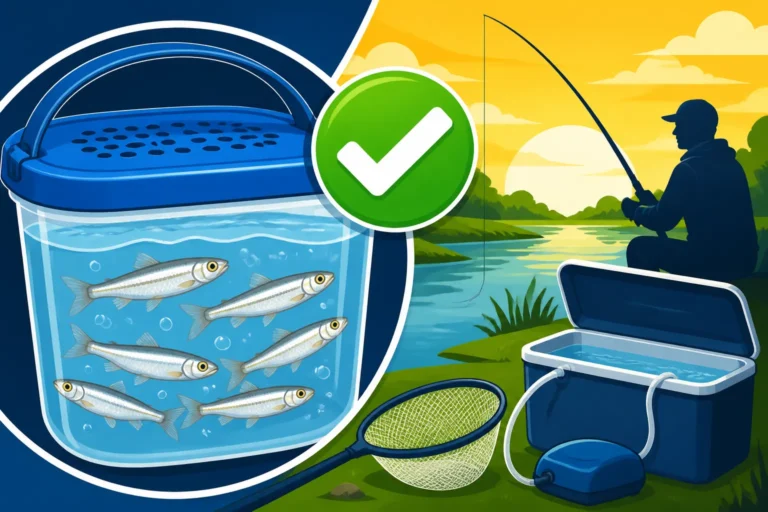
The freshest cut bait is paramount. If you're serious about big blues, you need to use fresh bait. Skipjack herring, shad, or even carp make excellent choices. Cut your bait into chunks that are appropriate for the size of your hook – you want enough meat to provide scent and substance, but not so much that it's unwieldy or hides the hook point. Bleeding bait is also a huge attractant. Some anglers will even "score" the sides of their cut bait to release more scent.
When fishing from a boat, positioning is everything. You need to anchor effectively, often using two anchors (one off the bow, one off the stern) to hold your boat steady in the current. This prevents your lines from tangling and keeps your bait in the strike zone. Deploy your bait up current from your boat, allowing the scent to drift down to where the fish are holding. You'll typically be casting into the deeper holes or around submerged structures we discussed earlier. It's often effective to fish multiple rods with different bait presentations or at varying depths until you find what's working. Don't forget to learn How to Anchor Properly for River Catfishing before heading out.
Using a good fish finder is invaluable. It helps you locate those deep holes, ledges, and submerged timber that big blues love. Pay attention to schools of baitfish, too, as big predators are never far from their food source. Once you've identified a promising spot, use your electronics to stay on target.
Best Baits for Big River Blues
Let's talk more about specific baits, because this is where many anglers either hit a home run or strike out. Big blue catfish are primarily attracted by scent.
| Bait Type | Key Features | Best Uses |
|---|---|---|
| Fresh Cut Shad | Oily, strong scent, readily available in many rivers. | Excellent all-around bait, particularly effective when shad are schooling. |
| Skipjack Herring | Extremely oily, super bloody, strong scent, durable on the hook. | Often considered the best bait by trophy hunters; tough to beat. |
| Cut Carp/Buffalo | Readily available, very tough and stays on the hook well, good scent. | Great for areas with smaller fish that might peck away at softer baits. |
| Live Perch/Bluegill | While cut bait is king, a frisky live bait can sometimes tempt a sluggish giant. | Use sparingly and check local regulations, as not all live bait is legal. |
| Prepared Baits | Some commercial "stink baits" exist, but generally less effective for big blues. | Can work for smaller channel cats, but not recommended for trophy blue catfish. |
Always prioritize fresh bait. If you catch fresh baitfish like shad or skipjack right on the river, that's ideal. If not, frozen bait from a reputable tackle shop can work, but try to thaw it just enough to cut, then keep it cool. For specific regional advice, you might want to look into Best Bait for Catfish in the Mississippi River.
Optimal Times and Conditions for Landing a Giant Blue Catfish
Timing and environmental conditions play a massive role in blue catfish activity. Being on the water when the conditions are right significantly increases your chances of success.
Seasonal Patterns and Water Temperatures
While you can catch blue catfish year-round in Mississippi, certain seasons are undeniably better for targeting the biggest ones. Spring and Fall are generally considered prime time. In spring, as water temperatures rise, blue cats become highly active, moving out of deep wintering holes to feed aggressively in preparation for spawning. They'll often stage in slightly shallower but still current-protected areas.
Fall, however, is often the season for trophy blues. As water temperatures begin to drop and fish sense the approaching winter, they enter a major feeding frenzy. They're trying to pack on weight, and they become incredibly opportunistic. This is when they're most likely to hit larger baits in deeper water as they chase schools of baitfish migrating to their wintering grounds. During the summer, they can be caught, but they often retreat to very deep, cooler water during the heat of the day, making Night Fishing for Catfish a more productive option. In winter, they'll congregate in deep holes, and while they still feed, their metabolism slows down, making bites more subtle.
River Levels, Current, and Barometric Pressure
River conditions are paramount when chasing big blues. High, muddy water can be challenging, but it's not impossible. Often, in these conditions, blue cats will move closer to the banks, seeking refuge from the main current and ambushing disoriented baitfish. Look for slack water pockets behind cover. Falling water can be tough, as fish may become disoriented or move out of previously productive areas. Rising water, especially slowly rising water, can be excellent, as it often brings in new food sources.
Current is a blue cat's best friend – they use it to their advantage to ambush prey. You rarely find them in completely stagnant water in a river. They prefer areas with moderate to strong current that brings food to them, but always with access to a nearby current break where they can rest. The "sweet spot" is often the seam where fast water meets slow water.
Barometric pressure is another factor many seasoned catfishermen swear by. A stable or slowly falling barometric pressure often corresponds with increased feeding activity. Rapidly falling pressure (indicating an approaching storm) or very high, stable pressure can sometimes make the bite tougher. Keep an eye on the weather forecast and try to plan your trips accordingly. While you can't control the weather, understanding its impact helps you adjust your expectations and tactics.
Catching truly big blue catfish in Mississippi rivers is an experience that stays with you. It demands patience, the right equipment, and an understanding of the fish's natural behaviors. By focusing on deep, structured river spots, using the freshest cut bait on robust tackle, and fishing during optimal conditions, you'll significantly increase your chances of tangling with one of these magnificent freshwater giants. There's nothing quite like the thump of a big blue on the line, and the screaming drag as it tries to strip line in the powerful river current. Get out there and make some memories! If you're looking for more general information on fishing in the state, our Mississippi Freshwater Fish Species Guide is a great place to start.
Disclaimer
This article is for general informational purposes only and does not constitute professional advice. Laws, prices and regulations vary by location and change over time. Consult a qualified professional for guidance on your specific situation.