Do Crappie Bite Better Early Morning or Evening?
Ah, the age-old question that keeps many a crappie angler tossing and turning: do these elusive slab-sided beauties bite better in the early morning or as the sun dips below the horizon in the evening? It’s a debate as old as fishing itself, and honestly, there's no single, universally correct answer. But don't you worry, because in this guide, we're going to dive deep into the nuances of crappie behavior, exploring the factors that influence their feeding patterns throughout the day in Mississippi waters, so you can make an informed decision and hopefully fill your livewell.
The Crappie's Daily Rhythm: Understanding Their Behavioral Drivers
Before we declare a winner in the morning vs. evening showdown, it's crucial to understand what makes a crappie tick. These fish aren't just swimming around aimlessly; their activity is directly tied to a few key environmental factors. Get these right, and you’re halfway to a successful trip, no matter the time of day.
Light and Crappie Activity: The Low-Light Advantage
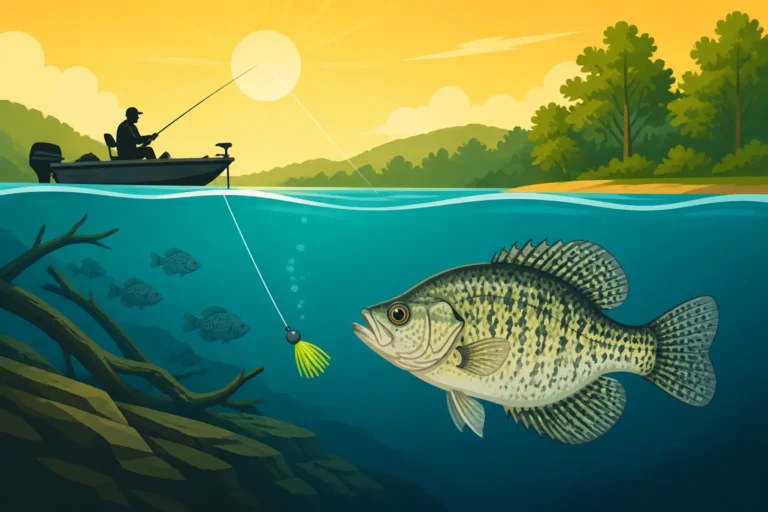
Crappie are primarily sight feeders, meaning they rely on their eyes to hunt down those tasty minnows, insects, and crustaceans. However, they're not big fans of glaring sunlight. We've all been there, out on the water mid-day, staring at a blank fish finder, wondering where all the fish went. It's often because that bright overhead sun has pushed them deep or into thick cover where they feel safe and comfortable.
This is why the periods of low light – just before sunrise (dawn) and just after sunset (dusk) – are often so productive. During these "crepuscular" times, the light levels are perfect: bright enough for crappie to see their prey clearly, but dim enough to give them a sense of security from overhead predators. This applies whether you're chasing them in the vastness of Ross Barnett Reservoir or a quieter local lake. They simply feel more confident moving into shallower water or out from under dense cover when the sun isn't beating down on them.
Water Temperature and Oxygen Levels: Finding the Comfort Zone
Just like us, crappie have a comfort zone when it comes to temperature. They're cold-blooded, so the water temperature directly impacts their metabolism and activity levels. In Mississippi, where temperatures can swing wildly through the seasons, this is a huge factor.
- Morning Temps: After a long, cool night, the water temperature might be at its lowest point in the early morning. This can sometimes make crappie a bit sluggish, especially during colder months. However, as the sun begins to peek over the horizon and gently warms the shallows, it can spark a burst of activity.
- Evening Temps: By late afternoon, the water has been absorbing solar heat all day. As the sun starts to set, the surface water begins to cool. This slight temperature drop can often trigger a feeding spree, particularly in the hotter summer months when crappie are looking for a break from stagnant, warm water.
Beyond just temperature, oxygen levels play a role. Warmer water holds less dissolved oxygen, which is why during the dog days of summer, crappie often retreat to deeper, cooler water where oxygen is more abundant. Mornings and evenings can offer a brief reprieve from the heat, allowing them to venture into areas they'd avoid during peak sun. Understanding these environmental cues is like having a secret weapon in your tackle box, whether you're trying Crappie Fishing Techniques for Mississippi Lakes or exploring new waters.
Early Morning Advantages: The Dawn Patrol's Promise
There's a reason so many dedicated anglers set their alarms before the rooster crows. The early morning bite for crappie can be absolutely phenomenal, offering some unique benefits that are hard to beat.
The Low-Light Feeding Frenzy: Seizing the Golden Hour
That magical period from pre-dawn twilight to just after sunrise often marks a crappie feeding frenzy. As the first hint of light paints the sky, crappie begin to move. They often push up from deeper structures or emerge from the shadowy embrace of fallen timber and lily pads, actively hunting for their breakfast.
During this time, you might find them in surprisingly shallow water, especially in the spring during the spawn or in the fall when they’re bulking up. The key here is aggression. Crappie in this low-light environment are often less wary and more willing to strike a lure or minnow with gusto. You might feel those satisfying thumps on your line as they inhale your offering. This is when Jig Fishing for Crappie can be incredibly effective, whether you're casting small jigs or vertical jigging around cover. There's also the added bonus of often having the water to yourself, or at least with far less boat traffic than you'd experience later in the day, leading to calmer waters and less disturbance. If you're looking for more general advice on timing your trips, check out Best Time of Day to Catch Crappie.
Cooler Temperatures and Active Baitfish: A Perfect Storm
In the scorching Mississippi summer, cooler morning temperatures are a blessing, not just for us anglers, but for the crappie too. They become much more comfortable and active when the water isn't boiling. This comfort translates directly into increased feeding activity.
Furthermore, early mornings are often when baitfish like shad and minnows are most active. They'll school up, move into shallower areas, and become prime targets for hungry crappie. It's a natural food chain in action. When baitfish are abundant and active, crappie are usually not far behind. This synergy of cooler water and bustling baitfish creates a perfect storm for crappie anglers. Consider trying live minnows, which you can easily pick up at most bait shops, or stock up on a variety of small soft plastics from retailers like Amazon to match whatever the crappie are keying in on.
Evening Prowl: Dusk Till Dark Success Stories
While mornings are fantastic, don't write off the evening bite! As the sun begins its descent, another prime window of opportunity opens for crappie anglers, offering a different, yet equally rewarding, experience.
The Twilight Transition: Crappie on the Move Again
Just as with the morning, the transition from day to night is a magical time. Throughout the bright daylight hours, crappie might have been hunkered down in deep brush piles, under docks, or nestled among heavy lily pads, seeking refuge from the sun and predators. As the light fades, a biological switch flips, and they begin to move out from these secure spots.
This twilight transition sees crappie migrating towards shallower feeding grounds or suspending higher in the water column over deeper areas. There's something uniquely peaceful about fishing into the sunset, and it often pays off handsomely. The calming effects of the evening, combined with the crappie's increased activity, make for a truly enjoyable and productive outing. When the light gets really low, don't be afraid to experiment with darker colored jigs, or even glow-in-the-dark options that can stand out in the fading light. A good headlamp from Amazon can also be your best friend during these evening expeditions, helping you tie knots or navigate safely.
Warm Water, Active Bugs, and Less Pressure: An Unsung Hero
In many ways, the evening bite mirrors the morning bite but with a few distinct differences. In the spring and fall, the declining temperatures as evening approaches can actually trigger a strong feeding response. The water, having warmed all day, provides a comfortable environment, and as it slowly cools, crappie often feed actively to capitalize before the chill of night sets in.
Additionally, evenings often bring out swarms of insects. Mayflies, midges, and other bugs hatch and fall onto the water's surface, creating a feast for small baitfish, which in turn draws the crappie. This natural food source can make your artificial lures or live bait even more appealing.
Another significant advantage of evening fishing is often less angler pressure. While the morning crowd might have thinned out, many anglers pack up once the sun is high. If you're willing to stay a bit longer, you might find yourself with prime fishing grounds all to yourself. This tranquility can lead to more relaxed crappie and, consequently, more bites. When the bugs get bad, a good bug spray, easily found on Amazon, can keep you comfortable on the water.
Seasonal Influences and Other Key Factors
While the morning and evening windows are generally prime, the specific time crappie bite best can shift dramatically with the seasons and other environmental factors. It's never a one-size-fits-all answer, and being adaptable is key to consistent success.
Spring and Fall: Prime Time for Both Bites
If you're looking for the best all-around crappie fishing, spring and fall are your golden seasons in Mississippi. During these times, both early morning and evening bites can be absolutely fantastic.
- Spring: As water temperatures rise into the 50s and 60s, crappie move shallower for the spawn. This means they are often very accessible and actively feeding, preparing for or recovering from spawning duties. Crappie Spawning and Egg Production is a fascinating read if you want to understand their reproductive cycle better. Early mornings often see them aggressively feeding on shallow cover, while evenings can bring them back to the same areas as the day's heat subsides. This is why a Mississippi Spring Fishing Guide will often emphasize these twilight hours.
- Fall: Crappie are in full "feed bag" mode during the fall, trying to pack on weight for the colder months ahead. They follow baitfish, which are often schooling up in open water or along creek channels. Both morning and evening can be incredibly productive as crappie actively pursue these baitfish. A strong shad run in the fall can lead to some of the most memorable crappie fishing of the year, regardless of the specific time, as detailed in any good Mississippi Fall Fishing Guide.
Summer and Winter Adjustments: Niche Windows
The extreme temperatures of Mississippi summers and winters require a bit more finesse and understanding of crappie behavior.
- Summer: The brutal summer heat pushes crappie deep during the brightest parts of the day, where cooler, more oxygenated water provides relief. This makes the early morning and late evening bites absolutely crucial. During these times, crappie might venture shallower for a brief feeding period before retreating. Think about targeting deep brush piles, channel ledges, and submerged timber during these periods. It's often about finding those subtle transitions. Understanding How Deep Do Crappie Go in Summer can significantly improve your odds during these hot months. Any Mississippi Summer Fishing Guide will stress the importance of these low-light windows.
- Winter: Crappie are generally more lethargic in cold winter water. The "bite" might be a subtle tap rather than an aggressive strike. While low light periods can still be productive if you find grouped-up fish, sometimes the warmest part of the day – mid-morning to mid-afternoon – offers a slight advantage as the sun might warm the water by a degree or two, spurring a bit more activity. You might need to slow down your presentation considerably. Check out a Mississippi Winter Fishing Guide for more detailed cold-weather tactics.
Weather and Water Conditions: The Unpredictable Variables
Never underestimate the power of weather and water conditions to override typical crappie behavior.
- Overcast Skies: A heavily overcast day, or even a drizzly one, can effectively extend those "low light" conditions throughout the entire day. On such days, crappie might remain active and in shallower water much longer than on a bright, sunny day. This is a blessing for anglers who can't always hit the water at dawn or dusk.
- Fronts: Fishing before a cold front moves in can often be phenomenal, as fish sense the change and feed aggressively. After a front passes, however, the bite can shut down almost completely due to dropping temperatures and increased barometric pressure. Patience and a slow presentation become your best friends.
- Turbidity: Clear water typically means crappie are more wary, and the low-light advantage is more pronounced. In muddy or stained water, however, crappie might be less reliant on their sight and more on their lateral line (which detects vibrations) and scent. This can sometimes extend their feeding windows throughout the day, though finding them can be trickier. Keeping an eye on Best Water Temperature for Crappie Fishing can help you predict activity levels based on current conditions.
Ultimately, the best approach is to be flexible and observe. Spend time on the water, try both morning and evening, and pay attention to what the crappie are telling you through their bites (or lack thereof!). Every day is a new puzzle, and that's half the fun of crappie fishing in Mississippi!
Here's a quick comparison of the two prime periods:
| Factor | Early Morning (Pre-dawn to mid-morning) | Evening (Late afternoon to dusk) |
|---|---|---|
| Light Conditions | Decreasing darkness, low light, sunrise transition | Decreasing daylight, low light, sunset transition |
| Temperature | Often coolest of the day, gradually warming | Often warmest of the day, gradually cooling |
| Crappie Activity | Moving shallower, aggressive initial bite, then settling | Moving shallower from cover/depth, often strong bite |
| Baitfish Activity | Highly active, schooling up, vulnerable to crappie | Active, sometimes feeding on surface insects |
| Angler Pressure | Can be less initially, increases with daylight | Often fewer anglers than peak mid-day, peaceful |
| Best Seasons | Year-round, but crucial in summer. Excellent in spring/fall. | Year-round, but crucial in summer. Excellent in spring/fall. |
| Key Techniques | Vertical jigging, casting jigs, spider rigging, trolling | Casting jigs, vertical jigging, slip bobbers |
| Gear Notes | Small jigs, live minnows, light line, good polarized sunglasses | Darker jigs, live minnows, glow baits, headlamp (Amazon!) |
Disclaimer
This article is for general informational purposes only and does not constitute professional advice. Laws, prices and regulations vary by location and change over time. Consult a qualified professional for guidance on your specific situation.