Arkabutla Lake Best Fishing Spots
Trying to navigate a new lake, especially one as expansive and diverse as Arkabutla Lake, can feel like a daunting task, leaving many anglers frustrated and unsure where to even drop a line. This comprehensive guide is designed to cut through that uncertainty, providing you with detailed insights into Arkabutla Lake's best fishing spots, tailored for the species you're chasing, and practical tips to ensure your next fishing trip is a resounding success.
Understanding Arkabutla Lake's Unique Features for Fishing
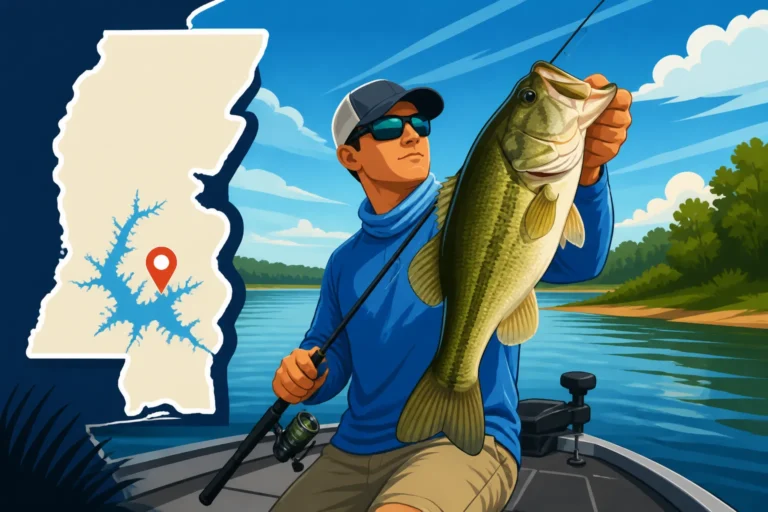
Arkabutla Lake, nestled in northwest Mississippi, is one of the four U.S. Army Corps of Engineers flood control reservoirs in the region, along with Sardis, Enid, and Grenada. While often overshadowed by its larger counterparts, Arkabutla offers incredible fishing opportunities, largely due to its varied topography and the ecological richness of the Coldwater River system that feeds it. Understanding these fundamental characteristics is the first step to unlocking its secrets.
Lake Layout and Key Topography
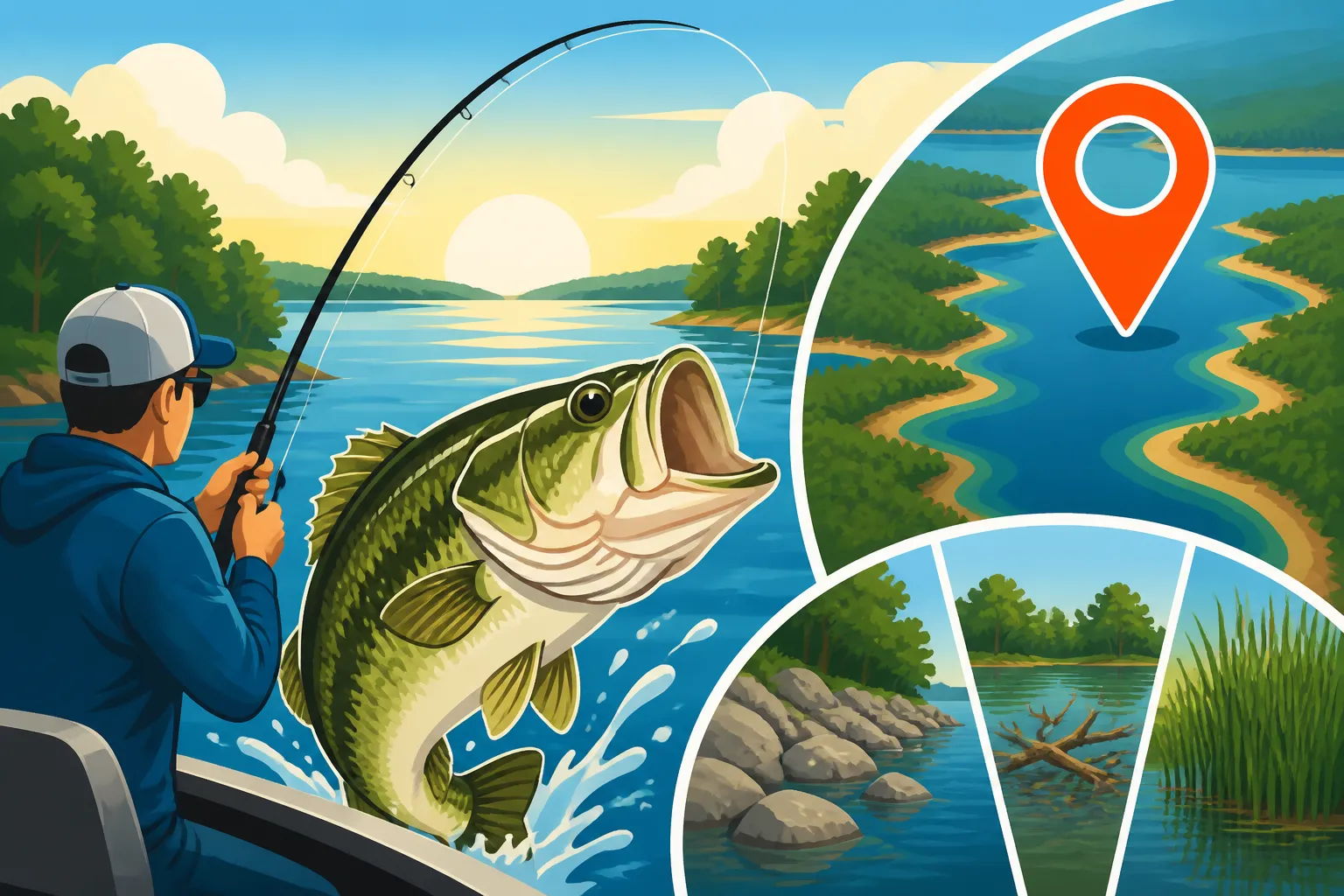
Arkabutla Lake spans approximately 34,000 acres at its conservation pool elevation, but its size fluctuates dramatically with flood control operations. This dynamic environment means that what's a shallow flat one day might be a muddy bank the next, or vice versa. The lake's northern end is characterized by expansive, shallower flats and numerous stumps, particularly around the Coldwater River and its tributaries, which are prime areas for crappie and bass, especially during spawning periods. As you move south towards the dam, the lake deepens considerably, featuring more defined creek channels, ledges, and drop-offs. Submerged timber, old roadbeds, and brush piles are abundant throughout the lake, offering crucial cover and structure for fish. These structural elements are not always visible, often requiring a good depth finder and patience to locate. The presence of these varied structures across different depths allows for diverse fishing techniques and target species.
The Coldwater River channel itself is a major highway for fish, offering distinct contours that fish follow during different seasons. Understanding where this channel winds, its depth changes, and where it meets points or humps, can be incredibly productive. For instance, points that extend into the channel, especially those with some submerged timber, often hold aggregations of crappie and bass. Similarly, areas where smaller creeks merge with the main river channel create ambush points for predatory fish.
Water Levels and Their Impact on Fishing
Arkabutla Lake's water levels are notoriously dynamic due to its primary role in flood control for the Mississippi River basin. This fluctuation directly impacts fishing patterns, often dictating where fish are and how they behave. During periods of rising water, fish tend to move into newly flooded vegetation and shallow cover, particularly crappie and bass during their spawning migrations. This can be a fantastic time for shallow water tactics, pitching jigs or small crankbaits into the flooded brush. However, rapidly falling water can scatter fish, pushing them back towards main lake structure and deeper channels, making them harder to locate.
Conversely, stable water levels, even if they are lower than usual, can lead to more predictable fishing. When water levels remain consistent for several days or weeks, fish establish more reliable patterns around existing cover and structure. Anglers often find success focusing on the edges of remaining cover or deeper points and ledges during these stable periods. Always check the current lake levels before you head out, as this information is paramount to planning your strategy. Websites for the U.S. Army Corps of Engineers or local bait shops are excellent resources for up-to-date conditions. This constant change is both a challenge and an opportunity, rewarding anglers who adapt quickly.
Primary Fish Species and Their Preferred Habitats
Arkabutla Lake is a fantastic fishery supporting a healthy population of popular game fish, each with its preferred haunts and habits. Knowing what you're targeting and where they typically reside is crucial for success.
- Crappie: Both white and black crappie thrive here, particularly in the northern half of the lake. They love submerged timber, brush piles, old creek channels, and areas with standing flooded timber. During the spawn, they move into extremely shallow water, often just a few feet deep, in protected coves and along soft banks with woody cover. In hotter months, they'll retreat to deeper water, suspending over channels or holding tight to deeper brush piles.
- Largemouth Bass: Arkabutla offers excellent bass fishing, especially for those who enjoy fishing shallow cover. Bass are found throughout the lake, but the shallower, stump-filled northern sections and the numerous creek arms are hotspots. They relate to weed lines, cypress trees, submerged timber, laydowns, and rock riprap around the dam and bridge areas. During cooler months, they often gravitate towards deeper ledges and creek channel bends.
- Catfish: Channel, blue, and flathead catfish are abundant. They prefer the deeper sections of the lake, especially the main river channel and its tributaries, scour holes, and areas with deep woody cover. The lower lake near the dam and along the main Coldwater River channel is particularly productive for larger blues and flatheads. They are often found in areas with current, especially below the spillway. You can read more about various Catfish Fishing Techniques to optimize your strategy.
Understanding these preferences allows you to narrow down your search, focusing your efforts on the areas most likely to hold your desired catch.
Top Fishing Spots on Arkabutla Lake for Different Species
Finding the "best" spots on any large lake often comes down to specific conditions and what you're hoping to catch. However, Arkabutla Lake has several renowned areas that consistently produce good fishing for its most popular species. These locations offer a strong starting point for any angler looking to explore the lake.
Prime Spots for Crappie Fishing
Crappie are arguably the most sought-after fish on Arkabutla Lake, and for good reason—they're plentiful and delicious. Many anglers travel specifically for a chance at these tasty panfish.
- Coldwater River Arm: The upper reaches of the Coldwater River arm, particularly north of the Highway 51 bridge, are perennial crappie hotspots. This area is characterized by vast expanses of standing timber and numerous shallow flats that become inundated with rising water. During the spring spawn, crappie move into these flooded woods in droves. Anglers often find success spider-rigging live minnows or slow-trolling small jigs through the timber. Even outside the spawn, these areas hold fish, as the timber provides excellent cover and ambush points. In fall, crappie will often move to the deeper bends of the old river channel that winds through this section, relating to the structure there.
- Flea-Flicker Bridge Area: This bridge, connecting the east and west sides of the lake, offers a combination of deeper water and structure. The bridge pilings themselves attract baitfish and, consequently, crappie, especially when the water is flowing. The banks around the bridge are also good during the spawn, and the deeper areas beneath can hold suspended crappie during colder months. Vertical jigging or pitching minnows directly to the pilings can be very effective. This area sees consistent pressure but often delivers.
- Hernando Point and Outlet Channel: Hernando Point is a popular recreation area, but it also features a significant outlet channel. The currents created here and the deeper water nearby can concentrate crappie. While not as timber-heavy as the upper lake, this area offers excellent crappie fishing during specific times of the year, particularly as fish move in and out of the deeper main lake basin. Look for submerged brush piles or slight ledges along the channel. To improve your chances, check out our guide on Crappie Fishing Techniques for Mississippi Lakes.
Excellent Locations for Largemouth Bass
Arkabutla's largemouth bass fishery is strong, with plenty of opportunities to catch quality fish, particularly for those who enjoy fishing cover.
- Senatobia Creek and Hernando Point Area: This entire western arm of the lake, particularly around the mouth of Senatobia Creek and extending towards Hernando Point, is a bass haven. It features a mix of submerged timber, laydowns, scattered lily pads (seasonal), and fluctuating water depths that appeal to bass throughout the year. During the spring, bass move shallow into the numerous pockets and coves to spawn. Flipping jigs, Texas-rigged worms, or throwing spinnerbaits are effective here. In summer, bass might move to the deeper points and creek channel edges within this same region, responding well to crankbaits or deep-diving jigs.
- Old Roadbeds and Riprap near the Dam: While the upper lake offers abundant timber, the lower lake, particularly near the main dam and surrounding riprap, presents different but equally productive structure. Old roadbeds that cross the lake bottom, now submerged, act as significant travel routes and holding areas for bass. These can be found with a good depth finder. The rocky riprap along the dam itself provides excellent cover and attracts baitfish, making it a prime target for lipless crankbaits, jerkbaits, or jigs. Bass will often patrol these rocky edges, especially during cooler water temperatures.
- Any Area with Standing Timber or Laydowns: While broad, this point cannot be overstated for Arkabutla. Much of the lake's bass population relates directly to the overwhelming amount of submerged and standing timber. Whether it's the Coldwater River arm, the areas around Hernando Point, or numerous smaller coves, finding a concentration of woody cover is often key. Flipping and pitching jigs, creature baits, or Texas-rigged plastics into the heart of this cover is a go-to strategy. Topwater lures can also be deadly over submerged timber in low-light conditions. For more detailed insights, consider exploring Bass Fishing Techniques for Mississippi Anglers.
Productive Areas for Catfish
For anglers looking for the powerful fight of a catfish, Arkabutla Lake has plenty to offer, from bank fishing opportunities to deep-water big-game hunts.
- Coldwater River Channel (Main Lake Section): The main Coldwater River channel, especially where it snakes through the deeper, wider sections of the lake, is a primary highway for all three major catfish species. Blue and channel catfish often congregate in the deeper holes and along the channel edges. Using sonar to locate these depressions and then anchoring up with cut bait (shad or skipjack are excellent) or stink baits on bottom rigs can be very effective. Flatheads, known for their preference for live bait, will often be found near large submerged timber in the channel.
- Below the Arkabutla Dam Spillway: This area is a major draw for catfish anglers, particularly when the spillway gates are open, creating strong current. The turbulent water oxygenates the area and washes baitfish through, creating a feeding frenzy for catfish. Large blue and flathead catfish are frequently caught here. Heavy tackle is a must, and various techniques like drift fishing cut bait or tight-lining worms and stink baits are popular. This spot is also accessible for bank anglers, making it a popular choice. Be aware of safety regulations and potential currents here.
- Mouths of Tributaries and Creek Arms: Where smaller creeks like Senatobia Creek, Arkabutla Creek, or others flow into the main lake, they create natural funnels and deposition zones that hold bait and, subsequently, catfish. The edges of these creek mouths, particularly where they meet the deeper main lake, are excellent spots to set up juglines or trotlines. Bank anglers can also find success here by casting out weighted bottom rigs with a variety of baits. For more information on baits that work well, check out our guide on the Best Bait for Catfish in Mississippi.
Accessing Arkabutla Lake's Best Fishing Spots
Getting to your desired fishing spot is half the battle, and Arkabutla Lake provides a variety of access points catering to both boaters and bank anglers. Knowing your options beforehand can save you time and frustration.
Public Boat Ramps and Marinas
For boat anglers, Arkabutla Lake offers several well-maintained public boat ramps that allow easy access to different parts of the lake. These ramps are typically managed by the U.S. Army Corps of Engineers or concessionaires.
- South Abutment Ramp: Located near the dam on the southern end of the lake, this ramp provides quick access to the deeper, main lake basin and the areas near the spillway. It's an excellent choice for anglers targeting catfish or bass on deeper ledges. It's generally a sturdy concrete ramp suitable for larger boats.
- Hernando Point Ramp: Situated on the western side of the lake, the Hernando Point recreation area offers multiple ramps. This location is fantastic for accessing the vast timbered areas and creek mouths of the upper and middle lake, making it a prime spot for crappie and bass anglers. It also has amenities like restrooms and camping, making it a popular base for extended trips.
- Coldwater River Channel Ramps (Various): Several smaller, less developed ramps can be found further up the Coldwater River arm. While they might not be as robust, they offer direct access to the shallower, heavily timbered crappie and bass grounds that can be challenging to reach from the main lake. These are often preferred by local crappie guides due to their proximity to the best spring fishing. Always check ramp conditions, especially after heavy rains or during low water periods, as some might become unusable. When planning your trip, consider Mississippi boat registration requirements for fishermen to ensure compliance.
Bank Fishing Opportunities and Shoreline Access
Not everyone has a boat, and thankfully, Arkabutla Lake offers plenty of accessible shoreline for bank anglers to enjoy.
- Below the Dam Recreation Area: As mentioned for catfish, the area directly below the Arkabutla Dam spillway is a fantastic bank fishing spot. Paved areas and grassy banks allow for easy setup, and the current-fed waters are often packed with catfish and occasionally white bass or hybrid stripers when they make their runs. There are often designated fishing areas and parking here.
- Hernando Point Shoreline: The extensive shoreline around Hernando Point offers numerous spots for bank anglers. There are often piers, designated fishing areas, and miles of accessible bank where you can cast for bass, crappie, and bream. The shallow coves and brushy edges here are particularly good during the spring spawning seasons. This area also has plenty of picnic spots and restrooms, making it ideal for a family outing.
- Designated Fishing Piers and Platforms: Throughout the recreation areas of Arkabutla Lake, you might find specific fishing piers or platforms designed for easy bank access. These typically extend into deeper water than a typical bank, allowing anglers to reach areas that might otherwise require a boat. They are often found at popular campgrounds or day-use areas. Always check local signage for any specific regulations or permits, such as those that might apply to Mississippi State Park Lake Fishing Permits if you are fishing within a state-managed area on the lake.
Hiring a Local Fishing Guide for an Edge
While exploring Arkabutla Lake on your own can be rewarding, hiring a seasoned local fishing guide can dramatically improve your success, especially if you're new to the lake or targeting a specific species. These guides possess invaluable knowledge of current conditions, fish patterns, and specific hotspots that might take years to discover independently.
A good guide will not only put you on fish but also teach you specific techniques that work best for Arkabutla's unique environment, such as precise jigging depths for crappie in flooded timber or the best lures for bass in varying water levels. They provide all the necessary equipment, including specialized boats, rods, reels, and bait, removing the hassle of bringing your own. This is particularly beneficial for tourists or those just looking for a relaxing, productive day on the water without the logistical challenges. Platforms like FishingBooker allow you to browse and book experienced Arkabutla Lake fishing guides, showing their specialties, reviews, and availability. This way, you can ensure you're getting someone who truly understands the lake's nuances. Guides specializing in Grenada Lake Crappie Fishing Guides might also occasionally fish Arkabutla, so it's worth checking their service areas.
Seasonal Strategies for Maximizing Your Catch
The dynamic nature of Arkabutla Lake means that fishing strategies need to adapt with the seasons. Fish behavior changes dramatically based on water temperature, sunlight, and spawning cycles. Understanding these seasonal shifts is crucial for consistent success.
Springtime Hotspots and Techniques
Spring is arguably the most anticipated season for Arkabutla Lake anglers, as fish become highly active and move into shallower water for spawning.
- Crappie Spawning Bonanza: As water temperatures rise into the 50s and 60s Fahrenheit, crappie move into the super shallow, protected coves and flooded timber areas, especially in the upper Coldwater River arm and around Hernando Point. Look for water depths of 1-5 feet near brush and woody debris. Techniques like pitching small jigs (chartreuse, black/chartreuse, or clear with glitter are popular) to visible cover, or slow-trolling live minnows under a bobber, are incredibly effective. The bites can be subtle, so pay close attention to your line.
- Aggressive Bass on the Beds: Largemouth bass follow a similar pattern, moving into shallow flats and coves to spawn when water temperatures hit the low to mid-60s. These areas, particularly in the upper Coldwater and Senatobia Creek arms, become prime targets. Flipping jigs, Texas-rigged soft plastics (worms, craws), and spinnerbaits near submerged stumps, laydowns, and any available vegetation are excellent choices. Post-spawn, bass will often linger nearby, feeding heavily before dispersing to deeper water.
- Catfish Coming Alive: Spring also sees catfish becoming more active after the winter chill. They'll start cruising shallower flats and creek channels, especially after a good rain. Cut bait, worms, and chicken livers fished on the bottom in slightly deeper holes or along channel edges can produce good catches.
Summer Patterns and Deep-Water Tactics
As Mississippi's summer heat sets in, Arkabutla's fish generally retreat to deeper, cooler, and more oxygenated waters. This requires a shift in tactics from shallow-water pursuits to more vertical and offshore approaches.
- Deep Crappie and Suspension: Crappie will often suspend over the main lake channels or relate tightly to deeper brush piles and artificial attractors. Finding these brush piles with your electronics is key. Vertical jigging small spoons, drop-shotting minnows, or even tight-lining multiple jigs (spider rigging) directly over these structures in 10-25 feet of water can be very productive. Early mornings and late evenings might see crappie moving shallower to feed briefly.
- Bass on Ledges and Humps: Largemouth bass will stage on deep ledges, humps, and creek channel bends, especially those with shell beds or submerged timber. They'll often feed during low-light hours or when current is present. Deep-diving crankbaits, Carolina rigs, shaky heads, and heavy jigs dragged along these structures are excellent baits. Look for schools of baitfish on your electronics, as bass will often be close by. Fishing during the Best Time of Day to Catch Bass is critical in summer.
- Catfish in the Abyss: Catfish are often found in the deepest parts of the river channels and scour holes during summer. They remain active, feeding heavily. Large cut baits, whole shad, or even live bream are excellent choices for targeting bigger blue and flathead catfish. Jug fishing and trotlining in these deep channels can yield impressive results, especially overnight.
Fall Transition Zones and Feeding Frenzies
Fall on Arkabutla Lake is a fantastic time to fish, as cooling water temperatures trigger fish to feed aggressively in preparation for winter.
- Crappie Following Bait: As water temperatures drop, baitfish (especially shad) begin to move from deep open water into creek arms and main lake flats. Crappie will follow them, often schooling up in these transition zones. Look for crappie suspending over creek channels or relating to points that lead into these areas. Trolling small crankbaits or jigs, or casting jigs to schools of bait, can be highly effective. The Best Bait for Crappie in Mississippi often shifts to mimic these abundant baitfish.
- Bass Chasing Shad: Fall bass fishing can be explosive as bass actively chase schools of shad. They'll often be found on main lake points, channel swings, and the backs of creek arms where baitfish are concentrated. Topwater baits, lipless crankbaits, spinnerbaits, and swimbaits are excellent for imitating fleeing baitfish. Focus your efforts where you see surface activity or baitfish flickering on your electronics.
- Catfish Power Feeding: Catfish remain very active in the fall, bulking up for winter. They'll be found in a range of depths, from deeper channels to shallower flats where baitfish are abundant. Continue to use cut bait, worms, or livers, focusing on areas with current or strong bait concentrations.
Winter Lulls and Structure Fishing
Winter fishing on Arkabutla Lake can be challenging due to cold temperatures and often lethargic fish, but it can also be highly rewarding for those who know where to look.
- Crappie in Deep Structure: Crappie will typically hold tight to the deepest, densest cover they can find – deep brush piles, submerged timber, and the main river channel edges. They often school up in large numbers but are less active. Slow, precise presentations are key. Vertical jigging with tiny jigs or minnows directly over their heads is often the most effective method. Consider using a fish finder to pinpoint schools.
- Sluggish Bass on Deep Structure: Bass become much more lethargic in winter, relating tightly to deep ledges, channel bends, and major timber concentrations in 15-30+ feet of water. Slow-moving baits like jigs, spoons, and football head jigs are excellent. The key is to fish slowly and patiently, often with long pauses, allowing the cold-water bass time to react. The warmest parts of the day, especially on sunny days, can sometimes trigger a short feeding window.
- Deep Channel Catfish: Catfish will also move to the deepest parts of the Coldwater River channel during winter. While less active, they will still feed if a bait is presented directly to them. Large chunks of cut bait fished on a bottom rig in deep holes can tempt them. This is often a game of patience, but the rewards can be large blue and flathead catfish.
| Best Arkabutla Lake Fishing Spots Summary | |||
|---|---|---|---|
| Spot | Primary Species | Best Seasonal Focus | Access Type |
| Coldwater River Arm (Upper) | Crappie, Largemouth Bass | Spring (Spawning), Fall (Baitfish) | Boat Ramps (smaller, upper lake) |
| Flea-Flicker Bridge Area | Crappie, Catfish | Spring, Fall (Crappie); Year-round (Catfish) | Boat Ramps (mid-lake), Bank Access (limited) |
| Hernando Point | Crappie, Largemouth Bass, Bream | Spring (Spawning), Summer (Structure) | Boat Ramps (Hernando Point), Extensive Bank Access, Piers |
| Senatobia Creek Arm | Largemouth Bass, Crappie | Spring (Spawning), Fall (Feeding) | Boat Ramps (Hernando Point & smaller), Bank Access |
| Dam Area (Riprap & Below Spillway) | Largemouth Bass, Catfish | Year-round (Bass on Riprap); Year-round (Catfish below dam) | Boat Ramps (South Abutment), Excellent Bank Access |
| Main Coldwater River Channel (Deep) | Catfish, Deep Crappie, Deep Bass | Summer, Winter (Deep Water); Fall (Transition) | Boat (requires good electronics), South Abutment Ramp |
Disclaimer
Fishing conditions and regulations in Mississippi can change. Always consult the latest rules and regulations published by the Mississippi Department of Wildlife, Fisheries, and Parks (MDWFP) before heading out. Information provided in this guide is for general informational purposes only and should not be considered legal advice.