Tenn-Tom Waterway Best Fishing Spots
Trying to figure out where the best fishing spots are along the sprawling Tennessee-Tombigbee Waterway can feel like searching for a needle in a haystack – it's a massive system, and the sheer number of access points and varying conditions can be daunting. But trust me, the Tenn-Tom holds some incredible angling opportunities for those who know where to look. This guide will walk you through the prime locations, the fish you can expect to catch, and the best ways to tackle this fantastic Mississippi waterway.
Understanding the Tennessee-Tombigbee Waterway for Anglers
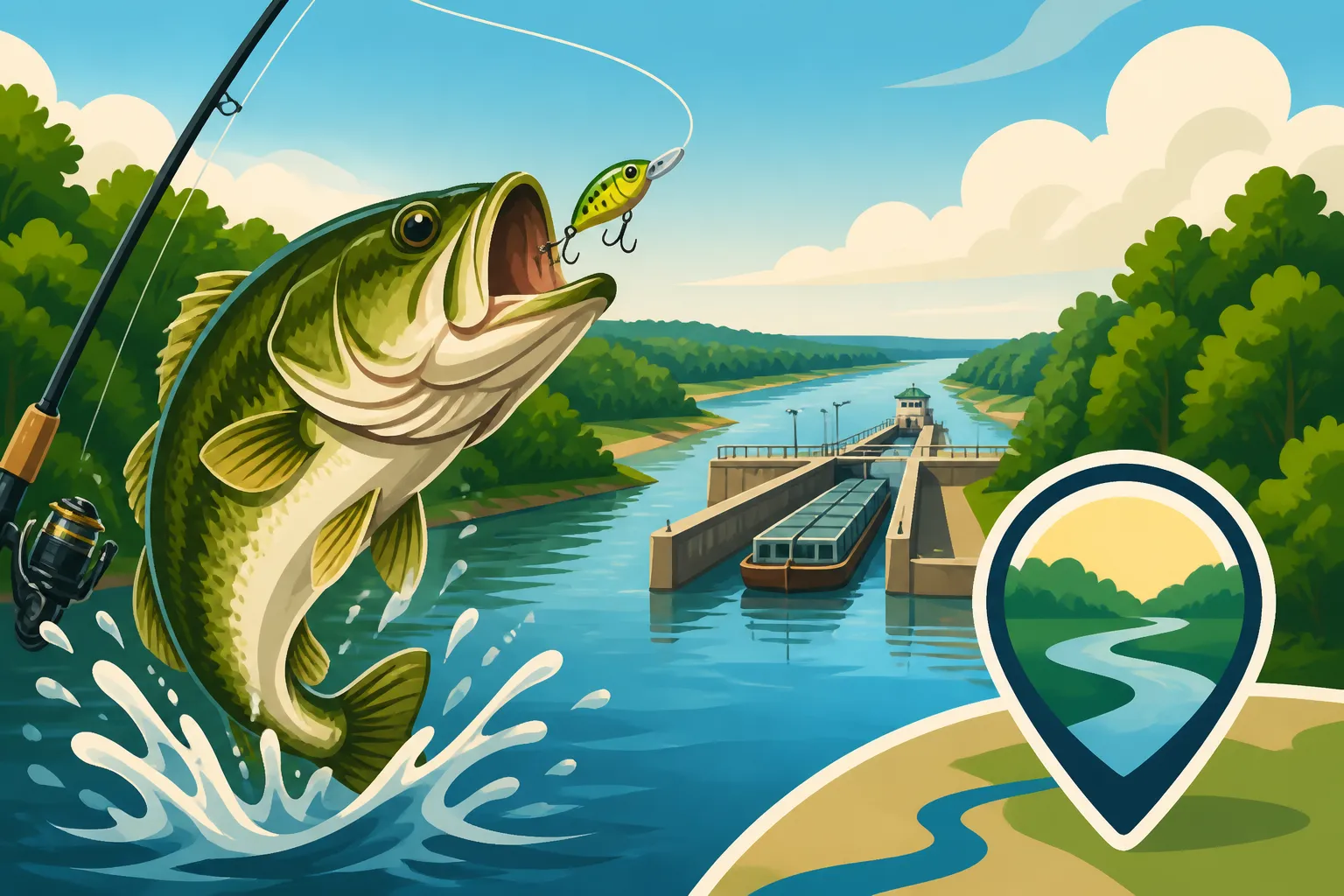
The Tennessee-Tombigbee Waterway, often affectionately called the "Tenn-Tom," isn't just a navigational marvel connecting the Tennessee River to the Gulf of Mexico via the Tombigbee River; it's a vibrant ecosystem teeming with fish. This 234-mile-long artificial waterway cuts through northeastern Mississippi, creating a series of lakes, pools, and riverine sections, each offering unique fishing experiences. What makes it so special for anglers is its incredible diversity – you've got everything from wide-open reservoir fishing to more intimate river stretches, along with countless coves, creeks, and submerged structures.
The Unique Character of the Tenn-Tom's Fisheries
Unlike a single natural river or lake, the Tenn-Tom combines characteristics of both. You'll find deep main channels that mimic river fishing, alongside expansive impoundments that feel like traditional reservoirs. This blend means a diverse range of habitats for different fish species, from bottom-dwelling catfish to schooling crappie and aggressive largemouth bass. The consistent water levels, maintained by a series of locks and dams, also provide a stable environment for fish populations to thrive, making it a reliable destination for anglers throughout the year. The system's connectivity also allows for a healthy flow of nutrients and fish movement, which keeps the fishing dynamic and exciting.
Why It's a Prime Destination for Mississippi Fishing
The Tenn-Tom isn't just an afterthought; it's a destination in its own right for Mississippi fishing. Its extensive length ensures that even on busy weekends, you can often find a quiet spot to yourself. The managed nature of the waterway means that fish populations are generally healthy, with Mississippi Department of Wildlife, Fisheries, and Parks (MDWFP) actively stocking and managing the various pools. For example, some sections are renowned for their incredible crappie fishing, while others are bass fishing paradises. If you're looking to explore some of the Best Fishing Spots in Mississippi, the Tenn-Tom undoubtedly deserves a top spot on your list, offering consistent action and the chance at trophy-sized catches across multiple species.
Prime Fishing Hotspots Along the Tenn-Tom
When you're looking at the Tenn-Tom, it’s best to break it down into its major impoundments or "pools." Each offers distinct advantages and popular areas that local anglers frequent. Getting to know these key zones will vastly improve your success.
Bay Springs Lake
Up in the northern reaches of the Mississippi portion of the Tenn-Tom, you'll find Bay Springs Lake. This lake is often hailed as one of the prettiest and most productive reservoirs in the state, known for its clear waters and excellent bass fishing. Anglers here often target largemouth and spotted bass around its many points, submerged timber, and deep ledges. The lake's clear water means you might need to adjust your Bass Fishing Techniques for Mississippi Anglers, often favoring natural colors and lighter lines.
During the spring, when bass are moving shallow to spawn, the many coves and pockets around the lake become prime targets. Look for visible cover like fallen trees or boat docks. In the summer, the bass retreat to deeper structure, so a good fish finder is invaluable for locating submerged humps and creek channels. Bay Springs also offers fantastic crappie fishing, particularly in the cooler months. Targeting brush piles and standing timber in 15-25 feet of water can yield some impressive catches. The Bay Springs Lake Fishing Guide delves deeper into specific strategies for this gem.
Columbus Lake
Further south along the waterway is Columbus Lake, a wider, more river-like pool known for its excellent crappie and catfish populations, though bass fishing is strong here too. This lake stretches from the Aberdeen Lock and Dam down to the Columbus Lock and Dam. The varying depths and structures – from rip-rap banks to old river channels and flooded timber – create diverse habitats. For crappie, many anglers head to the numerous oxbows and creek mouths, especially during the spring spawn. Spider rigging or slow trolling jigs and minnows are popular and effective Crappie Fishing Techniques for Mississippi Lakes here.
Catfish are abundant in Columbus Lake, with blue, channel, and flathead cats making up the majority of the catch. The main river channel and the mouths of tributaries are excellent spots for anchoring and soaking cut bait or worms. Night fishing for catfish can be particularly rewarding. You can find more detailed information on specific areas and strategies in the Columbus Lake Fishing Guide. The area around Columbus itself offers good amenities and access, making it a convenient base for exploring this section of the Tenn-Tom.
Aliceville Lake and Gainesville Lake
As you continue downstream into the southern Mississippi portion of the Tenn-Tom, you'll encounter Aliceville Lake and Gainesville Lake, which technically extend into Alabama but offer fantastic fishing right on the Mississippi border. These lakes also provide a mix of riverine and reservoir characteristics, with plenty of flooded timber, stump fields, and ledges. Both lakes are highly regarded for their largemouth bass fishing, particularly in the spring and fall. The numerous creek channels and shallow flats are key areas to target.
For crappie, look for submerged structure, especially timber and brush piles that concentrate baitfish. During the colder months, deeper creek bends and channel swings can be productive. Catfish are also plentiful, especially in the deeper main channels and around the lower ends of the dams. These areas are less pressured than some of the more famous Mississippi lakes, making them excellent choices if you prefer a quieter fishing experience. Before you head out, it's always wise to consult Mississippi Fishing Regulations Explained to ensure you're compliant, especially if you're close to the state line.
Targeting Popular Fish Species in the Waterway
The Tenn-Tom Waterway is a multi-species angler's dream, offering fantastic opportunities for some of Mississippi's most sought-after game fish. Each species has its preferred habitat and feeding patterns within this diverse system.
Bass: Largemouth and Spotted
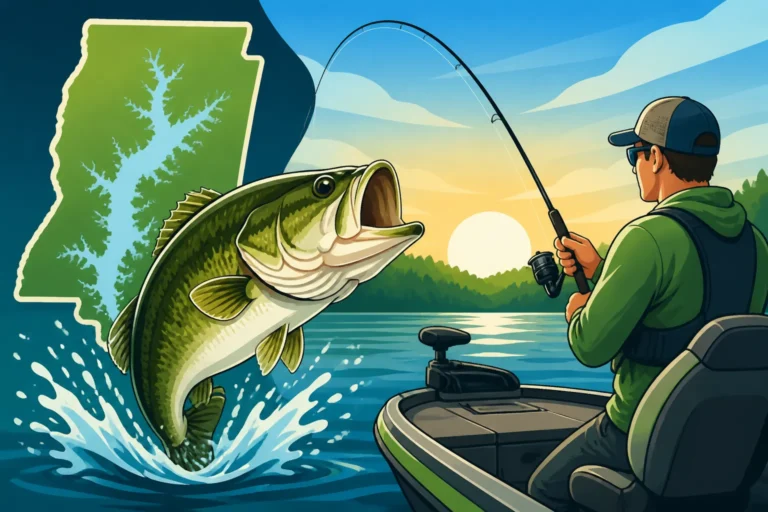
Both largemouth and spotted bass thrive throughout the Tenn-Tom. Largemouth tend to prefer the shallower, cover-rich areas, especially in the upper ends of coves, around lily pads (where present), and in flooded timber. Spotted bass, on the other hand, often relate more to deeper, rocky structure and main lake points, especially in the clearer waters of Bay Springs Lake. They tend to school up more than largemouth, so once you find one, you're likely to find more.
Seasonal Strategies for Bass:
- Spring: This is prime time for shallow-water bass. Focus on transition areas where bass move from deeper wintering holes to shallower spawning beds. Spinnerbaits, ChatterBaits, and shallow-diving crankbaits work well. As they move to beds, Texas-rigged worms and jigs pitched into cover are effective.
- Summer: Bass move deeper during the heat of summer. Target creek channels, ledges, and submerged humps with deep-diving crankbaits, jigs, and Carolina rigs. Early mornings and late evenings can still produce topwater action in low-light conditions.
- Fall: As water temperatures drop, bass become highly active, feeding on schooling baitfish. Look for shad working along main lake points and creek arms. Reaction baits like lipless crankbaits, jerkbaits, and swimbaits are excellent for imitating baitfish.
- Winter: Bass are often concentrated in deeper holes and creek channels. Slow-moving baits like jigs, shaky heads, and spoons are effective for enticing lethargic fish.
Crappie: White and Black
The Tenn-Tom is renowned as one of the Best Crappie Lakes in Mississippi in several of its pools, particularly Columbus and Bay Springs. Both white and black crappie are present, with white crappie generally more prevalent in the murkier, more riverine sections and black crappie preferring clearer water and heavier cover.
Effective Crappie Tactics:
- Spring: The crappie spawn is legendary on the Tenn-Tom. Look for fish moving into shallow water in coves, around brush piles, and submerged timber. Small jigs (1/16 to 1/8 oz) tipped with plastic grubs or live minnows suspended under a bobber are deadly.
- Summer: Crappie retreat to deeper, cooler waters, often suspending over brush piles, old creek channels, and the main river channel. Trolling with multiple rods (spider rigging) using jigs or minnows at various depths is a very popular and effective technique. Your fish finder will be your best friend here to locate schools.
- Fall: Crappie become very active again, feeding heavily as water temperatures cool. They'll often be found transitioning between shallow and deep water, relating to structure like standing timber or bridge pilings.
- Winter: Deep water crappie fishing is the name of the game. Target brush piles, deep creek channels, and submerged structure. Vertical jigging or slow-trolling minnows can produce excellent results, even in the coldest months. If you're looking for expert advice or even to book a guide, resources like FishingBooker often list guides specializing in crappie fishing on these major Mississippi waterways.
Catfish: Blue, Channel, and Flathead
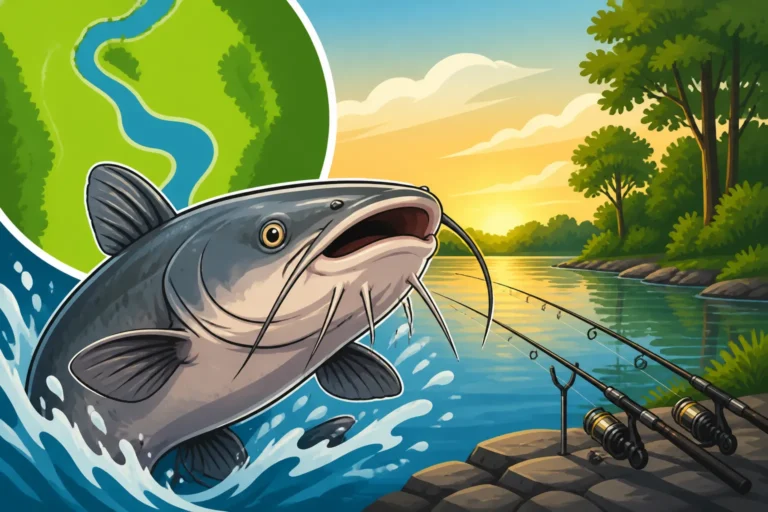
For anglers who love the tug of a big cat, the Tenn-Tom delivers. Channel, blue, and flathead catfish are all abundant, offering fantastic opportunities for trophy-sized fish and a delicious meal. The riverine sections and deeper holes are prime areas for these powerful fish.
Catfish Fishing Techniques:
- Channel Catfish: These are the most common and can be caught almost anywhere with natural baits like worms, stink baits, or chicken livers. Look for them in slower currents, creek mouths, and deeper holes.
- Blue Catfish: Known for their size, blue cats prefer deeper, faster-moving water, especially in the main river channel. Cut bait (like shad, mullet, or skipjack herring – remember to check Mississippi Non-Game Fish Rules regarding baitfish) is the most effective bait for these giants. A strong rod and reel setup is crucial for wrestling these powerful fish.
- Flathead Catfish: These ambush predators prefer live bait, such as sunfish or live shad. They often hide in heavy cover like logjams and undercut banks, waiting for prey. Targeting them often requires heavier gear and patience.
- Trotlines and Jug Lines: Many local anglers utilize Mississippi Trotline and Jug Fishing Rules to catch large numbers of catfish, especially in the wider, less congested sections of the waterway.
Navigating the Waterway: Access, Regulations, and Tips
Fishing the Tenn-Tom isn't just about knowing where the fish are; it's also about understanding how to access the waterway, adhering to regulations, and utilizing smart fishing practices to ensure a successful and enjoyable trip.
Public Access Points and Boat Ramps
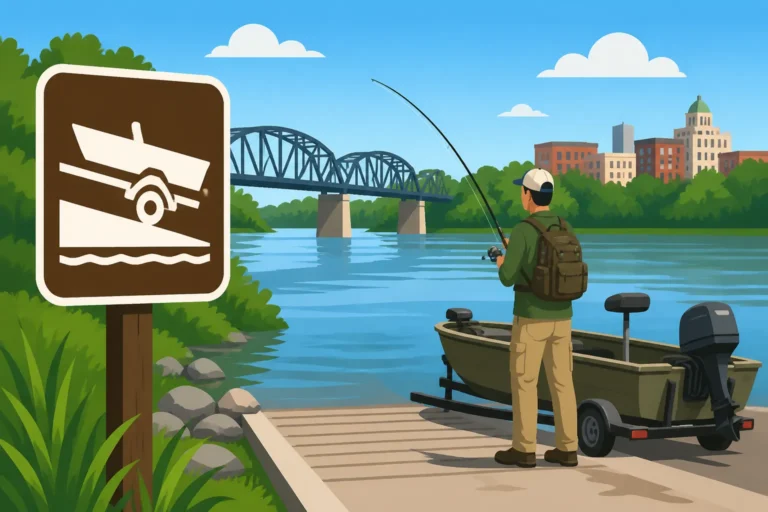
The Tenn-Tom Waterway offers numerous public access points and boat ramps, making it relatively easy for anglers to launch their vessels. Key access areas include:
- Bay Springs Lake: Numerous ramps are available, including those within Bay Springs Lake Recreation Area and other public access sites.
- Columbus Lake: Several boat ramps are located around Columbus, including those near the Columbus Lock and Dam and various county parks.
- Aliceville and Gainesville Lakes: Access points are available on both the Mississippi and Alabama sides of these border lakes, often found near small towns and recreation areas.
Always check local signage for launch fees, parking regulations, and specific hours of operation. If you're traveling from out of state, be sure to secure your Mississippi Fishing License Guide beforehand, as licenses are mandatory for most anglers.
Essential Regulations and Creel Limits
Fishing the Tenn-Tom means adhering to Mississippi state fishing regulations, which are designed to protect fish populations and ensure sustainable fishing for everyone. It's crucial to stay updated, as regulations can change. Key things to remember:
- Fishing License: As mentioned, a valid Mississippi fishing license is almost always required.
- Creel and Size Limits: Each species has specific daily creel (bag) limits and often minimum or maximum size limits. For example, Mississippi Statewide Creel Limits for bass are typically 10 per person, but some lakes may have special regulations. Crappie limits are usually 30 per person, but again, always double-check.
- Bait Regulations: There are rules about what types of bait can be used, especially regarding live baitfish. Know your local regulations, particularly if you're planning to use species like What a Gizzard Shad Is Used For as bait.
- Border Waters: If you're fishing near the Mississippi-Alabama border (like on Aliceville or Gainesville lakes), be aware of potential reciprocal agreements or the need for licenses from both states.
Staying informed protects you from penalties and helps conserve the fishery. A quick review of the MDWFP website before your trip is always a good idea.
Top Tips for Success on the Tenn-Tom
To maximize your chances of success on the Tenn-Tom, keep these tips in mind:
- Study Maps: Navigational charts (like those from NOAA or C-MAP) or detailed fishing apps are invaluable for identifying creek channels, ledges, humps, and submerged structure.
- Monitor Water Levels and Current: While the locks maintain stable levels, heavy rains or dam operations can influence current and water clarity. Fish often react to these changes.
- Match the Hatch: Pay attention to what the fish are feeding on. If you see shad jumping, try baits that imitate shad. If crappie are spitting up small minnows, use minnow-imitating jigs.
- Hire a Local Guide: For a truly productive and educational experience, especially on your first trip, consider hiring a local fishing guide. They know the seasonal patterns, the best spots, and the most effective techniques. Websites like FishingBooker can connect you with experienced guides who specialize in the Tenn-Tom Waterway. Even if you're just looking for general advice, their local knowledge is invaluable.
- Be Patient and Adaptable: Fishing can be challenging, even in productive waters. If one spot isn't working, move on. If one technique isn't producing, try something else. The diverse nature of the Tenn-Tom means there's always another spot or strategy to explore.
- Safety First: Always wear a life jacket, especially if you're on unfamiliar waters. Let someone know your float plan, and carry all necessary safety gear.
The Tennessee-Tombigbee Waterway is an exceptional fishery that promises rewarding experiences for anglers of all skill levels. By understanding its unique characteristics, targeting the right spots, and employing effective techniques, you're well on your way to a memorable Mississippi fishing adventure.
Disclaimer
The information provided in this guide is for general informational purposes only. Fishing regulations, conditions, and fish populations can change. Always consult the latest regulations from the Mississippi Department of Wildlife, Fisheries, and Parks (MDWFP) and local authorities before heading out. Fishing involves inherent risks, and it is the responsibility of each individual to ensure their safety and comply with all applicable laws.