Arkabutla Lake Fishing Guide
Getting out on the water in Mississippi is a special kind of therapy, but trying to figure out the best spots and tactics for a lake like Arkabutla can feel like a riddle wrapped in an enigma. You hear whispers of incredible crappie, but then you wonder about the best lures, the right seasons, or even where to launch your boat without a hitch. This comprehensive guide is designed to cut through the confusion, offering you an insider's look at Arkabutla Lake so you can spend less time guessing and more time reeling in those memorable catches.
Unveiling Arkabutla Lake's Angling Potential
Arkabutla Lake isn't just another body of water; it's a dynamic ecosystem nestled in the heart of North Mississippi, renowned among anglers for its generous offerings. Understanding its unique characteristics is the first step toward a successful fishing trip.
A Jewel of North Mississippi
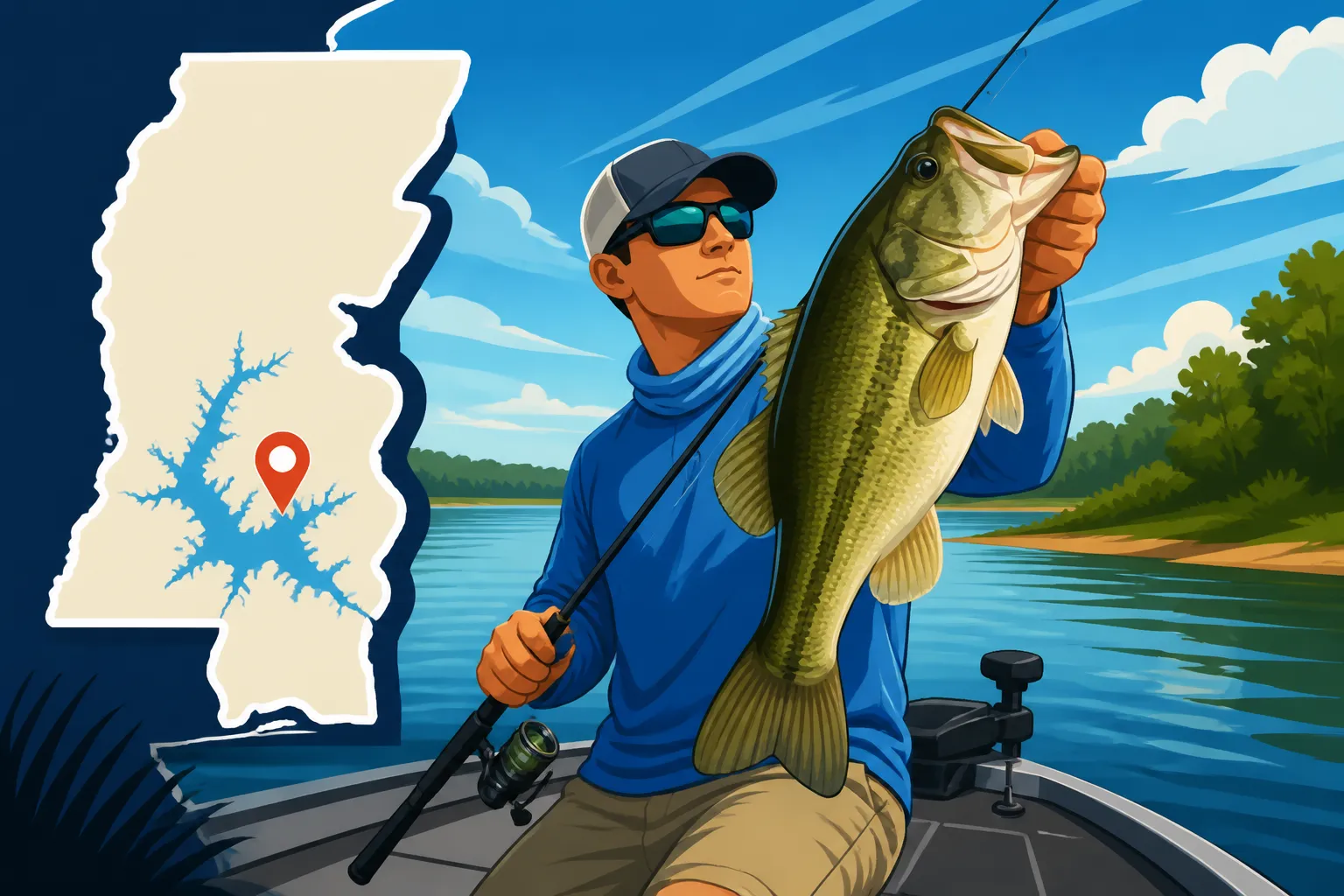
Arkabutla Lake is one of the four large flood control reservoirs managed by the U.S. Army Corps of Engineers in northern Mississippi, alongside Sardis, Enid, and Grenada Lakes. Spanning approximately 30,000 acres at its normal pool elevation, it's a significant expanse of water that plays a crucial role in flood management for the Coldwater River basin, which feeds into the mighty Mississippi River. This lake, situated primarily in Tate and Desoto counties, was impounded in 1942, and while its primary purpose is flood control, it quickly developed into a recreational haven, especially for fishing enthusiasts.
The lake's geography is fascinating, characterized by a mix of open water, extensive creek channels, and numerous flooded timber areas that create a rich and complex underwater landscape. The Coldwater River arm is particularly prominent, snaking its way through the landscape and offering diverse habitats. Over the decades, erosion and sediment accumulation have continually reshaped its bottom contours, leading to an ever-evolving fishery that keeps anglers on their toes. These natural processes, combined with active management by the Mississippi Department of Wildlife, Fisheries, and Parks (MDWFP), contribute to the lake's reputation as a premier fishing destination.
Why Arkabutla Stands Out for Fishermen
Ask any local angler about Arkabutla Lake, and you'll likely hear tales of its legendary crappie. This lake has a long-standing reputation for producing "slab" crappie, often boasting impressive size and numbers that can make for an unforgettable day on the water. It's not uncommon for anglers to pull in crappie well over a pound, and often much larger, making it a bucket-list destination for many panfish aficionados. This consistent quality has firmly cemented Arkabutla's place among the top crappie lakes in the entire region.
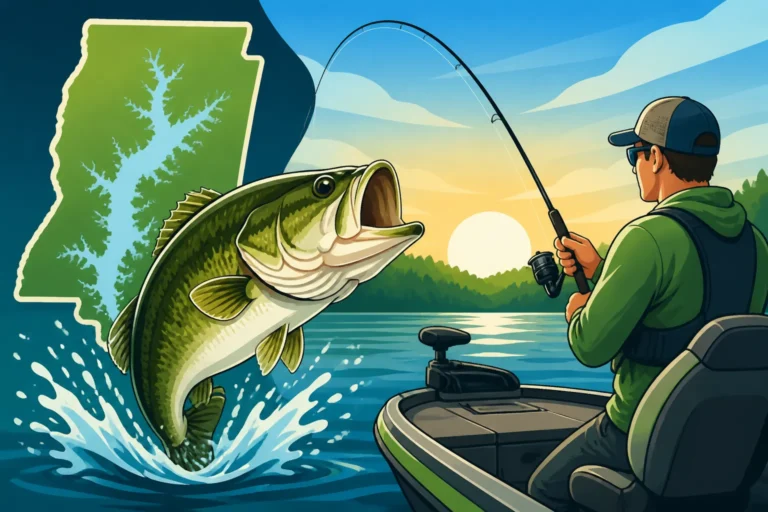
But Arkabutla's allure isn't limited to just crappie. The lake also supports a thriving population of largemouth bass, with plenty of cover and forage to help them grow to respectable sizes. Bass anglers find ample opportunities to test their skills against these hard-fighting fish, especially around the abundant submerged timber and creek bends. Beyond these two stars, catfish—including channel, blue, and flathead—are also plentiful, offering another exciting target for those who prefer to fish the bottom or set out lines for bigger catches. The lake's diverse habitat, from shallow bays to deep river channels, ensures that there's something for every type of angler, regardless of their preferred species or technique.
Navigating Arkabutla's Prime Fishing Spots
Finding the fish on a large body of water like Arkabutla Lake can sometimes feel like searching for a needle in a haystack. However, with a bit of local knowledge and an understanding of fish behavior, you can zero in on the most productive areas. The key is to think about where fish find food, cover, and comfortable water conditions throughout the year.
Key Areas for Crappie
Crappie, being the stars of Arkabutla, are often found relating to specific types of structure and depth, especially during their seasonal movements. In the spring, as water temperatures rise, crappie move into shallower areas to spawn. Look for them congregating around flooded timber, brush piles, and shallow creek channels in coves like those found off the main Coldwater River arm. These areas provide protection for spawning and ample ambush points for feeding.
During the hotter summer months and colder winter periods, crappie tend to retreat to deeper waters, often suspending over creek channels or schooling around deep brush piles and ledges. The main river channel of the Coldwater River, particularly where it makes sharp bends or intersects with submerged structure, becomes a prime target. Anglers often use their fish finders to locate these submerged features and schools of fish, dropping jigs or minnows directly into the strike zone. Areas near the dam's main lake points and deeper pockets throughout the lake can also hold significant numbers of crappie when they move to their deeper haunts.
Top Locations for Bass Fishing
For largemouth bass, Arkabutla offers a wealth of habitat that caters to their ambush predator nature. In spring, much like crappie, bass move shallow to spawn. Concentrate your efforts in the backs of major coves and feeder creeks, especially those with plenty of submerged vegetation, laydowns, or stumps. Areas around Hernando Point and the coves upstream on the Coldwater River arm are historically productive during this period, offering abundant cover.
As the seasons progress into summer and fall, bass will often move to deeper structures, following baitfish schools. Targeting main lake points, ledges, and areas with extensive standing timber or riprap along the dam or bridge crossings can yield excellent results. Spinnerbaits, crankbaits, and soft plastics fished along these structural elements can entice strikes. The edges of the main river channel and any significant contour changes on the lake bottom are also prime spots where bass will hold and ambush passing prey. When the water gets cooler, bass might stack up on subtle depth changes, making a good fish finder indispensable.
Catfish Hotspots and Deepwater Channels
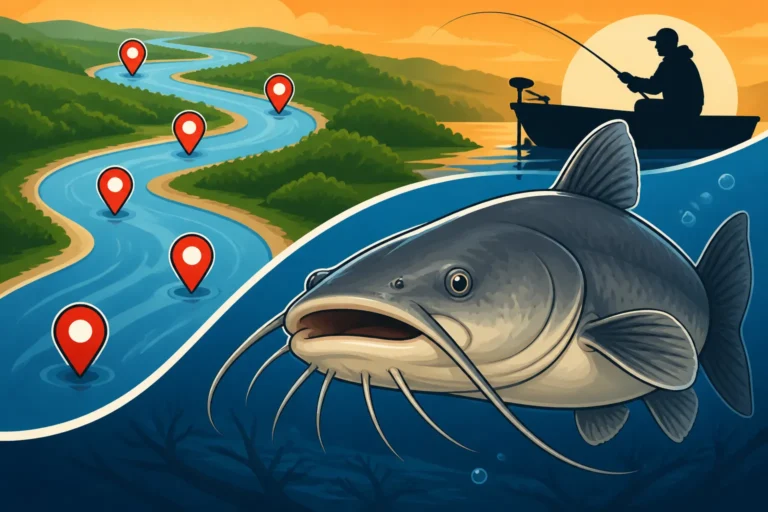
Catfish in Arkabutla Lake are abundant and can offer some fantastic action, especially for anglers who enjoy a more relaxed fishing style. All three major species—channel, blue, and flathead—are present. The deeper, slower-moving sections of the Coldwater River channel that wind through the lake are prime territory for all catfish species. Look for deep holes, pronounced river bends, and areas where debris has collected on the bottom, as these provide ideal habitat for larger cats.
Many successful catfish anglers target these areas with bottom rigs using a variety of baits. For channel and blue catfish, cut bait (like shad or skipjack herring), chicken livers, and various prepared "stink baits" are highly effective. Flatheads, being more predatory, often prefer live bait such as bluegill or small carp. Fishing at night can be particularly productive for all catfish species, as they become more active in low light conditions. Techniques like jug fishing and trotlining are also popular and highly effective methods for covering more water and targeting multiple fish in these extensive river channels and deep sections of the lake.
Essential Techniques for Success on Arkabutla
Having a general idea of where to fish is crucial, but knowing how to fish those spots effectively is what truly puts fish in the boat. Arkabutla's diverse fishery demands a versatile approach, adapting your tactics to the species, season, and prevailing conditions.
Mastering Crappie Fishing Tactics
Crappie fishing on Arkabutla is a finely tuned art, with several techniques proving consistently successful. One of the most popular and effective methods, especially in the spring and fall, is "spider rigging" or "long lining." This involves using multiple long rods (often 10-16 feet) extended from the front of the boat, each rigged with a jig or a minnow under a bobber, to cover a wide swath of water at various depths. Slowly trolling these rigs allows you to present bait to numerous fish in a school without spooking them. This technique is particularly potent when crappie are scattered along creek channels or vast flat areas.
Another highly effective strategy, especially when crappie are suspended over deeper structures or holding tight to brush piles, is vertical jigging. Using a sensitive rod and a small jig (1/16 to 1/8 ounce) tipped with a soft plastic body or a live minnow, you can precisely present your bait directly to fish located on your sonar. For detailed guidance, check out our guide on how to use a fish finder to locate crappie brush piles. Finding these brush piles and knowing their depth can be a game-changer. Many anglers also enjoy casting small jigs or Road Runner-style baits to visible cover or along submerged timber lines, especially during the spawning season when crappie are shallow and aggressive.
Best Approaches for Largemouth Bass
Catching largemouth bass on Arkabutla requires versatility and an understanding of their seasonal movements. In the spring, when bass are in the pre-spawn and spawning phases, target them with shallow-running crankbaits, spinnerbaits, and jigs around visible cover like stumps, laydowns, and boat docks in the backs of coves. Flipping and pitching soft plastics, such as creature baits or Texas-rigged worms, into dense cover can be incredibly productive for enticing reaction strikes from territorial bass.
As the weather heats up, bass often move deeper, retreating to cooler, more oxygenated waters. This is when deep-diving crankbaits, Carolina rigs, and football head jigs fished along main lake ledges, points, and humps become more effective. Topwater baits can also produce explosive strikes during early mornings and late evenings, especially around grass lines or shallow cover before the sun gets too high. For more comprehensive tips on tactics, don't forget to read our Bass Fishing Techniques for Mississippi Anglers. Knowing when to switch from power fishing to finesse techniques, and vice-versa, depending on the conditions, is key to consistent bass success on Arkabutla.
Effective Catfishing Strategies
Catfishing on Arkabutla Lake can range from relaxed bank fishing to serious boat-based pursuits, and the techniques vary accordingly. For casual anglers, simple bottom-fishing rigs are incredibly effective. A slip-sinker rig with a hook (circle hooks are great for catfish) baited with cut shad, chicken livers, or a strong-smelling prepared bait works wonders when cast into deep holes or along creek channels from the bank or a boat. Setting up multiple rods allows you to cover more water and increase your chances.
For those targeting larger blue and flathead catfish, live bait is often the preferred choice. Whole or cut shad, sunfish, or even small carp fished on stout tackle in the deepest sections of the Coldwater River channel can attract true trophy-sized fish. Many serious catfishermen swear by night fishing, as catfish are primarily nocturnal feeders, using their keen sense of smell to locate food in the darkness. Techniques like jug fishing and trotlining, where multiple baited hooks are set out on a main line, are highly effective methods for harvesting a significant number of catfish. Before deploying these, make sure to review the Mississippi trotline and jug fishing rules to ensure you're compliant with state regulations.
Seasonal Insights for Arkabutla Anglers
Just like anywhere else, fishing on Arkabutla Lake is heavily influenced by the changing seasons. The behavior of fish—where they are, what they're eating, and how aggressively they're biting—can shift dramatically from one month to the next. Understanding these seasonal patterns is paramount to planning a successful trip.
Springtime Spawn and Active Bites
Spring on Arkabutla Lake is arguably the most exciting time for many anglers, as the warmer weather coaxes both crappie and bass into their spawning rituals. As water temperatures climb into the 50s and 60s Fahrenheit, crappie begin moving from deeper wintering grounds into shallow coves and creek arm tributaries. Look for them around any submerged brush, standing timber, or even visible shoreline cover in just a few feet of water. This is when they become highly aggressive, making them susceptible to small jigs and live minnows. To really dial in on the crappie spawn, consult our guide on crappie spawn in Mississippi, which can help you pinpoint the best windows.
Largemouth bass also become incredibly active in the spring, moving from their deeper winter haunts to pre-spawn staging areas, and then eventually onto their beds. They'll often feed aggressively as they prepare for and recover from spawning. Shallow-running crankbaits, spinnerbaits, and soft plastics fished around points and gradual slopes leading into spawning coves can be incredibly productive. Once on beds, bass can be targeted with creature baits or jigs pitched directly to their nests, often resulting in fierce strikes from protective parents.
Summer's Deepwater Action
When the scorching Mississippi summer arrives, Arkabutla's fish often seek refuge in deeper, cooler, and more oxygenated waters. For crappie, this typically means suspending over the main river channel or congregating around deep brush piles and ledges, often at depths of 15-25 feet or more. Slow trolling with jigs or live minnows, or vertical jigging directly over marked schools, becomes the go-to strategy. Early mornings and late evenings offer the best surface activity, but night fishing under lights can be incredibly productive as baitfish gather, attracting crappie and catfish alike.
Bass during the summer tend to hug the deep edges of creek channels, main lake points, and humps, often relating to submerged timber or rock piles. Deep-diving crankbaits, heavy Carolina rigs, and football jigs are effective for probing these depths. Don't overlook topwater action at dawn or dusk, especially around grass beds or shallow cover where bass might momentarily move up to feed before retreating to the cooler depths. Catfish remain active throughout the summer, often favoring deep holes and channels, and are a reliable target day or night with a variety of strong-smelling baits.
Fall Transition and Feeding Frenzies
As the oppressive summer heat breaks and water temperatures begin to drop in the fall, Arkabutla Lake comes alive with renewed vigor. This is a transitional period where fish become incredibly active as they feed heavily in preparation for winter. Baitfish, particularly shad, begin to school up, and predatory fish like bass and crappie follow suit, gorging themselves. This "fall turnover" can make for some fantastic fishing, as fish become more predictable.
Crappie often scatter initially, then reform into large schools, chasing baitfish in open water or along creek channel edges. Trolling jigs or minnows becomes a highly effective way to locate these roving schools. Bass will also go on a feeding frenzy, aggressively chasing spinnerbaits, crankbaits, and jerkbaits along points, main lake flats, and shallow cover as they follow shad migrations. Catfish continue to feed actively, and cooler water often means bigger fish moving into shallower, more accessible areas to feed. This is a prime time for both quantity and quality catches across all species before the deep chill sets in.
Winter's Hidden Gems
Winter fishing on Arkabutla Lake might seem less appealing to some, but for dedicated anglers, it offers the opportunity for trophy-sized catches, especially crappie. While the overall bite might slow down, fish often congregate in predictable patterns, making them easier to target if you know where to look. Crappie will typically suspend in deep main lake channels, often in large schools near the bottom or relating tightly to deep brush piles. Vertical jigging with tiny jigs or minnows becomes the most precise and effective technique, requiring patience and a good fish finder.
Bass in winter will also stack up in deep water, often on vertical cover like standing timber or deep ledges. Finesse techniques, such as slow-rolled spinnerbaits, Alabama rigs, or even suspending jerkbaits, can elicit strikes from sluggish but large bass. Catfish remain a viable target throughout the winter, especially the larger blue catfish, which often patrol the deepest parts of the river channel. They might bite less frequently, but the fish you do catch can be truly impressive in size. Don't let the cold deter you; winter offers a unique challenge and the potential for some of Arkabutla's biggest fish.
Understanding Arkabutla Lake Regulations and Licensing
Before you even think about casting a line, it's absolutely crucial to understand the rules and regulations governing fishing on Arkabutla Lake. Failing to do so can lead to hefty fines and a ruined day on the water. These rules are put in place by the Mississippi Department of Wildlife, Fisheries, and Parks (MDWFP) to ensure the health and sustainability of the state's valuable fisheries.
General Fishing Rules and Creel Limits
While many regulations are statewide, specific lakes, particularly the Corps of Engineers reservoirs like Arkabutla, often have special rules that supersede the general guidelines. For instance, Arkabutla Lake is famous for its crappie, and the MDWFP closely manages this fishery. Currently, for crappie on Arkabutla Lake (including its tailwaters up to State Line Rd.), anglers must adhere to an 11-inch minimum length limit, and the daily creel limit is 15 fish per person. This is a critical detail that often differs from statewide limits or those on other lakes, so always double-check before heading out.
For black bass (largemouth, spotted, and smallmouth combined), the daily limit on Arkabutla is typically 10 fish per person, with no minimum length limit unless specified otherwise. However, it's always smart to consult the latest MDWFP regulations digest, which can be found online or at bait shops, as rules can occasionally change. Catfish regulations are generally more lenient, often with a daily limit of 100 fish for channel and blue catfish, with no size restrictions, and an aggregate limit of 10 flathead catfish. Beyond specific species limits, always be aware of legal fishing methods, such as the number of rods you can use, and restrictions on certain gear types like trotlines or jug lines. For a deeper dive into statewide regulations, our Mississippi Fishing Regulations Explained article covers the broader context.
To help you keep track of the main species you'll encounter on Arkabutla, here's a quick reference table for their general regulations:
| Species | Minimum Length (Arkabutla Lake) | Daily Creel Limit (Arkabutla Lake) | Notes |
|---|---|---|---|
| Crappie | 11 inches | 15 fish | Includes both White and Black Crappie. Tailwaters up to State Line Rd. included. |
| Black Bass | None (Statewide) | 10 fish | Largemouth, Spotted, Smallmouth combined. |
| Channel/Blue Catfish | None | 100 fish | Aggregate limit. |
| Flathead Catfish | None | 10 fish | |
| Bream/Sunfish | None | 100 fish | Aggregate limit for all bream species. |
Always confirm current regulations with the MDWFP official guide before fishing, as rules are subject to change.
Licensing Requirements for Mississippi Waters
No matter how experienced you are, if you're 16 years of age or older and plan to fish in public waters, you absolutely need a valid Mississippi fishing license. This applies whether you're a resident or a non-resident of the state. These licenses are crucial for funding conservation efforts, fish stocking programs, and the enforcement of regulations that protect the very resources we love to enjoy. Trying to skirt this requirement isn't just illegal; it's detrimental to the future of fishing in Mississippi, and getting caught without one can result in fines and even confiscation of your gear.
There are various types of licenses available, from annual resident and non-resident options to shorter-term permits like 3-day non-resident licenses, perfect for tourists or those just visiting for a quick trip. You can purchase your license easily online through the MDWFP website, at numerous bait and tackle shops, Walmart, or at regional MDWFP offices. Make sure to have a valid form of identification when purchasing and always keep your license on your person while fishing. Our comprehensive Mississippi Fishing License Guide offers a detailed breakdown of all the options and how to obtain them, making the process straightforward and hassle-free.
Planning Your Arkabutla Fishing Adventure
A successful fishing trip to Arkabutla Lake isn't just about knowing where the fish are; it's also about having your logistics dialed in. From knowing where to launch your boat to considering the value of local expertise, a little preparation goes a long way in ensuring a smooth and enjoyable experience.
Access Points and Facilities
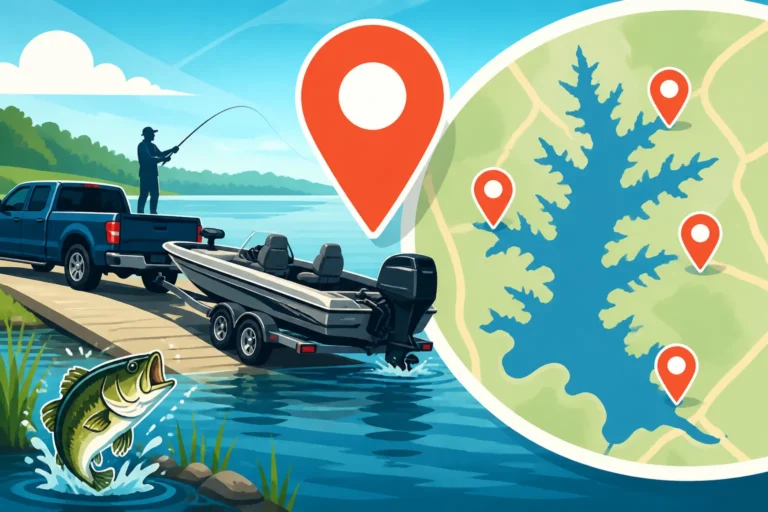
Arkabutla Lake offers several well-maintained access points and facilities, thanks to the U.S. Army Corps of Engineers, making it relatively easy for anglers to get out on the water. The primary boat ramps are strategically located around the lake, catering to different sections. For instance, the Hernando Point Campground and Marina area provides excellent access on the western side of the lake, offering multiple ramps, camping, and sometimes even bait and tackle. The Coldwater River ramp on the eastern side is another popular choice, particularly for those looking to fish the upper reaches of the Coldwater River arm.
Other notable access points include the South Abutment ramp, which is convenient for accessing the main lake body and areas closer to the dam, and Kelley's Crossing, which provides further access to other areas. These ramps are generally well-suited for various boat sizes, from bass boats to pontoon boats, but always check conditions, especially after heavy rains or during periods of low water. Many of these areas also feature amenities like restrooms, picnic tables, and designated parking, ensuring your comfort. If you're interested in fishing specific areas like the outflow, our guide to Arkabutla Lake tailwater fishing access can help you navigate that unique environment.
Hiring a Local Guide
While this guide provides a wealth of information, there's absolutely no substitute for the nuanced, real-time knowledge of a professional local fishing guide. Arkabutla Lake is a large and complex body of water, with ever-changing conditions, fish patterns, and hotspots that only someone on the water almost daily truly understands. A good guide can drastically cut down on your learning curve, putting you on fish faster and teaching you invaluable techniques tailored to the current conditions. This is especially true if you're targeting specific species like trophy crappie or are new to the lake.
Hiring a guide isn't just about catching fish; it's an educational experience. They can teach you about seasonal movements, specific bait presentations, and how to "read" the water and your electronics more effectively. Many guides operate year-round, specializing in different species based on the season. If you're looking to book a trip, platforms like FishingBooker can connect you with experienced, licensed guides who know Arkabutla inside and out. They list numerous captains specializing in Arkabutla, offering various trip durations and target species, making it easy to find the perfect match for your group. For those curious about the broader availability and benefits, consider reading our article on freshwater fishing guides. It’s an investment that often pays off with both fish in the cooler and memories to last a lifetime.
Disclaimer
The information provided in this Arkabutla Lake Fishing Guide is for general informational purposes only and is subject to change. Fishing regulations, license requirements, and local conditions can vary and be updated by the Mississippi Department of Wildlife, Fisheries, and Parks (MDWFP) at any time. Always consult the most current MDWFP regulations digest and local advisories before planning your fishing trip to ensure compliance and safety. We are not responsible for any inaccuracies or outdated information.