How to Troll for Crappie in Open Water
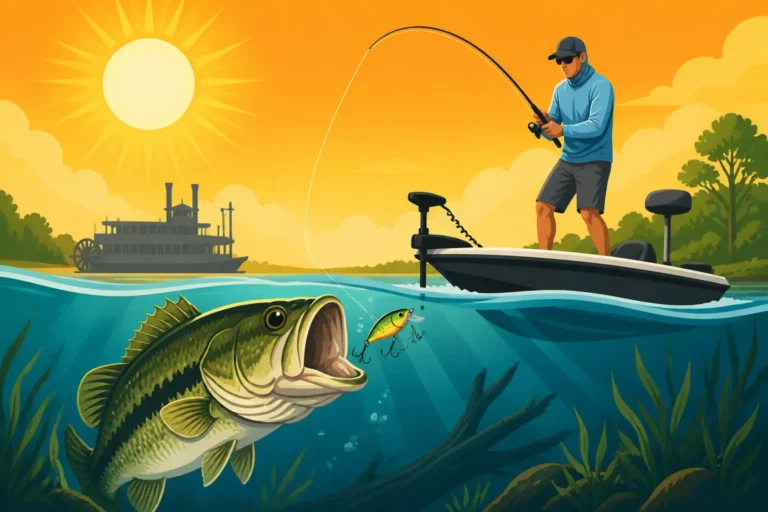
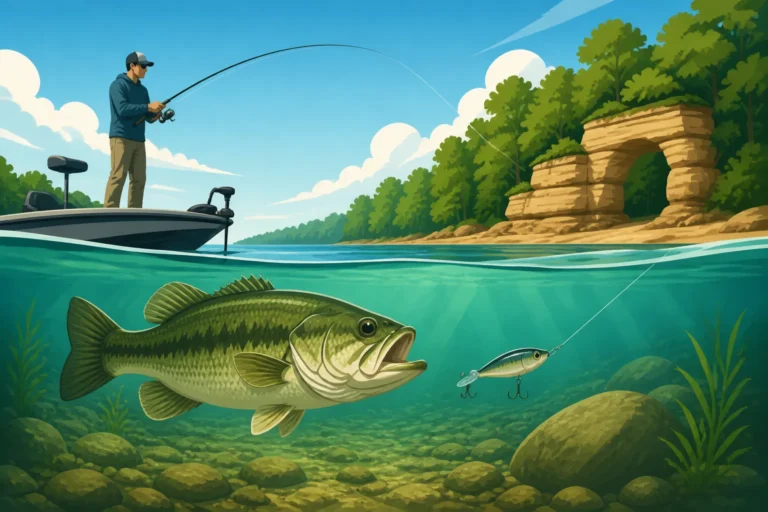
There's nothing quite as frustrating as heading out to your favorite Mississippi lake, knowing the crappie are there somewhere, but just not being able to pinpoint them. When they're not holding tight to obvious cover, finding those roaming slabs in the vastness of open water can feel like searching for a needle in a haystack. This guide is here to demystify open water crappie trolling, helping you consistently locate and catch those elusive fish, even when they’re scattered across expansive areas.
Why Open Water Trolling for Crappie is a Game-Changer
Many anglers, especially those new to the crappie scene, often focus solely on fishing brush piles, submerged timber, or docks. And don't get me wrong, those spots can be golden! But when crappie aren't relating to obvious structure, particularly during certain seasons or in larger, deeper reservoirs, they'll often suspend in open water, chasing baitfish. Trying to anchor down or cast to individual fish in this scenario is incredibly inefficient. Trolling, on the other hand, allows you to cover a tremendous amount of water, presenting your bait to far more fish and quickly identifying productive patterns. It's about systematically eliminating dead water until you hit the jackpot.
Understanding Crappie Behavior in Open Water
Crappie in open water aren't just aimlessly swimming around; they're almost always following a food source, typically schools of shad or other small baitfish. Think of them like underwater predators in a vast cafeteria. They'll often suspend at specific depths, which can vary based on water temperature, dissolved oxygen levels, and the depth of their prey. For instance, in the heat of summer, crappie might drop deeper to find cooler, more oxygenated water, or follow baitfish that have moved to those depths. Conversely, during cooler months, they might be shallower, still suspended but closer to the surface if that's where the bait is. Understanding these vertical movements is key. If you're struggling to find fish, think about what might be driving the bait, and you're likely to find the crappie nearby. Learning about the general patterns can be a huge help, and you can dive deeper into topics like How Deep Do Crappie Go in Summer to really hone in on those seasonal shifts.
The Advantages of Trolling Over Still Fishing
When crappie are scattered or suspended in open water, traditional "still fishing" methods – like anchoring and casting to a brush pile – simply won't cut it. You might get lucky and drop a bait right on a fish, but you're missing out on the vast majority of the school. Trolling turns your boat into a mobile fish-finding machine.
Firstly, it covers more water. You can systematically work large areas, crisscrossing over humps, creek channels, or flats, until your electronics light up with fish. This is crucial on massive reservoirs like Grenada Lake or Sardis Lake where crappie can roam widely.
Secondly, it allows for diverse presentations. You can run multiple rods, each with a different bait, color, or depth, allowing you to quickly determine what the crappie are keying in on. One rod might have a small jig, another a crankbait, and a third a minnow. This versatility drastically increases your chances of finding the magic combination.
Lastly, it's dynamic. You're constantly moving, which often triggers reaction strikes from otherwise finicky fish. The subtle wobbles and darting movements of a trolled lure are often irresistible to crappie. It's a more active, engaging way to fish, and often far more productive than waiting patiently for a bite that might never come.
Essential Gear for Open Water Crappie Trolling
Equipping yourself correctly is half the battle when it comes to successful crappie trolling. You don't need to break the bank, but having the right tools makes a world of difference in your efficiency and enjoyment on the water.
Rods, Reels, and Line Selection
For crappie trolling, you'll want light to medium-light action rods that are sensitive enough to detect subtle bites but have enough backbone to handle a good-sized slab. Many anglers opt for rods between 8 to 14 feet in length, especially if they're "spider rigging" (running multiple rods off the front or sides of the boat). Shorter rods (6-7 feet) can also work well, especially for single-person trolling or smaller boats. The longer rods help spread out your lines, preventing tangles and covering a wider path. You can often find decent multi-rod holders on Amazon that clamp directly onto your boat, making setup a breeze.
For reels, spinning reels in the 1000-2500 size range are perfect. They're lightweight, easy to use, and provide smooth drag for fighting fish. A good quality reel will make repeated casting and retrieving much more enjoyable.
Line choice is critical. Most crappie anglers prefer monofilament line in the 4-8 pound test range. It has enough stretch to act as a shock absorber, reducing pulled hooks, and it's less visible to fish. If you prefer braid for its sensitivity and lack of stretch, consider using a fluorocarbon leader (4-6 feet) to maintain stealth, as braid can be more visible in clear water. Some anglers who primarily troll with crankbaits might opt for slightly heavier line (8-10lb test mono) if they anticipate snagging or want to troll deeper-diving lures more effectively.
Lures, Baits, and Rigging Strategies
This is where the fun begins! Open water crappie trolling opens up a world of bait possibilities.
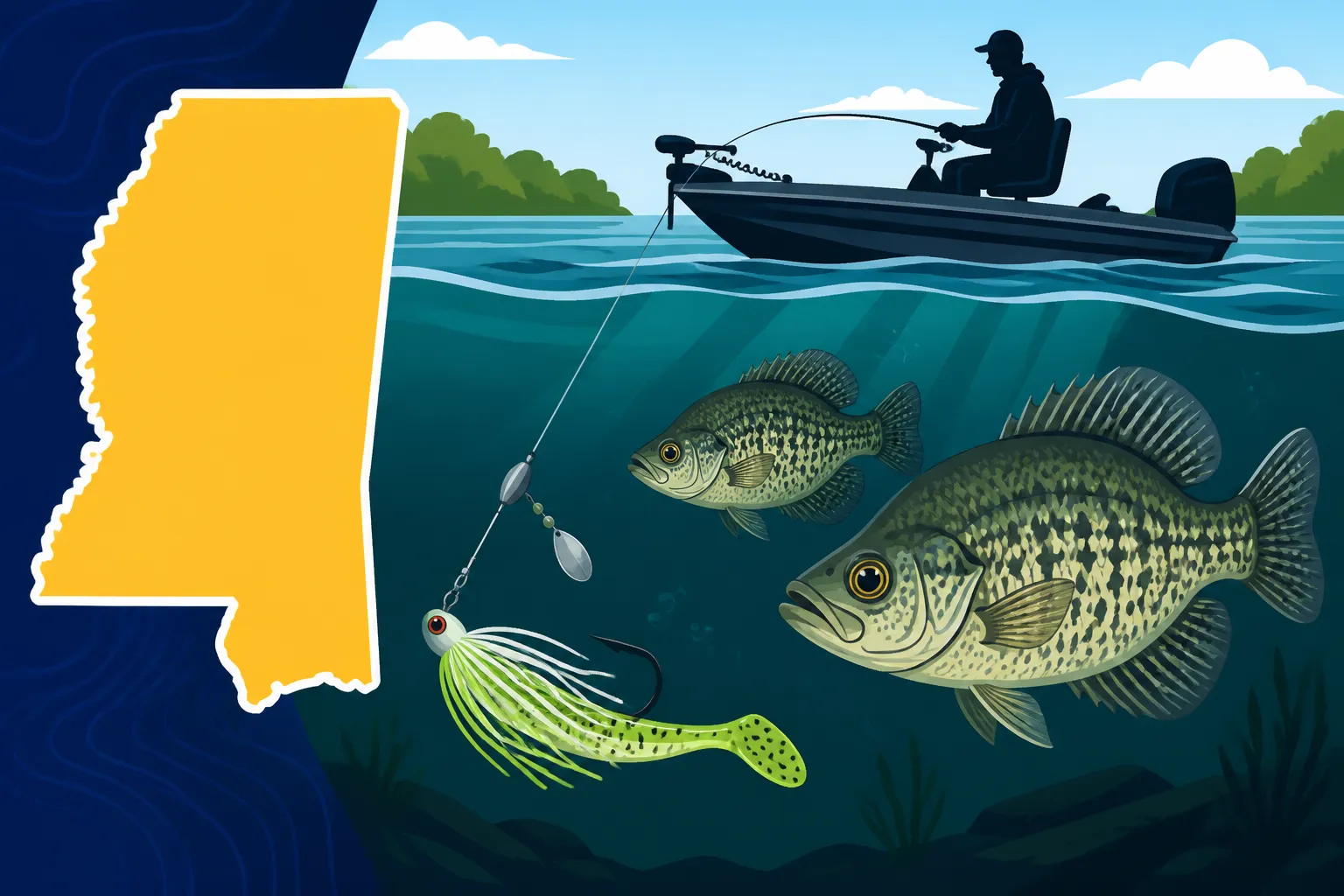
Jigs: Small soft plastic jigs, typically 1/16 oz to 1/8 oz, are perennial favorites. Curltail grubs, paddle tails, and tubes are all excellent choices. Colors can vary widely, but chartreuse, white, black/chartreuse, and electric chicken are often reliable in Mississippi waters. You can find a huge variety of these on Amazon or at local tackle shops. Sometimes, tipping a jig with a live minnow can be the ultimate combination, offering the flash and action of the plastic with the natural scent and appeal of live bait. This blends the best of both worlds, truly showcasing the debate of Live Bait vs Artificial Lures for Mississippi Crappie.
Crankbaits: Small, shallow- to medium-diving crankbaits are incredibly effective for covering water and often draw aggressive strikes from crappie. Brands like Bandit, Strike King, and Arkie make excellent crappie-specific crankbaits. The diving depth of the crankbait will determine how deep it runs at your trolling speed. Experiment with different colors and retrieve speeds until you find what triggers bites.
Live Minnows: You can't go wrong with live minnows. They are a classic for a reason! Rig them on a plain hook (e.g., #2 or #4 Aberdeen hook) under a bobber for shallower depths, or on a slip-sinker rig for deeper presentations. For open water trolling, many anglers use multiple minnows on a spreader rig or a "two-pole" rig, often associated with Spider Rigging Techniques, which allows them to present baits at varying depths simultaneously.
Rigging Strategies:
- Single Jig/Minnow: The simplest setup. Tie your line directly to a jig head or a hook with a minnow. Adjust depth with weight or by letting out more line.
- Two-Pole Rig (Double-Drop Rig): This rig consists of a main line with a weight at the bottom, and two dropper lines with jigs or minnows tied at different intervals above the weight. This lets you target multiple depths with one rod.
- Crankbait/Jig Combo: Sometimes, combining a deeper diving crankbait on one rod with a shallower-running jig on another can help you pinpoint the crappie's preferred depth zone.
Remember, the goal is to present your bait at the depth where the fish are holding, which often correlates with the Best Water Temperature for Crappie Fishing in their preferred zones.
Mastering the Art of Trolling in Mississippi's Open Waters
Trolling for crappie isn't just about dragging baits behind the boat. It's a nuanced approach that involves careful consideration of speed, depth, lure presentation, and understanding the underwater landscape.
Speed, Depth, and Patterning Techniques
Finding the right trolling speed is paramount. Too fast, and your baits might not have the right action or crappie won't have time to react. Too slow, and they might appear unnatural. Generally, a slow trolling speed of 0.8 to 1.5 miles per hour (mph) is a good starting point for crappie. However, this can vary wildly based on water temperature, crappie mood, and the type of lure you're using. If you're using crankbaits, check the manufacturer's recommended speed for optimal action. Pay close attention to your electronics; if you see fish but aren't getting bites, try adjusting your speed in small increments.
Depth control is equally important. Your fish finder is your best friend here. If you're seeing schools of crappie suspended at 15 feet over a 30-foot deep channel, you need your baits running at or just above that 15-foot mark.
Here's how to control depth:
- Line Out: More line out means deeper baits.
- Weight: Adding split shot or a trolling sinker to your line will pull your baits down.
- Lure Type: Deeper diving crankbaits run deeper.
- Speed: Slower speeds generally allow baits to run slightly deeper, while faster speeds can make them rise a bit.
The process of "patterning" is figuring out the specific combination of speed, depth, lure, and location that is most effective on a given day. Start by making long, sweeping turns. Often, fish on the inside or outside of a turn will hit because the lure's speed and depth momentarily change. Keep a mental (or written) log of what works: "Chartreuse jig, 1.2 mph, 17 feet deep, over a channel bend." Once you identify a pattern, try to replicate it in similar areas. Don't be afraid to experiment; sometimes the crappie want a subtle jig, other times a vibrating crankbait. This experimentation is crucial for success, especially on new bodies of water. For a full breakdown of different strategies, refer to our guide on Crappie Fishing Techniques for Mississippi Lakes.
Navigating Structure and Cover in Open Water
Just because you're in "open water" doesn't mean it's devoid of features. Open water often contains submerged creek channels, humps, ridges, old roadbeds, and even isolated brush piles that might not break the surface. These are magnets for baitfish and, consequently, crappie.
Your sonar (fish finder) is indispensable for locating these hidden structures and the baitfish and crappie holding to them. Spend time idling around, learning how to interpret your screen. Look for:
- Bait Balls: Dense clusters of small fish. Crappie won't be far behind.
- Arches: Individual fish or schools of fish. Pay attention to the depth at which they appear.
- Bottom Features: Humps, drops, and channel edges. Crappie often stage along these contours.
When you find a promising area, troll over it repeatedly. If you hit a school of fish, mark a waypoint on your GPS. Make another pass, adjusting your trolling path slightly. If you get another bite, mark it again. Soon, you'll start to see a "milk run" of productive spots. Think of it as painting a picture of the underwater world with your boat and electronics. Tools like Reading a Fish Finder for Crappie can really help you get the most out of your electronics.
One common tactic on reservoirs like Ross Barnett or Sardis is to troll along the edges of old creek channels that wind through the lake bed. Crappie often hold right on these breaks, especially when moving between shallower feeding grounds and deeper refuge.
Common Challenges and Troubleshooting Open Water Trolling
Even with the best gear and knowledge, open water crappie trolling can throw you some curveballs. Understanding how to adapt and troubleshoot is what separates the consistently successful anglers from those who get frustrated.
Dealing with Changing Conditions
Mississippi weather is notoriously fickle, and changing conditions can significantly impact crappie behavior.
- Wind: Wind can make boat control challenging, making it hard to maintain a consistent speed or path. If it's too windy for precise trolling, consider shifting to Jig Fishing for Crappie in more sheltered areas or adapting your trolling to use the wind to your advantage (drift trolling). A good trolling motor with GPS-controlled "spot lock" or "jog" features (like those from Minn Kota or Motorguide, often reviewed on Amazon) can be a lifesaver in windy conditions, helping you maintain your course.
- Temperature Swings: Sudden cold fronts can push crappie deeper or make them less active. In these situations, slow down your trolling speed and perhaps downsize your baits. Conversely, warming trends might bring them shallower and make them more aggressive.
- Water Clarity: Stained or muddy water often means crappie are less reliant on sight, so brighter colors (chartreuse, orange) and baits with more vibration or scent might be more effective. In clear water, natural colors (greens, browns, clear with glitter) and fluorocarbon leaders are usually preferred to avoid spooking fish.
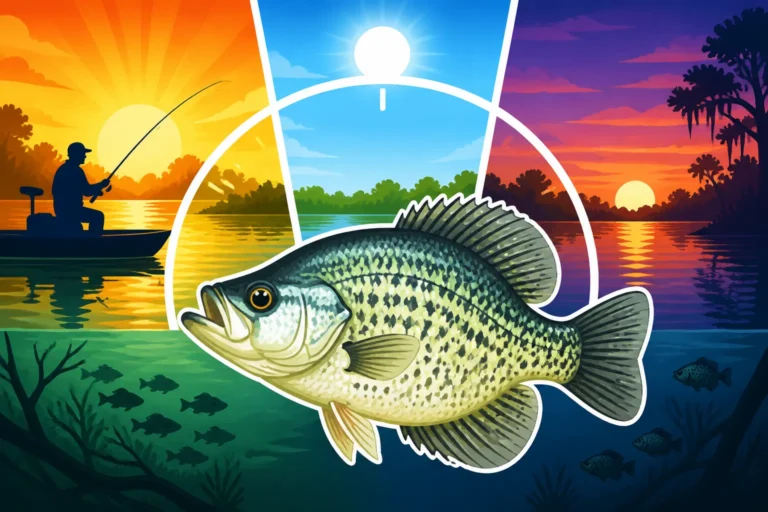
- Time of Day: Just like us, crappie have preferred feeding times. While open water trolling can be productive all day, you might find certain periods, especially early morning or late evening, to be more active. This ties into understanding the Best Time of Day to Catch Crappie.
Always be prepared to adjust. The crappie will tell you what they want if you pay attention to the subtle cues.
Avoiding Common Trolling Mistakes
We've all made them, and learning from them is how we grow as anglers.
- Too Fast/Too Slow: As mentioned, speed is critical. If you're seeing fish but not getting bites, your speed is usually the first thing to adjust. Incrementally change it until you find the sweet spot.
- Wrong Depth: The most common mistake. If your baits aren't at the same depth as the fish, you won't catch them. Use your electronics, adjust line out, and add weight until you're in the strike zone. Don't just assume your lures are running at their advertised depth; current and speed affect this.
- Lack of Diversity: If you're running five rods with the exact same jig, color, and depth, you're limiting your ability to "pattern" the fish. Vary your presentation until you find what works.
- Ignoring Electronics: Your fish finder isn't just for locating fish; it's for understanding the underwater topography, finding bait, and seeing how your lures are running in relation to the fish. Learn to trust it.
- Not Making Turns: Straight-line trolling is fine sometimes, but turns often trigger strikes. They cause your baits to speed up, slow down, and change depth, presenting an erratic action that crappie can't resist.
- Giving Up Too Soon: Open water trolling can require patience. Don't expect to instantly find fish. Keep moving, keep experimenting, and keep observing your electronics. Eventually, you'll hit a productive area. And remember, the payoff for this persistence can be incredible, especially when you apply these techniques across the Best Crappie Lakes in Mississippi.
Open water crappie trolling is a dynamic and incredibly effective way to target these popular fish, particularly on Mississippi's larger reservoirs. It takes a bit of practice and attention to detail, but once you get the hang of it, you'll unlock a whole new dimension of crappie fishing. So, next time you're on the water and the crappie are playing hide-and-seek, fire up that trolling motor, spread out those lines, and get ready to fill your livewell! You might even find some specialized trolling weights or planer boards on Amazon to help you fine-tune your presentations.
Disclaimer
Fishing conditions and regulations in Mississippi can change. Always consult the latest Mississippi Department of Wildlife, Fisheries, and Parks (MDWFP) regulations before heading out. This guide is for informational purposes only and does not constitute legal advice.