How to Fish Clear Water for Bass
Trying to catch bass in clear water in Mississippi can sometimes feel like you're trying to outsmart a ghost – they see you coming a mile away, and suddenly, every fish has lockjaw. It's a common frustration, especially when those gin-clear lakes or sections of our beloved reservoirs make traditional tactics fall flat. This guide is here to walk you through the precise strategies, lure choices, and stealth tactics you need to consistently trick those wary bass, turning your clear water challenges into triumphant catches.
Understanding Clear Water Conditions and Bass Behavior
Clear water is beautiful to look at, but it fundamentally changes the playing field for bass anglers. When you can see the bottom twenty feet down, so can the fish, and that heightened visibility impacts everything from their feeding habits to their preferred hiding spots. Understanding these dynamics is the first step to unlocking consistent success.
Why Clear Water Changes the Game for Bass
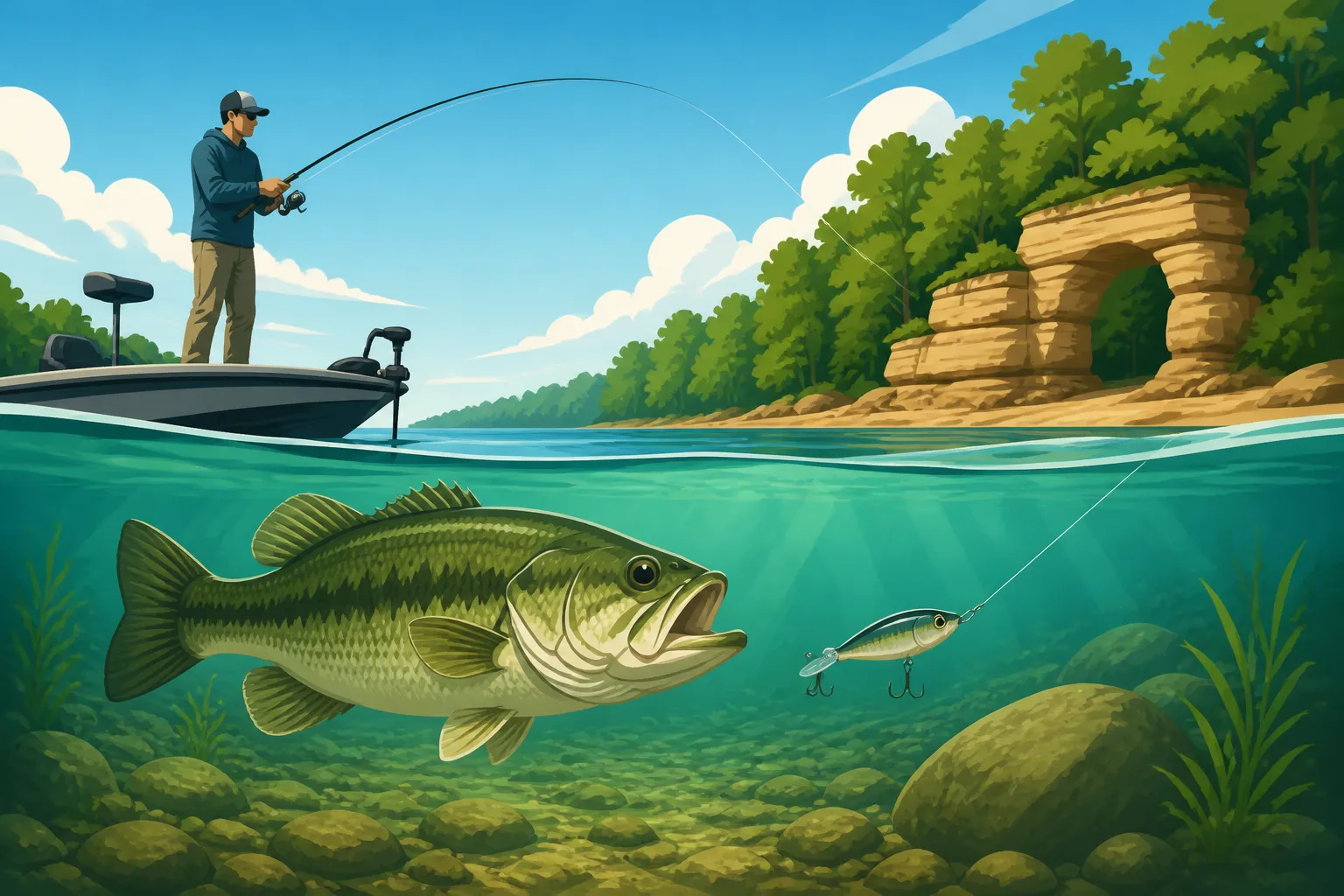
Imagine yourself in a completely open field with no cover – you'd feel exposed, right? That's precisely how bass often feel in clear water. The increased light penetration means they are more vulnerable to predators, including us anglers, and they become incredibly wary. Their primary senses shift; while they still rely on their lateral line to detect vibrations, their sight becomes paramount. They can spot subtle movements, unnatural colors, and even your boat's shadow from a significant distance. This "spook factor" means that loud noises, heavy splashes, or erratic movements near your presentation can send them darting for cover, often not to return for quite a while.
Because they're more visual, bass in clear water tend to be pickier about their meals. They're scrutinizing every detail: the color, the action, the size, and even the naturalness of your bait's presentation. They're looking for something that perfectly mimics their natural forage, like a shiner or a crawfish, rather than something that looks out of place. This pickiness means your old reliable chunky jig might get ignored while a subtle, translucent worm might get inhaled. It's a total paradigm shift from the aggressive, reaction strikes you might get in murkier water, demanding a more refined and thoughtful approach to every cast.
Common Clear Water Habitats in Mississippi
Mississippi boasts a diverse range of fisheries, and many of them have exceptionally clear sections or are entirely known for their clear waters. Lakes like Pickwick Lake, especially on the upper end, or the crystal-clear waters of Okhissa Lake, offer prime examples where clear water tactics are essential. Even parts of larger reservoirs like Ross Barnett Reservoir can have clearer spots, particularly near the main dam or after prolonged dry spells. These clear water bodies often feature a different kind of structure than their stained counterparts. You might find more rock formations, gravel bottoms, and sparse, but healthy, submerged grass beds that allow for light penetration.
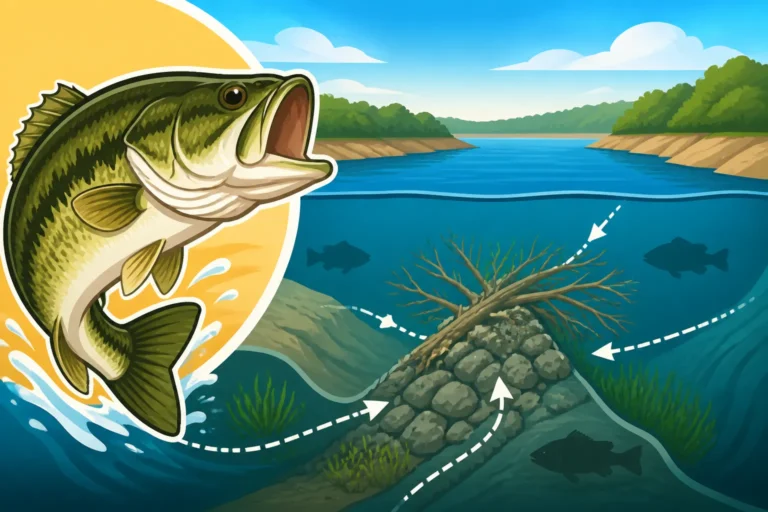
In these transparent environments, bass aren't always tucked deep into thick cover like they might be in muddy lakes. Instead, they often relate to subtle changes in depth, isolated brush piles, or transitional areas where cover offers just enough concealment without being impenetrable. Think about those deep, rocky points or isolated stumps that rise from a clean bottom. Docks and boat houses, especially those with plenty of shade, become magnets for bass looking to escape direct sunlight. Sparse hydrilla or coontail patches, though not dense, provide ambush points. Understanding these common clear water habitats in Mississippi helps you predict where the fish will be, allowing you to focus your efforts more efficiently and avoid wasting time casting into barren, exposed areas where wary bass are unlikely to hold.
Stealth and Presentation: Your Keys to Success
When you're fishing clear water for bass, it’s less about brute force and more about finesse and deception. The bass have an advantage – they can see you. Your job is to negate that advantage by being as inconspicuous as possible and making your bait look utterly irresistible.
Mastering the Art of Stealth
The first rule of clear water bass fishing is simple: don't spook the fish. This means a complete overhaul of how you approach your fishing spots. Instead of running your big motor right over a promising humps or banging tackle boxes around, you need to practice a silent approach. Use your trolling motor judiciously, keeping speeds slow and steady. Avoid sudden starts, stops, or prop wash over areas you intend to fish. If you have a shallow water anchor system, deploy it quietly rather than dropping an anchor with a loud splash. These seemingly small details make a huge difference; bass can feel vibrations through the water, and even the thud of a lure box against the boat deck can send them scattering.
Furthermore, long casts are your best friend. The farther your lure lands from your boat, the less likely the bass are to associate your presence with the offering. This often means upgrading your casting skills and being mindful of your boat's shadow, which can fall across prime fishing areas and instantly alert fish to your presence. When selecting your fishing line, lighter fluorocarbon is often the preferred choice. Its low visibility in water makes it incredibly difficult for bass to detect, giving your bait a much more natural appearance. While braided line offers excellent sensitivity and strength, its opaque nature can be a hindrance in ultra-clear water unless paired with a very long fluorocarbon leader. Remember, in clear water, every element of your setup and approach needs to whisper, not shout. If you're looking for reliable fluorocarbon, many anglers find great options on sites like Amazon.
Subtle Presentations and Natural Baits
Once you've mastered the art of stealth, the next challenge is to present your bait in a way that doesn't scream "artificial." This is where finesse techniques truly shine. Forget aggressive power fishing with heavy jigs and loud crankbaits. Instead, embrace lighter lines, smaller baits, and slower retrieves. Techniques like the drop shot, shaky head, Neko rig, or even a simple Texas-rigged worm with minimal weight allow your bait to fall slowly and naturally, mimicking a dying baitfish or a foraging crawfish. The goal is to make the bass believe your offering is a natural meal, not a piece of plastic with a hook.
The choice of bait and its color also become critical. Opt for smaller profiles and natural colors that match the local forage. If the bass are feeding on shad, choose a pearl or silver swimbait. If crawfish are abundant, a green pumpkin or brown jig is ideal. Translucent colors, like those found in many soft plastics, work exceptionally well because they blend into the water column and absorb ambient light, appearing less distinct and more natural to wary fish. A slow, methodical retrieve is often key, allowing the bait to linger in the strike zone and giving the bass ample time to inspect it without suspicion. Sometimes, just letting a weightless worm slowly undulate to the bottom is all it takes. This patient, nuanced approach directly counters the heightened caution of clear water bass.
Lure and Bait Selection for Clear Water Bass
Choosing the right lure in clear water can feel like picking a needle out of a haystack, but with a focused approach, you can narrow down your options to those that consistently produce. It’s all about matching the hatch and offering a subtle, enticing presentation.
Top Artificial Lures for Clear Conditions
When bass can see every detail, you need lures that either blend in perfectly or trigger a strike without screaming "fake." Jerkbaits are absolute assassins in clear water, especially when bass are suspended or chasing baitfish. Their erratic darting action and pauses perfectly imitate a struggling baitfish, and their slender profile is convincing. Opt for natural colors like chrome, clear patterns, or shad imitations. Small swimbaits, particularly those with natural swimming actions and translucent bodies, are also excellent for covering water and targeting bass that are actively feeding. You can find a fantastic array of these on Amazon, making it easy to experiment with different sizes and colors.
For bottom-oriented bass, finesse worms, creature baits, and small jigs in natural colors like green pumpkin, watermelon red, or brown are highly effective. Rigged on a shaky head, a Carolina rig with a long leader, or a simple Texas rig, these baits offer a subtle profile and seductive action. Clear poppers or walking baits can be deadly during low-light conditions or when bass are feeding on the surface, as their realistic splashes and movements draw attention without being overly aggressive. And don't forget blade baits or spoons for deeper water applications; their flash and vibration can tempt bass that are holding tight to structure, even when they're not actively chasing. The key is often to downsize your presentation; smaller jigs, thinner worms, and lighter-wire hooks can make all the difference.
When to Opt for Live Bait
Sometimes, even the most expertly presented artificial lure can’t convince a finicky clear water bass. This is when turning to live bait can be a true game-changer. There's simply nothing more natural than a live shiner, minnow, or wiggly nightcrawler. Live bait provides natural scent, movement, and texture that artificials, no matter how advanced, struggle to replicate. For bass, it's a guaranteed meal, and in high-pressure, clear water environments, that guarantee can overcome their wariness.
Using live bait effectively in clear water also requires a subtle approach. Fish shiners or minnows on a light line with a small, sharp hook, often weightless or with minimal split shot to allow for a slow, natural descent. This setup lets the baitfish swim freely and naturally, attracting attention without any artificial-looking interference. When fishing for larger bass, a lively shiner suspended under a small bobber near submerged cover or a deep drop-off can be incredibly effective. Even a simple nightcrawler, fished on a small hook with no weight, drifting along a clean bottom, can entice a bass that has ignored everything else. When the bite is tough, and the water is like glass, remember that sometimes the oldest trick in the book – a fresh, lively bait – is still the most powerful.
Strategic Fishing Approaches for Clear Water Bass
Successfully navigating clear water for bass isn't just about what you throw, but how and where you throw it. Bass in these conditions are masters of evasion, and you need to be a master of strategy, focusing on their preferred hideouts and capitalizing on opportune feeding windows.
Targeting Deep Water and Shade
In clear water, direct sunlight can be an angler's worst enemy. The intense light penetrates deep, making bass feel exposed and uncomfortable. As a result, bass will often seek refuge in deeper water or shaded areas, where they feel more secure and less visible. This means focusing your efforts on deeper ledges, humps, offshore brush piles, and points that drop off quickly into substantial depth. Bass might suspend over these deeper structures, or hug the bottom, waiting for an opportune moment to strike. Using electronics to locate these subsurface features and identify potential baitfish schools becomes invaluable in this scenario. You can explore deeper insights into finding these fish by checking out guides like Best Structure to Fish for Bass in a Reservoir.
Furthermore, any form of shade becomes a prime target. Docks, boat houses, overhanging trees, and even bridges cast shadows that bass eagerly utilize. These shaded pockets provide both cover from predators and relief from the sun's glare, creating perfect ambush points. When fishing these areas, make precise casts that land your lure deep within the shadow lines or right up against the pilings. Often, a bass will be positioned just inside the darkest part, ready to dart out for a meal. Remember that bass will move with the sun throughout the day, so what was a hot spot in the morning shade might be exposed by afternoon, requiring you to constantly adapt your strategy and pursue the shifting shadows.
The Importance of Time of Day and Weather
Just like in any fishing scenario, the time of day and prevailing weather conditions play a huge role in clear water bass fishing, but their impact is often amplified. Low-light conditions – think dawn, dusk, or heavily overcast days – are your golden hours. During these periods, the sun's intensity is reduced, making bass feel more comfortable venturing out from deep cover and actively feeding. This is when you might get away with slightly more aggressive presentations or even topwater lures, as the reduced visibility makes bass less scrutinizing. A pop-and-pause retrieve with a natural-colored popper can be absolutely deadly as the first rays of light hit the water. For more general advice on optimal timing, check out Best Time of Day to Catch Bass.
Weather changes can also dramatically affect clear water bass behavior. A passing cold front, for instance, can shut down the bite almost completely. The sudden drop in temperature and corresponding high pressure often make bass lethargic and less willing to chase. In these post-front conditions, your finesse game needs to be at its absolute peak – slower retrieves, smaller baits, and precise placement become even more crucial. Conversely, a prolonged period of stable, overcast weather can create exceptional clear water fishing, as bass remain active throughout the day. Paying close attention to barometric pressure changes and cloud cover, and adjusting your tactics accordingly, is a critical skill for any angler tackling clear water. You can often find additional insights on adapting to such conditions in articles like Fishing After a Cold Front.
| Clear Water Lure Category | Best Conditions | Presentation Style | Key Characteristics |
|---|---|---|---|
| Finesse Worms/Plastics | All conditions, especially tough bite | Slow, subtle, bottom-oriented | Natural colors, soft plastics, light line, drop shot/shaky head rigs |
| Jerkbaits | Actively chasing bait, suspended bass | Stop-and-go, erratic retrieve | Shad/minnow patterns, suspending models, realistic finishes |
| Small Swimbaits | Covering water, active feeders | Steady retrieve, slow roll | Natural swimming action, translucent bodies, subtle paddle tails |
| Topwater (Poppers/Walkers) | Low light, calm water, active bass | Pop/walk and pause, subtle splashes | Natural colors, small profile, distinct surface disturbance |
| Deep Diving Crankbaits | Deep structure, ledges | Steady retrieve, deflecting off cover | Natural baitfish patterns, subtle rattles, tight wobble |
Remember, consistency in clear water often comes down to patience and precision. Don't be afraid to slow down, downsize, and focus on those subtle details that can make all the difference.
Disclaimer
This article is for general informational purposes only and does not constitute professional advice. Laws, prices and regulations vary by location and change over time. Consult a qualified professional for guidance on your specific situation.