How to Choose a Fishing Rod for Kids
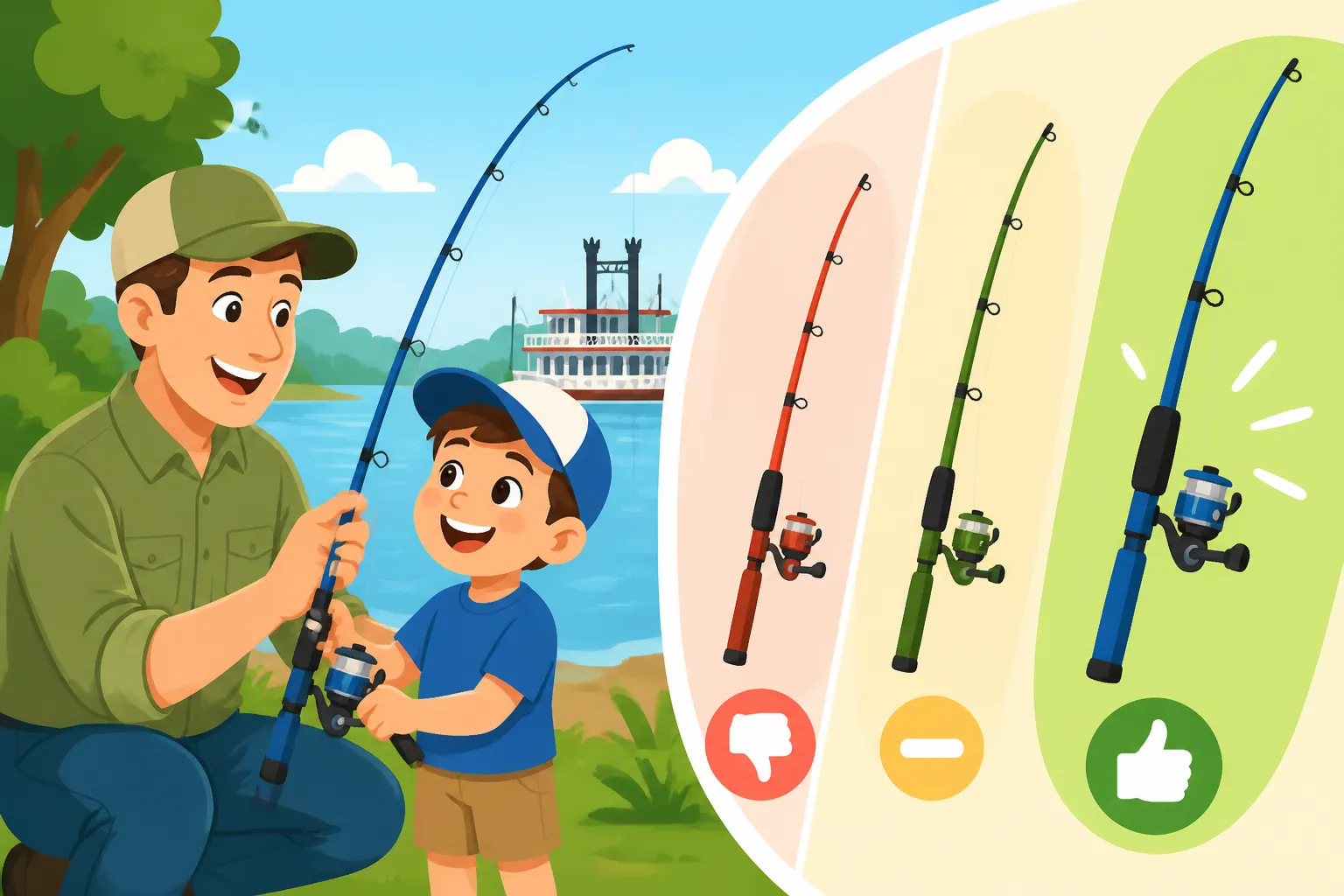
It's a wonderful thing, sparking that initial interest in fishing for your kids, isn't it? But then you walk into a sporting goods store, or start browsing online, and suddenly you're staring at a dizzying array of rods and reels, wondering where on earth to begin. You just want to get them something that works, something they'll love, and something that won't make them throw it down in frustration after five minutes. This guide is here to cut through the confusion and help you confidently choose the perfect fishing rod to get your young angler hooked on the sport right here in Mississippi.
Why the Right Kids' Fishing Rod Matters More Than You Think
Buying a child their first fishing rod isn't just about handing them a piece of equipment; it's about setting the stage for their entire experience with the outdoors. A poorly chosen rod can lead to endless tangles, missed bites, and ultimately, a disinterest in a hobby that could otherwise bring them so much joy. Conversely, the right rod can make all the difference, transforming a potentially frustrating outing into a memorable adventure.
Building Confidence and Reducing Frustration
Imagine a small child trying to cast a heavy, oversized rod. They're struggling to hold it, the line is getting tangled, and they can't even feel the subtle tug of a small bream. It's a recipe for disappointment, not delight. When a rod is appropriately sized and weighted for a child, they can handle it with ease, learn to cast properly, and feel those first exciting nibbles. This immediate success is crucial for building their confidence.
A rod that's too long can be difficult to manage, particularly when fishing from the bank or a pier where there's limited back-casting room. A rod that's too stiff won't allow them to feel the lighter bites common with panfish, which are often a child's first target. By choosing equipment that works with them, not against them, you empower them to enjoy the process and feel competent, fostering a positive association with fishing from the start.
Safety First: Avoiding Injuries and Breakages
While fishing is generally a safe activity, improper equipment can introduce unnecessary risks. A rod that's too heavy or unwieldy can lead to a child losing their grip, potentially hitting themselves or others with the lure or sinker. An ill-fitting reel can cause pinched fingers or lead to dropped equipment, which can damage the gear or even injure toes.
Furthermore, children, especially younger ones, aren't always gentle with their possessions. A flimsy rod might break easily with enthusiastic (or accidental) rough handling, leading to tears and a premature end to the fishing fun. Choosing a durable, robust rod designed for kids means it can withstand the inevitable bumps and drops, saving you money on replacements and preventing unnecessary accidents.
Fostering a Lifelong Love for the Sport
The goal, for many of us, is to pass on the joy of fishing. We want our children to appreciate the tranquility of a quiet morning on the water, the thrill of a fish on the line, and the simple pleasure of being outdoors. The right fishing rod is a silent partner in this endeavor. It facilitates those early, positive experiences that cement fishing as a fun and rewarding pastime.
Think about those early successes – catching that first bluegill on a cane pole at a pond near Jackson, or reeling in a feisty crappie on Sardis Lake with a rod that felt just right in their hands. These moments are foundational. They build enthusiasm and curiosity, encouraging kids to ask questions, learn new techniques, and look forward to the next fishing trip. Without the right gear to enable these initial positive interactions, that spark might never truly ignite.
Key Factors to Consider When Choosing a Rod for Young Anglers
Picking out a fishing rod for a child isn't just about grabbing the first brightly colored one you see. There are several important characteristics to consider that will directly impact their success and enjoyment. By paying attention to these details, you can select a rod that truly fits their needs.
Rod Length: Matching it to Their Height and Age
Rod length is perhaps the most critical factor for a young angler. A rod that's too long will be cumbersome to cast and handle, especially for smaller children. It can be difficult for them to control the tip, leading to wild casts and potential tangles. Conversely, a rod that's too short might limit their casting distance as they grow older and more proficient.
- For very young children (ages 2-5): Look for rods in the 2.5 to 4-foot range. These shorter rods are much easier for little arms to swing and manage. They're perfect for basic bank fishing or dropping a line straight down from a dock or a pontoon boat. Think simple, direct action.
- For elementary school kids (ages 6-9): A rod between 4 and 5 feet is often ideal. This length provides a little more casting distance while still being manageable. It allows them to start developing better casting mechanics without feeling overwhelmed.
- For pre-teens and tweens (ages 10-12): They can often handle rods from 5 to 6 feet. At this stage, they're likely ready for more serious fishing, perhaps even trying out different techniques like casting for bass or targeting crappie in deeper water. This length offers a good balance of control and casting power.
- For teenagers (13+): Most teenagers can comfortably use adult-sized rods, typically ranging from 6 to 7 feet, depending on the type of fishing they're doing.
It's always a good idea to have your child hold the rod in the store (if possible) to see how it feels in their hands and if they can comfortably make a casting motion.
Rod Material and Action: Durability vs. Sensitivity
The material and "action" of a fishing rod dictate its flexibility and how it behaves when casting or fighting a fish. For kids, durability is often paramount, but a little sensitivity helps them feel bites.
- Material: Most kids' rods are made from fiberglass or a composite material. Fiberglass is incredibly durable and flexible, making it resistant to breakage from accidental drops or rough handling. It's also generally more affordable. While heavier than graphite, the trade-off for toughness is usually worth it for younger anglers. Graphite rods, while lighter and more sensitive, are more brittle and prone to breaking if mishandled, making them less ideal for very young children.
- Action: This refers to where a rod bends when pressure is applied. For kids, a "moderate" or "slow" action rod is usually best. These rods bend more throughout their length, making them more forgiving for casting mistakes and helping to absorb the shock of a fighting fish. This reduces the chance of pulling the hook out of a fish's mouth, a common issue for beginners with fast-action rods. A moderate action rod is also more versatile for different types of fishing, which is great for kids who might be trying to catch anything that bites.
Reel Type: Spin-Cast, Spinning, or Baitcasting?
The reel is where many parents get stumped. Each type has its advantages, especially for different age groups and skill levels.
- Spin-Cast Reels (Closed-Face): These are the absolute best for beginners and younger children. They feature a button on the back that you press to release the line for casting, then release to stop it. They are simple, virtually tangle-free, and very easy to learn. Most kids' combo sets come with a spin-cast reel. The main drawback is that they generally have less casting distance and retrieve power than other reel types, but for catching panfish in a pond, they are perfect. You can find many affordable options on Amazon that are great for starting out.
- Spinning Reels (Open-Face): These reels are a step up from spin-cast and are great for kids who have mastered the basics and are ready for a bit more challenge and versatility. To cast, you flip a bail, hold the line with your finger, and then release it during the cast. They offer better casting distance, smoother drag systems, and can handle a wider range of line weights and lure sizes. For elementary and pre-teen anglers, a small spinning reel is an excellent choice for moving beyond simple panfishing to targeting bass or even light saltwater species on the Mississippi Gulf Coast.
- Baitcasting Reels: Generally, these are not recommended for children under 12 or for beginners. Baitcasters require a lot of practice to avoid backlashes (where the line birds' nests), and they are more complex to operate. While they offer superior casting control and power for heavier lures and larger fish, they can be incredibly frustrating for a novice. Stick to spin-cast or spinning reels for most kids' fishing adventures.
Handle Design and Grip
Comfort is key. A child’s smaller hands need a grip that fits them well. Look for handles made of cork or EVA foam. Both materials offer good grip even when wet and are comfortable to hold for extended periods. Cork tends to be a bit more traditional and has a nice feel, while EVA foam is often more durable and easier to clean.
Ensure the handle length is appropriate too. A very long handle can interfere with casting for smaller children, while too short a handle might not offer enough leverage for older kids. A good general rule is that the handle should not extend so far past their elbow that it becomes awkward to wield. Many kids' rods are designed with appropriately scaled handles, making them much more comfortable to use than an adult-sized rod.
Aesthetics and Fun Factor (Colors, Characters)
Let's be real: sometimes, the fun factor is just as important as the technical specs, especially for little ones. A rod in their favorite color, or one featuring a beloved cartoon character, can significantly increase their excitement about fishing. While it might seem trivial to us, that bright pink rod or the one with a cartoon fish on it can be the thing that makes them want to pick it up and go fishing.
Many brands offer kid-friendly designs with vibrant colors and even pre-spooled lines in fun colors. This can be a great way to personalize their fishing experience and make it feel truly their own. While you don't want to sacrifice functionality for flash, finding a rod that combines good quality with an appealing look is a win-win.
Age-Specific Recommendations for Kids' Fishing Rods
Tailoring the fishing rod to a child's developmental stage is crucial for ensuring their success and enjoyment. What works for a toddler will absolutely not work for a teenager, and vice versa. Let's break down some general recommendations based on age groups.
Toddlers and Preschoolers (Ages 2-5)
For the tiniest anglers, simplicity and durability are paramount. Their attention spans are short, and their motor skills are still developing. The goal here is to introduce them to the idea of fishing, the joy of being outdoors, and the excitement of a fish on the line, without getting bogged down in complex techniques.
- Rod Type: Go for a simple "push-button" spin-cast combo. These usually come pre-spooled with line and are incredibly easy to use. The button-release system minimizes tangles, which is a huge frustration saver for both parent and child.
- Length: A short rod, typically 2.5 to 3 feet, is perfect. It's light enough for them to hold comfortably and short enough that they won't hit you or themselves with every cast.
- Durability: Choose a fiberglass rod that can take a beating. They will drop it, step on it, and swing it around like a sword. You want something that can withstand this enthusiastic "testing."
- Fun Factor: This is where bright colors, cartoon characters, or even light-up features can really shine. Make it exciting for them! Brands like Zebco often have excellent, durable, and appealing options for this age group that you can find at most big box stores or online. Remember to check out the important information on Do Kids Need a Fishing License in Mississippi? as even young ones need supervision regarding regulations.
Early Elementary (Ages 6-9)
Kids in this age range are starting to develop better coordination and a longer attention span. They might be ready for a bit more challenge and the satisfaction of learning a proper casting technique. They're still going to be prone to accidents, so durability remains important.
- Rod Type: A spin-cast combo is still a fantastic choice here, as it's reliable and user-friendly. However, some kids in this age group might be ready to transition to a small spinning (open-face) reel if they show a strong interest and good hand-eye coordination. This offers more versatility and better casting performance.
- Length: A rod between 4 and 5 feet will give them enough leverage for casting while remaining manageable. This length is good for fishing from various spots, whether it's the bank of Ross Barnett Reservoir or a small fishing pier.
- Action: A moderate action fiberglass or composite rod is ideal. It's flexible enough to be forgiving and allow them to feel more subtle bites, while still being tough enough for enthusiastic use.
- Grip: Look for a comfortable EVA foam or cork grip that fits their hands well. As they spend more time fishing, comfort becomes more important. For tips on where to take them, consider learning about Best Small Lakes for Family Fishing Near Jackson where these rods will shine.
Pre-Teens and Tweens (Ages 10-12)
This age group is often ready for more serious angling. They can handle more complex equipment and are likely developing specific interests in certain fish species or techniques. They want to feel like they're using "real" fishing gear, not just a toy.
- Rod Type: A good quality spinning reel combo is often the best choice. It teaches them valuable skills, offers better performance, and prepares them for advanced fishing. A baitcasting setup might be considered for a highly dedicated and patient child who already understands basic casting mechanics, but it’s still a big leap.
- Length: A 5 to 6-foot medium-light or medium-action rod is generally appropriate. This length provides good casting distance and enough power to handle larger freshwater species like bass or catfish, or even smaller saltwater species if you're heading to the Gulf Coast.
- Material and Action: A composite or even a budget-friendly graphite rod with a moderate-fast action can be good. This provides increased sensitivity to feel bites and more backbone to fight stronger fish.
- Consider Purpose: If they're focused on bass fishing, a dedicated bass rod might be appropriate. If it's general panfishing, a versatile light spinning combo is excellent. Make sure to review Mississippi Black Bass Regulations or Mississippi Crappie Regulations by Lake to teach them responsible angling.
Teenagers (Ages 13+)
By the teenage years, most young anglers can transition to adult-sized equipment. Their physical development allows them to handle longer, heavier rods and more advanced reels. At this point, the choice of rod should be driven by the specific type of fishing they intend to do.
- Rod Type: They can comfortably use spinning, baitcasting, or even specialized fly-fishing setups. The choice will depend on their preferred fishing style and target species.
- Length and Action: Typically, a 6 to 7-foot rod with a medium to medium-heavy action is versatile for many freshwater applications. For saltwater fishing on the Mississippi Gulf Coast, a heavier action rod might be needed. The key is to match the rod to the technique and the size of the fish they're pursuing.
- Material: Graphite rods are now a strong consideration due to their lightweight nature and increased sensitivity, which is beneficial for detecting subtle bites and improving casting accuracy.
- Personal Preference: Encourage them to research and choose their own gear, within a reasonable budget. This fosters ownership and deeper engagement. They might be looking into Best Lures for Largemouth Bass or Best Bait for Catfish in Mississippi, and their rod choice should reflect that. For deeper dives, articles like Choosing the Right Rod and Reel for Mississippi Fishing can offer valuable insights.
Where to Buy and What to Look For Beyond the Rod
Once you have a good idea of what kind of rod and reel setup you're looking for, the next step is actually making the purchase. But it doesn't stop there; thinking about accessories and durability can make your investment last longer and enhance the overall experience.
Retailer Options and Online Shopping
You've got a few solid choices when it comes to buying a kids' fishing rod. Each has its pros and cons, and often a mix of both works best.
- Local Bait and Tackle Shops: These are gems! Places like small shops in communities along the Pearl River or near the Mississippi Delta can offer personalized advice that you won't get anywhere else. The staff are often experienced local anglers who can guide you to the right beginner setup and tell you what's biting in nearby waters. Plus, you're supporting a local business. The downside might be a smaller selection compared to larger stores, and potentially slightly higher prices.
- Big Box Stores: Retailers like Walmart or Academy Sports + Outdoors typically have a wide selection of kids' fishing combos, often at very competitive prices. You can physically see and hold the rods, which is great for judging length and weight. The staff might not be as specialized in fishing knowledge, but for basic kids' gear, it's a convenient option.
- Online Retailers: Sites like Amazon offer an enormous variety of rods and reels, often with customer reviews that can be incredibly helpful. You can easily compare different models, read about other parents' experiences, and often find sales. The convenience of having it delivered to your door is undeniable. Just be mindful that you can't physically examine the rod before buying, so pay close attention to descriptions and user photos. I often start my research on Amazon to see what's popular and then check local shops. If you're looking for specific accessories to go along with it, you'll find a massive selection there too.
Essential Accessories for a Kid's Fishing Kit
A rod and reel are just the start! A few simple accessories can make a huge difference in your child's fishing success and comfort.
- Tackle Box: A small, simple tackle box is perfect for organizing their hooks, sinkers, and bobbers. This teaches them responsibility and keeps everything tidy.
- Basic Terminal Tackle: Start with a few small hooks (size 6-10), an assortment of small split shot sinkers, and some clip-on bobbers. Keep it simple; too many options can be overwhelming.
- Live Bait: For many kids, catching their first fish often comes on live bait like crickets or worms. These are irresistible to bream, bluegill, and smaller catfish. Learn more about Best Bait for Crappie in Mississippi or Best Bait for Catfish in Mississippi to get them started right.
- Pliers/Forceps: For safe hook removal. Teaching them how to safely unhook a fish is an important skill.
- Sun Protection: A hat, sunglasses, and sunscreen are absolute musts, especially when fishing under the Mississippi sun.
- Small Cooler: For drinks, snacks, and perhaps keeping their catch fresh if they land a keeper.
- Measuring Tape/Scale: For older kids, this can add to the excitement of measuring their catch and seeing how big it is.
Understanding Warranties and Durability
Kids' fishing gear, while often more robust than delicate adult setups, can still break. It's a good idea to understand the warranty policy of the manufacturer or retailer, especially for rods and reels that aren't the cheapest "toy" models.
Many reputable brands offer warranties against defects in materials and workmanship. While a warranty won't cover a rod snapped because your child used it as a sword or stepped on it, it can provide peace of mind for unexpected breakages. Read reviews on sites like Amazon to gauge the general durability of a product and how well it stands up to typical kid use. Sometimes, spending a little more on a known, quality brand can save you money in the long run by avoiding frequent replacements. For example, a reliable combo means fewer worries about Mississippi Fishing License Penalties and Fines if you're caught using broken gear or if they accidentally damage public property because of faulty equipment (though this is rare).
Remember, the goal is to make fishing an enjoyable, low-stress activity for your child. The right gear is a fundamental part of achieving that.
| Age Group | Recommended Rod Length | Best Reel Type | Key Features to Look For |
|---|---|---|---|
| Toddlers (2-5) | 2.5 – 3 feet | Spin-Cast | Extreme durability (fiberglass), push-button ease, bright colors |
| Early Elem. (6-9) | 4 – 5 feet | Spin-Cast or Small Spinning | Durable composite/fiberglass, moderate action, comfortable grip |
| Pre-Teens (10-12) | 5 – 6 feet | Spinning | Moderate-fast action composite/graphite, versatile, good casting |
| Teenagers (13+) | 6 – 7+ feet (adult sizes) | Spinning or Baitcasting | Matched to target species/technique, graphite for sensitivity |
Disclaimer
This article is for general informational purposes only and does not constitute professional advice. Laws, prices and regulations vary by location and change over time. Consult a qualified professional for guidance on your specific situation.