When MDWFP Publishes Its Yearly Fishing Forecast
It can be incredibly frustrating to feel like you're fishing blind, not knowing what conditions or species opportunities await you in the coming year. Anglers across Mississippi often wonder when the official word will drop from the Mississippi Department of Wildlife, Fisheries, and Parks (MDWFP) regarding their much-anticipated annual fishing forecast. This guide is here to shed light on exactly when and how the MDWFP typically releases this valuable information, helping you plan your best fishing year yet.
The Anticipation: Why MDWFP's Yearly Forecast Matters to Anglers
Every seasoned angler knows that preparation is half the battle. You can have the best gear, the sharpest hooks, and a boat tuned to perfection, but if you're not where the fish are biting, or targeting the right species at the right time, you're just enjoying a boat ride. The MDWFP's yearly fishing forecast isn't just a casual read; it's a vital tool that many of us rely on to maximize our success and enjoyment on the water. It offers a glimpse into what the state's fisheries experts predict for various species and locations, giving us a crucial edge.
Understanding the Angler's Dilemma
Think about it: you've been cooped up all winter, dreaming of those first warm days, the smell of the lake, and the tug of a big bass or slab crappie. You're eager to hit the water, but where do you even start? Should you focus on Grenada Lake for crappie, or is Ross Barnett Reservoir looking promising for bass? What about the Gulf Coast – are the speckled trout expected to be thick, or should you hold out for redfish? Without some guidance, it feels like a shot in the dark, and nobody wants to waste precious time or gas money chasing ghosts. That's the core dilemma the MDWFP forecast aims to solve, providing data-driven insights that help us narrow down our options and fish smarter, not just harder.
The Value of Predictive Information
The MDWFP's experts spend countless hours monitoring fish populations, conducting surveys, analyzing environmental factors, and tracking trends in our state's waterways. This isn't guesswork; it's scientific assessment. Their annual forecast consolidates this complex information into an accessible format, often highlighting which lakes and rivers are expected to produce exceptional catches for specific species, identifying potential challenges, and even suggesting peak seasons. This predictive data is invaluable because it helps you align your efforts with what the fish are actually doing. For instance, if they forecast a strong crappie bite in the northern reservoirs due to a successful spawn two years prior, you know where to focus your Crappie Fishing Techniques for Mississippi Lakes. Conversely, if a particular lake is facing environmental stress or has seen a dip in population for a species, the forecast might subtly guide you towards other, more fruitful waters. It’s like getting a cheat sheet for the upcoming fishing year, and who wouldn't want that?
Unveiling the Schedule: When to Expect the MDWFP Fishing Forecast
So, when does all this golden information usually drop? That's the million-dollar question for many eager anglers. While there's no single, universally fixed date etched in stone, the MDWFP generally follows a predictable pattern for releasing their comprehensive yearly fishing forecast.
The Typical Publication Window
From my experience and keeping an eye on their publications over the years, you can generally expect the MDWFP's annual fishing forecast to be released in the late winter or very early spring. We're talking somewhere in the window of late January through February, sometimes bleeding into early March. This timing is highly strategic. It's late enough for them to have processed the previous year's data, completed their winter surveys, and made informed predictions based on current conditions and biological assessments. Yet, it's early enough for anglers to digest the information and start planning their spring and summer trips well in advance.
Often, this forecast will be part of, or closely tied to, their annual Outdoors Digest or a similar publication. It might also be featured prominently on their official website, usually under a "Fishing" or "Publications" section. Keep an eye on their social media channels too; they're usually pretty good about announcing when it's available. You might not see a huge banner ad on Amazon proclaiming its release, but if you're actively looking, you'll find it.
Factors Influencing Release Dates
While there's a typical window, it's important to remember that the MDWFP is a state agency, and their publication schedule can be influenced by several factors:
- Data Compilation: The sheer volume of data collected from various fisheries across the state—from the Tennessee-Tombigbee Waterway to the Gulf Coast—takes time to process, analyze, and synthesize. Unforeseen delays in data collection or analysis can push back release dates.
- Budget and Resources: Like any public entity, the MDWFP operates within budget constraints and staffing levels. Prioritizing other critical tasks, such as stocking programs or enforcement, can sometimes impact the timing of less time-sensitive publications, even important ones like the forecast.
- Editorial and Review Processes: Before any official document is published, it undergoes rigorous review. This includes scientific review by biologists, editorial checks for clarity and accuracy, and approval processes. Each step can add time to the overall schedule.
- Significant Environmental Events: Major floods, droughts, hurricanes, or unexpected fish kills can drastically alter fish populations and fishing conditions. If such an event occurs close to the typical publication window, the MDWFP might delay the forecast to incorporate the impact of these events, ensuring the information provided is as relevant and accurate as possible. They wouldn't want to publish a forecast based on old data if conditions have changed dramatically.
So, while you can anticipate it around late winter/early spring, it’s always a good idea to keep an eye on official MDWFP communications for the precise announcement.
Navigating the Forecast: What Information to Look For and How to Use It
Once the MDWFP's yearly fishing forecast is released, the real fun begins: diving into the details and planning your adventures. It's more than just a list of predictions; it's a roadmap to potential success if you know how to read it. Learning How to Read a Mississippi Fishing Forecast Report effectively can elevate your game significantly.
Decoding Species-Specific Insights
The core of the forecast usually revolves around specific game fish species. You'll often find sections dedicated to:
- Largemouth Bass: Expect predictions on trophy potential, general population health, and key impoundments or river systems that are expected to be hot spots. They might mention specific lakes like Ross Barnett Reservoir or Pickwick Lake, and whether they anticipate good numbers of quality fish or a shot at a true lunker. Understanding Bass Fishing Techniques for Mississippi Anglers will help you capitalize on these predictions.
- Crappie: Mississippi is legendary for its crappie fishing. The forecast will typically highlight the major reservoirs—like Grenada Lake, Sardis Lake, and Enid Lake—and offer insights into projected sizes and numbers. They might discuss the strength of recent year classes, indicating whether you can expect a lot of smaller "keepers" or a good chance at those slab-sized beauties.
- Catfish: For those who love the fight of a big blue or flathead, the forecast may point to areas within the Mississippi River system or larger reservoirs that have strong catfish populations. They might even differentiate between channel, blue, and flathead catfish.
- Panfish (Bream/Bluegill): Often overlooked, but a family favorite, the forecast can indicate which smaller lakes or state park lakes are looking good for bream and bluegill, perfect for a relaxed day with the kids.
- Saltwater Species: If the forecast is comprehensive, it will also touch upon the Gulf Coast, offering predictions for popular species like speckled trout and redfish, perhaps even mentioning optimal times for certain migratory species. For more on this, check out Redfish Fishing on the Mississippi Coast or Speckled Trout Fishing on the Mississippi Coast.
Each species section often provides a rating (e.g., "Excellent," "Good," "Fair") for various bodies of water, along with a brief explanation for the rating. This context is key to understanding why they're making that prediction.
Integrating Forecast Data into Your Trip Planning
Once you've devoured the species-specific info, it's time to put it to work. Here’s how to integrate it into your planning:
- Prioritize Destinations: If the forecast says Grenada Lake is rated "Excellent" for crappie, that might push it to the top of your list for a spring trip. If Ross Barnett Reservoir looks "Good" for bass, you know where to focus your efforts. This helps you narrow down the vast options for Best Fishing Spots in Mississippi.
- Time Your Trips: Combine the forecast with the Mississippi Fishing Seasons Calendar to identify optimal times. If they predict a banner year for bass, you'll want to be on the water during the Mississippi Spring Fishing Guide period or Mississippi Summer Fishing Guide when those fish are most active.
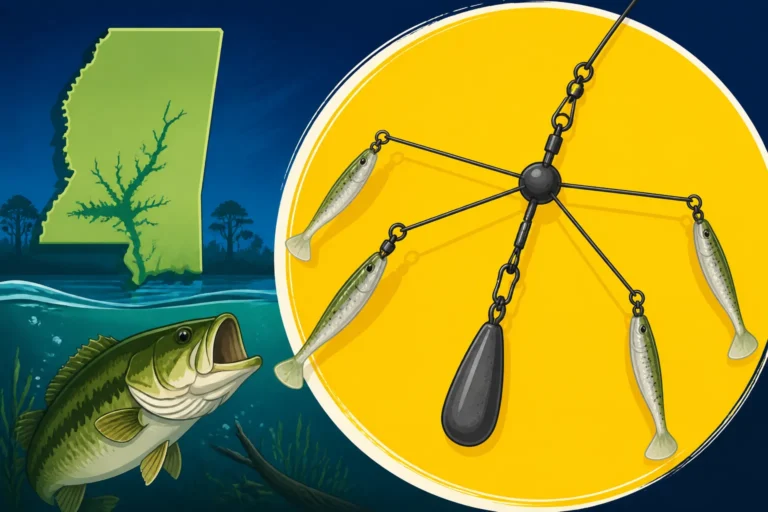
- Adjust Techniques and Gear: The forecast might indirectly suggest certain techniques. For instance, if they mention strong numbers of smaller crappie, you might focus on tight-lining or spider rigging with smaller baits. If trophy bass are highlighted, you might rig up larger swimbaits or jigs. You can find many of these items on Amazon, from specialized rods to a wide array of lures.
- Stay Flexible: Remember, a forecast is a prediction, not a guarantee. Weather patterns, sudden cold fronts, or unexpected water level changes can all impact fishing. Use the forecast as a strong starting point, but always be prepared to adapt on the water.
Beyond the Official Forecast: Complementary Resources
While the MDWFP forecast is a cornerstone, it's not the only piece of the puzzle. Smart anglers blend this official data with other resources for the most comprehensive view:
- Local Fishing Reports: Check with local bait shops, marinas, and online forums. These hyper-local reports provide real-time conditions that complement the broader state forecast. A forecast might say "crappie are good statewide," but a local report can tell you they're biting on minnows at 10 feet deep near specific brush piles.
- Weather and Water Conditions: Always monitor the weather forecast (temperature, wind, rain) and water levels/clarity for your chosen destination. A great fishing forecast won't help if a hurricane is rolling in! Having good rain gear or polarized sunglasses from Amazon can make or break a trip on a day with changing weather.
- Other MDWFP Publications: The MDWFP also releases specialized reports, such as detailed lake surveys or species-specific management plans. These can offer even deeper dives into particular fisheries. You might find detailed Mississippi Black Bass Regulations or Mississippi Crappie Regulations by Lake that further inform your decisions.
- Your Own Experience: Don't discount your own intuition and past successes. The forecast gives you a framework, but your personal knowledge of a particular lake or river, accumulated over years, is incredibly valuable.
By combining the MDWFP's annual fishing forecast with these complementary resources, you'll be well-equipped to make informed decisions, increasing your chances of a successful and enjoyable fishing season in Mississippi.
Here's a quick look at the typical MDWFP forecast timeline and what you might be planning:
| Forecast Publication Window | Angler Activities & Planning Focus | Key Species Often Highlighted |
|---|---|---|
| Late January – Early March | Reviewing previous season, planning spring trips, purchasing new gear. | Crappie, Largemouth Bass, Bream (Spring spawn focus) |
| Mid-Spring (Follow-ups) | Refining spring plans, checking specific lake reports. | Crappie, Largemouth Bass, Catfish |
| Early Summer (Follow-ups) | Planning summer trips, deep-water techniques, night fishing. | Largemouth Bass, Catfish, Saltwater Species |
| Fall (Follow-ups) | Planning fall trips, migration patterns, schooling fish. | Largemouth Bass, Striped Bass, Redfish, Speckled Trout |
| Winter (Follow-ups) | Planning for cold-weather fishing, deep-water structure. | Crappie, Catfish, White Bass |
Remember, this table provides general guidance. The actual publication and subsequent updates will come directly from the MDWFP.
Disclaimer
This article is for general informational purposes only and does not constitute professional advice. Laws, prices and regulations vary by location and change over time. Consult a qualified professional for guidance on your specific situation.