How to Fish Creek Channels for Winter Crappie
Winter crappie fishing can feel like chasing ghosts sometimes, especially when those familiar shallow spots go completely silent. It's truly frustrating when you know the fish are still there but just can't seem to find them, and it feels like they've vanished into thin air. This guide is all about cracking the code for winter crappie, specifically by teaching you how to effectively fish creek channels in Mississippi's reservoirs, giving you the best chance to fill your cooler when the temperatures drop and the fish become elusive.
The Winter Crappie Mindset: Understanding Their Channel Habits
As the temperatures plummet across Mississippi, crappie undergo a significant behavioral shift, and understanding this change is the first step to consistently catching them during the colder months. Gone are the days of them being scattered across shallow flats or hugging visible cover. Winter forces crappie into a more predictable, yet often harder to locate, pattern as they seek stability.
The Deep Dive: Why Crappie Seek Channels in Winter
During the harsh Mississippi winters, water temperatures drop considerably, especially in the shallower areas of lakes and reservoirs. Crappie, being cold-blooded creatures, are constantly looking for the most stable and comfortable water possible. The main lake creek channels provide exactly that – deeper water that maintains a more consistent temperature, often a few degrees warmer than the surrounding shallows. This slight temperature difference, even just a degree or two, is enough to draw schools of crappie from all over the lake into these thermal refuge areas. They're not just looking for warmth, though; these channels also serve as highways and cafeterias, concentrating baitfish that are also seeking stable conditions.
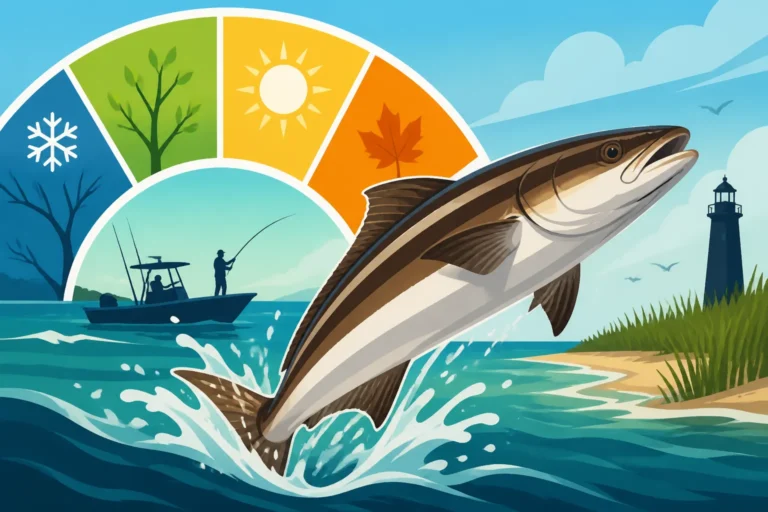
Imagine a large, bustling lake. As winter approaches, it's like a big house party winding down. All the guests (crappie) start congregating in the warmest, most comfortable rooms (creek channels) because it's too cold and exposed everywhere else. They'll linger in these deeper troughs, often suspending at a particular depth within the channel or relating to specific features along its edge. This is a crucial piece of the puzzle, as knowing this tendency helps you narrow down your search immensely. For more on the seasonal behaviors, check out our comprehensive guide on the Mississippi Fishing Seasons Calendar.
Schooling Behavior and Metabolism Changes
One of the most significant changes in winter crappie behavior is their tendency to school up much tighter than in warmer months. Instead of being spread out, they form dense schools, often numbering in the dozens or even hundreds of fish. This schooling behavior is a protective mechanism, both in terms of safety from predators and for more efficient foraging. When you find one winter crappie in a channel, you've likely found a whole school, which means fast and furious action until they move on.
Accompanying this tight schooling is a dramatic slowdown in their metabolism. Cold water makes crappie less active, less aggressive, and generally more lethargic. They don't need to feed as often or as vigorously as they do in the spring or summer. This means your approach needs to be much slower and more subtle. Quick, erratic movements that might trigger a strike in warmer water will often be ignored in winter. Instead, a slow, methodical presentation that keeps the bait in their strike zone for an extended period is typically what seals the deal. Understanding how to catch crappie in cold winter water specifically requires this shift in technique.
Equipping for the Cold: Essential Gear for Channel Crappie Fishing
Successfully tackling winter crappie in creek channels requires a specialized approach to gear, focusing on sensitivity, comfort, and precision. You can’t just grab your summer setup and expect the same results; the fish are finicky, and the conditions are often demanding.
Rods, Reels, and Line for Ultimate Sensitivity
When crappie are in cold water, their bites can be incredibly subtle – sometimes feeling like nothing more than extra weight on your line, or perhaps just a slight twitch. This demands a rod with exceptional sensitivity. A light-action or ultralight-action spinning rod, typically between 6 and 7 feet in length, made of high-modulus graphite, is ideal. Graphite transmits those faint taps directly to your hand. Pair this with a small, lightweight spinning reel spooled with 4 to 6-pound test monofilament or fluorocarbon line. Some anglers prefer braided line for its zero stretch and even greater sensitivity, but if you go this route, consider adding a fluorocarbon leader for stealth, as braid can be visible in clear winter water. Many reliable options for sensitive rods and reels can be found on Amazon, making it easy to gear up.
The length of your rod also plays a role. A longer rod allows for better line control, especially when fishing vertically in deeper channels or making longer casts parallel to channel edges. This setup ensures you can detect even the most delicate takes and provide a quick, effective hookset before the crappie can spit the bait. For a deeper dive into selecting the right equipment, you might find our guide on Choosing the Right Rod and Reel for Mississippi Fishing helpful.
Electronics: Your Eyes Below the Surface
In winter, especially when fishing deep creek channels, a good fish finder isn't just a luxury; it's practically a necessity. You're trying to locate schools of fish suspended in a vast underwater highway, often in depths of 20 to 40 feet or more. Without sonar, it's like trying to find a needle in a haystack blindfolded. Modern fish finders, particularly those with side imaging and down imaging capabilities, allow you to scan large areas quickly and pinpoint schools of crappie, as well as the structure they're relating to, like submerged timber, brush piles, or channel bends.
Once you mark a school, a reliable GPS feature allows you to anchor precisely or drift over the fish repeatedly. This precision is vital because winter crappie rarely chase bait; you have to put your offering right in front of their faces. Many anglers also rely on live-scanning sonar technologies, like Garmin LiveScope or Humminbird Mega Live, to see their jig in real-time as it descends towards the fish, allowing for incredibly precise presentations and immediate feedback on how fish are reacting. These high-tech units are a significant investment but can drastically improve your success rate. You can find a wide array of fish finders, from entry-level to advanced models, on Amazon. Our guide on Reading a Fish Finder for Crappie offers more insights into maximizing your sonar investment.
Cold Weather Comfort and Safety
Spending hours on the water in winter means you need to prioritize personal comfort and safety. Layering your clothing is key: start with a moisture-wicking base layer, add insulating middle layers (fleece or down), and top it off with a waterproof and windproof outer shell. Don't forget a warm hat, gloves, and waterproof boots. Hand warmers, easily found on Amazon, can be a lifesaver on particularly chilly days.
Beyond comfort, safety is paramount. The water is cold enough to be life-threatening if you go overboard. Always wear a U.S. Coast Guard-approved life jacket, even if you're fishing from a larger boat. Let someone know where you're going and when you expect to return. Be mindful of changing weather conditions and always check the forecast before heading out. Preparedness will ensure your winter crappie adventures are not only productive but also safe and enjoyable.
Strategic Approaches: Proven Techniques for Creek Channel Crappie
Once you understand winter crappie behavior and have the right gear, it’s time to talk tactics. The key to success in creek channels during the cold months is finesse, patience, and a methodical approach.
Vertical Jigging and Dropping on Suspended Schools
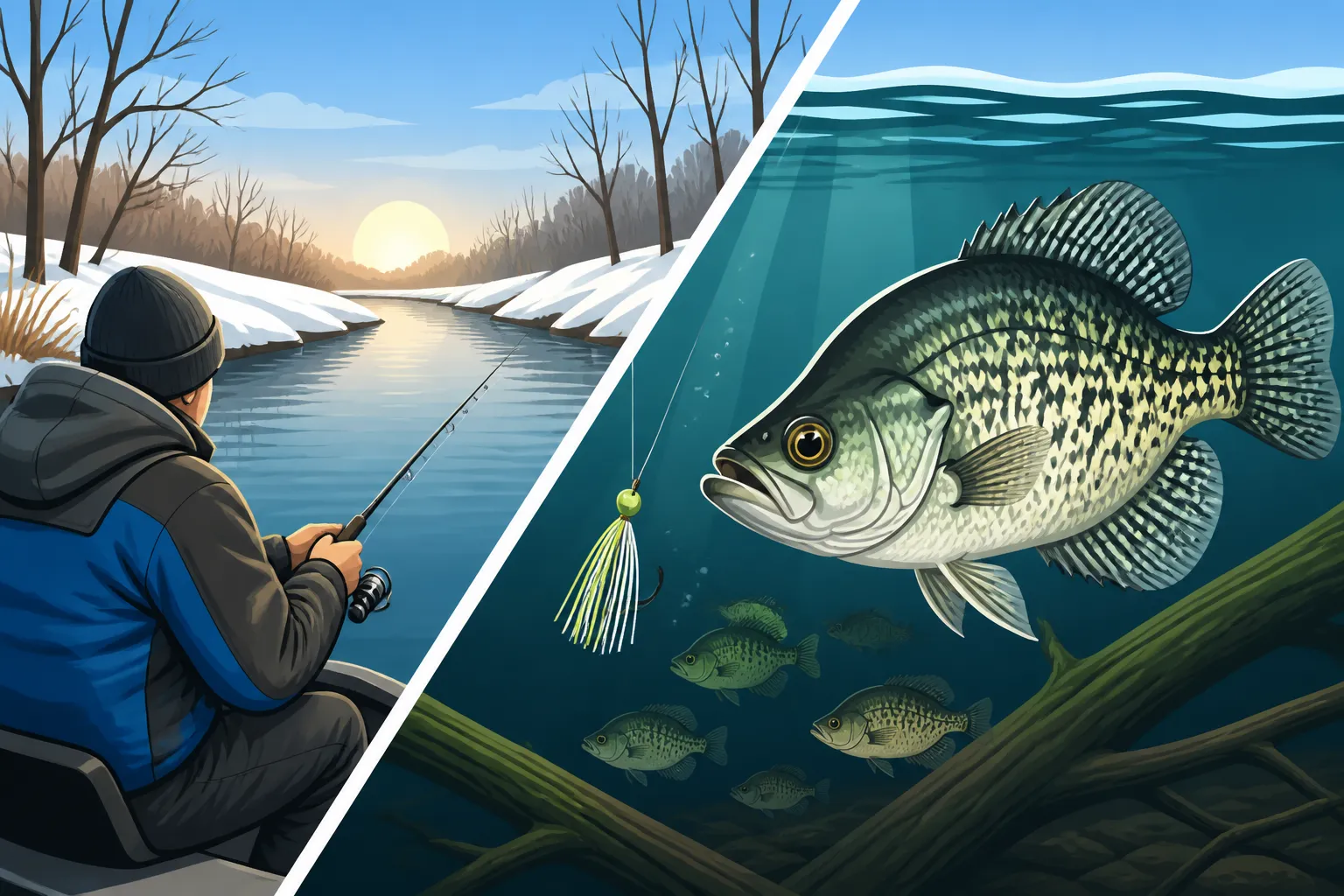
When you've located a school of crappie suspended in the creek channel, vertical jigging or "dropping" is often the most effective technique. This involves positioning your boat directly over the fish (using your electronics and GPS, of course!) and lowering a small jig or bait directly into the school. The beauty of this method is its precision. You can see the fish on your sonar, see your bait descending, and adjust your depth until your offering is exactly at eye level with the crappie.
Choose a small jig, typically 1/16 to 1/8 ounce, tipped with a small plastic grub, tube, or a minnow. The color choice can vary, but natural colors like white, clear, or light blues often perform well in clear winter water. Chartreuse or bright colors might be better in stained water. The retrieve should be subtle: a very slow lift and fall, or simply holding the jig perfectly still in the strike zone, sometimes with just a quiver of the rod tip. Remember, winter crappie are lethargic; they won't chase aggressively. You need to practically bump them on the nose. This technique is a cornerstone of Deep Water Crappie Fishing Techniques.
Slow Trolling for Channel Edges and Breaks
Sometimes, crappie might be spread out slightly more along the edges of the creek channel, especially where it meets a flat or where there's a subtle depth change. In these scenarios, slow trolling can be incredibly effective. This involves moving your boat at a snail's pace (often less than 1 MPH) while dragging multiple lines with jigs or minnow rigs behind the boat. This allows you to cover more water horizontally and present your baits to a wider area of potential crappie hotspots.
Spider rigging, a form of slow trolling where multiple long rods are spread out around the boat, is particularly popular for this. It allows you to present baits at different depths and with different colors until you find what the fish prefer. Use heavier jigs (1/8 to 1/4 ounce) to ensure they stay at your desired depth, especially if there's any current. Pay close attention to your rod tips for even the slightest bend or twitch, as bites can be very light. Once you get a bite, note the depth, speed, and location – you've likely found a pattern. This can be an excellent way to locate fish before settling down to vertical jig.
Best Baits and Lures for Winter Channels
The choice of bait and lure for winter crappie in creek channels usually boils down to two main categories: live bait and small artificials.
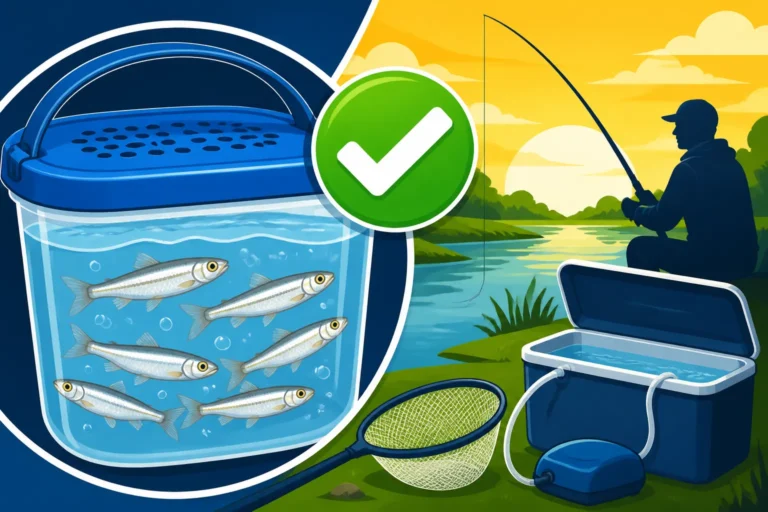
Live Minnows: Without a doubt, live minnows are often king for winter crappie. Their natural scent and subtle movements are irresistible to even the most sluggish crappie. Hook them lightly through the lips or just behind the dorsal fin on a small jig head or a plain hook (#2 or #4 hook) under a bobber or simply free-lined down to the desired depth. The size of the minnow matters; smaller minnows (1-2 inches) are generally more effective for finicky winter fish.
Small Jigs and Plastics: When crappie are slightly more active, or you prefer artificials, small soft plastic jigs are excellent. Popular choices include tiny tube jigs, curly tail grubs, or crappie-specific plastics from brands like Bobby Garland or Crappie Magnet. Colors are key, and it's always wise to have a variety on hand. As mentioned, natural hues are often good, but don't shy away from chartreuse, pink, or electric chicken, especially in stained water or on overcast days. Tipping your jig with a crappie nibble or a small piece of minnow can add scent and entice hesitant bites. The retrieve should be minimal – slow lifts, slight shakes, or just letting it sit. For a more detailed look, check out our guide on the Best Bait for Crappie in Mississippi.
Here's a quick comparison of common winter crappie baits and their ideal conditions:
| Bait/Lure Type | Description | Ideal Conditions | Pros | Cons |
|---|---|---|---|---|
| Live Minnows | Small, lively baitfish | Extremely cold, finicky fish, slow bite | Natural movement & scent, highly effective | Requires handling live bait, can be messy |
| Small Soft Plastics | Grubs, tubes, crappie-specific lures | Slightly more active fish, faster coverage | Versatile, variety of colors/shapes | No natural scent, requires angler action |
| Marabou Jigs | Feathered jigs with natural pulsate action | Clear water, subtle presentation | Very lifelike movement with minimal effort | Can foul easily, limited color choices |
| Crappie Nibbles | Scented, dissolvable pellets | Adding scent to artificials, hesitant bites | Adds irresistible scent, easy to use | Can fall off easily, only adds scent |
Pinpointing the Productive Spots: Where to Find Crappie in Channels
Knowing where to find those elusive creek channels and the exact spots crappie prefer within them is arguably the most critical part of winter crappie fishing. It's not enough to just "find a channel"; you need to find the right channel and the right spots within it.
Reading Topographic Maps and Sonar
Before you even launch your boat, spend time studying topographic maps of the lake you plan to fish. Look for the main creek channels that wind through the reservoir. Identify where these channels make sharp bends, where they intersect with smaller feeder creeks, or where they run close to old roadbeds, submerged timber lines, or prominent humps. These "features within a feature" are magnets for winter crappie. Lakes like Ross Barnett Reservoir, Grenada Lake, and Sardis Lake are prime examples of Mississippi waters where creek channels are crucial. Our guide to the Best Crappie Lakes in Mississippi can offer more specific locations.
Once on the water, your sonar becomes your best friend. Use your chart plotter to overlay your boat's position onto the lake map and navigate along the identified creek channels. Pay close attention to your depth sounder and side imaging. Look for abrupt depth changes, subtle rises (humps or points) along the channel edge, or the tell-tale signature of submerged brush piles, standing timber, or rock formations within the channel. These are key crappie habitats. When you mark fish, they'll often appear as dense clouds or individual arches, frequently suspended at a consistent depth.
Key Structure and Cover Within Channels
Crappie in winter are still structure-oriented, even when they're in open water channels. They just seek different kinds of structure. Here are some of the most productive features to target:
- Channel Bends: Crappie often stack up on the outside bends of creek channels, where the current (even subtle current in a reservoir) is weakest, and baitfish can be washed into their strike zone. These bends often create deeper pockets.
- Submerged Timber and Brush Piles: Old stumps, standing timber, and man-made brush piles dropped into the channels are absolute crappie magnets year-round, but especially in winter. These provide ambush points, protection, and a place to rest. They can be particularly effective if they are situated along the channel edge or on a hump within the channel itself.
- Old Roadbeds and Bridges: When reservoirs are flooded, old roadbeds, bridge abutments, and even house foundations create distinct underwater structures. Crappie will often position themselves along these hard-bottom areas, using them as reference points in the otherwise featureless channel.
- Deep Humps and Ledges: Any subtle rise or drop-off along the channel is worth investigating. Crappie will often position themselves just above a ledge, facing into the deeper water, or suspend around a deep hump.
A classic scenario might involve finding a main creek channel that makes a sharp 90-degree turn. On the outside edge of that turn, at a depth of 25 feet, your sonar might reveal a dense school of crappie relating to a submerged brush pile. This is where your precise vertical jigging comes into play, dropping a tiny jig directly into that sweet spot. Remember to always be aware of the Mississippi Fishing Regulations Explained for your specific area, especially regarding creel and size limits.
Final Thoughts on Winter Crappie in Mississippi
Winter crappie fishing in Mississippi's creek channels can be incredibly rewarding, offering some of the most consistent action of the year once you unlock the pattern. It demands patience, attention to detail, and a willingness to embrace the cold, but the rewards—a cooler full of delicious crappie—are well worth the effort. By understanding their cold-weather behavior, equipping yourself with the right sensitive gear, mastering subtle techniques, and using your electronics to pinpoint their exact locations, you'll transform challenging winter days into memorable fishing trips.
Remember, every lake is a little different, and conditions can change, so stay adaptable. Don't be afraid to experiment with different depths, jig colors, and presentation speeds. Sometimes, a slight change is all it takes to trigger those bites. Good luck out there, and tight lines!
Disclaimer
Please note that fishing regulations, including licensing requirements, creel limits, and size restrictions, are subject to change. Always consult the latest official regulations from the Mississippi Department of Wildlife, Fisheries, and Parks (MDWFP) before heading out on the water. This guide is for informational purposes only and does not constitute legal advice or an official statement of regulations.