When Do Cobia Run on the Mississippi Coast
You’ve likely heard the buzz, seen the incredible pictures of anglers wrestling those big, brown brutes, and now you’re curious: "When do cobia really run on the Mississippi Coast?" It's a common question, and frankly, a bit of a tricky one, because Mother Nature doesn't always stick to a neat calendar. Trying to time your trip perfectly can feel like a guessing game, leading to frustration if you hit the water too early or too late. But don't you worry! This guide is here to break down the ins and outs of the cobia run in our beautiful Gulf Coast waters, helping you understand their patterns, the factors that drive them, and how to maximize your chances of encountering one of these incredible game fish.
Understanding the Cobia Migration in Mississippi
Cobia, often affectionately called "ling" or "lemonfish" by locals, are true nomads of the sea. They don't just stay put in one spot; they're constantly on the move, driven by instinct, water temperature, and the availability of their favorite meals. Understanding this migratory nature is the first step in figuring out when they'll be gracing our Mississippi Coast waters. It’s not just about a date on a calendar; it’s about a symphony of environmental cues that bring them to us.
The Annual Migration Cycle
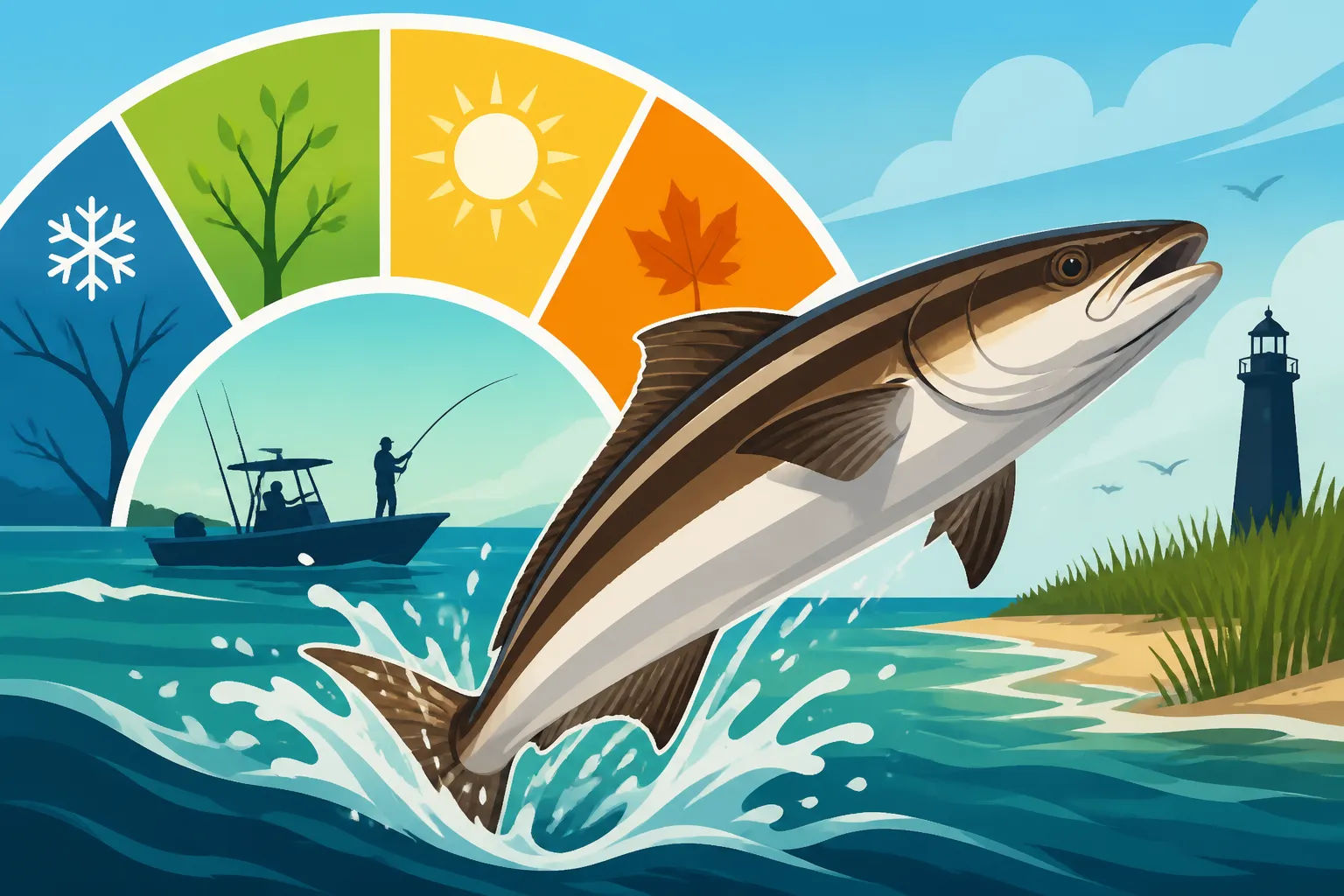
Think of cobia as snowbirds, but in reverse. As the colder months of winter settle in, many cobia retreat to warmer, deeper waters further south in the Gulf of Mexico or even down into Florida. They're seeking refuge from the chill, conserving energy, and generally staying out of sight. But as spring starts to hint at warmer days and the Gulf waters begin their gradual warm-up, these powerful fish get the urge to move.
Their journey typically brings them northward along the Gulf Coast. They follow the warming currents, pushing towards their summer feeding grounds and spawning areas. This northward trek means they pass right through Mississippi's inshore and nearshore waters. Once summer arrives in full swing, many will settle into these areas, taking advantage of the abundant baitfish. Then, as fall approaches and water temperatures begin to drop again, they reverse course, starting their southward migration back to their winter havens. This is why you often hear of two "runs" – a primary spring run and a secondary, often shorter, fall run.
Why They Come to Mississippi Waters
So, what makes the Mississippi Coast such an attractive stop on their migratory route? It boils down to a few key elements that create a perfect temporary habitat. First and foremost is the sheer abundance of baitfish. Our coastal waters are teeming with species like menhaden, mullet, and various crabs, all of which are high on a cobia's dinner menu. These fish are opportunistic feeders, and where there’s a buffet, they’ll be close by.
Beyond the food, Mississippi’s Gulf Coast offers a diverse range of underwater structures. We have a mix of natural wrecks, artificial reefs, buoys, channel markers, and even offshore oil rigs. These structures provide cover, attract baitfish, and serve as excellent ambush points for predators like cobia. Many anglers target these very structures when trying to intercept them. You'll often see them cruising right on top of or slightly away from these submerged features, just waiting for an easy meal. Additionally, the late spring and early summer period aligns with some cobia spawning activities, drawing them into our waters for reproductive purposes before they disperse to feed heavily.
Key Factors Influencing the Cobia Run
While we can talk about general timing, the truth is, cobia don't have a strict schedule like a train. Their movements are largely dictated by environmental cues, with water temperature being the undisputed champion of these factors. Ignore the thermometer at your peril when you're trying to predict the run!
The Critical Role of Water Temperature
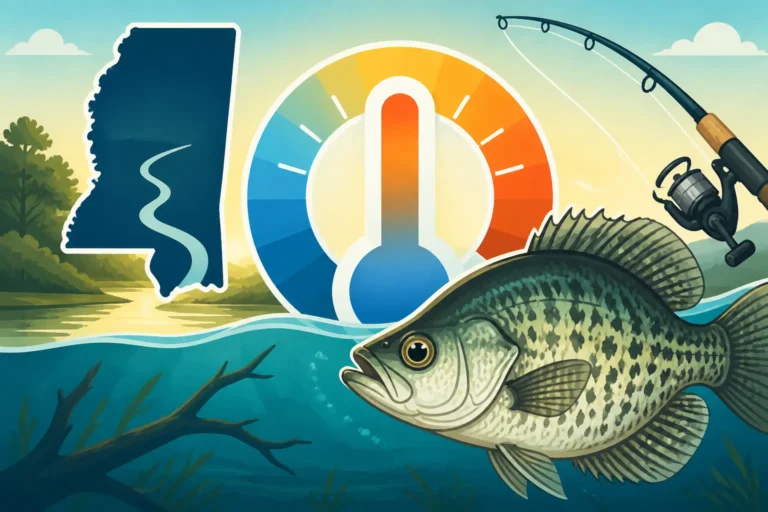
If there’s one piece of advice I can give you about cobia, it’s this: watch the water temperature. It is, without a doubt, the single most critical factor in predicting when cobia will show up on the Mississippi Coast. These fish prefer a comfortable range, generally starting to appear when coastal waters consistently hit around 68-70 degrees Fahrenheit. A good rule of thumb is that once the water temperature crosses that 68-degree mark and stays there, it’s game on.
A prolonged cold snap in late spring can delay their arrival, pushing the run back by days or even weeks. Conversely, an unusually warm early spring can bring them in ahead of schedule. Rapid fluctuations can also make them finicky; they prefer stable, warming trends. If the water suddenly cools down again, they might retreat to deeper water offshore until conditions stabilize. This means paying attention to local marine forecasts and water temperature gauges is just as important as having the right bait. Investing in a good marine weather app or even a simple boat thermometer, available on places like Amazon, can really give you an edge.
Impact of Weather Patterns and Baitfish
Beyond temperature, general weather patterns and the presence of baitfish schools play significant roles. Stable, calm weather, particularly after a long stretch of cooler temperatures, tends to bring cobia closer to shore and makes them more active and visible. Conversely, strong winds, rough seas, or sustained periods of bad weather can push them offshore or make them harder to locate. Cobia are powerful swimmers, but they'd rather cruise comfortably near structure than battle through turbulent conditions.
And then there's the food factor. Cobia are prodigious eaters, and they will follow their stomachs. If there are large schools of baitfish, such as menhaden (pogies) or finger mullet, moving along the coast, you can bet the cobia won't be far behind. These bait schools are essentially a moving buffet for them. Anglers often look for visual cues of baitfish on the surface – diving birds, ripples, or even just dark clouds of fish on their sonar – as prime indicators that cobia might be in the vicinity. No bait, no cobia, plain and simple.
Prime Time for Targeting Cobia on the Mississippi Coast
Alright, let's get down to brass tacks: when should you actually plan your trip? While the exact dates shift with the weather each year, there are definite windows of opportunity you’ll want to be aware of. The Mississippi Coast truly shines during certain seasons for these highly sought-after fish. For a broader perspective on the angling year, check out our guide on Mississippi Fishing Seasons Calendar.
Spring: The Main Event
Without a doubt, late spring is the absolute sweet spot for cobia on the Mississippi Coast. We're generally talking about the months of April, May, and stretching into early June. This is when the water temperatures have consistently warmed up, triggering that mass northward migration. During this period, cobia are often found cruising near the surface around almost any kind of structure you can imagine: buoys, channel markers, pilings, wrecks, and artificial reefs. It's prime time for sight fishing, especially on calm, clear days. Many anglers will spend hours slowly idling around these structures, eyes peeled for that unmistakable brown shape just below the surface or shadowing a buoy.
The excitement during this run is palpable. Boats are out in force, and it's not uncommon to see multiple cobia hookups in a single day if you're in the right place at the right time. The fish are often aggressive, having just completed a long journey and eager to feed. If you're planning your ultimate cobia trip, this is the window you want to aim for. Be sure to check our comprehensive guide on Cobia Fishing on the Mississippi Coast for more detailed information on techniques and prime locations.
Summer: Sustained Opportunities
While the frantic pace of the spring run might slow down a bit, summer still offers excellent opportunities for catching cobia, typically from June through August. During these hotter months, cobia tend to disperse more. They might move further offshore to deeper wrecks, oil rigs, and artificial reefs, seeking cooler water and consistent food sources. However, they can still be found in nearshore waters, particularly around large, permanent structures.
Fishing for them in summer often shifts from pure sight-casting to a mix of chumming, live bait fishing, and sometimes even bottom fishing over deeper structures. The fish might not be as visibly abundant on the surface, but they are definitely still around. Anglers with good electronics and knowledge of offshore structures can do very well. Just be prepared for the Mississippi summer heat and remember to hydrate! If you're thinking about offshore trips, consider our article on Offshore Red Snapper Charters in Mississippi, as many of those charters also target cobia when in season.
Fall: A Second Chance
As summer transitions into fall, usually September and October, you get a fantastic, albeit often shorter, secondary cobia run. This is when the fish begin their southward migration, moving back towards their wintering grounds. Much like spring, the cooling (but still comfortable) water temperatures and the presence of migrating baitfish trigger this movement. You'll often find them congregating near passes, bay mouths, and along the beachfront, fattening up for their journey.
This fall run can be incredibly productive, with fish often being just as aggressive as they are in the spring. However, it can be a more fleeting window, as a strong cold front can quickly push the fish out of reach. It's a great time for those who might have missed the spring frenzy or just want another crack at these powerful fish. Keep an eye on the weather forecasts during these months, as a beautiful calm week can lead to some spectacular fishing.
Here's a quick overview of the cobia run on the Mississippi Coast:
| Season | Typical Months | Water Temp Range (approx.) | Common Locations | Primary Fishing Style | Notes |
|---|---|---|---|---|---|
| Spring (Peak) | April – June | 68-75°F | Nearshore structures, buoys, wrecks, channels, shallow reefs | Sight casting, live baiting around structure | Highest visibility, aggressive feeders, great for tower boats |
| Summer | June – August | 75-85°F | Offshore rigs, deeper wrecks, artificial reefs, larger structures | Chumming, bottom fishing, live bait | Fish can be deeper, requires more searching, hot weather |
| Fall (Secondary) | September – October | 70-78°F | Passes, bay mouths, nearshore structures, beachfront | Sight casting, live baiting, trolling | Shorter window, good feeding activity before winter migration |
| Winter | November – March | Below 68°F | Deeper offshore waters, further south | Very rare in Mississippi coastal waters | Generally not targeted, fish move to warmer grounds |
Techniques and Gear for the Cobia Run
Knowing when they run is only half the battle; knowing how to catch them is the other! Cobia are powerful, hard-fighting fish that will test your tackle and your stamina. Being prepared with the right techniques and gear is crucial for success, whether you're heading out on your own boat or booking one of the many excellent Mississippi Gulf Coast Fishing Charters.
Top Techniques for Cobia
Cobia can be caught in several ways, and often, combining tactics yields the best results.
- Sight Fishing: This is arguably the most exciting way to target cobia during the spring and fall runs. It involves cruising slowly, often from an elevated position like a boat's tower or even a taller center console, and visually spotting cobia as they cruise near the surface or shadow structures. Once spotted, a quick, accurate cast with a live bait or a jig is key. This is a game of quick reflexes and good aim. Polarized sunglasses are absolutely essential for this, and a high-quality pair can be found easily on Amazon.
- Chumming: When cobia are holding deeper or are less visible, chumming can be incredibly effective. By creating a slick of chopped baitfish (like menhaden) or commercially prepared chum, you can draw them right to your boat. Once they appear in the chum line, a live bait or an artificial lure can be presented. This technique is particularly good when fishing around offshore structures.
- Bottom Fishing: For cobia holding on deeper wrecks, reefs, or artificial structures, bottom fishing with live bait or cut bait can be highly productive. Dropping a heavy lead with a live eel, pinfish, or even a large shrimp to the bottom can entice a strike. This is often more effective in the summer when fish are less likely to be cruising on the surface. For understanding more about targeting specific species in the area, check out Redfish Fishing on the Mississippi Coast which sometimes involves similar live bait tactics.
Essential Gear for Cobia Anglers
Cobia don’t mess around, so neither should your tackle. You need robust gear that can handle their strength and endurance.
- Rods & Reels: For cobia, you'll want heavy-duty spinning or conventional setups. Think medium-heavy to heavy action rods, around 7 to 8 feet in length, capable of handling 20-50 lb test line. Reels should have a strong drag system and ample line capacity. For casting to visible fish, a fast-action spinning rod allows for quick, accurate presentations. For bottom fishing, a sturdy conventional setup is often preferred. If you need help deciding, our article on Choosing the Right Rod and Reel for Mississippi Fishing has some great advice.
- Line: Braided line in the 30-65 lb class is a popular choice for its strength, sensitivity, and smaller diameter. You’ll definitely want a fluorocarbon leader, usually 50-80 lb test, for abrasion resistance and invisibility in the water. Cobia have sharp gill plates and rough mouths, so a heavy leader is critical.
- Terminal Tackle: Strong, sharp hooks are non-negotiable. J-hooks from 6/0 to 9/0 or sturdy circle hooks of similar size are common. Swivels should be high-quality and rated for heavy pulling.
- Baits & Lures: Live eels are often considered the undisputed king of cobia baits. Live mullet, pinfish, croaker, and large shrimp are also excellent choices. For artificials, heavy jigs (1-3 oz) in white, chartreuse, or dark colors, along with large soft plastics rigged on jig heads, can be very effective, especially for sight casting. Don't forget a good pair of pliers and a de-hooker – cobia can be feisty at the boat! You can find a wide variety of these essential items on Amazon.
Preparing for Your Cobia Fishing Adventure
A successful cobia trip isn’t just about being in the right place at the right time; it’s also about proper planning and understanding the rules. This preparation ensures not only a more enjoyable experience but also a legal and responsible one.
Licensing and Regulations
Before you even think about putting a line in the water, make absolutely certain you have the correct fishing license. For saltwater fishing on the Mississippi Coast, you’ll need a Mississippi Saltwater Fishing License Guide. This is crucial, and fines for fishing without one can quickly ruin your day. Always check the current regulations for cobia regarding size limits and daily creel limits. These can change, so it's vital to stay informed. A quick search on the Mississippi Department of Wildlife, Fisheries, and Parks (MDWFP) website or reviewing our guide on Mississippi Fishing Regulations Explained will give you the most up-to-date information.
Understanding Mississippi Fishing Season Dates and Limits for specific species like cobia ensures you're fishing legally. Cobia often have a minimum size limit and a daily bag limit, and adhering to these rules helps conserve the fishery for future generations. Never assume; always verify.
Chartering a Boat or Going DIY
Deciding whether to take your own boat or book a charter depends on your experience, equipment, and comfort level with Gulf Coast waters.
- Going DIY: If you have a suitable boat, marine electronics, and experience navigating open Gulf waters, fishing for cobia yourself offers the freedom to explore and target fish on your own terms. However, it requires a significant investment in gear, safety equipment, and fuel. Always check marine forecasts before heading out, as conditions can change rapidly.
- Booking a Charter: For many, especially those new to saltwater fishing or visiting the area, booking a Mississippi Gulf Coast Fishing Charters is an excellent option. A reputable charter captain will have the experience, local knowledge, and specialized equipment to put you on fish. They understand the patterns of the cobia run, know the best spots, and often provide all the tackle, bait, and even clean your catch. Plus, most charters include your fishing license as part of the trip cost for everyone on board, so you don't have to worry about that particular detail. To learn more about what to expect, read our article What to Bring on a Mississippi Fishing Charter. To choose the best time to go with a guide, consider our advice on the Best Season to Book a Gulf Coast Charter.
Whether you go with a charter or on your own, remember to bring essentials like sunscreen, a wide-brimmed hat, comfortable clothing, and plenty of water. Sunglasses, as mentioned, are a must. A small cooler with drinks and snacks will always be welcome on a long day on the water. Many of these items are easily found and ordered from Amazon, making your preparation a breeze.
Catching a cobia on the Mississippi Coast is an unforgettable experience. They are powerful, beautiful fish that offer a thrilling challenge. By understanding their migratory patterns, paying attention to environmental cues, and being prepared with the right gear and knowledge, you significantly increase your chances of landing one of these highly prized catches during their exciting run.
Disclaimer
This article is for general informational purposes only and does not constitute professional advice. Laws, prices and regulations vary by location and change over time. Consult a qualified professional for guidance on your specific situation.