Best Technique for Fishing After Heavy Rain
The feeling is all too familiar: you've been planning that fishing trip all week, checking the forecast religiously, only for a sudden deluge to turn your local lake or river into a muddy, swollen mess. It's easy to feel defeated, wondering if it's even worth wetting a line. But trust me, while heavy rain certainly changes the game, it doesn't have to mean calling it quits. With the right adjustments and a bit of know-how, you can absolutely find success. This comprehensive guide will walk you through adapting your strategies for fishing after heavy rain in Mississippi, turning a potential washout into a rewarding day on the water.
Understanding How Heavy Rain Reshapes Fishing Conditions
Before you can adapt your approach, it's crucial to understand why heavy rain impacts fishing. It’s not just about the wetness; a significant downpour fundamentally alters the underwater environment, and with it, fish behavior.
The Murky Truth: Water Clarity and Turbidity
One of the most immediate and noticeable effects of heavy rain is the change in water clarity. When rain pounds the landscape, it washes sediment, dirt, leaves, and other debris from the surrounding land into our lakes, rivers, and ponds. What was once clear, inviting water can quickly become a soupy, muddy brown mess – what we often lovingly refer to as "chocolate milk."
This drastically reduces visibility in the water. For fish that rely heavily on sight to hunt, like many predatory bass, this can be a real challenge. They struggle to see your lures or bait, making it harder for them to strike. It’s frustrating, right? You arrive at your favorite spot, only to find the water looks like it belongs in a coffee cup rather than a fishing hole. Different water bodies react differently, too. Smaller ponds might clear up quicker, while large reservoirs can stay muddy for days, and rivers, with their constant flow, can become extremely turbid and powerful.
Rising Waters and Stronger Currents
Heavy rain means more water, which leads to rising water levels and, often, significantly increased current, particularly in river systems and creek channels. This surge can dislodge fish from their usual comfortable holding spots. Imagine trying to stay put in a strong current all day – it’s exhausting! So, fish will naturally seek refuge.
For us anglers, this presents a unique set of challenges. Maintaining your bait or lure in a specific spot can feel like a losing battle against the current. Boaters need to be extra vigilant, as strong currents can make boat control difficult and create hazardous conditions. On the flip side, these higher water levels can open up exciting new fishing opportunities. Suddenly, areas that were dry land or shallow margins become flooded, submerging new vegetation, logs, and structures that create fresh cover and feeding grounds for fish.
Temperature Swings and Oxygen Boosts
The impact of rain on water temperature can be a bit nuanced, often depending on the season and the temperature of the rain itself. A summer thunderstorm, for instance, might introduce cooler rain that drops the surface temperature of a warm lake, which can invigorate heat-stressed fish. Conversely, an early spring rain that's warmer than the current water temperature could provide a welcome warming trend.
One undeniably positive aspect of heavy rain, however, is the influx of fresh oxygen into the water. Raindrops agitate the surface, and runoff from land can carry oxygenated water into stagnant areas. This oxygen boost can be a game-changer, particularly in warmer months when oxygen levels can naturally dip. Fish, feeling more energetic, might become more active and willing to feed. Understanding the Best Water Temperature for Crappie Fishing can help you predict where these oxygenated or thermally comfortable zones might be after a good soaking.
Adapting Your Tactics for Post-Rain Success
Now that we understand the chaos rain can cause, let’s talk about how to turn that chaos into opportunity. Adapting your strategy is key, and it often means going against your usual instincts.
Finding the Sweet Spots: Current Breaks and Inflows
When the water turns murky and the currents rage, fish aren't just going to sit there and take it. They're looking for relief, comfort, and easy meals. Your job is to find those havens.
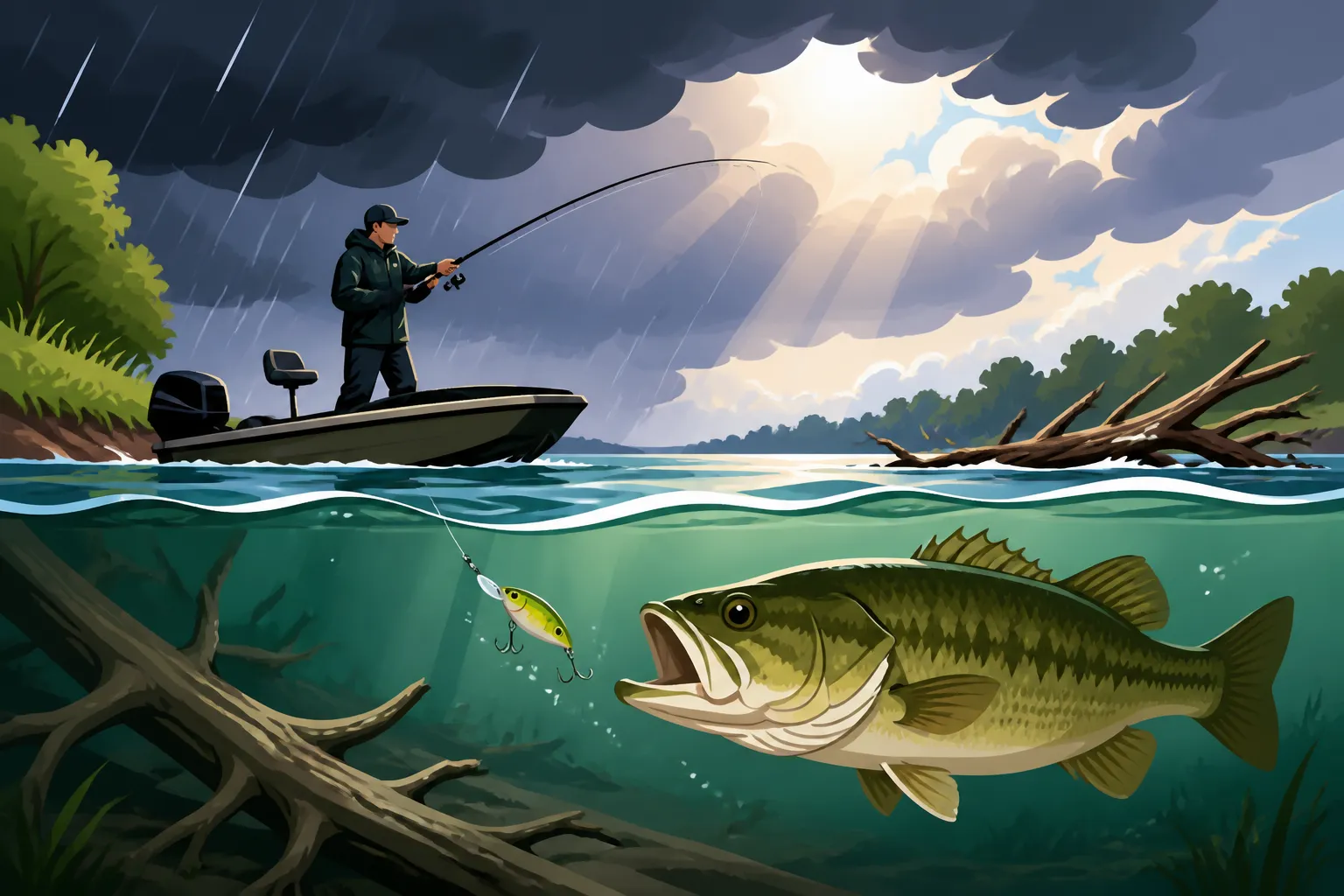
- Current Breaks: These are your number one target. Look for anything that obstructs the main flow of water and creates a calmer area behind it. This could be a large fallen tree, a bridge pilings, rock jetties, boat docks, or even a subtle bend in a creek channel. Fish will stack up in these eddies, expending less energy while waiting for food to be swept past them. They’re like underwater lounges for fish.
- Inflow Points: Where smaller creeks, ditches, or drainage pipes empty into a larger body of water, you’ll often find a "sweet spot." These inflow points bring in not only fresh, often more oxygenated water but also a buffet of worms, insects, and other food items washed off the land. The water coming in might also be slightly clearer or a different temperature, creating attractive zones for fish. These areas can be absolute goldmines, especially for bass and catfish. If you're exploring new areas, you might find that some of the Best Fishing Spots on the Mississippi River Near Vicksburg become even more productive if you understand how to approach these inflow and current break areas after a rain.
Lure Choice: When Visibility Drops, Go Bold
With low visibility, fish rely less on sight and more on their other senses: lateral line (vibration), hearing, and smell. This means your lure selection needs to reflect these changes.
- Colors That Pop: Forget subtle, natural colors for a while. In murky water, you want colors that stand out dramatically. Fluorescent colors like chartreuse, electric chicken, bright orange, and hot pink become highly effective. Alternatively, very dark colors like black or junebug can create a stronger silhouette against the lighter surface, making them easier for fish to detect. If you're a bass angler, understanding the Best Lure Colors for Muddy Water Bass Fishing is absolutely critical right after a significant rainfall.
- Vibration and Sound: Lures that displace a lot of water and create strong vibrations are indispensable. Think crankbaits with wide wobbles, spinnerbaits with large, thumping blades (like Colorado blades), and bladed jigs (often called ChatterBaits) that send out intense pulses. These vibrations act as a sonar beacon for fish, guiding them to your offering even when they can't see it.
- Scent Power: Never underestimate the power of scent in murky conditions. Fish have an incredible sense of smell, and a powerful scent trail can lead them directly to your bait. Use soft plastics that are heavily infused with garlic or fish attractants. Many anglers also add external scent sprays or gels to their lures. If you're using live bait, its natural scent is already a huge advantage. You can find a fantastic array of scented baits and attractants on Amazon from brands like Berkley Gulp! or Yum.
Presentation is Key: Slow It Down, Keep It Natural
Fish in turbid, high-water conditions are often less aggressive than usual. They're dealing with disrupted environments, and they're less likely to chase down fast-moving baits. Patience and a deliberate presentation are your best friends.
- Slow Down Your Retrieve: This is paramount. Whether you're using a crankbait, a spinnerbait, or a jig, slow down your retrieve significantly. Give the fish ample time to locate your bait, get a good look (or feel) at it, and decide to strike. A stop-and-go retrieve with jigs or soft plastics can be very effective, allowing the bait to sit on the bottom or suspend momentarily, making it an easy target.
- Vertical Presentation: In deeper water or around vertical structure (like bridge pilings or brush piles), vertical jigging can be highly productive. This keeps your bait in the strike zone longer and allows fish to ambush it without having to chase far.
- Live Bait Advantage: Live bait often shines brightest in post-rain conditions. Its natural movements, vibrations, and scent are incredibly hard for fish to ignore, even in low visibility. Whether it's a shiner for crappie, a juicy worm for bream, or a piece of cut bait for catfish, live offerings frequently outperform artificials when the water is muddy. For crappie anglers, learning the Best Bait for Crappie in Mississippi becomes even more important when the water's been churned up.
Species-Specific Strategies and Safety First
While the general principles apply, some species react differently, and of course, safety should always be your top priority when fishing in altered conditions.
Chasing Largemouth Bass in Muddy Water
Largemouth bass are incredibly adaptable, and you can absolutely catch them after a heavy rain. They often make predictable moves:
- Go Shallow, Go to Cover: Bass will frequently push into newly flooded shallow areas. These zones offer new ambush points thanks to submerged bushes, grass lines, and laydowns, and they often concentrate baitfish. Pitching and flipping jigs, Texas-rigged soft plastics, or creature baits into this heavy cover can be deadly.
- Focus on Points and Seams: Points extending into the main lake or river, and the seams where currents meet slack water, become prime real estate. Bass will sit on the calmer side, waiting for baitfish to be swept past.
- Use Reaction Baits: In the murk, bass are less likely to study a bait. Instead, they might react impulsively to a lure that suddenly appears or makes a lot of noise. Bladed jigs, shallow-running crankbaits, and spinnerbaits are excellent for eliciting these reaction strikes. For a deeper dive into general bass behavior, our Largemouth Bass Fishing in Mississippi guide offers great foundational knowledge that can be adapted to these conditions.
Crappie and Catfish: Muddy Water Mavens
These two species have distinctly different reactions to post-rain conditions:
- Crappie Challenges: Crappie can be a bit trickier than bass or catfish in heavy mud. They prefer clearer water, and sometimes, they'll move deeper to find it or seek out areas with better oxygenation. However, they will still relate to structure like brush piles, submerged timber, and creek channels. Slow vertical jigging with jigs tipped with minnows or soft plastics around these submerged structures can be effective. Sometimes, a slow troll along a creek channel edge might tempt them. Learn more about How Rain Affects Crappie Fishing to understand their specific post-rain tendencies.
- Catfish Opportunity: Catfish, on the other hand, often thrive after a heavy rain. Their exceptional sense of smell works even better in murky water, and the increased current washes abundant food (worms, insects, even small fish) into their feeding zones. Target deeper holes, channel edges, and current breaks in rivers. Use strong-smelling baits like cut bait (shad, skipjack), chicken livers, or commercial stink baits. Fishing multiple rods with different baits can help you dial in what they prefer. You can find robust catfish rigs and a wide selection of potent bait options on Amazon. Our Catfish Fishing Techniques article has excellent tips that are particularly useful when adapting to rainy conditions.
Prioritizing Safety and Essential Gear Checks
Fishing after heavy rain isn't just about catching fish; it's also about staying safe. Conditions can be more hazardous than usual.
- Safety First: Always, always prioritize safety. High water levels mean stronger currents, and often, hidden debris like submerged logs or fences. If you're boating, wear your life jacket. Be extra cautious if you're wading or bank fishing, as saturated banks can be unstable and extremely slippery. Water currents can also be surprisingly strong near flood zones. Always inform someone of your fishing plans, including your exact location and expected return time.
- Essential Gear:
- Good Rain Gear: Even if the rain has stopped, conditions can be damp, and you might get splashed. Quality waterproof jackets and pants are a must.
- Sturdy Waders and Boots: Protect yourself from wet, muddy banks and potentially deeper-than-expected wading conditions.
- Extra Line and Terminal Tackle: Snags are much more common when there's debris in the water, so bring plenty of extra line, hooks, and weights.
- Lure & Bait Variety: As discussed, adaptability is key. Pack a wide assortment of lures and baits in different colors, sizes, and vibration profiles.
- Headlamp/Flashlight: If you plan to fish into the evening, especially with the reduced visibility, a reliable light source is crucial for safety and retying knots.
- Gear Check: Before heading out, make sure your gear is up to snuff. This includes checking your line for nicks, ensuring your reel is smoothly operating, and that your knots are strong. Our guide on Choosing the Right Rod and Reel for Mississippi Fishing can help you select a setup robust enough for potentially heavier line and snags you might encounter in post-rain conditions.
Here’s a quick reference table to help you adapt your strategy:
| Condition After Heavy Rain | Target Species | Recommended Location/Structure | Lure/Bait Type | Presentation Strategy | Key Tip |
|---|---|---|---|---|---|
| Muddy Water | Bass, Catfish, Crappie | Inflow points, current breaks, shallow flooded cover, deeper holes (catfish) | Bright/dark lures (chartreuse, black), scented soft plastics, live bait, cut bait, crankbaits, spinnerbaits | Slow retrieves, vertical jigging, bottom bouncing | Prioritize vibration & scent; give fish time to find it. |
| High Water Levels | Bass, Crappie | Newly flooded vegetation, creek channels, deeper edges of banks, brush piles | Jigs, Texas rigs, shallow crankbaits, minnows, worms | Flipping/pitching into cover, slow trolling (crappie) | Explore new accessible cover; fish the edges. |
| Increased Current | Catfish, Striped Bass | Eddies, behind structure (docks, rocks, trees), channel swings | Heavy jigs, cut bait, large live bait (catfish); robust crankbaits (striped bass) | Present upstream, let bait drift naturally, anchor strategically | Focus on current breaks where fish expend less energy. |
| Cooler Water Temp (Summer) | Bass, Crappie | Deeper thermoclines, shaded areas, near oxygenated inflows | Deeper diving crankbaits, jigs, bottom bouncing rigs, drop shots (bass); minnows (crappie) | Target depth; fish transition areas. | Check water temperature to find comfort zones. |
Disclaimer
The information provided in this guide is for general informational purposes only and does not constitute professional advice. Fishing conditions can change rapidly, and local regulations may vary. Always check the latest Mississippi Department of Wildlife, Fisheries, and Parks (MDWFP) regulations and weather forecasts before heading out. Fishing involves inherent risks, and it is essential to prioritize safety at all times.