Do I Need a Mississippi License to Fish From the Bank?
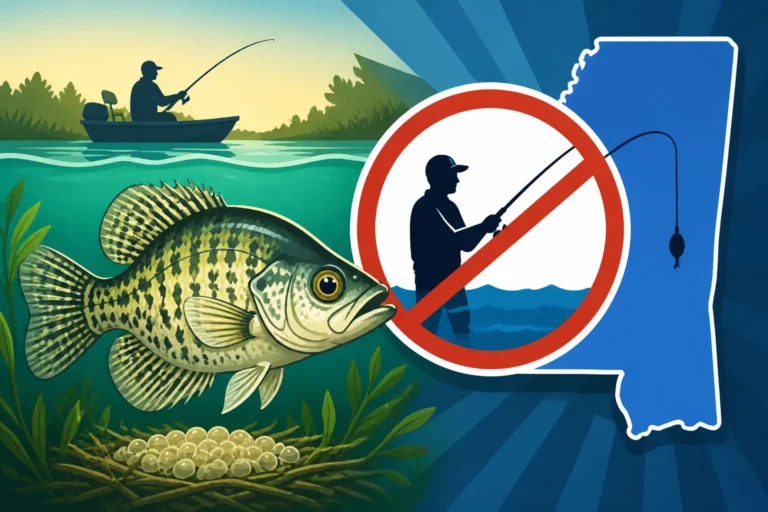
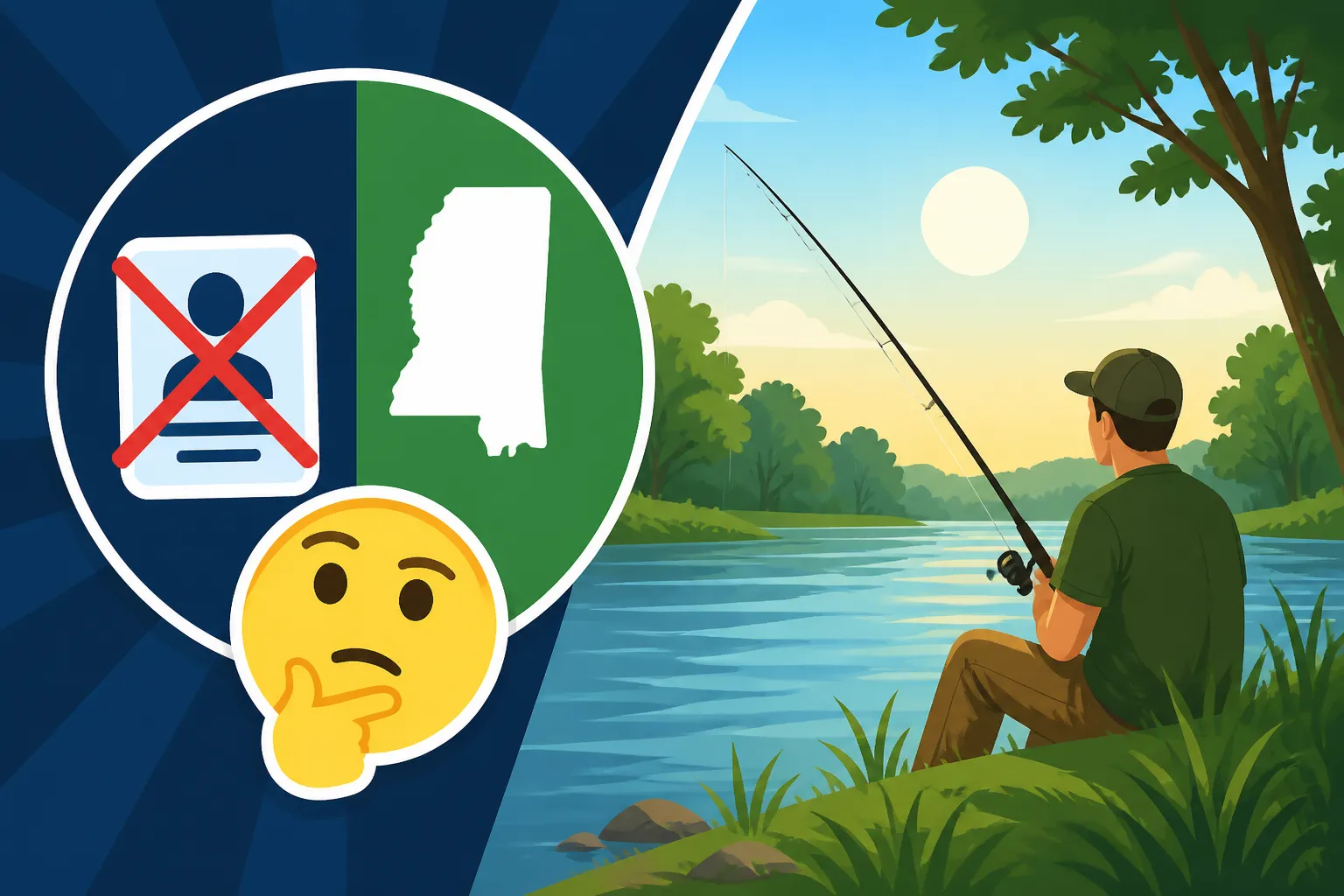
It’s a question that trips up so many anglers, especially those who prefer the simple pleasure of casting a line from the shore: "Do I really need a fishing license if I’m just fishing from the bank in Mississippi?" The short answer, which can be frustratingly vague, is usually yes. This guide is here to untangle the confusion, clarify the specific rules, and ensure you’re fully prepared before your next bankside adventure in the Magnolia State.
Understanding Mississippi's General Fishing License Requirements
Let's cut right to the chase: Mississippi, like almost every state, operates on the principle that if you're taking fish from public waters, you need a license. This isn't about being punitive; it's about funding conservation efforts, fish stocking programs, and maintaining the beautiful waterways we all enjoy. Many people assume that a fishing license is only required if you're out on a boat, navigating the vast open waters of Ross Barnett Reservoir or one of the mighty rivers. However, that's a common misconception that can lead to unexpected fines.
The Basic Rule: Why a License is Usually Needed
The Mississippi Department of Wildlife, Fisheries, and Parks (MDWFP) is tasked with managing and protecting the state's diverse aquatic resources. The revenue generated from fishing licenses is absolutely crucial for their operations. This money goes towards maintaining public boat ramps and fishing piers, conducting important fisheries research, stocking popular species like bass and crappie in lakes and ponds, and enforcing regulations to ensure sustainable populations for future generations. When you buy a license, you're not just getting permission to fish; you're directly contributing to the health of Mississippi’s fishing habitats.
So, when we talk about "public waters," we're not just referring to the deep middle of the Mississippi River. This includes state-owned lakes, rivers, streams, bayous, and even public access areas along larger reservoirs. If the state manages it, and fish are present, a license is generally a must-have. Think of it this way: the fish don't care if you're in a fancy bass boat or sitting on a five-gallon bucket on the bank; they're still part of the state's managed resource.
When Bank Fishing Still Requires a License
The method of fishing – whether you're casting from a boat, kayak, or the bank – generally doesn't determine whether a license is required. What truly matters is where you are fishing. If you're on public land or public water access points, a license is almost always mandatory. This includes a wide array of popular bank fishing spots across the state.
Consider these common scenarios:
- Fishing from Public Piers or Docks: Whether it's a small pier on a state fishing lake or a large municipal pier along the Gulf Coast, if it's publicly accessible, you'll need a license.
- Shorelines of Public Lakes and Reservoirs: Places like Grenada Lake, Sardis Lake, or the popular Ross Barnett Reservoir all have extensive public shorelines and designated bank fishing areas. Even if you're just walking down to the water's edge to throw a worm out, you're expected to have a valid Mississippi fishing license.
- Riverbanks and Stream Banks: The Pearl River, Pascagoula River, and countless smaller streams offer fantastic bank fishing opportunities. However, unless the land you are standing on is private property and you have permission, a license is required. The same goes for sections of the Mississippi River. Many anglers mistakenly believe that because they aren't "in" the water, the rules don't apply, but that's not the case. The act of taking fish from public waters dictates the need for a license, not your proximity to the boat ramp.
For a deeper dive into the overall regulations, you might want to check out our comprehensive guide on Mississippi Fishing Regulations Explained.
Key Exceptions to the Mississippi Fishing License Rule
While the general rule is to have a license, Mississippi does offer several important exceptions. These are often based on the location of your fishing, your age, or specific days designated by the state. Understanding these can save you a trip to buy a license you might not need.
Fishing on Private Property Exemptions
One of the most significant exemptions revolves around private property. This is where the "bank fishing" question often gets tricky for people.
- Landowner Exemption: If you own the land you're fishing from, and that land encompasses the water body or grants you direct access to it, you and your immediate family residing with you generally don't need a license to fish on that property. This applies to your private pond, a section of a stream that runs exclusively through your land, or your frontage on a larger lake. However, "immediate family" typically refers to your spouse and dependent children, not extended relatives or friends.
- Private Ponds (Not Stocked by the State): This is a crucial distinction. If you're fishing in a wholly private pond that is located entirely on private land, and that pond has not been stocked with fish by the MDWFP at public expense, then a license is usually not required. This scenario often applies to small farm ponds or privately managed fishing ponds. The moment the state has invested in stocking the pond, even if it's on private land, it's often considered public resource management, and a license becomes necessary. It's always best to verify if a pond has been part of a state stocking program if you're unsure.
- Permission from Landowners: If you're fishing from the bank of private property, and you have explicit permission from the landowner, you might be exempt if the water body itself also falls under the "private pond not stocked by the state" category. However, if the private land borders a public river or lake, and you're fishing that public body of water, you will still need a license, even with the landowner's permission to be on their property. The permission only grants you access to the land, not an exemption from fishing regulations on public waters.
To avoid any issues, it’s always wise to confirm the specific status of the water body with the MDWFP if there’s any doubt, or simply err on the side of caution and get a license. For more details on this, you can look into Do I Need a License to Fish on Private Ponds in Mississippi?.
Age-Based Exemptions for Youth and Seniors
Mississippi recognizes that certain age groups should have easier access to fishing, either to encourage new anglers or to provide recreation for older residents.
- Youth Exemptions: Children under the age of 16 are generally exempt from needing a fishing license in Mississippi. This is a fantastic initiative to get youngsters hooked on fishing without the barrier of purchasing a license. It’s important to remember that this exemption only applies to the child; any accompanying adults who are fishing will still need their own licenses if they don't qualify for another exemption. This makes it easy to take your kids or grandkids bank fishing at a local lake without worrying about their paperwork.
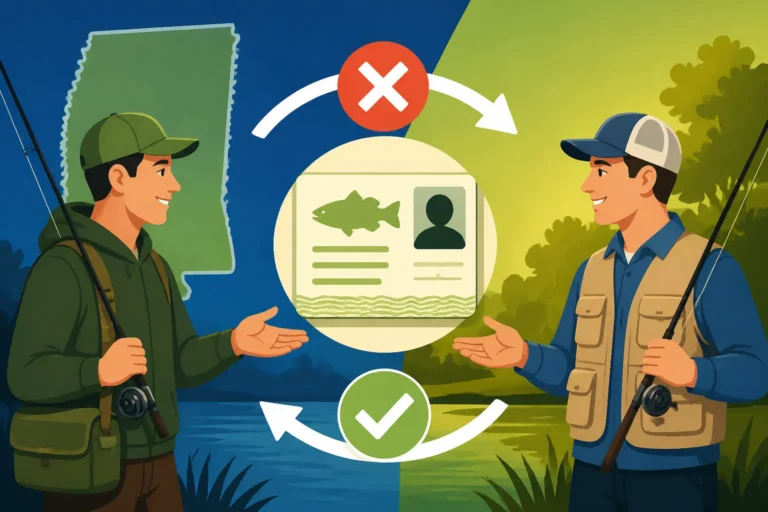
- Senior Exemptions: Mississippi residents who are 65 years of age or older can obtain a special Senior Exempt Fishing License. While it's often referred to as "free," it's technically a zero-cost license that still needs to be acquired from the MDWFP. This allows seniors to continue enjoying fishing without an annual fee. It's a wonderful benefit for our experienced anglers. This license must still be in possession while fishing, so it’s not truly an "exemption" from needing a license, but rather from the cost of one. You can learn more about how to obtain this through our guide, Mississippi Resident Senior Exempt License Explained.
These age-based exemptions are a huge help for families and retirees, making bank fishing more accessible for these groups. For comprehensive information on who doesn't need a license, check out our Mississippi Fishing License Exemptions article.
Special Circumstances: Free Fishing Days and Disabled Veterans
Beyond age and private land, there are a couple of other scenarios where a fishing license might not be required for bank fishing.
- Mississippi Free Fishing Days: Each year, typically in early summer, Mississippi designates certain days as "Free Fishing Days." During these specific dates, residents and non-residents alike can fish in most public waters without needing a license. This is a fantastic opportunity for beginners to try out fishing without the initial investment in a license, or for experienced anglers to simply enjoy a day on the water with fewer formalities. It’s always a good idea to check the MDWFP website for the exact dates each year, as they can vary. This is a perfect time to try out bank fishing at a state park lake. You can find the specific dates in our article on Mississippi Free Fishing Weekend Dates.
- Disabled Veteran License: Mississippi offers significant support for its disabled veterans. Eligible resident disabled veterans can obtain a special lifetime combination hunting and fishing license at no cost. This is a profound recognition of their service and sacrifice, ensuring they can enjoy the outdoors for a lifetime. Proof of disability status is required to obtain this license. For those interested, our guide on Mississippi Disabled Veteran Fishing License has all the necessary details.
It's important to remember that these exceptions are very specific. If you don't fit into one of these categories, assume you need a license, even if you're just dipping a line from the bank.
The Consequences of Fishing Without a License from the Bank
Many anglers, especially those new to the sport or visiting from out of state, might think that bank fishing is casual enough to go unnoticed by game wardens. This couldn't be further from the truth. Conservation officers are highly vigilant, patrolling all types of public access points, including popular bank fishing spots, state park lakes, and river access areas.
Potential Fines and Penalties
Getting caught fishing without a valid license in Mississippi, even from the bank, is a real issue. It’s classified as a misdemeanor offense, and the penalties can be quite significant.
- Fines: The typical fine for a first offense of fishing without a license can range from a couple of hundred dollars to potentially more, depending on the discretion of the court and specific circumstances. This initial fine often far exceeds the cost of an annual fishing license, making the decision to skip buying one a costly gamble. Imagine planning a relaxing afternoon by the water, only to leave with a hefty ticket that could have bought you several years' worth of licenses!
- Court Appearances: Beyond the monetary fine, you might also be required to appear in court. This means taking time off work, travel, and the general hassle and stress of legal proceedings.
- Confiscation of Gear: In some cases, particularly for repeat offenders or in conjunction with other violations, game wardens have the authority to confiscate your fishing gear, including your rods, reels, and tackle. Losing your favorite setup for a fishing trip gone wrong is a frustrating consequence.
- License Suspension: If you’re a repeat offender, or if the infraction is severe, you could face the suspension of your fishing privileges for a period of time, not just in Mississippi but potentially in other states as well through interstate compacts.
It’s truly not worth the risk. A few dollars spent on a license upfront can save you a lot of headache and money down the line. To understand the specifics of what you might face, our article on What Happens If You Fish Without a License in Mississippi? provides more detailed information.
Importance of Compliance for Conservation
Beyond the legal ramifications, there's a broader, more significant reason to comply with fishing license requirements: conservation. Every fishing license purchased in Mississippi directly fuels the MDWFP's critical work.
- Funding Fish Management: Your license fees contribute to stocking programs for species like largemouth bass, crappie, and catfish in public lakes and rivers, ensuring there are plenty of fish for everyone to catch. They also fund research into fish populations, habitat improvement projects, and control of invasive species.
- Habitat Preservation: A portion of the funds goes towards protecting and restoring aquatic habitats, which are vital nurseries for fish and other wildlife. This includes maintaining water quality, managing riparian zones, and even restoring damaged ecosystems.
- Enforcement and Sustainability: Game wardens, funded by license sales, are not just there to issue tickets; they are frontline protectors of our natural resources. They ensure that regulations like creel and size limits are followed, which are crucial for maintaining healthy fish populations. Without these limits and their enforcement, overfishing would quickly deplete our precious resources.
When you purchase a fishing license, you are actively participating in the stewardship of Mississippi's natural heritage. It's an investment in the future of fishing, ensuring that future generations will have the same, if not better, opportunities to enjoy the sport. Whether you're casting from a boat or simply enjoying the peaceful solitude of bank fishing, your license plays a vital role. For an overview of how these funds are allocated, consider reading How Mississippi Fishing License Fees Are Used.
How to Easily Obtain Your Mississippi Fishing License
So, you've decided to do the right thing and get your license – excellent choice! The good news is that obtaining a Mississippi fishing license is a straightforward process, designed to be as convenient as possible for anglers.
Online, Retailers, and MDWFP Offices
There are multiple avenues to get your license, catering to different preferences and situations.
- Online: The quickest and often most convenient way to purchase a Mississippi fishing license is online through the MDWFP website. You can do this from the comfort of your home, any time of day or night. The process typically involves selecting your license type, providing some personal information, and paying with a credit card. Once purchased, you can often print a temporary license immediately or save it digitally on your phone. This means if you decide spontaneously to go bank fishing, you can often get licensed within minutes. Our guide on How to Buy a Mississippi Fishing License Online walks you through the steps.
- Retailers: For those who prefer an in-person transaction or are already out shopping for gear, numerous authorized retailers across the state sell fishing licenses. These often include:
- Walmart: A very common spot, with service desks or sporting goods departments often equipped to issue licenses.
- Bass Pro Shops & Academy Sports + Outdoors: These large sporting goods stores are natural fits, as many anglers are already visiting them for tackle and equipment.
- Local Bait and Tackle Shops: Supporting your local bait shop is a great way to get your license while also picking up some fresh bait and getting local fishing reports. The staff there often have invaluable insights into local conditions and hot spots for bank fishing.
These retail locations typically have knowledgeable staff who can help you select the correct license type and process your payment quickly. After you've got your license, these same stores, or online marketplaces like Amazon, are great places to pick up essential bank fishing gear, from folding chairs and portable rod holders to a new tackle box to keep your lures organized.
- MDWFP Offices: If you need personalized assistance, have complex questions, or prefer dealing directly with the state agency, you can visit one of the Mississippi Department of Wildlife, Fisheries, and Parks district offices during business hours. Their staff can provide detailed information about all license types and help you complete the application process.
Choosing the Right License for Your Needs
Before you buy, it’s helpful to understand the different types of licenses available, as they cater to various fishing habits and residency statuses.
- Resident vs. Non-Resident: The primary distinction is whether you are a resident of Mississippi or not. Resident licenses are significantly cheaper than non-resident options. For example, a non-resident annual fishing license costs more than a resident one.
- Annual, 3-Day, 1-Day: If you're just planning a single trip or a short weekend getaway for bank fishing, a 1-day or 3-day non-resident license might be more economical than an annual one. However, if you plan to fish more than a few times a year, the annual license often pays for itself.
- Freshwater vs. Saltwater: Most standard fishing licenses cover freshwater. If your bank fishing plans include the Mississippi Gulf Coast, you'll need to ensure you have a saltwater endorsement or a separate saltwater license. Many anglers are confused if their freshwater license covers saltwater, but it usually doesn't, even for bank fishing from a pier on the coast. Check out our guide on Does a Mississippi Fishing License Cover Saltwater?.
- Sportsman's License: For the avid outdoor enthusiast, the Mississippi Sportsman's License is a popular choice, bundling both hunting and fishing privileges for a comprehensive package. This often represents a cost saving compared to buying individual licenses. You can explore the value of this bundle in Is the Mississippi Sportsman's License a Good Deal?.
Always double-check the specifics of the license you're purchasing to ensure it covers your intended fishing activities. It's better to be over-prepared than under-licensed!
Mississippi Bank Fishing License Quick Reference
Here's a handy table to help clarify common bank fishing scenarios regarding license requirements:
| Scenario | License Required? | Notes |
|---|---|---|
| Fishing from a public lake/river bank | YES | Applies to most state-managed waters, even if you don't have a boat. |
| Fishing from a public pier/dock | YES | Regardless of freshwater or saltwater, public piers require a license. |
| Fishing on your own private property | NO | If you are the landowner, and it's your private water/access, you are exempt. |
| Fishing a private pond not stocked by MDWFP | NO | Pond must be wholly private, and not stocked with state funds. Owner's permission usually needed. |
| Fishing a private pond stocked by MDWFP | YES | Even if on private land, if MDWFP stocked it, a license is generally required. |
| Child under 16 years old | NO | Youth exemption applies to children under 16. |
| Mississippi resident 65 years or older | NO (but must obtain) | A free Senior Exempt License must still be obtained from MDWFP. |
| During Mississippi Free Fishing Days | NO | Check MDWFP for specific dates each year. |
| Disabled Veteran (eligible resident) | NO (but must obtain) | Free Lifetime Disabled Veteran license must be obtained and carried. |
| Non-resident bank fishing in public waters | YES | Non-residents need appropriate non-resident licenses (annual, 3-day, 1-day). |
Remember, this table provides a general overview. Always refer to the latest MDWFP regulations or contact them directly if you have a unique situation or specific questions.
Final Thoughts on Bank Fishing and Licenses
The joy of bank fishing is undeniable. There’s something profoundly peaceful about setting up a spot on the shore, casting your line, and enjoying the tranquility of nature. It’s often a simpler, more accessible form of fishing, requiring less gear and no boat. However, that simplicity in execution does not translate to simpler regulations.
To avoid any unwelcome surprises from a game warden, the safest and most responsible approach is to always assume you need a license if you're fishing in any public water body in Mississippi. If you're uncertain, it's far better to spend a few dollars on a license that contributes to conservation than to risk a fine and the disappointment of having your fishing trip cut short. By understanding and respecting the regulations, you're ensuring that Mississippi's beautiful waters and abundant fish populations will be there for everyone to enjoy for generations to come.
Disclaimer
Please note that fishing regulations can change. While this guide provides comprehensive information based on current knowledge, it is always advisable to consult the official Mississippi Department of Wildlife, Fisheries, and Parks (MDWFP) website or contact them directly for the most up-to-date and specific regulations before engaging in any fishing activities.