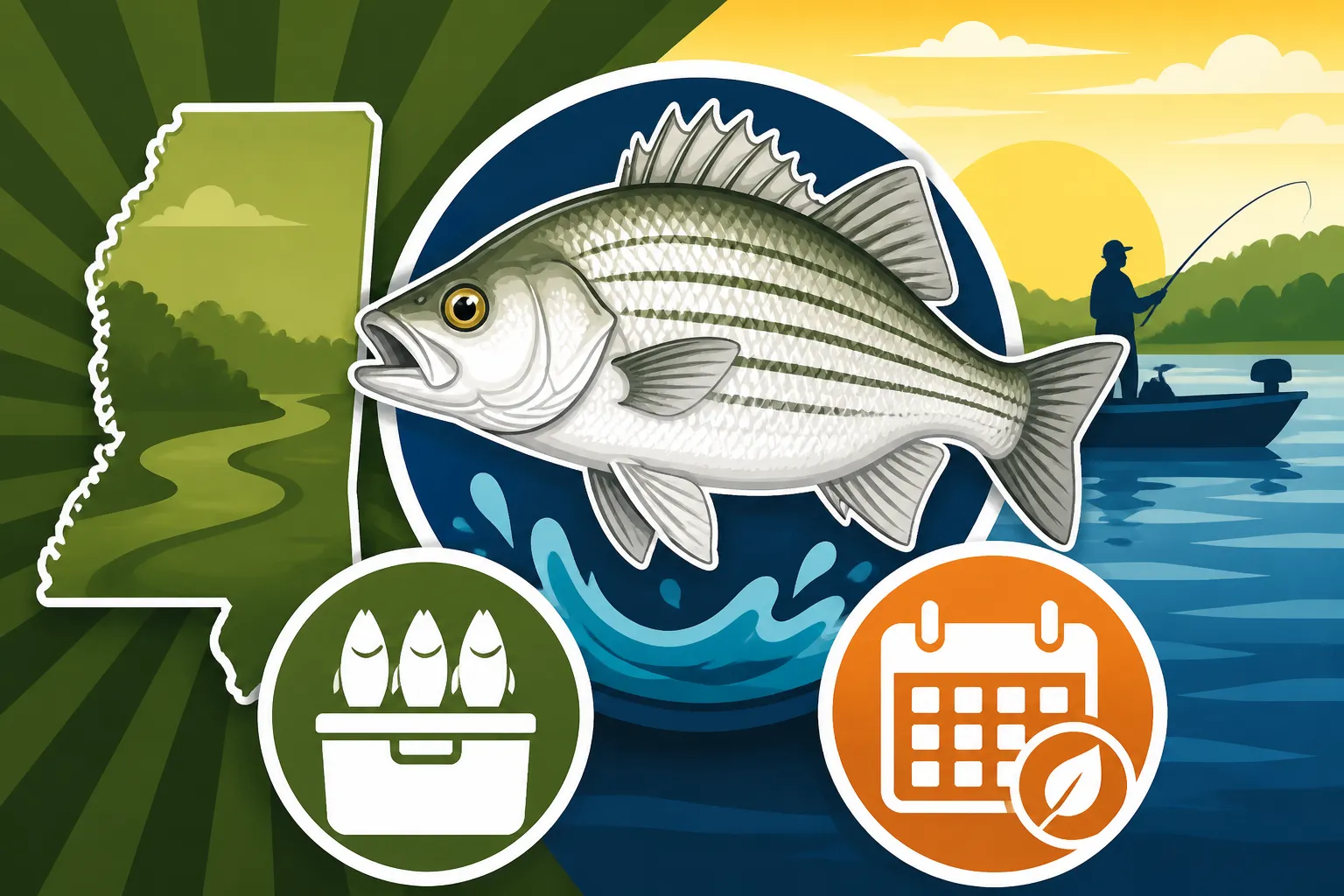
Mississippi White Bass Limit and Season
It can be incredibly frustrating to hit the water, catch a beautiful stringer of white bass, and then realize you're not entirely sure about the legal limits or if it's even the right season. Mississippi's fishing regulations can sometimes feel like a maze, especially when it comes to specific species. This guide is here to clear up all that confusion, giving you the definitive lowdown on white bass limits and seasons, ensuring your next fishing trip is both successful and fully compliant with the Mississippi Department of Wildlife, Fisheries, and Parks (MDWFP) rules.
Understanding Mississippi's White Bass Daily Creel Limit
One of the most common questions anglers have revolves around how many fish they can actually keep. With white bass, it’s a species known for schooling and offering fast-paced action, meaning you can often catch quite a few in a single outing. Knowing the precise daily creel limit is crucial to avoid any unwelcome surprises or fines.
Statewide White Bass Regulations
For the vast majority of waters across Mississippi, the MDWFP has established a clear and consistent statewide daily creel limit for white bass. You are generally allowed to keep 25 white bass per person per day. This is a generous limit, recognizing the abundance of white bass in many of our reservoirs and river systems, and their propensity to bite aggressively when you find a school. What's also important to note is that, unlike some other popular game fish in Mississippi, there is no minimum size limit for white bass. This means if it's a white bass and you're within your daily creel limit, it's a keeper, regardless of its length. This simplifies things immensely, as you don't need to carry a measuring board just for white bass.
It’s always a good practice, before heading out, to quickly review the official state regulations, which you can find in the comprehensive guide on Mississippi Fishing Regulations Explained. These documents are updated regularly, and while white bass limits are generally stable, a quick check can save you a headache. Remember, this daily limit applies to each angler individually, so if you have three people in your boat, the combined total would be 75 fish.
Special Lake or Waterbody Exceptions
While the 25-fish daily limit for white bass is quite consistent across Mississippi, it's always smart to be aware that specific lakes or waterbodies can sometimes have unique regulations. These exceptions are usually put in place by the MDWFP to manage fish populations more closely in smaller, heavily fished, or recovering ecosystems. For example, some state fishing lakes might have slightly different rules to maintain a healthy balance.
Currently, for white bass, the statewide limit of 25 fish with no size limit is pretty universal. However, this is where staying informed becomes vital. If you're planning a trip to a lesser-known lake or one managed specifically by a local entity, take an extra moment to verify if there are any posted signs or local advisories from the MDWFP. These might alter the general rule. For broader guidelines on keeping your catch legal, check out our piece on Mississippi Statewide Creel Limits. Most often, any exceptions will be clearly marked at boat ramps or access points, or detailed in the MDWFP's annual fishing guide. Never assume; always verify. It's better to spend five minutes checking the rules than risk a citation.
Understanding White Bass Seasons and Best Fishing Times
White bass are a fantastic sport fish, known for their powerful strikes and spirited fights, especially on light tackle. Knowing when they are most active can dramatically improve your success rate. While there isn't a strict "season" in terms of a closed or open period like with some other species, their behavior and catchability certainly fluctuate throughout the year.
Peak White Bass Runs and Spawning
The absolute best time to target white bass in Mississippi is during their spring spawning runs. This usually kicks off when water temperatures consistently reach the upper 50s to low 60s Fahrenheit, often from late February through April, depending on how far north or south you are in the state and the specific weather patterns of that year. During this period, white bass migrate en masse from larger reservoirs and lakes up into tributary creeks and rivers to spawn.
These runs are legendary among anglers because the fish congregate in dense schools, making them incredibly easy to locate and catch. They become very aggressive, hitting almost anything resembling a shad or minnow. This is prime time for shore anglers, too, as the fish move into shallower, more accessible waters. You'll find them stacked in creek channels, around gravel bars, and in the first significant bends of rivers upstream from larger impoundments. If you're planning a trip during this window, ensure your Mississippi Fishing License Guide is up to date, as wardens are often out and about during these popular periods.
Seasonal Activity Patterns
Beyond the spring spawn, white bass can be caught throughout the year, but their patterns shift.
- Spring (Post-Spawn): After the spawn, white bass disperse and often head back to the main lake or river system. They're usually hungry and can be found chasing baitfish in open water or around main lake points and humps. This is still a great time, just a bit more dispersed than the actual spawn.
- Summer: As water temperatures climb, white bass often move into deeper, cooler water. They'll school up in open water, suspending over channels, humps, or main lake structure, usually following schools of shad. Early morning and late evening topwater action can be phenomenal as they push bait to the surface, especially in places like Ross Barnett Reservoir Fishing Guide or Grenada Lake Fishing Guide where shad populations are abundant. During the heat of the day, look for them deeper using electronics.
- Fall: The cooling water temperatures in fall trigger another feeding frenzy as white bass fatten up for winter. This is another fantastic time to fish, often mirroring spring patterns but sometimes with less intense concentrations. They'll chase shad in open water, around points, and in creek mouths. The "fall turnover" can briefly slow things down, but once conditions stabilize, the bite can be furious.
- Winter: White bass are still catchable in winter, though they become less active and typically hold in deeper, more stable water. Look for them in the main river channels or deep holes in reservoirs. Vertical jigging or slow trolling small jigs or spoons can be effective. They don't disappear; they just get a bit more subtle in their feeding habits. For a more general overview of when to hit the water, check out our guide on the Best Time of Year to Fish in Mississippi.
Prime Locations for White Bass in Mississippi
Mississippi is blessed with an abundance of waters, from vast reservoirs to meandering rivers, many of which hold thriving populations of white bass. Knowing where to focus your efforts can save you a lot of time and lead to much more productive trips. These feisty fish are found statewide, but some locations consistently produce better results.
Major Reservoirs and River Systems
The large reservoirs in Mississippi are arguably the top destinations for white bass anglers. These massive impoundments offer expansive open water where white bass can thrive, pursuing schools of shad and other baitfish.
- Ross Barnett Reservoir: Often called "The Rez," this sprawling body of water near Jackson is a white bass powerhouse. During the spring spawn, the upper Pearl River section and its tributaries become hotspots as fish migrate upstream. Throughout the year, look for schooling white bass in the main lake basin, especially around points, humps, and the dam area. Our Ross Barnett Reservoir Fishing Guide offers more detailed insights.
- Grenada Lake: Famous for its crappie, Grenada also boasts an excellent white bass population. The Yalobusha and Skuna River arms are key areas during the spring run. In summer and fall, you'll find them schooling in the main lake, often near the dam or around large submerged structures.
- Sardis Lake: Similar to Grenada, Sardis provides excellent white bass fishing, particularly in its river arms during the spring. The Little Tallahatchie River and its feeder creeks are prime spawning grounds. Later in the year, target open water schools. Our Sardis Lake Fishing Guide can point you to specific spots.
- Enid Lake: Another North Mississippi gem, Enid’s clear waters make spotting schooling white bass a thrilling experience. The major creeks feeding into Enid are hot during the spring.
- Mississippi River and its Tributaries: The mighty Mississippi River system itself holds significant white bass populations. While navigating the main river can be challenging, its numerous backwaters, oxbows, and major tributaries often provide incredible white bass action. These fish are true river dwellers and will follow baitfish throughout the system.
When fishing these larger bodies of water, a good fish finder is almost essential for locating those elusive open-water schools, especially outside of the spawning runs. Before heading out, make sure to read up on Best Fishing Spots in Mississippi for a broader view.
Tailwater Fisheries and Other Hotspots
Tailwater fisheries, the areas directly below dams, are often overlooked but can be goldmines for white bass. The turbulent, oxygen-rich water attracts baitfish, which in turn attracts game fish like white bass.
- Below Major Dams: Below the dams of Ross Barnett, Grenada, Sardis, and Enid, you'll often find white bass congregating, especially during periods of water release. The current provides an easy meal delivery system, making these areas highly productive. Anglers often fish from the bank or small boats just downstream of the dam structures.
- Smaller Rivers and Creeks: Don't underestimate the smaller river systems and larger creeks that feed into the major lakes. These are the highways for white bass during their spawning migrations. Places like the Yalobusha River, Skuna River, Little Tallahatchie River, and the upper reaches of the Pearl River are prime examples. They may not be "major" rivers in the grand scheme, but they are absolutely essential for white bass.
- State Fishing Lakes: While typically managed for species like bass and crappie, some of Mississippi’s smaller state fishing lakes occasionally offer decent white bass fishing, particularly if they are connected to larger river systems. Always check with the lake manager for local conditions and any specific rules that might apply.
Essential Gear and Tactics for White Bass Success
Catching white bass is an absolute blast, but having the right gear and knowing a few key tactics can turn a good day into an unforgettable one. These fish are aggressive, but they can also be finicky, especially outside of their most active periods.
Recommended Tackle Setups
For white bass, you generally want a setup that's sensitive enough to detect subtle bites but robust enough to handle their spirited fight. They aren't huge, usually topping out around 2-3 pounds in Mississippi, but they pull hard.
- Rods: A light to medium-light spinning rod around 6 to 7 feet long is ideal. Look for a fast action tip, which means the top third of the rod bends easily, offering excellent sensitivity for feeling those quick taps and enough backbone to set the hook. This kind of rod allows for good casting distance, which is often crucial when targeting schooling fish.
- Reels: Pair your rod with a 2000 or 2500 series spinning reel. This size offers a good balance of line capacity and smooth drag. A smooth drag system is critical because white bass are strong fighters, and you don't want to snap your line on a hard run. Before your next outing, consider checking out some spinning reel options on Amazon; they often have a wide selection to fit any budget.
- Line: 6 to 10 lb monofilament or fluorocarbon line is usually perfect. Monofilament offers a bit more stretch, which can be forgiving, while fluorocarbon is nearly invisible underwater and has less stretch, providing more sensitivity. Many anglers also opt for 10-15 lb braided line with a short fluorocarbon leader for maximum sensitivity and casting distance. If you're looking to upgrade your setup, our guide on Choosing the Right Rod and Reel for Mississippi Fishing offers more general advice that applies well to white bass.
Best Lures and Baits for White Bass
White bass are primarily predators of baitfish, so lures and baits that imitate shad or minnows are typically the most effective.
- Small Jigs: These are arguably the most versatile white bass lures. 1/8 to 1/4 ounce jigs with soft plastic tails (grubs, curly tails, or small swimbaits) in white, chartreuse, or silver are deadly. Tip them with a small piece of live minnow for added attraction.
- Spoons: Casting spoons or jigging spoons (like a Kastmaster or a War Eagle spoon) in silver or gold are fantastic for mimicking dying shad. They cast a mile and have a shimmering action that white bass can't resist, especially when they're schooling in open water. I always recommend picking up a good quality white bass specific lure kit, and Amazon often has great deals on these sets.
- Inline Spinners: Lures like a Roostertail or Mepps Aglia are classic white bass killers. Their spinning blade creates flash and vibration that draws strikes. White, chartreuse, or silver blades are top producers.
- Small Crankbaits: Shallow-diving crankbaits that mimic small baitfish work well, especially when white bass are feeding near the surface or around shallow cover.
- Live Bait: Nothing beats a live minnow for tempting white bass, especially when they're a bit lethargic or during colder months. Hook them through the lip or back and fish them under a bobber or on a small jig head.
- Topwater Lures: During early mornings, late evenings, or overcast days, small topwater poppers or walking baits can trigger explosive strikes when white bass are chasing shad on the surface. For reading the water and spotting those surface disturbances, a good pair of polarized sunglasses, easily found on Amazon, can make all the difference.
Effective Fishing Techniques
The technique you use will heavily depend on the season and where the white bass are holding.
- Casting and Retrieving: This is the bread and butter. Cast your jig, spinner, or spoon and retrieve it at a steady pace. Vary your retrieve speed until you find what the fish prefer. If they're schooling, cast directly into the frenzy.
- Vertical Jigging: When white bass are holding deeper, especially in winter or summer, vertical jigging spoons or heavy jigs directly over schools you've located with your fish finder can be incredibly effective. Drop your lure to the desired depth and impart short, sharp jerks.
- Trolling: Trolling small crankbaits or jigs can be a great way to cover water and locate schools in larger reservoirs. Adjust your depth and speed until you start getting bites.
- Look for Birds: One of the oldest tricks in the book is to watch for diving birds, especially gulls. They often indicate that white bass are pushing schools of shad to the surface. Head straight to the commotion!
- Bank Fishing: During the spring spawn, bank fishing can be incredibly productive. Focus on bottlenecks, current breaks, and gravelly areas in the tributary rivers and creeks.
- Electronics: A good fish finder is invaluable for locating submerged schools of white bass, especially in deeper water. Look for dense bait balls and crescent-shaped marks below them – those are often your white bass. Don't forget to stock up on extra line and hooks; Amazon delivers right to your door.
White Bass Regulation Summary
To make things easy to remember, here’s a quick overview of the key white bass regulations in Mississippi:
| Regulation Type | Rule for White Bass in Mississippi (Statewide) | Notes |
|---|---|---|
| Daily Creel Limit | 25 fish per person per day | Applies to each individual angler. |
| Size Limit | No minimum length limit | All legal white bass caught (within creel) are keepers. |
| Season | Open year-round | No closed season, but peak activity is in spring. |
Always remember that while these are the general statewide rules, it's prudent to check for any specific local regulations if you're fishing a unique body of water, such as certain state park lakes. A portable cooler, easily found on Amazon, is essential to keep your abundant catch fresh!
Disclaimer
Fishing regulations, license requirements, and local rules can change. While every effort has been made to provide accurate and up-to-date information, this guide is for informational purposes only. Always consult the official Mississippi Department of Wildlife, Fisheries, and Parks (MDWFP) website or their most current printed regulations handbook before you go fishing to ensure compliance with all laws.