Fishing During the Spring Spawn in Mississippi
The arrival of spring in Mississippi often brings a unique blend of excitement and bewilderment for anglers. While the warmer temperatures and longer days signal a prime time for fishing, the spring spawn changes fish behavior in ways that can either lead to incredible catches or leave you utterly frustrated. Understanding these shifts and adapting your approach is crucial, and this guide will walk you through everything you need to know to make the most of the spring spawn season in our beloved Mississippi waters.
Understanding the Spring Spawn Phenomenon in Mississippi Waters
The spring spawn isn't just a brief event; it's a critical, drawn-out period in a fish's life cycle, driven by fundamental biological imperatives. For us anglers, it means fish behave differently, sometimes aggressively protecting their nests, other times focused purely on the act of reproduction rather than feeding. This shift is why knowing the subtle cues and specific timing can turn a slow day into an unforgettable one.
The Biological Drive Behind the Spawn
At its core, the spring spawn is all about reproduction. As the days lengthen and water temperatures gradually climb, fish are biologically programmed to move from their deeper winter haunts to shallower, warmer waters to lay and fertilize their eggs. This isn't just a casual migration; it's a profound, instinctual journey. During this period, their primary focus shifts from foraging for food to securing optimal spawning grounds, building nests (or "beds"), and protecting their offspring. For bass, this means aggressively guarding their nests against perceived threats, including your lure. For crappie, it’s about finding submerged cover where their eggs can cling safely. It’s a fascinating spectacle, and understanding this biological drive is the first step to truly appreciating and successfully fishing the spawn. Many anglers assume fish are just in a feeding frenzy, but often, their "strikes" are defensive, not hunger-driven.
Water Temperature and Photoperiod Triggers
The two main environmental cues that kick off the spring spawn in Mississippi are rising water temperatures and the increasing length of daylight (photoperiod). Different species have different "sweet spots" for temperature. For instance, largemouth bass typically begin to stage and then move to beds when water temperatures consistently reach the low to mid-60s Fahrenheit. Crappie often start a bit earlier, usually in the mid-50s to low-60s. The photoperiod, or the increasing amount of daylight, signals to the fish's internal clock that spring is truly here and it's time to reproduce.
In Mississippi, with our relatively mild winters and rapid spring warm-ups, these triggers can come on strong. A sudden cold front can put the spawn on pause, sending fish temporarily back to deeper water, only for them to return when temperatures stabilize. This fluctuating behavior is precisely what makes spring fishing both exciting and challenging. Keeping a close eye on local water temperatures, available through many weather apps or even your boat's fish finder, is paramount to predicting and capitalizing on these crucial spawning windows.
Key Fish Species and Their Spawning Habits in Mississippi
Mississippi is blessed with a diverse array of freshwater species, and many of them offer fantastic fishing opportunities during their spring spawning cycles. Knowing when and where each species prefers to spawn is the secret sauce to consistent success.
Largemouth Bass: Aggression on the Beds
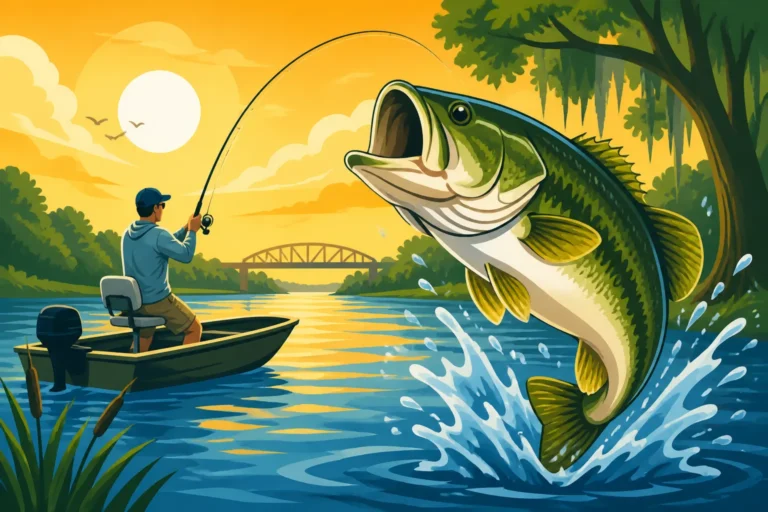
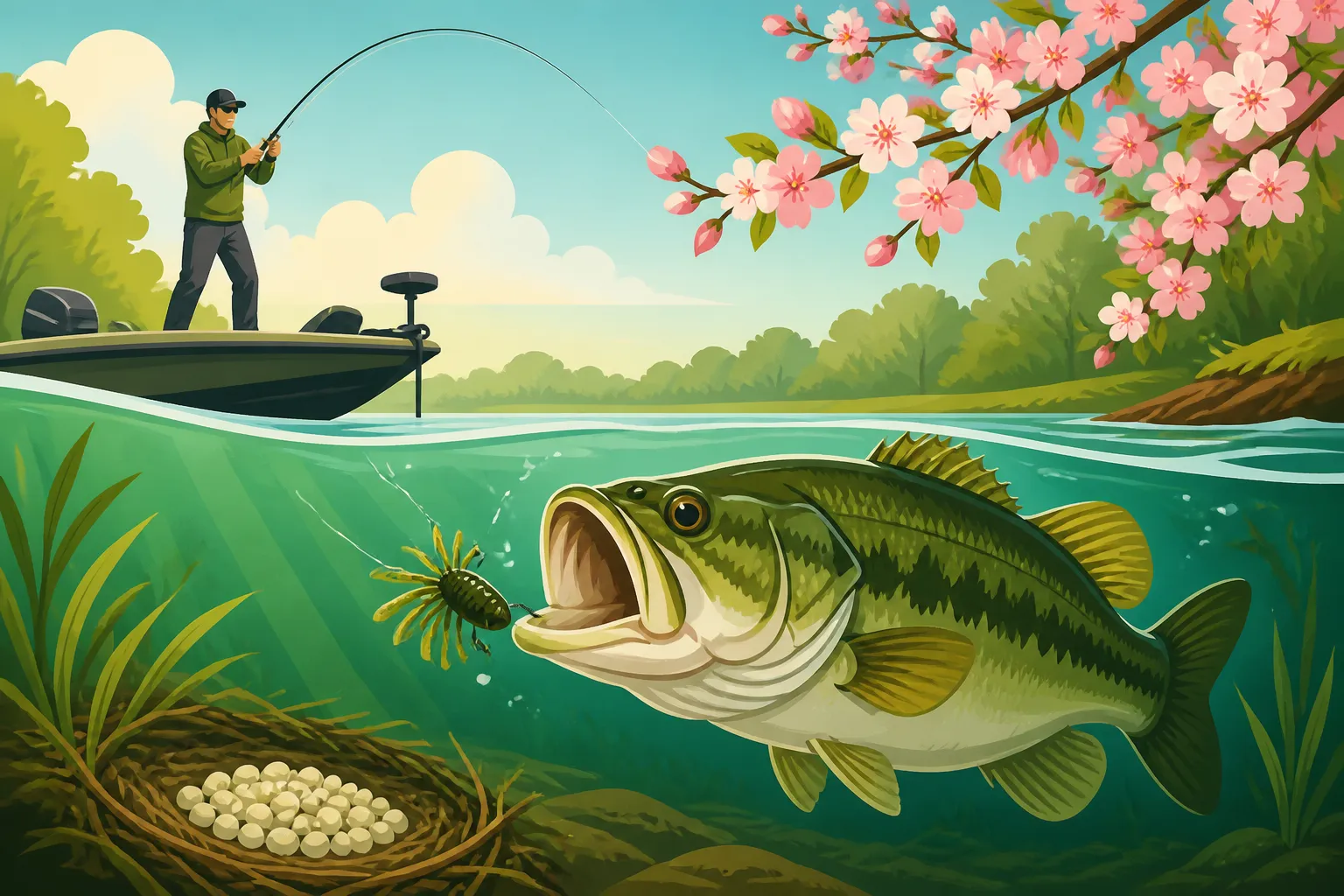
Largemouth bass are arguably the most sought-after game fish during the spring spawn in Mississippi. They typically start moving shallow when water temperatures hit the low 60s, constructing their circular beds in protected, shallow areas. These spots often include sandy or gravelly bottoms near docks, submerged timber, lily pads, or even isolated clumps of grass. What makes them so appealing to anglers during this time is their fierce protectiveness. Once a male bass establishes a bed, its sole mission becomes defending its eggs and fry from anything that comes near.
This defensive instinct means they're often willing to strike lures not out of hunger, but out of a territorial drive. Anglers often sight-fish for bass on beds, carefully presenting a bait to elicit a strike. However, ethical considerations are important here; repeatedly pulling a bass off its nest can leave the eggs vulnerable to predators. If you're targeting bass during the spawn, be mindful of their role in the reproductive cycle. You can learn more about specific tactics in our guide to Largemouth Bass Fishing in Mississippi and understand what you can keep by checking Mississippi Black Bass Regulations.
Crappie: From Pre-Spawn to Post-Spawn Frenzy
Crappie fishing during the spring spawn is legendary in Mississippi, particularly in our northern reservoirs. Both white and black crappie participate, though they have slightly different preferences. White crappie often prefer larger, more open areas with submerged brush or timber, while black crappie tend to gravitate towards denser vegetation and clearer water. Their spawn typically begins when water temperatures climb into the mid-50s and peaks in the low 60s, often a little earlier than bass.
The crappie spawn involves a distinct progression:
- Pre-Spawn: Crappie move from deep wintering holes to staging areas in slightly shallower water, often suspending over brush piles or creek channels. They feed heavily during this phase to build energy for the spawn, making this an excellent time for aggressive tactics like trolling or spider rigging.
- Spawn: Once water temperatures are just right, they move onto their shallow beds, often in 1-8 feet of water, seeking submerged cover like cypress trees, willow bushes, or man-made brush piles. This is when single-pole jigging or bobber fishing with live minnows near cover becomes incredibly effective. You can find detailed strategies in our Crappie Fishing in Mississippi guide. Understanding What Month Do Crappie Spawn in Mississippi? is key, as the timing can vary significantly from year to year and lake to lake. Always check Mississippi Crappie Regulations by Lake for specific local rules.
- Post-Spawn: After spawning, crappie often retreat to slightly deeper water to recover, but they remain catchable. They may school up in brush piles near channels or along ledges. This can be a more challenging period but still offers good opportunities for those who know where to look.
Catfish and Bream: Often Overlooked but Highly Productive
While bass and crappie get most of the attention during the spring, don't overlook the incredible opportunities presented by catfish and bream (bluegill, redear sunfish) during their spawning seasons. These species often spawn a little later than bass and crappie, typically when water temperatures are firmly in the 70s, making them excellent targets as the main "spawn" winds down for other species.
Catfish, particularly channel catfish and flathead catfish, seek out dark, secluded cavities to lay their eggs. This could be hollow logs, undercut banks, rock crevices, or even old tires and culverts. They become very aggressive defending these areas. While noodling is a popular method for targeting spawning catfish, you can also catch them with traditional rod and reel setups by presenting baits near these preferred spawning structures. For more tips, check out our Catfish Fishing in Mississippi guide.
Bream, including bluegill and shellcrackers (redear sunfish), are prolific spawners. They create distinct, circular "beds" clustered together in shallow, sandy, or gravelly areas, often near vegetation. These beds are usually easy to spot in clear water. Their aggressive territorial nature during this time makes them incredibly fun to catch, especially for kids or beginners. A simple setup with a bobber, a small hook, and live bait like crickets or worms can lead to non-stop action. Our guide on Bream and Bluegill Fishing in Mississippi offers more detailed advice. The bream spawn often lasts longer and can have multiple waves throughout the warmer months, providing extended fishing fun.
Top Mississippi Lakes and Rivers for Spring Spawn Fishing
Mississippi boasts an incredible variety of fishing destinations, each offering unique opportunities during the spring spawn. Knowing which bodies of water shine for specific species can help you plan your trips effectively.
North Mississippi Reservoirs: Crappie Hotbeds
When it comes to spring crappie fishing during the spawn, North Mississippi's major flood control reservoirs are legendary. These massive bodies of water are designed with extensive shallow flats and submerged timber, creating ideal spawning habitats.
- Grenada Lake: Often called the "Crappie Capital of the World," Grenada is a must-visit. Its vast shallow flats, especially in areas like Skuna Bottom and the Graysport Crossing, fill with crappie when the water warms. Anglers often find success jigging or using minnows around cypress trees and man-made brush piles. Our Grenada Lake Fishing Guide provides a deep dive into this incredible lake.
- Sardis Lake: Another Northern gem, Sardis offers fantastic crappie action. Look for spawning crappie in the flooded timber of the upper lake or around established brush piles in the bays. Early spring sees great pre-spawn action, while the main spawn brings fish shallow. Check out the Sardis Lake Fishing Guide for detailed information on seasonal patterns and hotspots.
- Enid Lake: Similar to Grenada and Sardis, Enid Lake offers excellent crappie fishing. Its numerous shallow coves and standing timber provide ample spawning habitat. The south side of the lake, particularly areas with submerged structure, can be incredibly productive.
- Arkabutla Lake: Known for its large crappie, Arkabutla can be a bit more challenging to navigate due to its extensive shallow stump fields, but these same features create incredible cover for spawning fish. Patient anglers who can get into these hard-to-reach areas are often rewarded.
These lakes are consistently ranked among the Best Crappie Lakes in Mississippi for a reason, and the spring spawn is when they truly shine.
Central and South Mississippi: Bass and Diverse Opportunities
While the northern reservoirs are crappie magnets, Central and South Mississippi offer fantastic bass fishing and a wider variety of species during the spring spawn, especially in larger reservoirs and river systems.
- Ross Barnett Reservoir: Just northeast of Jackson, "the Rez" is Mississippi's largest lake and a premier destination for both bass and crappie. During the spring, bass move into the shallow grass beds, stumps, and lily pad fields of Pelahatchie Bay and the main lake's coves. Crappie will be found in brush piles and along the banks of the numerous creek arms. For comprehensive tips, refer to the Ross Barnett Reservoir Fishing Guide. The sheer size and diverse habitat here mean that while some areas are crowded, you can always find a secluded spot.
- State Fishing Lakes: Mississippi's network of smaller state-managed lakes, such as Lake Columbia, Lake Mary Crawford, or Lake Okhissa, often offer excellent, more controlled fishing during the spawn. These lakes are typically well-managed and stocked, providing consistent opportunities for bass, crappie, and bream in a less overwhelming environment. They are great choices for family outings.
- Pearl River System: While more challenging to navigate, the Pearl River and its associated oxbows offer excellent opportunities for bass, crappie, and particularly catfish during the spring. The changing water levels of a river system require adaptability, but when the conditions are right, the fishing can be exceptional, especially in backwater areas that warm up quickly.
- Mississippi River: The mighty Mississippi River, with its oxbows, sloughs, and protected backwater areas, also experiences an intense spring spawn. While it’s primarily known for its colossal catfish, its backwater lakes can offer phenomenal bass and crappie fishing as fish move into the calmer, warmer waters to reproduce.
Across the state, if you're looking for the very best spots, our comprehensive guide to the Best Fishing Spots in Mississippi provides even more localized insights. No matter where you are in Mississippi, there's a prime spawning ground waiting for you.
Effective Techniques and Baits for Spring Spawning Fish
Successfully fishing the spring spawn isn't just about knowing where the fish are, but how to present your bait to elicit a strike. Fish behavior during this period is unique, requiring specific tactics to get them to bite.
Targeting Bass on the Beds
When bass are on their beds, they are less concerned with feeding and more focused on protecting their eggs. This means your approach needs to be more about aggravation than attraction.
- Sight Fishing: If the water is clear enough, sight fishing is incredibly effective. You can spot the circular beds and even the bass themselves. Approach quietly, then pitch a lure directly onto or just past the bed.
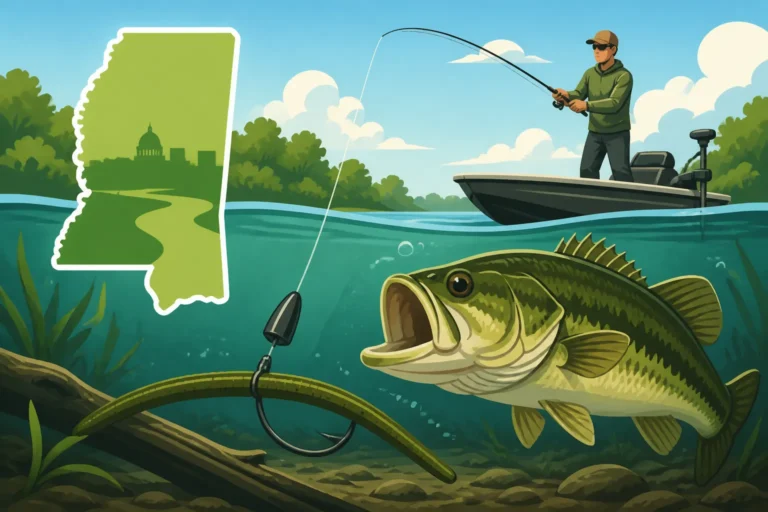
- Pitching Jigs and Soft Plastics: Small jigs (like a 1/4 oz flipping jig in black and blue) or soft plastics are deadly. Creature baits, tubes, and Texas-rigged worms are excellent choices. The key is to let the bait sit on the bed for a moment, then twitch it subtly. The bass will often pick it up and move it away from the bed, or strike it aggressively. These lures mimic a perceived predator or intruder. You can find a huge variety of effective soft plastics and jigs on Amazon to experiment with different colors and shapes.
- Subtle Presentation: Avoid loud, splashy entries. A quiet pitch or flip is best. Sometimes, a slow, painstaking retrieve, allowing the lure to gently "bounce" into the bed, is what it takes. Remember, the goal isn't always to perfectly imitate food, but to annoy the bass into striking. For more specific lure choices, check out our guide on Best Lures for Largemouth Bass.
Crappie Techniques: Jigs, Minnows, and Trolling
Crappie during the spawn can be targeted with a variety of methods, depending on their exact stage and location.
- Live Minnows Under a Bobber: This is a classic and highly effective method. Use a small hook (size 2-6) and a sensitive bobber. Fish the minnow just above or right in the middle of brush piles, stumps, or flooded vegetation where crappie are nesting. Keep your distance and be patient; spawning crappie can be spooky.
- Single Pole Jigging: This is where you use a lightweight rod with a small jig (1/16 oz to 1/8 oz) to probe cover. The color of your jig can make a huge difference, especially in stained water. Chartreuse, white, pink, and black/chartreuse are common favorites. Slowly lower your jig into a brush pile and gently lift and drop it, feeling for the tell-tale tap. For specific tips, our Jig Fishing for Crappie guide is invaluable. Many anglers stock up on a variety of colors and sizes of jigs from Amazon before the spring spawn, as crappie can be very particular.
- Spider Rigging: During the pre-spawn and post-spawn, when crappie are staging in slightly deeper water or moving along ledges, spider rigging is a fantastic technique. This involves using multiple rods (often 4-8) extended from the front of the boat, each with a minnow or jig rig, to cover a wide swath of water at various depths. You slowly troll or drift, allowing you to present baits to entire schools of fish. This is explored further in our Trolling for Crappie on Mississippi Reservoirs guide.
- Best Baits: While live minnows are king for crappie, small soft plastic crappie jigs, often paired with a Bobby Garland or Crappie Magnet head, are incredibly versatile. Experiment with colors and retrieve speeds. Our guide on Best Bait for Crappie in Mississippi delves into these options.
Simple Setups for Bream and Catfish
Sometimes the most effective methods are the simplest, especially for species like bream and catfish during their spawn.
- Bream Beds: For bream, a light action rod, 4-6 lb test line, a small bobber, and a size 8-10 hook is all you need. Live bait like crickets, red worms, or wax worms are irresistible. Look for their distinct "beds" in shallow, sunny areas, often in clusters. Cast beyond the beds and slowly retrieve your bait over them. Small artificial lures like Beetle Spins or tiny poppers on a fly rod can also be incredibly fun and effective.
- Catfish in the Cavities: While trophy catfish might require specialized gear, for those targeting spawning catfish in cavities, a medium-heavy rod, 15-20 lb test line, and a circle hook with cut bait (shad, skipjack) or nightcrawlers is ideal. Drop your bait into or very close to known catfish spawning structures like hollow logs or undercut banks. The bite can be subtle, but the fight is anything but. You can find quality terminal tackle and bait options easily on Amazon to ensure you're ready for these powerful fish.
Navigating Regulations and Conservation During the Spawn
While the spring spawn offers incredible fishing, it's also a critical time for fish populations. Understanding and respecting regulations, along with practicing ethical angling, ensures these resources remain healthy for future generations.
Understanding Limits and Seasons
Mississippi has clear regulations designed to protect its fish populations, and these are particularly important during vulnerable spawning periods. It's not uncommon for specific lakes or regions to have unique rules that differ from statewide limits.
- Statewide Creel and Size Limits: Always be aware of the daily creel limits (how many fish you can keep) and any size restrictions (minimum or slot limits). For example, bass often have a size limit, and crappie limits can vary significantly from lake to lake. These limits are in place to ensure enough fish survive to reproduce and maintain a healthy population balance. You can find a detailed breakdown in our Mississippi Statewide Creel Limits guide.
- Specific Lake Regulations: The Mississippi Department of Wildlife, Fisheries, and Parks (MDWFP) often implements special regulations for individual lakes or reservoirs, especially for crappie. For instance, a lake might have a different crappie size limit or creel limit than the statewide rule. Always consult the most current MDWFP fishing guide or their website before heading out to a new body of water. Ignorance of the law is never an excuse, and penalties can be steep. Our comprehensive Mississippi Fishing Regulations Explained article covers these details extensively.
- Fishing License: Before you even cast a line, ensure you have a valid Mississippi fishing license. Both residents and non-residents need one, with few specific exemptions. Our Mississippi Fishing License Guide breaks down all the requirements and options, and it’s important to know the rules for Mississippi Freshwater Fishing Rules specifically.
Practicing Ethical Angling and Conservation
Beyond simply following the law, ethical angling during the spawn is about respecting the fish and contributing to the sustainability of the fishery. Spawning fish are under immense stress, and proper handling can significantly increase their chances of survival post-release.
- Catch and Release Mindfully: While catching fish off beds can be exciting, consider practicing catch and release, especially for larger breeding females. These fish are vital to the future of the population. If you do keep fish, only take what you need and adhere strictly to limits.
- Minimize Stress: If you plan to release spawning fish, handle them as little as possible. Keep them in the water if you can, unhooking them quickly. Avoid laying them on hot, dry surfaces. Use appropriate tools like dehookers to minimize damage.
- Proper Handling Techniques: When handling a bass or crappie you intend to release, support its body weight horizontally, especially if it's a larger fish. Avoid holding fish vertically by the jaw for extended periods, as this can damage internal organs. Revive a tired fish by holding it gently in the water, allowing water to flow over its gills until it swims away under its own power.
- Protect Spawning Habitat: Be mindful of where you're boating and wading. Avoid disturbing visible spawning beds or shallow areas where fish are likely to be nesting. Our actions on the water have a direct impact on the environment.
By combining an understanding of the rules with a strong conservation ethic, we can all enjoy the thrills of spring spawning season while ensuring healthy fish populations for years to come.
Spring Fishing Beyond the Spawn
While the actual "spawn" phase grabs a lot of headlines, the broader spring season in Mississippi offers several distinct and incredibly productive fishing periods, both before and immediately after the peak spawning activity. Understanding these transitions can help you extend your successful fishing window.
Pre-Spawn Aggression
Before fish move onto their actual beds to spawn, they go through a crucial pre-spawn phase. This is often heralded by water temperatures climbing into the mid to upper 50s. During this time, fish, particularly bass and crappie, are actively feeding and bulking up. They're trying to build energy reserves for the strenuous process of spawning. This often makes them incredibly aggressive and willing to chase down a variety of baits.
- Bass Pre-Spawn: Bass will move from deeper wintering holes to staging areas like points, humps, and creek channel bends adjacent to known spawning flats. They'll be on the hunt for larger meals. This is prime time for throwing aggressive lures like lipless crankbaits, spinnerbaits, bladed jigs (like a Z-Man ChatterBait), and medium-diving crankbaits. The fish are often schooled up and eager to bite, leading to some of the biggest catches of the year. Targeting these staging areas with a fast-moving bait can be incredibly productive for trophy-sized fish.
- Crappie Pre-Spawn: Crappie also stage in similar areas, often suspending over brush piles or along creek channels in 10-20 feet of water near their eventual spawning grounds. This is an excellent time for spider rigging with multiple rods, trolling jigs and minnows, or even vertical jigging over submerged structure. As they feed up, they're often more spread out than during the spawn itself but can be found in large schools.
Post-Spawn Recovery and Patterns
Once the main spawning activity is complete, fish enter a post-spawn recovery phase. This can sometimes be a trickier time for anglers, as fish may be exhausted and less aggressive. However, it's by no means a "bad" time to fish; it simply requires a different approach.
- Bass Post-Spawn: After guarding nests for days, male bass often move to nearby cover or slightly deeper water to recover, while females move out to deeper ledges or main lake points. They can be lethargic but will still feed. Look for them around structure near spawning areas – submerged timber, deeper grass lines, or shaded areas. Topwater lures can be effective during low-light conditions, as can slower presentations of soft plastics or shaky head jigs. The fish are transitioning, and finding those key recovery zones is crucial. Our Mississippi Spring Fishing Guide provides a good overview of how to target fish throughout the entire spring season.
- Crappie Post-Spawn: Crappie, particularly females, often move to deeper brush piles, channel ledges, or main lake structure to recuperate. They may suspend over these structures. Males will often guard fry for a period before moving out. Slow trolling or vertical jigging in deeper water becomes effective again, as does fishing with live minnows near established brush piles in 15-25 feet of water. Don't be surprised if you find them in similar areas to where they staged during pre-spawn, just in slightly deeper sections.
Understanding these different phases of the spring season—pre-spawn, spawn, and post-spawn—allows you to adapt your techniques and greatly increase your chances of success, no matter when you hit the water in Mississippi.
| Species | Ideal Water Temp (°F) | Typical Depth (feet) | Preferred Habitat | Go-To Baits/Lures |
|---|---|---|---|---|
| Largemouth Bass | 60-70 | 1-5 | Shallow flats, woody cover | Jigs, soft plastics (tubes, worms), swimbaits |
| Crappie | 55-65 | 1-8 | Brush piles, docks, lily pads | Live minnows, small jigs (chartreuse, white) |
| Bluegill/Bream | 70-75 | 1-3 | Sandy bottoms, vegetation | Crickets, worms, small poppers |
| Catfish | 70-80 | 5-15 (near structure) | Cavities, logs, undercut banks | Cut bait, stink baits, worms |
Disclaimer
Fishing conditions and regulations in Mississippi can change. Always consult the latest Mississippi Department of Wildlife, Fisheries, and Parks (MDWFP) official regulations before heading out. This guide is for informational purposes only and should not replace official sources.