Bait Fish Native to Mississippi Lakes
You've hit the lakes of Mississippi with all your gear, got your Mississippi Fishing License Guide in hand, and a hopeful heart, only to find the fish are being a bit finicky. It's a common frustration, isn't it? Sometimes, the key to unlocking those stubborn bites isn't a fancy new lure, but rather the oldest trick in the book: using bait that the fish recognize and already love to eat. This guide is all about diving deep into the world of bait fish native to Mississippi's lakes, helping you understand what they are, why they work so well, and how to use them to your advantage for a more successful fishing trip.
Why Native Baitfish Are Your Secret Weapon
There's a reason why the seasoned anglers often swear by live bait, and specifically, local live bait. It's not just folklore or tradition; it's deeply rooted in the natural predatory instincts of the fish you're trying to catch. When you offer a fish something it encounters every single day in its natural habitat, something it's evolved to recognize as food, your chances of getting a bite skyrocket.
Mimicking the Natural Food Source
Think about it from a bass's perspective in Ross Barnett Reservoir, or a crappie's in Grenada Lake. They spend their entire lives foraging for food within their immediate environment. Their eyes, their lateral lines, their entire sensory system, are tuned to detect the movement, scent, and appearance of the baitfish species that are abundant in their particular lake or river system. When you throw out a live gizzard shad in a lake teeming with gizzard shad, it's not a foreign, suspicious object; it's simply another meal, looking and behaving exactly like countless meals they've eaten before. This familiarity reduces their wariness significantly, making them much more likely to strike. This natural appeal is why understanding what's native to your specific fishing spot can dramatically improve your catch rate.
Ecological Benefits and Regulations
Beyond just effectiveness, using native baitfish has important ecological considerations. The Mississippi Department of Wildlife, Fisheries, and Parks (MDWFP) often encourages the use of local bait to prevent the accidental introduction of non-native species into a watershed. Introducing foreign species, even inadvertently, can have devastating effects on the local ecosystem, outcompeting native fish for food, introducing diseases, or disrupting the natural balance. This is why you'll find specific rules outlined in the Mississippi Fishing Regulations Explained regarding the transport and use of certain baitfish. Being mindful of these regulations not only protects our beautiful Mississippi waters but also ensures that the fish populations remain healthy for future generations to enjoy. Always check the current guidelines to ensure you're fishing responsibly and legally.
Key Native Baitfish Species in Mississippi Lakes
Mississippi's diverse waterways, from the large reservoirs to smaller state fishing lakes, are home to a rich variety of baitfish. Knowing these species is the first step to harnessing their power as bait.
Shad Species: Gizzard and Threadfin
When you talk about baitfish in Mississippi reservoirs, shad are almost always at the top of the list. They are a primary forage fish for almost every predatory species, from Largemouth Bass Fishing in Mississippi to Catfish Fishing in Mississippi and even larger Striped Bass Fishing in Mississippi.
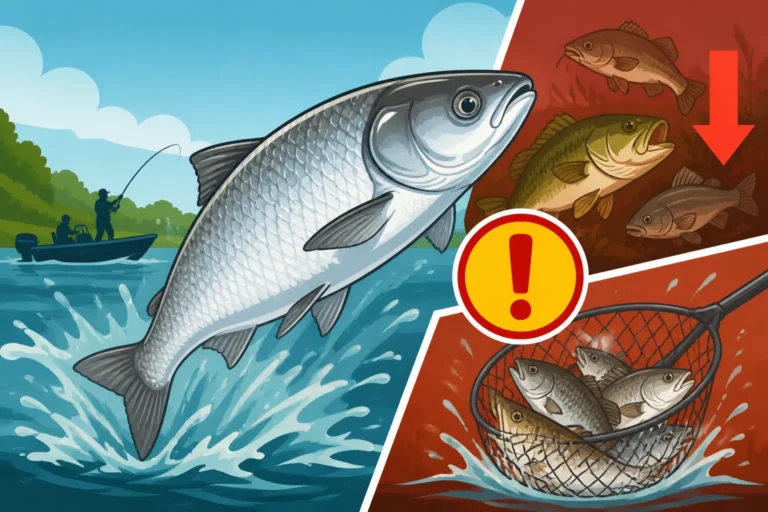
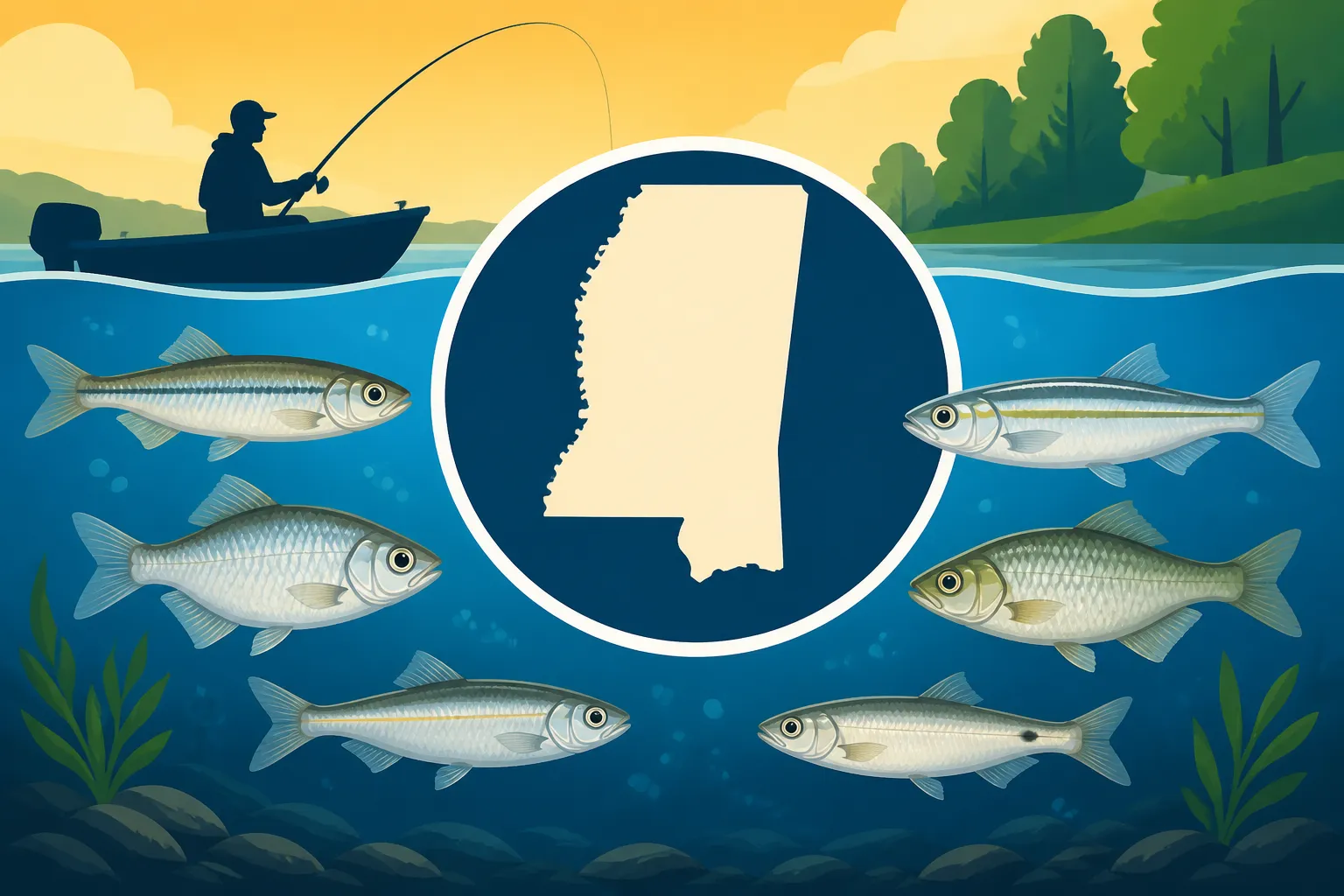
Gizzard Shad: These are generally larger, often reaching lengths of 8-12 inches, sometimes even more. They have a distinct gizzard, hence the name, and are typically found in murky or turbid waters, as well as clearer lakes. Gizzard shad are incredibly hardy once caught and can provide a substantial meal for bigger game fish. They tend to school in open water and near deeper channels. Their larger size makes them particularly attractive to trophy-sized bass, blue catfish, and even alligator gar. Anglers often target them with cast nets in open water or along creek channels.
Threadfin Shad: Smaller than their gizzard counterparts, threadfin shad usually max out around 4-6 inches. They are a more slender fish, silvery, and are characterized by a long, thread-like filament on their dorsal fin. Threadfins are often found in clearer water and are more susceptible to cold water temperatures, which can lead to large die-offs in winter. These smaller shad are an absolute favorite for Crappie Fishing in Mississippi and smaller bass. They are often targeted by casting nets around points, submerged humps, or under bridges where they school. Both species are readily available and highly effective, making them a staple for many Mississippi anglers.
Minnows and Shiners
While "minnow" is often used as a catch-all term for any small baitfish, true minnows and shiners represent several distinct species that are vital food sources in Mississippi's lakes and rivers. These small, shimmering fish are perfect for a variety of panfish and smaller game species.
Golden Shiners: These are perhaps the most popular "store-bought" minnow for anglers, but they are also native to many Mississippi waters. Golden shiners can grow quite large, sometimes exceeding 8-10 inches, making them versatile bait for both crappie and bass. Their vibrant color and lively action are irresistible. They prefer clear, vegetated waters and are often found in creeks and shallow lake areas. You can often catch them using minnow traps or small cast nets in these areas.
Fathead Minnows: A smaller, more robust minnow, fatheads are often raised commercially but are also native. They are excellent for panfish like bream and smaller crappie, or even as supplemental bait for larger species. They are incredibly hardy and tolerate a wide range of water conditions, making them easy to keep alive. While not as flashy as shiners, their subtle movements and scent are very effective. They typically inhabit shallow, slow-moving waters and are easily caught with traps. Many anglers find that having a bucket of these on hand, especially for lighter tackle, can turn a slow day into a productive one.
Sunfish and Bream Family
The term "bream" in Mississippi often refers to a variety of sunfish, and many of these vibrant, feisty fish make exceptional live bait for larger predators. They're readily available and incredibly effective.
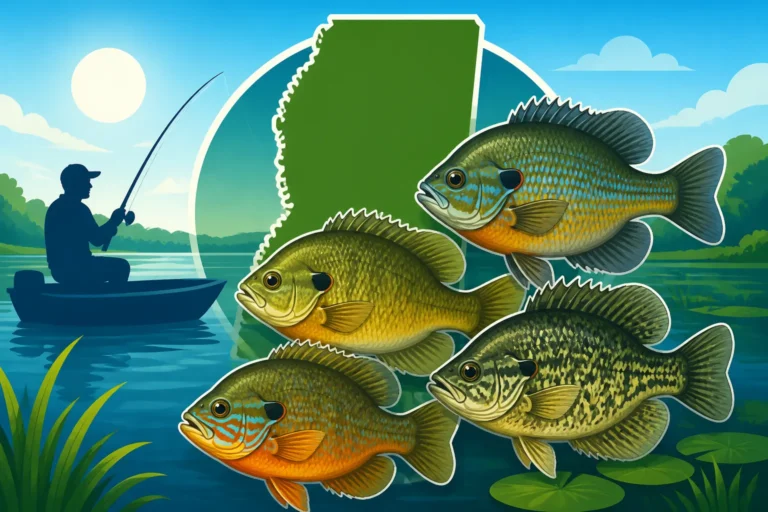
Bluegill: The ubiquitous bluegill, a favorite target for kids and adults alike, is also an absolutely phenomenal baitfish for larger predators. Their aggressive nature and broad profile make them very attractive to big bass, flathead catfish, and even trophy stripers. Bluegill are hardy and can withstand being fished in various conditions. They are easily caught on small hooks with crickets, worms, or small pieces of bread. When using them as bait, you're essentially presenting a predator with a substantial, high-protein meal it frequently hunts. Bream and Bluegill Fishing in Mississippi goes into more detail about catching these fish for sport, but the same techniques apply to catching them for bait.
Redear Sunfish (Shellcrackers): Slightly less common as bait than bluegill, but equally effective, redear sunfish are another excellent option, especially for larger bass and catfish. They get their "shellcracker" nickname from their ability to crush snails and mussels, which forms a significant part of their diet. Like bluegill, they are quite hardy and offer a robust presentation. Catching them for bait is similar to bluegill, often found on the bottom near weed beds or shell beds using worms or small jigs. When fishing for particularly large catfish or bass, a lively redear can be the ultimate offering.
These native sunfish are prime candidates if you’re looking to catch a real monster, as bigger fish are often looking for a bigger meal. Always check the Mississippi Fishing Creel and Size Limits as well as general regulations, as there may be restrictions on using game fish as bait in certain areas or for certain species.
How to Catch Your Own Native Bait
Now that you know what to look for, let's talk about how to get your hands on these incredible natural baits. Catching your own bait can be a rewarding part of the fishing experience, often saving you money and ensuring you have the freshest, most lively bait available.
Cast Net Techniques
The cast net is perhaps the most efficient tool for gathering schooling baitfish like shad and shiners. It takes a bit of practice to throw one effectively, but once mastered, it's invaluable.
Choosing the Right Net: For most Mississippi lakes, a 6-foot or 8-foot radius cast net with a 3/8-inch mesh size is a good all-around choice. A smaller mesh might catch more tiny bait but can be harder to throw and clean. A heavier net will sink faster, which is often crucial for catching fast-moving schools. You can find quality cast nets online, including on platforms like Amazon, where a good selection is usually available.
Where and How to Throw: Look for signs of baitfish near boat ramps, docks, bridge pilings, or open water where you see surface activity. Early mornings or late evenings are often the best times. When you spot a school, approach quietly and throw your net over them. The key is to get the net to open fully and sink quickly, trapping the fish inside. Practice in your yard or a shallow area first to get the motion down. Remember, stealth is key – a noisy approach will send the school scattering.
Seining and Trapping
For smaller minnows, particularly in shallower waters, seining and trapping can be very effective and less physically demanding than repeatedly throwing a cast net.
Seining: A seine net is a long, rectangular net with weights on the bottom and floats on the top, typically used by two people. You wade through shallow water, holding the ends of the net, sweeping it through vegetation, along the bank, or over shallow flats. This method is excellent for catching various minnows, small shiners, and even juvenile sunfish. It's often productive in small creeks or the shallow margins of larger lakes. Just be mindful of obstacles that can snag or tear your net.
Minnow Traps: These are cage-like traps, often made of wire mesh or plastic, designed to let small fish in but not out. You place bait inside (like bread, crackers, or cornmeal) and submerge the trap in shallow water, near docks, weed beds, or along shaded banks. Leave it for a few hours or overnight. Minnow traps are fantastic for catching a steady supply of various minnows and small shiners without constant effort. You can find robust, foldable minnow traps perfect for your tackle box or boat on Amazon, making them a convenient option for any angler. Is It Legal to Catch Your Own Bait Fish in Mississippi? is a good resource to consult regarding the legality of these methods.
Rod and Reel for Sunfish
Catching bluegill, redear sunfish, or other small panfish for bait is often the easiest and most enjoyable method, especially if you have kids along for the trip.
Simple Setup: A light action rod with a small spinning reel, spooled with 4-6 pound test line, is perfect. Use a small hook (sizes 6-10), a tiny split shot weight a few inches above the hook, and a small bobber if you prefer.
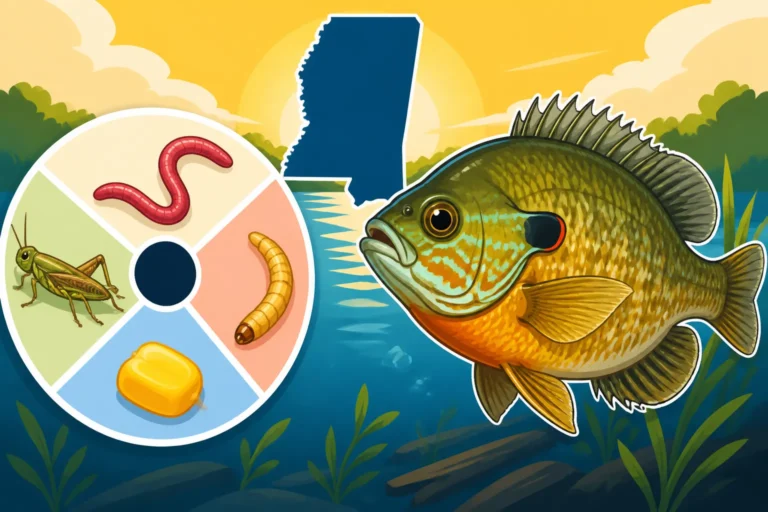
Effective Baits: Crickets are king for bluegill, but small pieces of worm (nightcrawlers, red wigglers), corn, or even tiny pieces of hot dog work wonderfully. Target areas with submerged brush, lily pads, docks, or shaded banks. Bluegill are almost always hungry and usually bite readily. This method guarantees fresh, lively bait every time, and you can pick out the ideal size for your target species. It's also a great way to introduce new anglers to the sport.
Here's a quick comparison of common bait-catching methods:
| Method | Primary Bait Type | Best Locations | Pros | Cons |
|---|---|---|---|---|
| Cast Net | Shad, larger Shiners | Open water, near docks, bridge pilings, creek channels | Very efficient for large schools, fast | Requires skill to throw, can be physically demanding |
| Seine Net | Minnows, small Shiners, juvenile Sunfish | Shallow water, weed beds, creek edges | Covers wide area, good for various small bait | Requires two people, less effective in deep water |
| Minnow Trap | Minnows, small Shiners | Shallow water, near structure, submerged logs | Low effort, can be left overnight, consistent | Slower results, might attract non-target species |
| Rod & Reel | Bluegill, Redear Sunfish | Docks, brush piles, lily pads, shaded banks | Targeted size selection, fun, minimal equipment | Slower for large quantities, may catch non-bait fish |
Using Native Bait Effectively
Once you've got a bucket full of lively native bait, the next step is to keep them healthy and rig them properly to maximize your chances of success. A dead or lethargic baitfish isn't going to fool any smart predator.
Keeping Bait Alive and Lively
Nothing turns off a game fish faster than a dead or dying bait. Keeping your native baitfish lively is paramount.
Aeration and Water Quality: A good aerator is non-negotiable for live bait. It constantly replenishes oxygen in the water, mimicking a natural environment. Portable aerators, often battery-powered, are readily available, including a wide range of reliable options on Amazon. A well-insulated bait bucket or livewell is also crucial to maintain a stable water temperature, especially during hot Mississippi summers. Extreme temperature fluctuations can quickly stress and kill baitfish. Avoid overcrowding your bait container; more space per fish means more oxygen and less stress.
Water Changes and Conditioning: Periodically changing a portion of the water in your bait bucket with fresh lake water can help remove waste and maintain water quality. Some anglers even "condition" their bait by adding a small amount of rock salt to the water, which helps fish recover from stress and improves their slime coat. Keeping the water clean, cool, and oxygenated will ensure your bait is kicking and swimming, making it far more appealing to a hungry predator. If you're keeping minnows for an extended period, you might want to read up on How to Keep Minnows Alive Longer.
Rigging Strategies for Different Baitfish
The way you present your live bait can make a huge difference. Different baitfish, and different target species, call for varied rigging techniques.
Shad: When fishing with live shad, especially gizzard shad for larger bass or catfish, the goal is often to let the bait swim naturally.
- Back Hooking: Hook a large single hook or treble hook just behind the dorsal fin. This allows the shad to swim freely and naturally. This is excellent for slow trolling or drifting.
- Nose Hooking: For casting or fishing under a bobber, hooking the shad through the nose or lips can keep it lively while allowing it to dart around. This is particularly effective for Best Bait for Crappie in Mississippi when using smaller shad or for bass in cover.
- For Catfish: When targeting big Blue Catfish Fishing in Mississippi or Flathead Catfish Habits and Habitat with larger shad, some anglers will cut the shad into chunks (cut bait). The scent trail from cut bait is incredibly effective for attracting catfish, especially in murky waters. However, a lively whole shad can often entice a larger, more aggressive strike.
Minnows and Shiners: These smaller baits are typically used for crappie, white bass, or smaller largemouth.
- Lip Hooking: For crappie and other panfish, hooking a minnow lightly through both lips from the bottom up allows it to swim freely. Use a small, light wire hook so as not to impede its natural movement.
- Dorsal Hooking: Similar to shad, hooking a minnow just behind the dorsal fin is another common method, especially when fishing under a float or for vertical jigging.
Sunfish (Bream): Live bluegill or redear sunfish are prime bait for trophy-sized predators.
- Dorsal Hooking (Big Bass/Catfish): Hook a sturdy, sharp hook (often a circle hook to prevent gut-hooking) just behind the dorsal fin, being careful not to hit the spine. This allows the bream to swim and struggle, sending out distress signals that attract large fish.
- Through the Tail (Trolling): For slow trolling, hooking a bream through the tougher part of its tail section can make it swim erratically, mimicking a wounded fish, which is very enticing to large bass or even flatheads. Always use heavy-duty tackle when fishing with live bream, as the strikes can be brutal!
Matching Bait to Target Species
Understanding which native baitfish are most appealing to your target species is a crucial part of the puzzle.
For Largemouth Bass: Bass are opportunistic predators and will eat almost anything, but they absolutely gorge on shad and sunfish. Use larger threadfin or small gizzard shad for active bass, especially when they are schooling or feeding on baitfish. For trophy bass, a 4-6 inch bluegill or redear sunfish fished around heavy cover or deep structure can be incredibly effective. The Best Time of Year to Fish in Mississippi for bass often coincides with active baitfish movements.
For Crappie: Crappie are finicky but love minnows and small shad. Small threadfin shad or fathead minnows (1-3 inches) are ideal. Use them under a bobber around brush piles, submerged timber, or bridge pilings. A lively minnow struggling will often draw a strike when artificial lures fail. For more specific crappie insights, check out Crappie Fishing Techniques for Mississippi Lakes.
For Catfish: Catfish, especially big blue and flathead catfish, are voracious eaters of shad and various sunfish. Larger gizzard shad (whole or cut) are excellent for blues. For flatheads, a lively, 4-8 inch bluegill or other sunfish is often the bait of choice, as flatheads prefer live prey. Fish these baits on the bottom, often near deep channels, river bends, or log jams. Understanding What Catfish Eat in Mississippi Rivers can help you choose the most effective native bait.
Using native bait isn't just a strategy; it's a way of connecting with the natural rhythm of the lake. By understanding and utilizing the baitfish that naturally thrive in Mississippi's waters, you're not just fishing; you're becoming a more skilled and knowledgeable angler, ready to tackle whatever the fishing season throws your way.
Disclaimer
This article is for general informational purposes only and does not constitute professional advice. Laws, prices and regulations vary by location and change over time. Consult a qualified professional for guidance on your specific situation.