How to Catch Suspended Crappie in Deep Water
It can be incredibly frustrating to hit your favorite Mississippi lake, knowing there are crappie down deep, but you just can't seem to get a bite because they're not holding to traditional cover. Often, those wily slabs aren't glued to the bottom or submerged brush piles, but rather hanging out, suspended in the water column. This guide is here to unravel the mystery of how to pinpoint and effectively catch those elusive suspended crappie, transforming your deep water challenges into memorable fishing successes.
Understanding Why Crappie Suspend
Before you can catch suspended crappie, you need to understand why they choose to hang out in open water, seemingly without a care in the world. It’s not random; there’s always a reason. These reasons often revolve around comfort, food, and environmental factors that push them away from the lakebed or obvious structure.
Following the Baitfish
One of the most common reasons crappie suspend is because they are actively hunting or waiting to ambush baitfish. Shad, minnows, and other small forage fish often school up in open water, and these schools can be found at various depths depending on water temperature, oxygen levels, and available food. Crappie, being opportunistic predators, will follow these schools. If the bait is suspended at 15 feet over a 40-foot bottom, you can bet the crappie will be right there with them, or just below, looking up for an easy meal.
This behavior is particularly common in large reservoirs where baitfish have vast areas to roam. Think about a huge lake like Ross Barnett or Sardis. The sheer volume of water means bait isn't always tied to the bank or structure. Sometimes, the most efficient way for crappie to feed is to simply track the bait. If you see clouds of baitfish on your sonar, look closely for arches or dots within or just below those clouds – those are your crappie. Understanding Crappie Diet and Feeding Habits can give you an edge here, as knowing what they prefer helps in lure selection.
Thermoclines and Comfort Zones
Another crucial factor influencing suspended crappie is the thermocline. During warmer months, especially summer, many Mississippi lakes develop a thermocline, which is a layer of water where the temperature changes rapidly with depth. Above the thermocline, the water is warmer and usually has good oxygen. Below it, the water gets colder, but often the oxygen levels can drop significantly, making it less hospitable for fish.
Crappie will often suspend right at or just above the thermocline, in that sweet spot where the water temperature is ideal for their metabolism and there's still plenty of oxygen. This comfort zone might be 10, 20, or even 30 feet down, regardless of how deep the bottom is. It's a goldilocks zone where they can regulate their body temperature and breathe easily. Locating this thermocline with your electronics is key to finding these temperature-sensitive fish. This is especially relevant when considering How Deep Do Crappie Go in Summer.
Pressure and Weather Changes
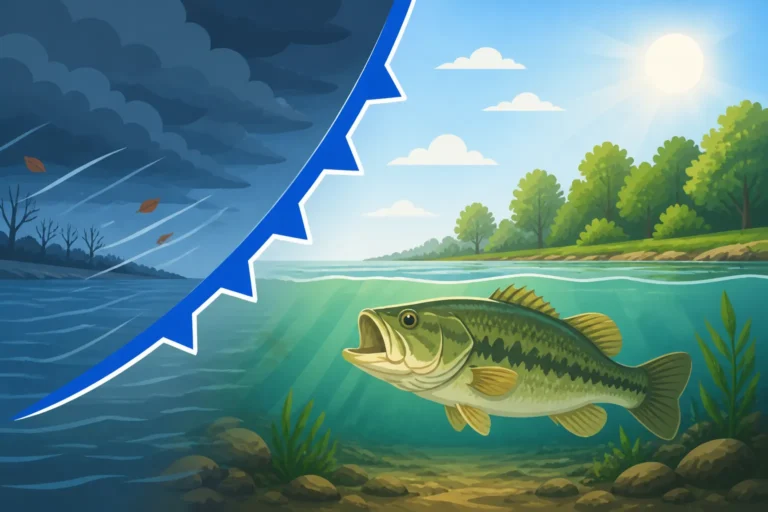
Crappie are sensitive to changes in atmospheric pressure and sudden weather shifts, which can also cause them to suspend. For example, after a strong cold front rolls through, crappie often become less active and might move off cover, suspending in deeper water until conditions stabilize. They might move to a more neutral buoyancy, waiting out the uncomfortable changes in a less energy-intensive position.
Similarly, changes in water clarity can influence their behavior. If a heavy rain stirs up shallow areas, pushing muddy water into the lake, crappie might retreat to deeper, clearer water. They won't necessarily hug the bottom there if the clarity isn't optimal, but rather suspend where visibility improves, still allowing them to see approaching baitfish or your lure. This sensitivity means you always need to be thinking about how the conditions above and below the water are affecting the fish.
Gearing Up for Suspended Deep Water Crappie
Successfully tackling suspended crappie requires more than just a good understanding of their behavior; you need the right tools in your arsenal. This isn't your grandma's cane pole fishing – precision, sensitivity, and advanced electronics are key.
Essential Electronics: Your Eyes Underwater
Modern sonar technology is absolutely indispensable when it comes to finding suspended crappie. Without it, you're essentially fishing blind in a massive swimming pool.
- 2D Sonar: This is your basic bread and butter. It shows you fish arches, baitfish schools, and changes in bottom contour directly beneath your boat. You'll be looking for those tell-tale arches hovering above the bottom line, or even within bait balls. Most quality fish finders, which you can easily find on platforms like Amazon, offer excellent 2D sonar capabilities.
- Down Imaging (DI): Down imaging gives you a photo-like view directly below your boat, showing much clearer detail of structure and fish. You can often differentiate between a brush pile and a school of baitfish, and more clearly see individual crappie holding near or within that suspended bait. It helps confirm what your 2D sonar is telling you.
- Side Imaging (SI): This is a game-changer for covering vast expanses of water quickly. Side imaging sends sonar beams out to the sides of your boat, painting a picture of the bottom and water column up to hundreds of feet on either side. You can literally scan wide areas for baitfish schools and crappie holding off to the side, then steer your boat over them. This is invaluable for finding those otherwise invisible suspended schools.
- GPS and Mapping: Once you find a productive suspended school, mark it as a waypoint on your GPS. This allows you to return to the exact spot, even if you drift off or need to make another pass. Mapping also helps you identify deep water channels, humps, and ledges where crappie might gravitate before suspending. Learning to utilize these tools is critical for Reading a Fish Finder for Crappie.
Rods, Reels, and Line for Sensitivity
When crappie are suspended, they can often be finicky, meaning light bites are the norm. You need a setup that allows you to feel even the slightest tap.
- Rods: Look for light to medium-light action rods, typically 6 to 9 feet in length. Graphite rods are excellent because of their sensitivity, allowing vibrations from a subtle bite to transmit clearly to your hand. Longer rods can be advantageous for keeping multiple lines spread out (if spider rigging) and for better hooksets over deeper water. A sensitive tip is paramount.
- Reels: Small spinning reels are the most popular choice for crappie fishing due to their ease of use and ability to handle lighter lines and baits. A smooth drag system is also important, especially if you hook into a bigger slab.
- Line: This is where many anglers make a mistake. Heavy line will hinder your ability to feel those light bites.
- Monofilament: 4-6 lb test monofilament is a classic choice. It has good stretch, which can be forgiving, and is fairly abrasion resistant.
- Fluorocarbon: Becoming increasingly popular, 4-6 lb test fluorocarbon has less stretch than mono, providing superior sensitivity and a more direct feel. It's also virtually invisible underwater, which can be a huge advantage with wary, suspended crappie.
- Braided Line (with leader): For the ultimate in sensitivity and strength, some anglers use 10-15 lb test braided line as their main line, tying a 4-6 lb fluorocarbon leader to the end. The braid offers zero stretch, allowing you to feel everything, while the fluorocarbon leader maintains stealth. When choosing your line, consider the options described in Choosing the Right Rod and Reel for Mississippi Fishing.
Baits and Lures for Suspended Crappie
The best bait often depends on the mood of the fish and what they are feeding on. Always be prepared with a variety.
- Live Minnows: Live minnows are a universal crappie catcher and are often irresistible to suspended fish. Hook them lightly through the lips or just behind the dorsal fin. Size matters – match the hatch to the local baitfish. You can buy minnow buckets and aerators on Amazon to keep them lively.
- Jigs: Small plastic jigs are incredibly versatile.
- Tube Jigs: These mimic small baitfish or crustaceans and come in a myriad of colors.
- Grub Tails: Curl-tail grubs provide excellent action, even with a slow retrieve or simply hanging motionless.
- Hair Jigs: Often overlooked, hair jigs can be deadly, especially in clearer water, offering a subtle, natural presentation.
- Colors: Experiment with colors. On bright, sunny days and clear water, natural colors like white, pearl, or grey often work well. In darker or stained water, chartreuse, pink, or orange can stand out better. Have a selection available to adapt to conditions.
- Small Crankbaits: Occasionally, especially if crappie are aggressively chasing bait, small crankbaits that dive to the depth of the suspended fish can be effective. They offer a different presentation and can draw reaction strikes.
- Jig Heads: Match the jig head weight to the depth you're fishing and the sensitivity needed. 1/16 oz, 1/8 oz, and 1/4 oz are common. Lighter heads for slower falls and more subtle presentations; heavier for quicker drops and windy conditions. Understanding Best Bait for Crappie in Mississippi and Live Bait vs Artificial Lures for Mississippi Crappie will help you refine your choices.
Effective Techniques for Catching Suspended Crappie
Once you've located those suspended crappie with your electronics and geared up appropriately, it's time to present your bait in a way that tempts them to bite. There are several proven techniques, and often, the most successful day involves switching between them to see what the fish prefer.
Spider Rigging for Wide Coverage
Spider rigging is a fantastic technique for covering water and presenting multiple baits at different depths and distances from the boat, making it ideal for finding and catching widely dispersed suspended crappie. It gets its name from the appearance of a boat with multiple rods extending out like spider legs.
- Setup: You'll typically use 4 to 8 (or even more, depending on regulations and personal preference) long crappie rods, usually 10-16 feet, mounted in rod holders around the boat. Each rod will have a weight and a jig or minnow rig set at a specific depth.
- Presentation: The boat moves very slowly, often with an electric trolling motor, at speeds typically less than 1 MPH. This allows the baits to present vertically as you slowly drift or motor along, passing over suspended crappie. You can adjust the depth of each bait until you find the sweet spot where the fish are biting. Some anglers use a double-jig rig on each line, further increasing their chances. Spider Rigging Techniques offers a more in-depth look at setting this up.
- Advantages: This method allows you to experiment with different depths, bait types, and jig colors simultaneously. Once a pattern emerges, you can adjust all your lines to match. It's particularly effective when crappie are scattered over a wide area or when you're searching for their preferred depth. The slow, controlled presentation is often irresistible to suspended fish.
Vertical Jigging and Dropping
When you've pinpointed a tight school of suspended crappie directly beneath your boat, vertical jigging or simply dropping your bait to their level can be incredibly effective. This technique is more precise and target-oriented.
- Spot-on-Spot: Use your trolling motor and sonar to hold directly over the suspended school. This is where your GPS waypoint comes in handy.
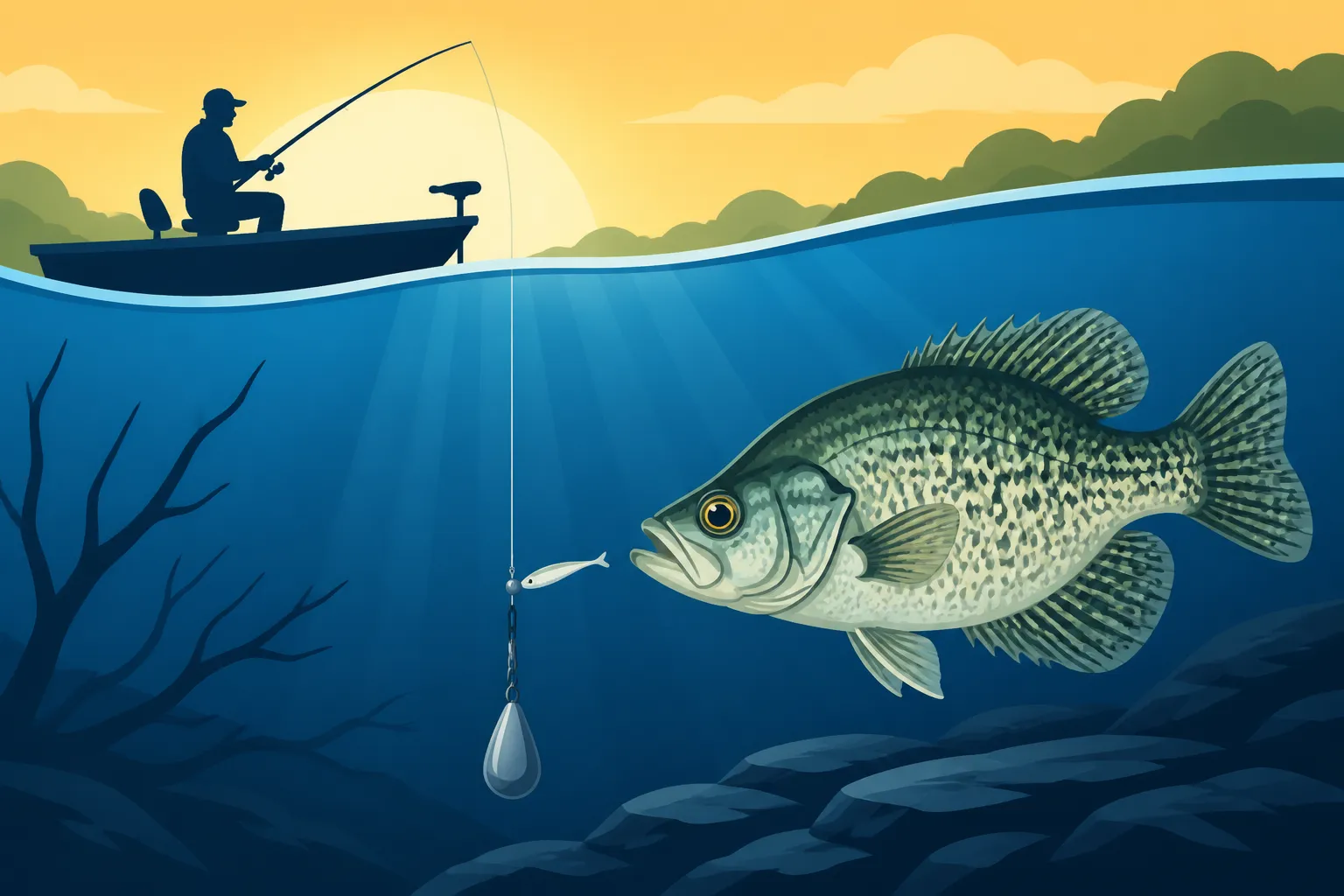
- Drop and Hold: Lower a single jig or a minnow on a hook directly into the strike zone. Watch your sonar: if you see a fish at 15 feet, drop your bait to 14 or 15 feet. Sometimes, just holding it still, perhaps with a very slight tremble from your hand, is enough to entice a bite.
- Subtle Jigging: Other times, a subtle jigging motion is required. This could be a gentle lift and fall, or a short, sharp twitch. The key is usually subtlety. Aggressive jigging can often spook suspended crappie, so start light and increase action if needed. Always pay attention to how the crappie respond. If they move away on your screen, you're likely being too aggressive.
- Slip Bobbers: For a simpler vertical presentation, especially if you want to remain stationary, a slip bobber rig can be excellent. Set the bobber stop to the depth where crappie are suspended, then cast your minnow or jig. The bobber keeps your bait at the precise depth without constant manual adjustment. This is a common technique described in Crappie Fishing Techniques for Mississippi Lakes.
Slow Trolling for Deeper Depths
Trolling is another excellent way to cover water and present baits to suspended crappie, especially if they are holding deeper or are spread out along a distinct depth contour. Unlike spider rigging which is often slower and more focused on vertical presentation, trolling can involve slightly faster speeds and baits that run a bit behind the boat.
- Power Trolling: This involves using your boat's main engine or a larger kicker motor to troll at slightly faster speeds than spider rigging, often up to 2-3 MPH. This technique is particularly good for searching vast areas for active schools. You might use jigs, small crankbaits, or even Road Runner-style spinnerbaits that have built-in action.
- Long-Lining: This method involves letting out a significant amount of line, often 100 feet or more, behind the boat. The weight of the line itself, combined with the lure, will dictate the running depth. By varying line weight, lure type, and trolling speed, you can precisely control the depth of your presentation. This can be great for presenting to crappie that are very wary of the boat.
- Precision and Depth Control: Pay close attention to your electronics while trolling. If you see crappie suspended at 20 feet, adjust your baits (e.g., add weight, change lure type, alter trolling speed) until they are consistently running at that exact depth. The goal is to keep your bait in the strike zone as long as possible. Many specialized crappie trolling lures are available, including those found on Amazon, designed to run true at specific depths. More details on this can be found in Trolling for Crappie on Mississippi Reservoirs.
| Technique | Best for Conditions | Typical Speed | Key Gear | Pros | Cons |
|---|---|---|---|---|---|
| Spider Rigging | Scattered crappie, searching, light bites | Very slow (0.5-1 MPH) | Multiple long rods, rod holders, trolling motor | Covers wide area, multiple depths, subtle presentation | Requires specific setup, can be complex for beginners |
| Vertical Jigging | Tight schools, precise depth, stationary boat | Stationary or slow drift | Sensitive rod, single jig/minnow, precise electronics | Pinpoint accuracy, good for finicky fish | Less coverage, requires constant boat positioning |
| Slow Trolling | Covering water, active schools, deeper depths | Slow (1-2.5 MPH) | Shorter rods, crankbaits/jigs, main motor/kicker | Efficient for searching, triggers reaction bites | Can be too fast for finicky fish, less subtle |
Seasonal Adjustments and Reading the Conditions
Crappie behavior, especially their tendency to suspend, is heavily influenced by the time of year and prevailing environmental conditions. Becoming a successful suspended crappie angler means being able to adapt your approach based on what the water and weather are telling you.
Spring and Fall Transitions
During the spring and fall, crappie are often in transition, moving between their shallow spawning grounds and deeper summer/winter haunts. In spring, before the full spawn, crappie might stage in deeper water near creek channels, points, or submerged timber, often suspending at these key transition areas before pushing into the shallows. Similarly, in the fall, as water temperatures drop, crappie will move out of the shallows and often suspend over deeper channels or humps, following schooling baitfish that are also moving deeper.
For instance, in early spring when the water is still chilly, crappie might suspend 10-15 feet deep over a 30-foot channel drop-off. They're waiting for that water to warm up just a little more before making their move. In the fall, as water temperatures drop from the mid-70s into the 60s, crappie might be found suspending at similar depths, gorging on shad before the winter cold sets in. Knowing Mississippi Fishing Seasons Calendar will help you anticipate these movements.
Summer Heat and Winter Chill
Summer often sees crappie suspending more consistently due to the formation of thermoclines and the need to find cooler, oxygen-rich water. They'll follow baitfish that also seek these conditions. You might find them suspended over main lake humps, deep points, or even in the middle of large coves where bait is plentiful and the thermocline provides a comfortable environment. Sometimes, they will be very deep, even 25-30 feet, especially in larger reservoirs.
Conversely, in winter, while many crappie might hold tight to deep structure, others will suspend. This is especially true if the baitfish are suspending. Crappie are still cold-blooded, and while they can tolerate colder water, they'll often position themselves to conserve energy. This could mean suspending in large schools in deep water near creek channels or old riverbeds, waiting for an easy meal. Your electronics become even more critical in winter to locate these elusive schools. Winter Crappie Fishing in Mississippi provides more specific strategies for the colder months.
Water Clarity and Light Penetration
Water clarity plays a huge role in how and where crappie suspend. In very clear water, crappie tend to be more wary. They might suspend deeper or spread out more, and you'll likely need a more subtle presentation with lighter line and natural bait colors. The increased light penetration in clear water means they can see predators (and your boat) from further away, making them more skittish.
In stained or murky water, crappie might suspend shallower because the reduced light penetration makes them feel safer. They can still see baitfish at closer range, and your presentation might need to be bolder, with brighter jig colors to stand out. Always observe the water clarity when you arrive at your fishing spot and adjust your approach accordingly. A good rule of thumb is that the clearer the water, the deeper and more subtle your presentation generally needs to be. Best Water Temperature for Crappie Fishing also links directly to their comfort zones.
Remember, every day on the water is a new puzzle. By understanding why crappie suspend, equipping yourself with the right gear, mastering effective techniques, and adapting to the seasonal and environmental conditions, you'll be well on your way to consistently catching suspended crappie in the deep waters of Mississippi. Don't be afraid to experiment and trust your electronics – they are your best friends in this pursuit.
Disclaimer
This article is for general informational purposes only and does not constitute professional advice. Laws, prices and regulations vary by location and change over time. Consult a qualified professional for guidance on your specific situation.