Best Bait for Largemouth Bass in Clear Lakes
Fishing for largemouth bass in Mississippi's clear lakes can sometimes feel like trying to catch ghosts. The fish are often more wary, your presence on the water is magnified, and the baits that work wonders in murky water might just sit there untouched. This guide is all about cracking the code of clear water, helping you choose the best baits and techniques to entice those finicky largemouth and turn frustrating days into successful ones.
Understanding How Largemouth Bass Behave in Clear Water
When you're dealing with crystal clear water, everything changes for a largemouth bass. They're apex predators, but they also have to be incredibly cautious. Imagine living in a fishbowl where every movement you make, and every object around you, is under constant scrutiny. That's essentially what clear water means for bass. It impacts their feeding, their hiding, and how they perceive anything that moves in their environment.
Why Clear Water Changes Bass Habits
In stained or murky water, bass often rely on their lateral line system to detect vibrations and less on sight. They can be more aggressive, ambushing prey that comes close without much hesitation. But in clear water, their vision becomes their primary sense for hunting and defense. This means they can spot predators, or suspicious-looking lures, from much further away. They become incredibly detail-oriented, scrutinizing baits for any unnatural movements or appearances. This often makes them shy away from bold, flashy presentations that might work wonders in less transparent conditions.
Consider a hot summer day on a clear lake like Okhissa Lake. The sun penetrates deep, illuminating every weed line and rock pile. A bass might be holding tight to a submerged log, perfectly camouflaged. If you cast a brightly colored, aggressively moving crankbait, it's not just a blur; it's a very clear, perhaps alarming, object entering its immediate vicinity. This can spook the fish, sending it deeper into cover or causing it to simply shut down its feeding activity. Understanding this enhanced visual acuity is key to selecting the right baits and approaches.
Light Penetration and Bass Vision
The amount of light that penetrates the water column directly affects how bass see their surroundings and, crucially, how they see your bait. In clear water, light reaches greater depths, making objects visible for longer distances. This is why you'll often find bass holding deeper during the day in clear lakes, seeking refuge from the intense light, which also helps them blend into their surroundings and ambush prey. It's a double-edged sword: they can see better, but they also feel more exposed.
This increased light also means colors appear truer at depth, and reflections from shiny baits can be more intense. A bass sitting 15 feet down might still clearly see a lure on the surface or near the bottom. This impacts bait selection significantly. You might need to go with more natural, muted colors or translucent options that mimic the local forage. The sparkle from a spinnerbait that's a bass magnet in muddy water could be an immediate red flag in clear conditions, making the fish hesitant or even completely uninterested. It’s a constant battle of blending in versus standing out just enough to trigger a strike.
Top Artificial Baits for Clear Water Largemouth
When the water is clear, artificial baits need to be chosen with finesse and realism in mind. You're not trying to shock and awe; you're trying to fool a sophisticated predator that has excellent eyesight. This often means scaling down your presentation, opting for more subtle movements, and mimicking natural forage as closely as possible. It's about presentation as much as it is about the bait itself. Many anglers find a good selection of these baits on Amazon, especially when looking for specific colors or brands.
Subtle Presentation Soft Plastics
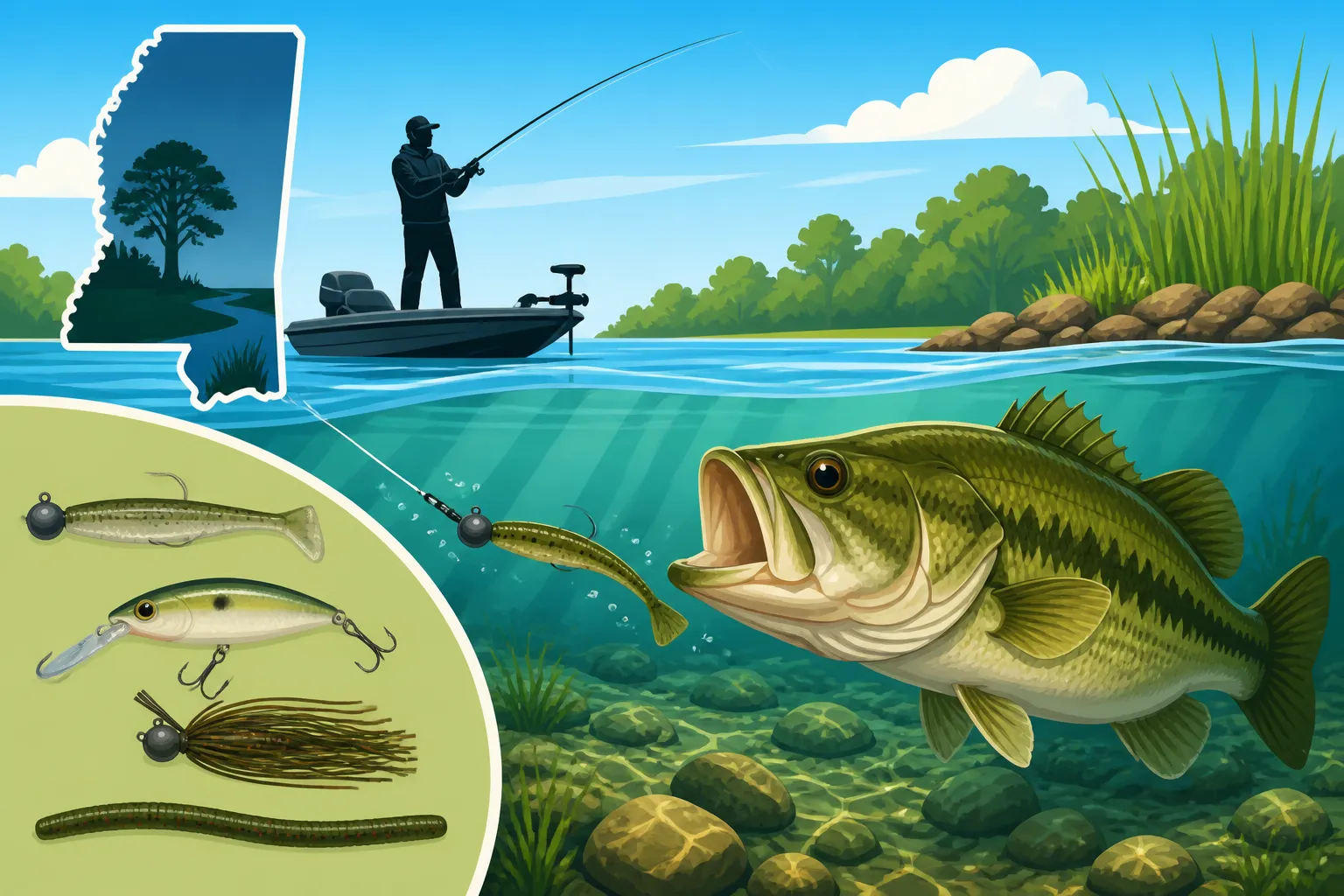
Soft plastics are absolute workhorses in clear water, largely because of their versatility and how naturally they can imitate various prey items. Think about finesse worms, stickbaits, and small creature baits. These aren't designed for aggressive, loud movements, but rather for subtle shimmies, quivers, and slow sinks that mirror dying baitfish or crawfish scurrying along the bottom. The key here is presenting them weightless, or with very light weights, to allow for that natural, unhurried fall.
For instance, a wacky-rigged Senko-style bait, allowed to slowly flutter down near a dock pilings or submerged timber, can be absolutely deadly. The subtle twitch of the ends as it descends is often all it takes to trigger a bite from a wary bass that wouldn't touch a fast-moving jig. Dropshotting a small, straight-tail worm vertically over deep structure is another prime example. The bait hovers enticingly, barely moving, yet perfectly mimicking a suspended baitfish. Remember, bass in clear water have time to inspect, so your bait needs to look good even when it’s doing almost nothing. Many dedicated Bass Fishing Techniques for Mississippi Anglers rely on this subtle approach.
Finesse Jigs and Ned Rigs
When bass are glued to the bottom or holding tight to cover in clear water, finesse jigs and Ned rigs become indispensable. A finesse jig, often smaller than its bulkier counterparts, paired with a subtle plastic trailer (like a small craw or chunk), can be worked slowly and methodically. It's about presenting a compact, natural-looking meal that can be picked up off the bottom. The silicon skirts and soft plastic trailers create a lifelike breathing action with minimal movement, perfect for enticing bass that are watching intently.
The Ned rig, in particular, has gained legendary status for its effectiveness in clear, tough conditions. It's essentially a small mushroom-shaped jig head paired with a short, buoyant soft plastic worm. When retrieved slowly, it stands vertically off the bottom, mimicking a foraging minnow or a small crawfish with its tail up. Its subtle movement and small profile are incredibly appealing to bass that have seen every other bait imaginable. Cast it near brush piles or rocky points, let it sink, and barely move it along – often, the slightest twitch is all it takes to get a strike. It’s a must-have in your tackle box for those challenging How to Fish Clear Water for Bass days.
Hard Baits with Realistic Finishes
While soft plastics and jigs excel in subtlety, there are times when hard baits, particularly those with highly realistic finishes, can still shine in clear water. This category includes jerkbaits, small crankbaits, and walking topwaters. The trick is to choose baits that mimic natural forage not just in size and action, but also in color and texture. Translucent colors, natural baitfish patterns, and even baits with scale detailing can make a huge difference.
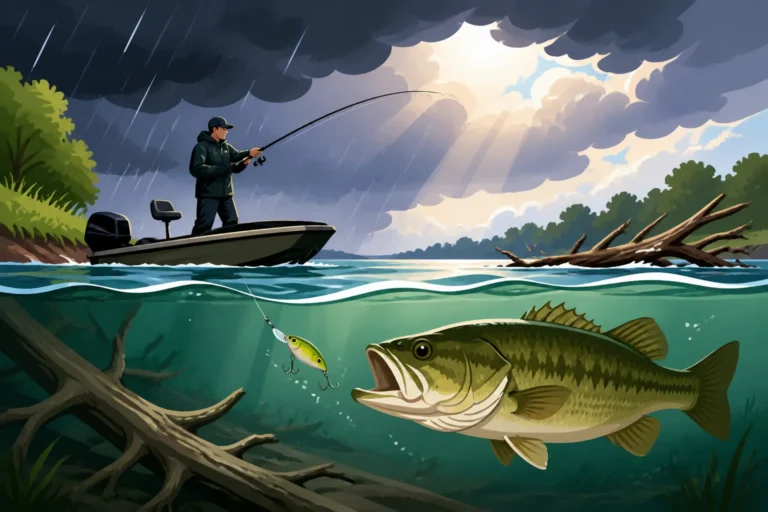
Jerkbaits are especially effective because they can be fished with a 'slash, pause, pause' retrieve that imitates a stunned or dying baitfish. The long pauses allow the bass ample time to observe the bait, and the realistic finish convinces them it's worth the effort. Small, silent crankbaits with natural shad or bluegill patterns, retrieved slowly along contour lines, can also work when bass are feeding on deep-dwelling baitfish. Even topwater baits, when chosen with clear, natural colors and worked with subtle, walking-the-dog actions, can draw violent strikes, especially during low-light periods. For specific types, searching for "realistic fishing lures" on Amazon can yield a treasure trove of options.
Natural Bait Options for Finicky Clear Lake Bass
Sometimes, no matter how good your artificial presentation is, a bass in clear water just won't commit. That's when going back to basics with natural bait can make all the difference. Nothing beats the real thing for scent, texture, and lifelike movement. When you're facing exceptionally finicky fish, live bait can often be the trump card.
Live Bait for a Natural Edge
Live bait is a game-changer when bass are exceptionally wary or simply not responding to artificial offerings. The natural movement, scent, and appearance of a live minnow, shiner, or crawfish are often irresistible. These baits don't require fancy retrieves; their own natural struggle is usually enough to draw attention. For instance, a medium shiner hooked lightly through the back and cast near a submerged stump or a deep drop-off mimics a vulnerable meal, and a bass will often take it without hesitation.
When fishing with live bait in clear water, presentation is still paramount. Use minimal weight, often just a split shot or none at all, to allow the bait to swim as naturally as possible. Finer line, like fluorocarbon, will be less visible. Target specific cover or structure where you know bass are likely holding. For example, if you're fishing on Ross Barnett Reservoir, and the bass are hugging deep brush piles, a live crawfish dropped right into the cover can elicit an immediate strike. Remember to check local regulations regarding live bait use, as some areas or species may have specific rules. Many anglers stock up on live bait essentials like aerators and minnow buckets from retailers like Amazon.
Cut Bait Considerations
While often associated with catfish, cut bait can sometimes be effective for largemouth bass, especially larger, more opportunistic fish, though it's less common than live bait. The primary appeal of cut bait is its strong scent trail, which can draw in bass that might not be actively hunting by sight. This can be particularly useful in clear water if you're targeting bass holding very deep or in dense cover where visibility is limited, or if you suspect they are feeding more by scent.
However, using cut bait for largemouth requires patience and an understanding that it's a different game. You're waiting for the bass to find the scent and investigate, rather than reacting to a movement. Small pieces of cut shad or even worms can be effective. Rig them on a small, sharp hook with just enough weight to get them to the desired depth. This isn't your everyday bass fishing technique, but in certain unique clear water scenarios – perhaps after a cold front when bass are sluggish and less active visually – the scent of cut bait might just be what's needed to trigger a bite.
Tips and Strategies for Success in Clear Water
Fishing clear lakes in Mississippi, from the deep clear waters of Pickwick Lake to smaller, pristine private ponds, demands a more thoughtful approach than just casting and reeling. The bass are smarter, warier, and every detail matters. It's about being a silent hunter, understanding your gear, and knowing how to adapt.
Stealth and Approach
In clear water, bass can see you long before you see them. This means stealth is your best friend. Approaching your fishing spots quietly is crucial. Avoid loud noises, sudden movements, or even casting a long shadow over the water. If you're bank fishing, stay low and use any available cover. If you're in a boat, use your trolling motor sparingly and keep your distance from likely fish-holding areas. Long casts are often necessary to keep your boat or body far enough away not to spook the fish.
Think about how you're positioning your boat relative to the sun. If your shadow is directly over the spot you're trying to fish, you're likely giving away your presence. Instead, try to position yourself so your shadow is behind you or to the side of your target area. In exceptionally clear conditions, even the flash of a shiny reel or a brightly colored shirt can be enough to send bass scattering. Being mindful of your overall presence is perhaps the most important clear water strategy of all. This is especially true when sight fishing, where one wrong move can ruin the whole opportunity.
Color Selection and Line Choice
The clearer the water, the more natural and subtle your bait colors should be. Instead of bright chartreuses or fiery reds, opt for translucent patterns, natural greens (like watermelon or green pumpkin), browns, and smoke colors with flake. These colors mimic the natural forage more closely and blend into the environment, making them less alarming to a visually astute bass. Sometimes, a subtle pearl or silver color can imitate shad perfectly.
| Bait Type | Recommended Clear Water Colors | Why They Work |
|---|---|---|
| Soft Plastics | Watermelon, Green Pumpkin, Smoke, Blue Fleck, June Bug | Natural forage, subtle visibility, blends in |
| Finesse Jigs | Green Pumpkin, Black & Blue, Brown Craw | Mimics crawfish/bottom dwellers, natural contrast |
| Jerkbaits | Shad, Alewife, Ghost Minnow, Chrome/Blue Back | Realistic baitfish, reflective flash |
| Crankbaits (small) | Natural Shad, Bluegill, Crawfish | Matches local forage, less aggressive profiles |
| Topwater | Bone, Clear, Pearl, Natural Frog | Silhouette against sky, subtle action |
Line choice is equally critical. Fluorocarbon line is generally considered the best for clear water. Why? Because it has a refractive index very close to that of water, making it nearly invisible beneath the surface. This invisibility can make a huge difference in getting those extra bites from wary bass. Furthermore, fluorocarbon's low stretch offers excellent sensitivity, helping you detect those light clear-water bites. If you typically use monofilament, consider switching to fluorocarbon leaders, or even spooling up entirely with a high-quality fluorocarbon line. Light tackle and a good reel, perhaps a sensitive baitcasting reel that you can find on Amazon, are key components. For more on this, check out Choosing the Right Rod and Reel for Mississippi Fishing.
Varying Retrieve Speeds and Actions
Just as important as choosing the right bait and color is how you present it. In clear water, bass often have more time to inspect a bait, and an unnatural retrieve can be an instant turn-off. Start with slower, more methodical retrieves. This allows the bait's natural action to shine and gives the bass a chance to commit without feeling rushed. A slow roll of a swimbait, a gentle hop of a jig, or a prolonged pause after a jerkbait twitch can be incredibly effective.
However, don't be afraid to experiment. Sometimes, a sudden burst of speed or an erratic twitch can trigger a reaction strike, especially if the bass is following but not committing. The key is to pay close attention to how the bass are reacting (or not reacting) and adjust accordingly. If they're just following, try speeding up or adding a sudden pause. If they're completely ignoring it, slow down even further. Learning How to Pattern Bass on a New Lake involves constant experimentation with retrieve speeds until you find what the fish want on that particular day. It’s a dynamic dance between tempting them and not spooking them.
Disclaimer
This article is for general informational purposes only and does not constitute professional advice. Laws, prices and regulations vary by location and change over time. Consult a qualified professional for guidance on your specific situation.