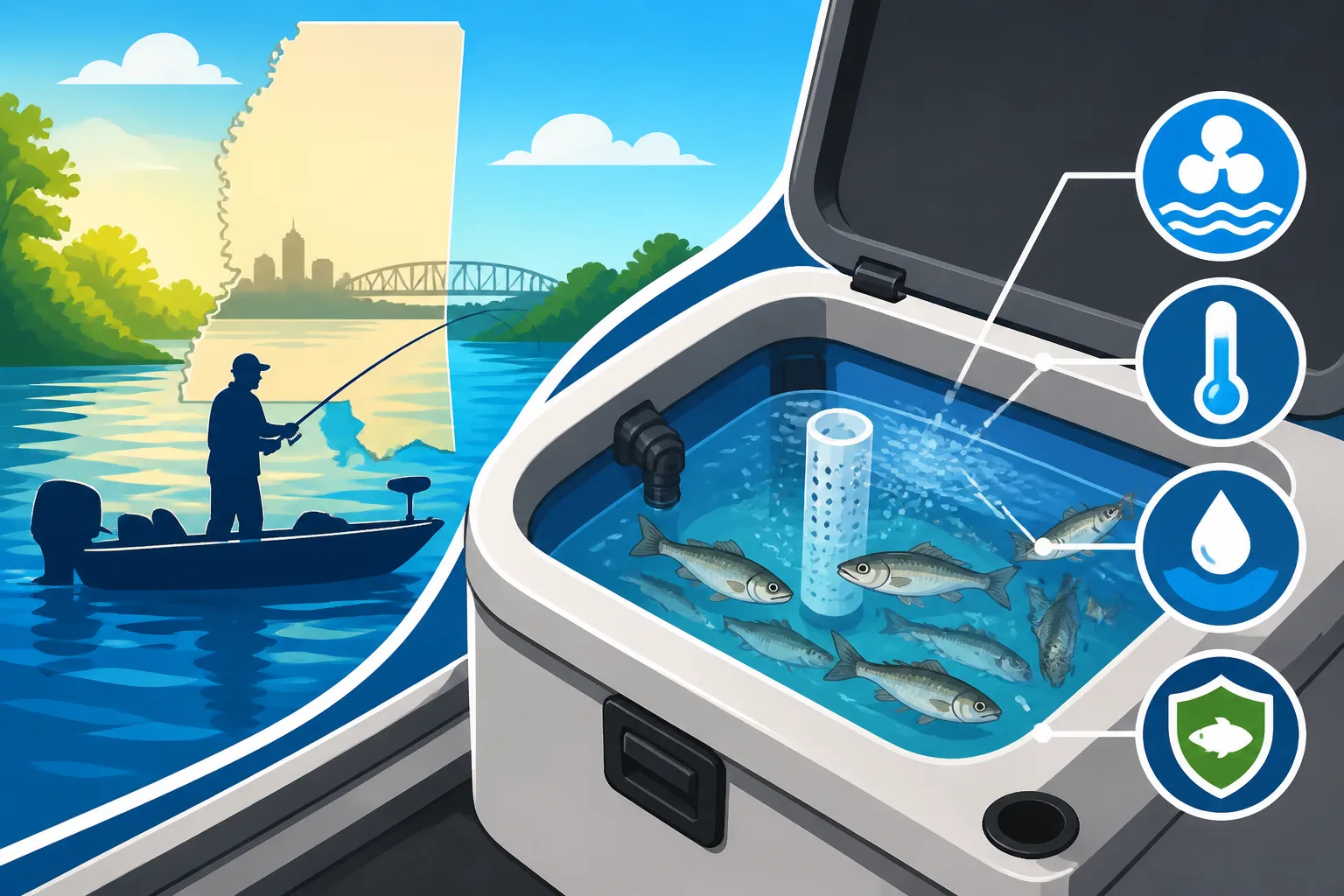
Best Livewell Tips for Keeping Bait Alive
There's nothing quite as frustrating as buying a bucket full of lively bait, heading out to your favorite fishing spot on Ross Barnett Reservoir or one of Mississippi's many great lakes, only to open your livewell and find a bunch of listless, dying minnows or shrimp. It feels like throwing money away, doesn't it? We've all been there, and it can truly put a damper on your fishing trip before you even make your first cast. This guide is all about helping you keep your precious live bait kicking and swimming vigorously, ready to entice those big bass, crappie, or catfish that we all love to chase across Mississippi's waters.
The Constant Battle: Why Keeping Bait Alive Feels So Hard
Let's be honest, keeping bait alive isn't always as simple as tossing them in a bucket with some water. There's a science to it, and if you don't understand the basics, you're fighting an uphill battle. It's not just about them having enough water; it's about water quality, temperature, and even how much elbow room they have.
The Frustration of Dead Bait
Imagine this: You've just shelled out your hard-earned cash for a couple of dozen prime shiners, picturing them perfectly presented to a hungry largemouth. You get to the lake, open the livewell, and a sad, lifeless shiner floats to the top. Then another. And another. What a buzzkill! This isn't just a waste of money; it's a huge psychological blow. You start questioning your setup, wondering if you did something wrong, and frankly, it just saps some of the joy out of the experience. It makes you hesitant to spend money on good live bait in the future if you can't rely on it staying alive.
Impact on Your Catch Rate
Beyond the frustration, dead or dying bait simply doesn't catch fish as effectively. Fish, especially predatory ones like bass and crappie, are attracted to movement and natural presentation. A lively minnow darting around sends out distress signals that trigger a fish's instinct to strike. A stiff, floating minnow? Not so much. You might as well be using a piece of plastic. If you're using bait for species like catfish where scent is key, a dead bait is still somewhat effective, but for finicky game fish, live and active is always the way to go. Your entire strategy for Crappie Fishing Techniques for Mississippi Lakes or Bass Fishing Techniques for Mississippi Anglers might hinge on that bait's liveliness.
Understanding Your Livewell: More Than Just a Tank
Your livewell isn't just a container; it's a sophisticated, albeit sometimes temperamental, ecosystem designed to mimic the natural environment of your bait. Thinking of it this way helps you understand its needs better.
Key Livewell Components
Most modern livewells, whether built into your boat or a standalone portable unit, typically consist of a few core parts. First, there's the tank itself, often insulated. Then, you have a pump system that draws fresh water from outside the boat into the livewell. This water usually enters through a spray bar or aerator head, creating circulation and adding oxygen. An overflow drain allows excess water to escape, preventing the tank from overflowing while ensuring a constant refresh. Some systems also include a recirculating pump, which keeps water moving within the tank even when the boat isn't in motion or if you want to keep bait in a closed system to avoid pumping in undesirable lake water. Knowing how these components work together is the first step to mastering your livewell.
How a Livewell Works
Think of your livewell as a mini-aquarium on the go. Its primary job is to provide a stable, oxygen-rich environment. The intake pump brings in fresh water, which ideally is clean and at a similar temperature to the environment your bait came from or where you plan to fish. The spray bar disperses this water, agitating the surface and introducing oxygen, much like a waterfall oxygenates a stream. The overflow ensures old, de-oxygenated water, or water contaminated with bait waste, is expelled. A recirculating pump is a lifesaver when you're anchored for a long time or travelling between spots and can't continuously pump in new water. It keeps the water moving, preventing stratification and maintaining oxygen levels throughout the tank. Without proper function of all these parts, your bait is essentially suffocating or being poisoned by its own waste.
Water Quality is King: Oxygenation and Temperature Control
This is arguably the most critical factor for keeping your bait alive. Fish and baitfish need oxygen to survive, just like us, and they are extremely sensitive to rapid temperature changes.
Maintaining Oxygen Levels
Fish "breathe" dissolved oxygen from the water through their gills. If the oxygen level drops too low, they stress, become lethargic, and eventually die. This is why aeration is paramount. A good livewell system constantly pumps in fresh water and/or recirculates and aerates the existing water. Look for a system that creates a gentle current and breaks the surface tension of the water. If your boat's livewell struggles, consider adding an auxiliary aerator. Portable, battery-powered aerators, easily found on sites like Amazon, can be a game-changer, especially for smaller bait containers or when you're moving bait from one place to another. Many anglers swear by these extra aerators, running them constantly to ensure their bait breathes easy. Using a product like "How to Keep Minnows Alive Longer" often involves boosting oxygen.
The Critical Role of Water Temperature
Water temperature is a silent killer of bait. Most baitfish thrive in a specific temperature range. If the water in your livewell is too warm, oxygen levels decrease rapidly, and bait's metabolism speeds up, making them consume even more oxygen. If it's too cold, they can go into shock. Rapid temperature swings are particularly deadly. If you're catching bait in cooler creek water and then putting them into a livewell with warm lake water, they're likely to die quickly from temperature shock. The best practice is to match the livewell water temperature as closely as possible to the water temperature of the environment your bait came from, or where you intend to fish. Small frozen water bottles (not loose ice, as it can contain chlorine or other impurities) can slowly cool livewell water on hot days. Insulated livewells help immensely in regulating these temperatures, especially during the sweltering Mississippi summers described in the Mississippi Summer Fishing Guide.
Filtration for Cleaner Water
While aeration and temperature are crucial, keeping the water clean is also important. As baitfish swim, they excrete waste (ammonia) and shed scales, which can quickly foul the water. Dirty water can irritate their gills and introduce harmful bacteria, leading to disease and death. Many livewells have strainers on their intake pumps to prevent debris from entering, but few have active filtration. If your bait is in a recirculating system for an extended period, especially with a high density of bait, a small filter can make a big difference. Even simple measures like regularly refreshing a portion of the water can help dilute waste. If you're targeting specific species like Mississippi Catfish Regulations often suggests, sometimes dead bait is fine, but for crappie or bass, cleanliness helps keep that bait active.
Loading Your Livewell: Don't Overcrowd the Party
It's tempting to cram as much bait as possible into your livewell, especially when you're on a hot bite and want to be prepared. But trust me, this is a recipe for disaster.
Proper Bait-to-Water Ratio
Overcrowding is one of the quickest ways to kill your bait. Too many fish in a limited amount of water means fierce competition for oxygen, a rapid buildup of waste products, and increased stress levels. Think about trying to breathe in a crowded, stuffy room – it's the same for your bait. A general rule of thumb is to allow at least one gallon of water per dozen medium-sized minnows or shiners. For larger baitfish or shrimp, you'll need even more space. It's always better to have fewer, healthier baitfish than a livewell full of struggling, dying ones. When you're considering the Best Bait for Crappie in Mississippi, remember that quantity often sacrifices quality when it comes to keeping them alive.
Handling Bait Gently
Every time you net bait from a tank, handle it, or transfer it, you're stressing it out. Rough handling can strip scales, damage fins, and even injure internal organs, making them more susceptible to disease and death. Use a fine-mesh bait net that won't damage their delicate bodies. Avoid grabbing them with your hands if possible, or if you must, ensure your hands are wet to minimize scale loss. When transferring bait from a bait bucket to your livewell, gently pour them or use the net to scoop them, rather than tossing them in. Minimizing stress from the moment you acquire your bait until it goes on your hook will significantly increase its lifespan in your livewell.
Bait Specific Considerations
Different types of bait have different needs. What works for a shiner might not be ideal for shrimp.
Minnows and Shad
Minnows, shiners, and shad are staples for freshwater fishing in Mississippi, especially for Crappie Fishing in Mississippi and Largemouth Bass Fishing in Mississippi. They require high oxygen levels and stable temperatures. Shad, in particular, are notoriously delicate and require even more oxygen and very careful handling. They also tend to shed scales more, which can quickly foul your water. If you're fishing with shad, ensuring excellent aeration and possibly adding a de-foaming agent to your livewell water can help. When storing shiners, make sure your livewell offers plenty of room for them to swim freely without constantly bumping into each other. If you're wondering What a Gizzard Shad Is Used For, keeping them frisky is key.
Shrimp and Crabs
For our saltwater anglers on the Mississippi Gulf Coast, live shrimp are king. They're incredible bait for speckled trout and redfish. However, shrimp are even more delicate than many baitfish. They need very clean, oxygenated water and are sensitive to temperature fluctuations, particularly warm water. Adding a small amount of rock salt or a marine-specific livewell additive (which you can often find on Amazon or at local tackle shops) can help mimic their natural brackish or saltwater environment. Crabs, while tougher, also benefit from good aeration and cool, clean water. Avoid mixing shrimp with aggressive baitfish, as shrimp are easily picked on. Knowing Speckled Trout Fishing Techniques often starts with having lively shrimp.
Worms and Leeches
While typically not kept in boat livewells, worms (like nightcrawlers and red wigglers) and leeches are fantastic freshwater baits, especially for Catfish Fishing in Mississippi and panfish like bream. They have different storage needs. Worms do best in cool, damp bedding material like peat moss or shredded newspaper in a breathable container. Leeches can be kept in a small bucket of cool, clean, non-chlorinated water, changing the water frequently. Neither requires aeration in the traditional sense, but both benefit from consistent cool temperatures. While not livewell bait, knowing "Best Bait for Catfish in Mississippi" usually involves some wriggly options.
On-the-Water Management and Troubleshooting
Even with a perfect setup, managing your livewell on the water is an ongoing task. Conditions change, and your bait's needs do too.
Regular Water Changes
Continuously refreshing your livewell water is one of the best things you can do for your bait. If your livewell has a flow-through system, keep the intake pump running to constantly bring in fresh, oxygenated water and push out stale, waste-laden water. If you're in a situation where you can't continuously refresh (e.g., in contaminated water or using a closed system), plan to drain and refill your livewell periodically, especially after several hours or if you notice the water becoming cloudy or foamy. Even partial water changes can make a big difference. This ties into the general concept of How to Keep Minnows Alive Longer.
Dealing with Dying Bait
Despite your best efforts, sometimes bait will die. It's crucial to remove any dead or dying bait from your livewell immediately. Decomposing bait releases ammonia and other toxins that can quickly poison the rest of your healthy bait. Plus, dying bait flails and stresses out its tank mates, contributing to a domino effect. Keep a small net handy specifically for this purpose. Don't be sentimental; get the compromised bait out to save the others. If you see multiple baits dying, it's a clear sign you need to address a water quality issue quickly, whether it's oxygen, temperature, or waste.
Monitoring Conditions
Becoming a livewell expert means paying attention. Regularly check the water temperature with a small thermometer. Observe your bait's behavior: are they swimming actively, or are they huddled in a corner, gulping for air at the surface? Is the water clear, or is it getting cloudy or smelly? These are all indicators of your livewell's health. You might even consider a dissolved oxygen meter if you're serious about fine-tuning your system, although for most anglers, visual cues and water temperature are sufficient. The better you monitor, the better you can react and adjust to keep your bait vibrant throughout your entire fishing day, from the early morning to the last cast.
Essential Livewell Accessories
Sometimes your built-in livewell might need a little extra help. Thankfully, there are many accessories available to optimize your bait-keeping efforts.
Aerators and Oxygenators
As mentioned, portable aerators are fantastic for supplementing your main livewell or for small bait buckets. They consist of an air pump, an air stone, and a hose, bubbling air into the water to increase dissolved oxygen. Battery-operated versions are great for versatility. Beyond simple aeration, some advanced systems, often found on Amazon, use pure oxygen injection for highly delicate baits like shad, providing much higher concentrations of dissolved oxygen. While usually reserved for serious tournament anglers, these options exist if you find yourself consistently struggling with fragile bait. An efficient aerator is one of the most cost-effective ways to extend the life of your bait.
Water Conditioners and Additives
Several products on the market are designed to improve livewell water quality. Livewell conditioners contain ingredients that neutralize harmful chlorine (if you're using tap water for any reason), remove ammonia and nitrites (from bait waste), and add a protective slime coat to your baitfish, reducing stress and susceptibility to disease. Some also include electrolytes to help bait recover from shock. Companies like Sure-Life and Frabill make popular livewell additives. A quick search on Amazon will show you a wide variety of these products. While not a substitute for proper aeration and temperature control, they can certainly provide an extra layer of protection, especially when handling delicate baits or fishing in challenging conditions.
Pre-Trip and Post-Trip Livewell Care
Keeping your livewell performing optimally isn't just about what you do on the water. Proper maintenance before and after your trip plays a huge role.
Cleaning and Maintenance
After every fishing trip, it's vital to thoroughly clean your livewell. Drain all the water and scrub the interior with a mild, non-toxic cleaner. Many anglers use a simple solution of diluted bleach (and then rinse very thoroughly with fresh water) or specialized livewell cleaners to kill bacteria and remove slime, bait scales, and odors. Allowing your livewell to dry completely between trips also helps prevent mold and mildew growth. Don't forget to check your pumps, hoses, and screens for any clogs or damage. A clogged intake screen will quickly lead to dead bait. This kind of regular maintenance ensures your livewell is ready for your next outing, whether you're chasing the Mississippi Fishing Seasons Calendar or just enjoying a casual day.
Preparing for Your Next Outing
Before your next trip, a little preparation goes a long way. If your boat has a built-in livewell, test the pumps to ensure they're working correctly. Fill the livewell with water and check for leaks. If you're using a portable livewell, make sure your batteries for the aerator are charged or fresh. Consider filling it with water the night before if you're able to get water from the lake you'll be fishing, allowing the water temperature to equalize naturally. Having everything clean, functional, and ready to go eliminates last-minute stress and ensures your bait has the best possible start to its journey with you. Remember, a successful fishing trip often begins long before you even leave the dock.
Disclaimer
This article is for general informational purposes only and does not constitute professional advice. Laws, prices and regulations vary by location and change over time. Consult a qualified professional for guidance on your specific situation.