Best Baitcasting Reel for Bass Fishing
Choosing the right baitcasting reel for bass fishing can feel like trying to solve a complex puzzle, especially with so many options out there, each promising to be the "best." For those of us who spend our days chasing largemouth bass across Mississippi's diverse waters—from the submerged timber of Ross Barnett Reservoir to the dense hydrilla of Lake Washington—the reel you choose can make or break a day on the water. This guide is here to untangle the complexities and help you select a baitcasting reel that not only meets your needs but truly excels at bringing in those hard-fighting Mississippi bass.
Why Baitcasting Reels are Your Best Friend for Mississippi Bass
Let's be real, many anglers start with spinning gear, and there's absolutely nothing wrong with that! Spinning reels are fantastic for their ease of use, especially when learning the ropes. But when you start getting serious about bass fishing, particularly in the challenging environments we have here in Mississippi, you'll quickly realize that baitcasting reels offer distinct advantages that can significantly up your game. They aren't just for the pros; they're for anyone who wants more control, power, and precision.
The Power and Precision Advantage Over Spinning Reels
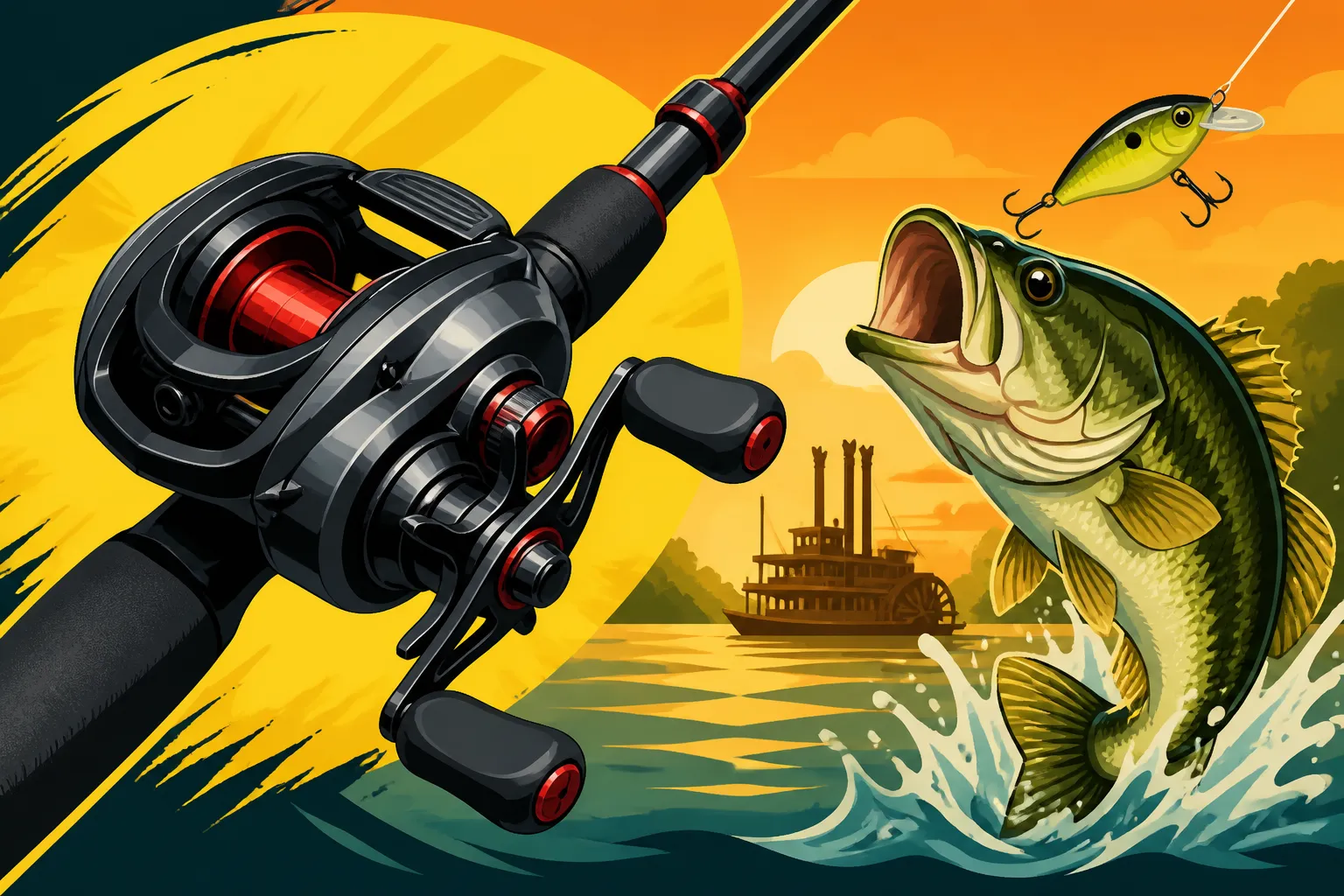
One of the biggest reasons to embrace a baitcasting reel is the sheer power and control it gives you. When you're locked into a battle with a feisty largemouth, especially one that's trying to bury itself in a brush pile, that extra leverage makes all the difference. Baitcasters are designed with a direct drive system, meaning the spool and handle are directly connected. This direct connection translates into superior cranking power, allowing you to winch fish out of heavy cover with confidence. It's not just about brute strength, though; it's also about finesse.
The precision you gain with a baitcaster is unmatched for targeting specific structures. Ever tried to drop a lure precisely next to a stump or under a low-hanging tree branch with a spinning reel? It can be done, sure, but a baitcaster gives you the ability to "thumb" the spool, allowing for incredibly accurate short pitches and flips. This level of control means you can place your lure exactly where you want it, which is often the difference between getting a bite and just casting aimlessly. When you're trying to fish around tricky spots, understanding Bass Fishing Techniques for Mississippi Anglers often means mastering these precise casts.
Handling Heavier Baits and Thicker Cover
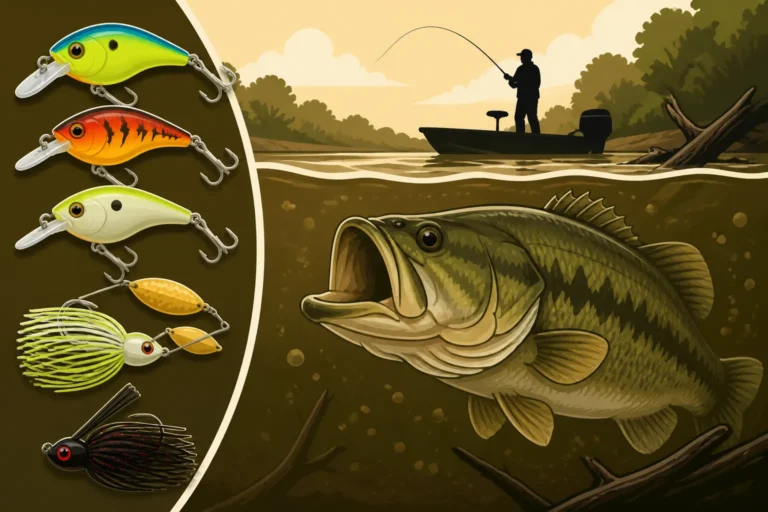
Mississippi bass love their cover. Whether it's the standing timber in a deep reservoir, the dense lily pads in a shallow oxbow, or the matted grass in a private pond, the big ones often hide in the thick stuff. This is where a baitcasting reel truly shines. They are built to handle heavier lines, typically ranging from 12-pound test monofilament all the way up to 65-pound braided line or more. This robust line capacity allows you to use stronger, heavier lures that might be too much for lighter spinning gear, such as large swimbaits, heavy jigs, or big spinnerbaits.
When you're fishing in these challenging environments, you need a reel that can take a beating and still perform. The robust construction of most baitcasters means they can stand up to the strain of repeated casts with heavy lures and the violent strikes of big bass. More importantly, when you hook into a monster bass in thick cover, you need to be able to turn its head and pull it out before it wraps your line around a log or cuts you off on a sharp branch. This ability to exert significant drag pressure and quickly gain line is paramount. For example, when you are trying to pull a fish out of How to Fish Grass Beds for Bass, a baitcaster's power is indispensable. Without a solid baitcasting setup, you're just increasing the odds that a trophy fish will break you off, and nobody wants that heartache.
Deciphering Baitcasting Reel Specifications for Bass Fishing
Walking into a tackle shop or browsing online stores like Amazon for a baitcasting reel can be overwhelming. The sheer number of models, brands, and technical specifications can make your head spin faster than a misfired cast. But once you understand what those numbers and terms mean, choosing the right reel becomes a much clearer process. It's about matching the reel's capabilities to your personal fishing style and the types of techniques you plan to employ on Mississippi's waters.
Understanding Gear Ratios and Their Impact on Retrieve Speed
The gear ratio is one of the most crucial specifications on a baitcasting reel, and it tells you how many times the spool rotates with one full turn of the handle. This directly dictates your retrieve speed, which is incredibly important for various bass fishing techniques. Gear ratios are typically expressed as a ratio, like 6.4:1 or 8.1:1.
- Low Gear Ratios (e.g., 5.X:1 to 6.2:1): These reels are the workhorses. They offer more torque, making them ideal for lures that create a lot of drag in the water, like deep-diving crankbaits or large swimbaits. If you're spending your day casting and retrieving big, lipped lures across a lake like Ross Barnett Reservoir, a lower gear ratio will save your arm from fatigue and give the lure a more natural, slower presentation. They are also great for slower presentations with jigs or worms in deeper water, allowing you to maintain better bottom contact without overworking the bait.
- Medium Gear Ratios (e.g., 6.3:1 to 7.2:1): This range is often considered the most versatile and is a fantastic starting point for any angler looking for an all-around bass reel. A 7.1:1 reel, for instance, offers a good balance of power and speed, making it suitable for a wide array of techniques. You can effectively fish spinnerbaits, chatterbaits, Texas rigs, and even some topwater lures with a medium gear ratio. If you're only going to buy one baitcaster, a good quality reel in this range is often the Best Rod and Reel Setup for Beginners to get started in Mississippi bass fishing.
- High Gear Ratios (e.g., 7.3:1 to 9.X:1): These reels are built for speed. They excel in techniques where you need to quickly pick up slack line, rapidly retrieve a lure, or get a fish out of heavy cover fast. Flipping and pitching jigs into dense cover, working topwater frogs over lily pads, or burning a lipless crankbait are all perfect applications for a high-speed reel. The quicker retrieve allows you to make more casts in a shorter amount of time and react instantly to strikes. However, they offer less torque, so they might not be the best for wrestling heavy, deep-diving crankbaits.
Here's a quick reference table for gear ratios:
| Gear Ratio Range | Typical Application | Lure Types | Retrieve Speed | Power/Torque | Best For |
|---|---|---|---|---|---|
| 5.X:1 – 6.2:1 | Cranking, slower presentations | Deep-diving crankbaits, large swimbaits, heavy jigs | Slow | High | Deep water, powerful fish, minimizing fatigue |
| 6.3:1 – 7.2:1 | All-around versatility, general purpose | Spinnerbaits, chatterbaits, Texas rigs, medium jigs | Medium | Medium | Most common techniques, beginner-friendly |
| 7.3:1 – 9.X:1 | Flipping, pitching, rapid retrieves | Jigs, soft plastics, topwater frogs, lipless cranks | Fast | Low | Heavy cover, quick presentations, maximizing casts |
The Importance of Bearings, Braking Systems, and Drag
Beyond gear ratio, three other critical components truly define a baitcasting reel's performance: its bearings, braking system, and drag. These elements contribute to smooth operation, casting control, and the ability to fight a fish effectively.
- Bearings: While more isn't always necessarily better, a good number of high-quality bearings generally leads to a smoother reeling experience. Most modern baitcasting reels will feature anywhere from 5 to 12 bearings. Look for corrosion-resistant bearings, especially if you plan on venturing into brackish waters or fishing during the Mississippi Summer Fishing Guide when heat and humidity can be tough on gear. Good bearings contribute to a fluid cast and retrieve, reducing friction and making the reel feel more refined. A reel with poor bearings can feel "grindy" and lead to a less enjoyable fishing experience.
- Braking Systems: This is arguably the most intimidating aspect for new baitcaster users, but it's essential for controlling the spool rotation during a cast and preventing dreaded backlashes (also known as a "bird's nest"). There are primarily two types:
- Centrifugal Brakes: These systems use small pins that are manually adjusted outward to rub against a brake ring on the side plate, applying friction to slow the spool. They're often adjustable internally and provide consistent braking throughout the cast. Many anglers prefer them for long, open-water casts.
- Magnetic Brakes: These systems use magnets to create resistance on the spool. They are typically adjusted externally with a dial, making on-the-fly adjustments easier for changing wind conditions or lure weights. Magnetic brakes tend to be very effective for shorter, precise casts.
Many higher-end reels will combine both systems, offering maximum adjustability. Understanding and properly setting your braking system is key to mastering a baitcaster and is crucial when casting different lures like Best Lures for Largemouth Bass.
- Drag System: The drag system allows line to be pulled from the spool under tension when a fish pulls hard, preventing your line from breaking. A smooth, consistent drag is paramount when fighting powerful bass. Look for reels with a multi-disc drag system, which typically provides more stopping power and less "stickiness" than single-disc systems. You want a drag that engages smoothly without jerking, as sudden resistance can snap your line. Being able to set your drag properly is vital, as it protects your line and helps wear out the fish. The maximum drag rating (e.g., 15-25 pounds) gives you an idea of its raw stopping power, but smoothness under pressure is truly what matters.
Spool Capacity, Frame Materials, and Ergonomics
While perhaps less glamorous than gear ratios and braking systems, these aspects significantly impact the reel's usability, durability, and overall comfort during long days on the water.
- Spool Capacity: This refers to how much fishing line the spool can hold. For bass fishing, you generally don't need an enormous amount of line, as most fights occur within a reasonable casting distance. However, you need enough to handle a good cast, a solid run from a fish, and perhaps a few feet for re-tying or minor snags. Most bass baitcasters are designed for lines in the 10-20 lb monofilament/fluorocarbon range or 30-65 lb braided line. Ensure the reel can comfortably hold at least 100-120 yards of your preferred line, especially when using heavier braid for punching through mats or fishing around How to Find Bass Around Submerged Timber. Always check the manufacturer's recommendations for line capacity, often listed on the reel or its packaging.
- Frame Materials: Baitcasting reels are typically made from either aluminum, magnesium, or composite materials.
- Aluminum: Durable, rigid, and moderately lightweight. It's a common choice, offering a good balance of strength and cost.
- Magnesium: Even lighter than aluminum, magnesium reels are prized by anglers seeking to reduce overall weight for long casting sessions. They can be more expensive and sometimes require more care, as magnesium can be more susceptible to corrosion if not properly maintained.
- Composite (Graphite/Plastic): The most affordable option, composite frames are lightweight and generally resistant to corrosion. However, they can be less rigid than metal frames, which might lead to some flex under extreme pressure, potentially affecting gear alignment over time. For casual anglers or those on a budget, a high-quality composite frame can be perfectly adequate. For serious bass anglers, a metal frame usually offers the rigidity and durability desired.
- Ergonomics: How a reel feels in your hand is incredibly personal but profoundly important. You'll be holding this reel for hours, so comfort is key. Consider the following:
- Palmability: Does the reel fit comfortably in your palm? Low-profile baitcasters are designed to sit snugly in your hand, making them easier to grip and less fatiguing.
- Handle Length and Knobs: Longer handles provide more leverage for cranking, which is great for deep-diving baits. The shape and material of the handle knobs (e.g., cork, EVA foam, rubber) can also affect comfort and grip, especially when wet.
- Weight: Lighter reels reduce fatigue, especially when paired with a lightweight rod for a balanced setup. However, don't sacrifice durability for minimal weight savings unless you're truly looking for a high-performance, specialized setup. Ultimately, the best way to assess ergonomics is to hold the reel, ideally attached to a rod, and see how it feels. Many anglers will head to a local tackle shop or even major retailers like Bass Pro Shops or Cabela's just to get a feel for different models before purchasing online from places like Amazon.
Pairing Your Reel with Popular Mississippi Bass Techniques
Mississippi offers a smorgasbord of bass fishing opportunities, from flipping jigs into heavy vegetation to cranking ledges in deep reservoirs. Each technique often benefits from a specific type of baitcasting reel. Thinking about the technique first, rather than just the target species, can guide you to the perfect reel choice.
Reels for Flipping, Pitching, and Punching Heavy Cover
If your idea of a perfect day on the water involves surgically placing a jig or soft plastic into the densest, nastiest cover you can find, you need a specialized reel. Techniques like flipping, pitching, and punching are all about getting a heavy bait into a small strike zone with minimal disturbance, then getting a hooked fish out fast.
For these scenarios, a high-speed reel with a gear ratio of 7.3:1 or higher is almost a necessity. Why? Because after your bait hits the water, you need to quickly pick up slack line and get a feel for what your bait is doing. The instant a bass inhales your offering, you need to set the hook hard and immediately start reeling to pull that fish away from potential snags. A fast retrieve allows you to do just that, before the bass has a chance to bury itself in the thick stuff. You'll typically pair this with heavy braided line (50-65 lb) and a powerful rod. Look for reels with strong, consistent drag systems that won't falter under extreme pressure. Brands often design specific "flipping" or "pitching" models with features like instant anti-reverse and robust frames. When punching through matted vegetation, this setup is vital to secure the hookset and extract the fish quickly, similar to the precision needed for a How to Fish a Texas Rig for Bass.
Crankbait, Spinnerbait, and Topwater Applications
Different lures demand different retrieve speeds and power. For presentations like throwing crankbaits, spinnerbaits, and topwater lures, your reel choice will vary depending on the specific action you want to impart.
- Crankbaits: When fishing deep-diving crankbaits, you're constantly fighting the resistance of the lure digging into the water. This is where a lower gear ratio reel (5.X:1 to 6.2:1) becomes your best friend. The lower ratio provides more torque, making it easier to reel in those high-resistance baits all day long without exhausting your arms. It also helps the bait achieve its maximum diving depth and imparts a slower, more deliberate action that often triggers strikes. If you're planning a full day of "grinding" deep ledges, your arms will thank you for choosing a low-speed reel. This is particularly relevant when fishing big bodies of water where bass might hold to Best Structure to Fish for Bass in a Reservoir.
- Spinnerbaits and Chatterbaits: These baits are often fished at a medium retrieve speed, allowing the blades to flash and vibrate effectively. A versatile medium gear ratio reel (6.3:1 to 7.2:1) is typically ideal here. It gives you enough speed to keep the bait riding correctly and enough power to handle a good strike. For varying conditions, like fishing How to Fish a Spinnerbait in Muddy Water, a medium-speed reel allows you to adjust your retrieve to match the visibility and fish activity.
- Topwater Lures: For walking-the-dog with a popper or buzzing a frog across the surface, a fast retrieve often works well. A reel in the 7.0:1 range or higher allows you to quickly pick up slack line after a cast and react immediately when a bass explodes on your bait. This swiftness is especially important for Topwater Bass Fishing Tips because bass often miss the bait, and a quick retrieve can sometimes trigger a second strike. However, some anglers prefer a slightly slower reel for topwater to allow for a more deliberate retrieve rhythm. The key is finding what feels natural and effective for you.
Versatile Reels for Jigs, Worms, and General Purpose Bassing
For many anglers, especially those who prefer a more general approach to bass fishing or like to switch techniques frequently, a versatile, all-around baitcasting reel is paramount. This is where those medium gear ratio reels (around 6.X:1 to 7.2:1) really shine.
A 7.0:1 gear ratio reel, for example, offers a fantastic balance that allows you to fish a wide variety of soft plastics, jigs, and even lighter spinnerbaits or shallow crankbaits. When you're fishing plastic worms, Senkos, or jigs, you're often relying on feel, subtle rod movements, and quickly picking up slack line to detect strikes. A reel in this speed range provides enough speed for efficient jig and worm fishing while still retaining enough power to handle most fish. It's truly a jack-of-all-trades that can adapt to changing conditions and different presentations throughout the day. If you're fishing unfamiliar waters or just want one reliable setup for a full day of fishing, this type of reel is a solid choice. Many popular models available on platforms like Amazon excel in this versatile range, offering a balance of performance and affordability that appeals to a broad spectrum of anglers. Investing in one good, versatile reel can really simplify your tackle selection and allow you to explore various aspects of Largemouth Bass Fishing in Mississippi without needing a dozen different setups.
Getting the Most Out of Your Baitcasting Reel: Setup and Care
A baitcasting reel is a precision instrument, and like any fine tool, it performs best when properly set up and regularly maintained. Neglecting these steps can lead to frustrating backlashes, reduced casting distance, and ultimately, a shorter lifespan for your reel. Mastering the art of the baitcaster isn't just about the initial purchase; it's about the ongoing relationship you build with your gear.
Spooling Line Correctly and Initial Adjustments
The foundation of good baitcaster performance starts with how you spool your line. Incorrectly spooled line can lead to constant tangles, reduced casting distance, and even line damage.
- Attach the Line: Start by tying your chosen fishing line (monofilament, fluorocarbon, or braid) to the spool of your baitcaster. Use an arbor knot or a simple overhand knot followed by a double surgeon's knot for security.
- Maintain Tension: This is the most critical step. As you reel the line onto the spool, you need to apply consistent, firm tension. This can be done by having a friend hold the spool of line with a pencil through the middle, applying pressure, or by simply placing the line spool on the floor and running the line through a phone book or under your foot. Without proper tension, the line will be loose on the spool, leading to digging in and backlashes later.
- Fill to the Right Level: Don't overfill the spool! Leave about 1/8 to 1/16 of an inch of space between the line and the top edge of the spool. Overfilling increases friction and makes backlashes much more likely. Underfilling too much reduces casting distance.
- Initial Adjustments: Once spooled, it's time for the "setup casts." Every baitcaster has a spool tension knob (usually next to the handle) and a braking system (centrifugal, magnetic, or both).
- Spool Tension: Attach a lure that you plan to use. With the reel mounted on your rod, hold the rod tip up at about a 45-degree angle. Loosen the spool tension knob until the lure slowly drops to the ground, and the spool just barely overruns. Then, tighten it just enough to stop the overrun. This is your starting point; you'll fine-tune it based on lure weight and conditions.
- Braking System: If you have an external magnetic brake, start with it set around the middle (e.g., 5-7 on a scale of 1-10). If you have internal centrifugal brakes, start with 2-3 pins engaged. These settings will also be fine-tuned. The goal is to provide enough initial resistance to prevent a bird's nest while still allowing for a smooth cast. This initial tuning is part of Choosing the Right Rod and Reel for Mississippi Fishing as a whole.
Mastering the Art of Casting and Avoiding Backlashes
Casting a baitcaster smoothly and accurately takes practice, but it's incredibly rewarding. The notorious "backlash" is the biggest hurdle, but with proper technique and adjustments, you can minimize them.
- Grip and Stance: Hold the rod with the reel on top. Your thumb should rest comfortably on the spool. Position yourself for a smooth, unhindered casting motion.
- The Cast: Engage the reel (push the thumb bar), freeing the spool. Begin your backswing, then smoothly accelerate forward. As the rod unloads and the lure travels forward, lift your thumb off the spool.
- The "Thumb": This is the magic. As the lure flies, use your thumb as a variable brake on the spool. If you see the line starting to "puff up" or unravel faster than the lure is flying, lightly apply your thumb to slow the spool. Just before the lure hits the water, gently feather the spool with your thumb to stop it completely, preventing overrun. This is a learned skill that comes with repetition. The lighter the lure, the more thumb control you'll need.
- Adjusting for Conditions: Wind is your enemy when casting a baitcaster. Cast with the wind whenever possible. If casting into the wind, increase your brake settings and cast with more authority, but be prepared to thumb the spool more aggressively. Changes in lure weight also require adjustments. A heavier lure needs less braking; a lighter lure needs more. Don't be afraid to adjust your settings throughout the day. It's a continuous learning process, but a smooth cast can make a huge difference, especially when trying to land that big bass.
Essential Maintenance for Longevity on Mississippi Waters
Regular maintenance is crucial to keep your baitcasting reel performing optimally and to extend its life, especially given the humid conditions and occasional exposure to grit and grime inherent in Mississippi fishing.
- Rinse After Each Use: If you've been saltwater fishing, even a quick rinse with fresh water (never spray directly into bearings or drag) is essential. For freshwater, a wipe-down with a damp cloth is usually sufficient. Let it air dry completely before storing.
- Periodic Cleaning and Lubrication: Every few months (or more often if you fish heavily), your reel will benefit from a more thorough cleaning. Remove the side plate and spool. Use a Q-tip or soft cloth to wipe away old grease and dirt from the gears, worm shaft, and inside the frame. Apply a small amount of high-quality reel grease to the main gears and a tiny drop of reel oil to the bearings (spool bearings, handle bearings, worm shaft bearings). Less is more – over-lubricating can attract more dirt. Many manufacturers like Shimano or Daiwa offer their own cleaning kits, which you can often find on Amazon.
- Check for Wear and Tear: Regularly inspect your line for nicks or fraying, especially after fishing around abrasive structures. Check your drag washers to ensure they are clean and free of debris. Tighten any loose screws. Over time, some parts might wear out. Knowing how to identify and replace common wear parts like bearings or drag washers can save you money and keep your reel in top shape. Proper care helps you avoid issues when you're focused on Best Time of Year to Fish in Mississippi or trying out new techniques.
- Professional Servicing: If you're uncomfortable doing a full breakdown and cleaning yourself, or if your reel develops a persistent issue (like a gritty retrieve or sticky drag), consider sending it to a professional reel repair shop. They have the expertise and specialized tools to restore your reel to factory performance. Think of it as an investment in your fishing success, just like picking out the perfect Best Crappie Lakes in Mississippi or learning new strategies.
Disclaimer
This article is for general informational purposes only and does not constitute professional advice. Laws, prices and regulations vary by location and change over time. Consult a qualified professional for guidance on your specific situation.