Best Water Temperature for Crappie Fishing
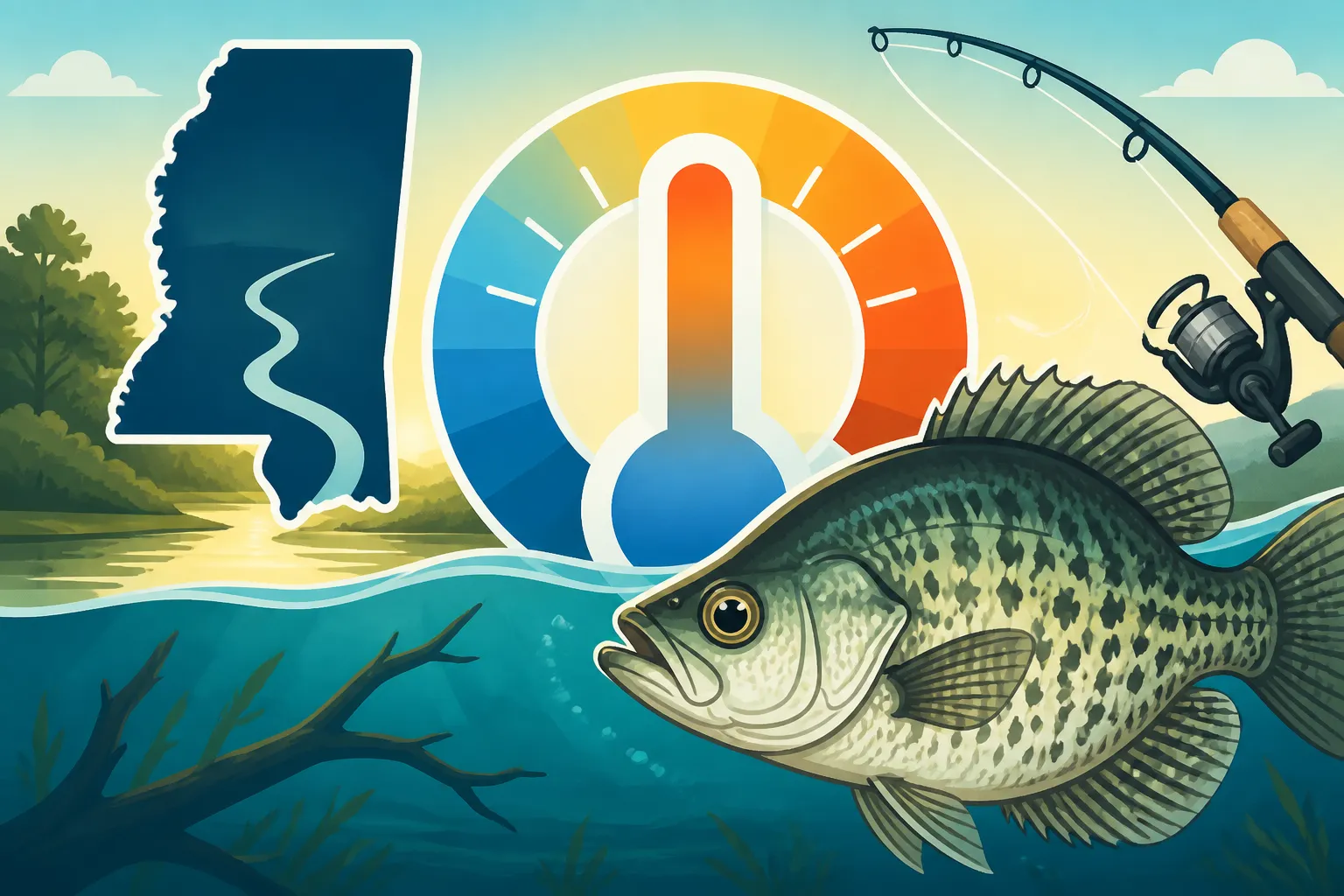
One of the biggest frustrations anglers face when chasing crappie in Mississippi is that these elusive fish can seem to vanish into thin air, even in waters you know hold plenty of them. Often, the secret to unlocking consistent crappie success isn't just about the right lure or the perfect spot; it's about understanding and utilizing water temperature. This comprehensive guide will break down exactly how water temperature dictates crappie behavior, helping you pinpoint their locations and present your baits effectively throughout the year.
Why Water Temperature Dictates Crappie Behavior
Crappie, like all fish, are cold-blooded creatures, meaning their internal body temperature mirrors that of their surrounding environment. This fundamental biological fact makes water temperature the single most critical factor influencing their activity levels, feeding habits, and even their preferred hiding spots. Ignoring water temperature is like trying to navigate without a compass – you might get lucky, but you're probably going to be lost more often than not.
Understanding Crappie Metabolism
When the water is cold, a crappie's metabolism slows down considerably. Think of it like us trying to run a marathon in freezing temperatures without proper gear; everything just works slower. Their digestion takes longer, their energy expenditure is minimized, and their need to feed becomes less frequent and less urgent. Conversely, as water temperatures rise, their metabolism speeds up. They burn through calories quicker, requiring them to feed more often and making them more active and aggressive. This metabolic shift is why you'll find crappie holding tight to cover and barely moving in cold water, but chasing down baitfish with vigor in warmer conditions.
Thermal Comfort Zones
Crappie aren't just reacting passively to temperature; they actively seek out their preferred thermal comfort zones. These zones change depending on the season and what the crappie are trying to achieve – whether it's feeding, spawning, or simply conserving energy. During extreme heat, they’ll dive deep to find cooler, more oxygenated water. In the biting cold of winter, they might seek out slightly warmer pockets in deeper basins or near thermal sources like power plant discharges. Understanding these comfort zones is paramount to knowing where to drop your bait.
Impact on Forage and Prey
It’s not just the crappie that are affected by water temperature; their entire food chain is. Baitfish like shad and minnows, along with various invertebrates that crappie feed on, are also governed by thermal preferences. For instance, in colder water, shad will often school up tightly and move slowly, making them easier targets for crappie who don't want to expend much energy. As temperatures warm, baitfish become much more active and spread out, forcing crappie to be more aggressive in their pursuit. This dynamic relationship means that if you can locate the baitfish, which are often influenced by temperature, you're usually a step closer to finding the crappie.
Prime Temperature Ranges for Crappie Fishing Success
Knowing the general principles is one thing, but having specific temperature targets for different seasons can revolutionize your crappie fishing game. These ranges aren't set in stone, as local conditions, depth, and even sunlight penetration can cause variations, but they provide an excellent starting point for any Mississippi angler.
Pre-Spawn Excitement
As winter loosens its grip and early spring starts to hint at warmer days, crappie begin their pre-spawn ritual. This is a fantastic time for anglers, as the fish are actively feeding to build up energy reserves for the upcoming spawn.
- Ideal Range: Generally, when water temperatures reach 45-55°F (7-13°C), crappie start staging. They’ll move out of their deep winter haunts and begin migrating towards creek channels, secondary points, and shallower flats adjacent to spawning areas.
- Behavior: During this phase, crappie are usually quite active and aggressively feeding. They'll readily strike a variety of baits, from small jigs to live minnows. Look for them concentrated in schools, often suspended over structure or along the edges of channels. This is when you can really put some numbers in the boat if you hit it right. For detailed strategies on this period, check out our guide on Mississippi Spring Fishing Guide.
The Spawning Sweet Spot
The spawn is perhaps the most anticipated time for many crappie anglers, offering some of the year's best shallow-water action. Timing is everything, and temperature is the key to that timing.
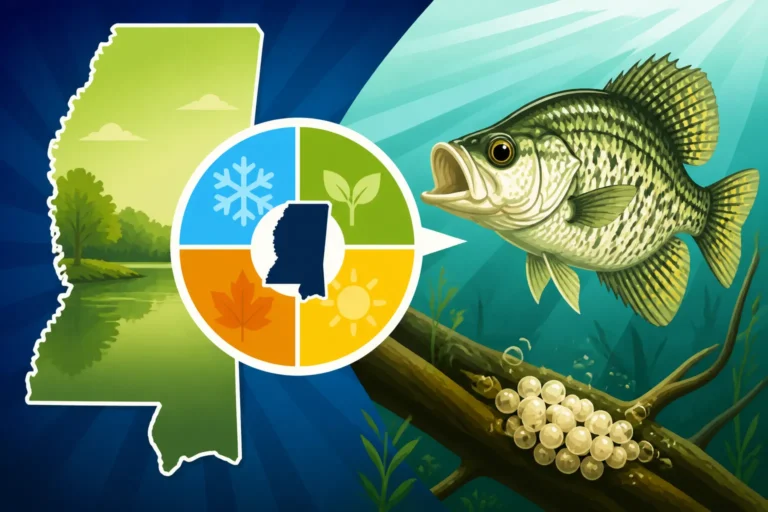
- Ideal Range: The magic window for crappie spawning in Mississippi typically falls between 60-68°F (15-20°C). Once the water consistently reaches this range, usually in late March, April, or early May, crappie move into incredibly shallow water to lay their eggs.
- Behavior: Male crappie will move in first, fanning out nests in water as shallow as one to three feet, often around submerged brush, lily pads, reeds, or cypress trees. Females follow shortly after. During this time, they are highly aggressive and territorial. They'll strike at anything that invades their spawning area, making them relatively easy targets. Focus on shallow, protected coves and sun-drenched banks. Knowing the Mississippi Crappie Spawning Season Closure Rules can also be important depending on the specific lake.
Post-Spawn Recovery and Summer Patterns
Once the spawn is over, usually when temperatures climb into the high 60s and low 70s, crappie enter a period of recovery. They’re often exhausted and disoriented, scattering from their shallow beds.
- Post-Spawn (68-75°F / 20-24°C): Crappie will begin to recuperate, often retreating to slightly deeper water near the spawning areas, seeking out cover like submerged brush piles or timber. They might be a bit finicky as they recover their energy.
- Summer Heat (75°F+ / 24°C+): As Mississippi's summer heat really sets in, water temperatures can soar. Crappie will move to deeper, cooler, and more oxygenated parts of the lake. They often relate to the thermocline if one forms, or suspend over deep channels, around bridge pilings, or in the dense shade of cypress trees. They’ll still feed, but often during low-light conditions like early morning, late evening, or at night. If you’re wondering How Deep Do Crappie Go in Summer, the answer is usually as deep as they need to for comfort.
Fall Feeding Frenzy and Winter Holding Patterns
As the leaves change and temperatures begin to drop, crappie get a second wind.
- Fall (70-55°F / 21-13°C): This is another prime time for crappie fishing. As the water cools, baitfish become more active and start schooling up. Crappie follow suit, moving into shallower water to gorge themselves in preparation for winter. They can be found in creek channels, around standing timber, and along old river beds. The Mississippi Fall Fishing Guide has more tips for this season.
- Winter (Below 55°F / 13°C): When cold weather truly takes hold, crappie retreat to their deep-water sanctuaries. They’ll often suspend in large schools over the deepest basins of reservoirs, typically near structures like submerged humps, ledges, or deep timber. Their metabolism is slow, so presentations need to be subtle and slow. This is a challenging but rewarding time for dedicated anglers. For specific tactics, our guide on How to Catch Crappie in Cold Winter Water offers great advice.
Here’s a quick overview of crappie behavior at different water temperatures:
| Water Temperature Range | Crappie Behavior | Recommended Tactics |
|---|---|---|
| Below 45°F (7°C) | Very sluggish, deep-water holding, minimal feeding. | Vertical jigging, slow trolling, deep brush piles, structure. |
| 45-55°F (7-13°C) (Pre-Spawn) | Staging in creek channels, active feeding, schooling. | Vertical jigging, slow trolling (spider rigging), live minnows. |
| 55-60°F (13-15°C) (Pre-Spawn) | Moving shallower towards spawning grounds, aggressive. | Cast jigs, slow troll, live minnows, shallow brush. |
| 60-68°F (15-20°C) (Spawn) | Shallow water, fanning nests, highly territorial. | Cast small jigs, bobber fishing, sight fishing, pitching plastics. |
| 68-75°F (20-24°C) (Post-Spawn) | Recovering, scattering, moving to slightly deeper cover. | Trolling, vertical jigging, exploring drop-offs near spawn areas. |
| 75°F+ (24°C+) (Summer) | Deep water, shade, thermocline, low-light feeding. | Deep trolling, slow vertical presentations, night fishing. |
How to Accurately Measure Water Temperature
Understanding the importance of water temperature is only half the battle; the other half is accurately measuring it and interpreting what those numbers mean for your fishing strategy. You wouldn't guess your truck's oil level, so why guess the water temperature?
Essential Tools for Temperature Tracking
Fortunately, getting accurate temperature readings is easier than ever.
- Basic Water Thermometers: These are inexpensive and reliable for surface readings. You simply dip them into the water. Brands like those found on Amazon offer simple, durable options that can easily hang off your boat or tackle box.
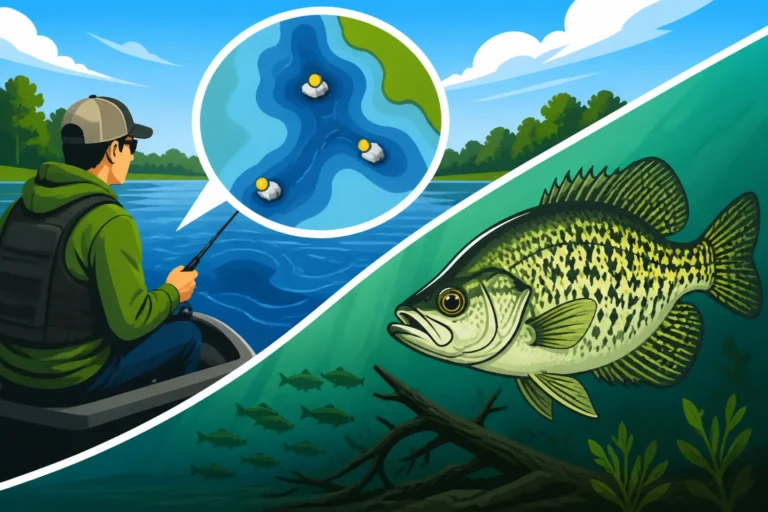
- Fish Finders with Temperature Sensors: Most modern fish finders, even entry-level models, come equipped with a transducer that reads water temperature. This is incredibly valuable because it gives you real-time readings as you move, and some advanced units can even show you temperature at different depths, helping you locate that crucial thermocline.
- Advanced Electronics: Higher-end units from brands like Humminbird or Garmin not only display surface temperature but can also map out temperature contours, giving you a detailed understanding of thermal breaks which are often prime crappie holding areas. These are excellent investments for serious anglers.
Where to Take Readings
Just taking a single temperature reading isn't enough; where and when you take it matters.
- Surface Temperature: Your transducer or a simple thermometer will give you surface temperature, which is a good starting point, especially in shallow water. However, remember that surface temps can fluctuate rapidly with air temperature and sunlight.
- Depth Readings: If your fish finder offers it, pay attention to temperature changes as you move through the water column. A sharp drop in temperature can indicate a thermocline, which is often a key holding depth for crappie in warmer months. In deeper lakes like Grenada Lake or Ross Barnett Reservoir, understanding these thermal layers is critical.
- Varying Locations: Take readings in different areas of the lake – in shallow coves, out in the main lake, in creek channels, and near river bends. You'll often find significant differences, helping you narrow down where crappie are most comfortable. For example, a shallow, muddy cove will warm up much faster in spring than a deep, clear main lake point.
Interpreting Your Readings for Action
Once you have your temperature data, it's time to put it to work.
- Identifying Key Zones: Look for areas that fall within the "prime" ranges discussed earlier. If the main lake is 50°F, but you find a shallow, sunny cove that's 58°F, that warmer cove is a strong candidate for pre-spawn crappie.
- Relating to Structure: Combine temperature readings with your knowledge of structure. Crappie will often use structure (brush piles, timber, ledges) that is located within their preferred thermal zone.
- Tracking Trends: Don't just look at a single day's reading. Pay attention to trends. A few days of consistent warm weather pushing temperatures up means crappie will be on the move. A sudden cold front dropping temperatures will send them deeper and make them less active. This knowledge is crucial when determining the Best Time of Year to Fish in Mississippi for crappie.
Adapting Your Tactics to Water Temperature Fluctuations
Understanding water temperature empowers you to make informed decisions about your fishing techniques. It's about being adaptable, not just sticking to one method.
Lure and Bait Selection Based on Activity Levels
A crappie’s metabolism directly impacts how aggressively it will chase and strike a lure.
- Cold Water (Below 50°F): When crappie are sluggish, they’re less likely to chase. This is the time for subtle presentations. Small jigs (1/32 oz to 1/16 oz) fished very slowly, often tipped with a live minnow, are deadly. The minnow provides natural scent and movement, enticing reluctant bites. Spider rigging, which involves multiple rods with baits presented vertically, can be very effective when crappie are grouped tight and not moving much. Consider small, brightly colored jigs that stand out even when barely moving.
- Moderate Water (50-70°F): As crappie become more active, you can speed up your retrieve and use more aggressive baits. Small crankbaits, spinnerbaits, and larger soft plastic jigs become more effective. Trolling at a faster pace can cover more water and trigger reaction strikes. Live minnows are still a top choice, but you might want to present them with a little more action or in conjunction with a jig. Our guide on Best Bait for Crappie in Mississippi provides an exhaustive list of options.
- Warm Water (Above 70°F): In hot weather, crappie often hold deep. While they may still be active, they might prefer larger baits or presentations that mimic a quick, easy meal. Deep trolling with heavier jigs or crankbaits can be productive. Night fishing, when surface temperatures cool, also becomes a prime tactic, often using lights to attract baitfish and crappie.
Presentation and Depth Adjustments
Where you present your bait in the water column is just as important as the bait itself, and temperature guides this.
- Shallow Water (Spawn/Early Spring/Late Fall): When crappie are shallow, a simple bobber and jig or minnow rig works wonders. Pitching jigs into brush piles or along banks allows for precise presentations. In incredibly clear, shallow water, long poles and stealthy approaches are key to avoid spooking fish.
- Mid-Depth (Pre-Spawn/Post-Spawn/Transition Periods): Crappie often suspend during these times, especially over deeper structure or along ledges. Spider rigging, where baits are suspended at precise depths, is incredibly effective. Slow trolling jigs or minnows at various depths until you find the fish's preferred comfort zone is also a great strategy. Using your fish finder to mark schools of bait or crappie, then setting your depth accordingly, is paramount. For example, if you see fish at 15 feet over a 30-foot bottom, set your lines to fish at 15 feet.
- Deep Water (Winter/Summer): In extreme temperatures, crappie will seek the deepest comfortable water. Vertical jigging directly over submerged timber, brush piles, or along deep ledges is the ticket. Drop-shot rigs can also keep your bait in the strike zone longer. When using a fish finder, look for tight schools of crappie congregated near the bottom or suspended just above structure. Remember, they won't chase far in cold water, so precise bait placement is crucial. Techniques covered in Trolling for Crappie on Mississippi Reservoirs are often adapted for these deeper conditions.
Dealing with Rapid Temperature Changes
Mississippi weather can be notoriously fickle, with warm fronts followed by sudden cold snaps. Crappie react dramatically to these changes.
- Cold Fronts: A sudden drop in air temperature, especially after a warm spell, can send crappie into a funk. They’ll often retreat to deeper, more stable water and become very inactive. When this happens, slow down your presentation considerably, use smaller baits, and focus on vertical presentations directly to structure. You might need to coax a bite rather than trigger a reaction.
- Warm Spells: Conversely, a sudden warm spell in colder months can bring crappie shallower, especially if the sun has been out for a few days, warming up shallow, dark-bottomed areas. This can be a prime time to target crappie that are temporarily moving up to feed.
- Seasonal Transitions: The key during any transition, whether it's the shift from winter to spring or summer to fall, is to use your thermometer and fish finder to actively search for the crappie's current comfort zone. Don't assume they'll be where they were last week; fish often move dramatically with just a few degrees of temperature change. Stay flexible, try different depths, and keep an eye on your electronics.
Disclaimer
The information provided in this guide is for general informational purposes only and is not intended as a substitute for professional advice. Fishing conditions, regulations, and fish behavior can vary significantly. Always consult the latest regulations from the Mississippi Department of Wildlife, Fisheries, and Parks (MDWFP) before heading out. Exercise caution and good judgment when on the water.