Best Time of Day to Catch Bass
It's a question every bass angler in Mississippi has pondered: "When is the absolute best time of day to catch bass?" You can spend hours on the water, meticulously casting, changing lures, and watching your sonar, only to come up empty-handed if you're not there when the bass are ready to bite. It's frustrating to feel like you're missing the window, and understanding the daily rhythms of bass can feel like cracking a secret code. This guide aims to decode those daily patterns, offering realistic insights into how bass behavior changes throughout the day, influenced by seasons, weather, and specific Mississippi waters.
Understanding Bass Behavior Throughout the Day
Bass are creatures of habit, but their habits are deeply tied to environmental factors like light, temperature, and the activity of their prey. What works at dawn often won't work at noon, and recognizing these shifts is crucial for consistent success on the water.
Early Morning: The Golden Hour
There’s a reason why so many serious anglers are on the water before the sun fully clears the horizon: it’s often the prime feeding window. This early morning period, often referred to as the "golden hour," offers a perfect storm of conditions that encourage bass to be active and aggressive.
During this time, the water temperatures are at their coolest point of the day, making shallow-water foraging more comfortable for bass. More importantly, the low light conditions provide excellent ambush opportunities for these predatory fish. They can use the dimness to their advantage, hiding in shadows and surprising unsuspecting baitfish, crawfish, or frogs that are also venturing out to feed. You’ll often see baitfish schools shimmering near the surface, and that’s a clear sign that the food chain is active.
Bass tend to be less wary in the low light, making them more receptive to surface disturbances and faster presentations. This is why topwater lures shine during this period. Think poppers creating explosive strikes, or walking baits mimicking an injured shad on the surface. They’re actively looking to capitalize on easy meals before the sun gets too high and sends them deeper for cover. For anglers hitting legendary spots like Ross Barnett Reservoir or Sardis Lake, focusing on shallow flats, weed lines, and dock edges during these pre-dawn and post-dawn hours can yield incredible results.
Mid-Morning to Midday: Adapting to the Sun
As the sun climbs higher in the sky and penetrates the water, bass typically start to shift their behavior. The intense sunlight and rising water temperatures, especially during Mississippi’s warmer months, can push them out of their shallow feeding grounds. They're not necessarily "off the bite," but they become more selective and seek refuge.
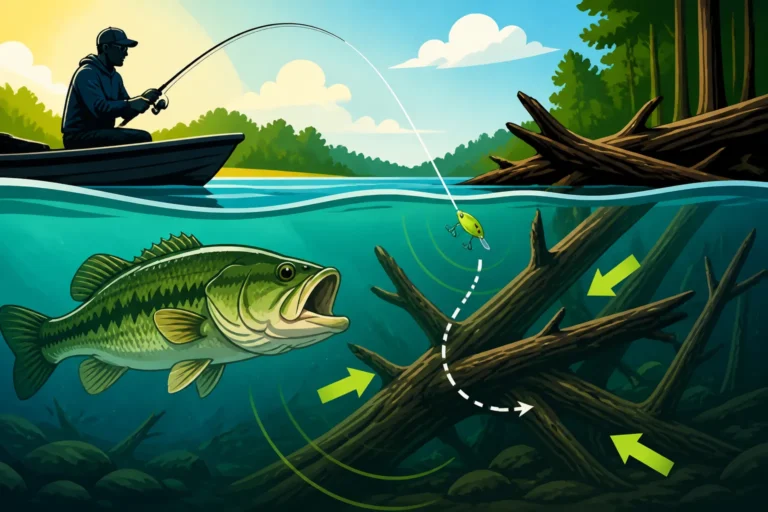
During mid-morning and into midday, bass will often retreat to deeper water, denser cover, or shaded areas. This might mean submerging themselves in brush piles, hugging tight to submerged timber, or positioning themselves under boat docks, overhanging trees, or deep ledges. The key is to find where they've gone to escape the direct sun and heat. Anglers need to adapt their techniques from fast, aggressive retrieves to more precise, subtle presentations. This is when jigs, Texas rigs, and Carolina rigs really shine, allowing you to probe specific pieces of structure or depth contours. You're no longer looking for actively roaming fish, but rather fish that are holding tight to cover, waiting for an opportune meal to swim by. For instance, on lakes like Grenada, knowing the location of deep creek channels or standing timber can be invaluable during these sunny midday hours.
The frustration often comes when you keep throwing topwater in bright sunlight and wonder why nothing is biting. The bass are still there; you just have to present your bait where they're comfortable and in a way that entices a strike from a less active fish.
Afternoon and Evening: The Second Bite Window
Just as the early morning offers a prime opportunity, the late afternoon and evening hours provide a similar, often overlooked, second bite window. As the sun begins its descent, easing its intensity on the water, conditions once again become more favorable for bass activity.
Water temperatures gradually start to cool, making shallower areas more inviting. The decreasing light levels also mimic the dawn period, reducing the bass’s vulnerability and increasing their confidence to move out of deep cover. Baitfish, too, often become more active in the waning light, providing bass with ample feeding opportunities. You might notice schools of shad flickering on the surface or congregating in creek mouths as the day winds down.
This can be a fantastic time for power fishing techniques, covering water with spinnerbaits, crankbaits, or even a return to topwater lures as twilight approaches. Bass that were lethargic in the midday heat can become aggressive feeders again, often targeting edges of weed lines, points, and even back in the shallows where they started their day. Many anglers find the transition from late afternoon into dusk to be incredibly productive, as bass prepare for their nocturnal movements or a final feeding binge before darkness truly sets in. This "second shift" can be just as exciting as the first, offering anglers the chance to capitalize on renewed fish activity before heading home.
How Seasonal Changes Influence Daily Bass Patterns in Mississippi
While the daily sun cycle is a primary driver of bass behavior, the overarching influence of Mississippi’s distinct seasons dramatically alters these daily patterns. A "best time" in spring might be completely different in summer or winter.
Spring: Pre-Spawn and Spawn Frenzy
Spring in Mississippi is a magical time for bass fishing, characterized by the exciting phases of pre-spawn and the actual spawn. During this season, daily bass patterns are heavily dictated by water temperature as bass prepare for and engage in reproduction.
In the pre-spawn period, which typically begins when water temperatures climb into the 50s and low 60s Fahrenheit, bass are actively feeding to bulk up for the energy-intensive spawning process. They'll often stage on points, humps, and secondary creek channels leading into spawning flats. During this phase, you can find bass actively feeding throughout much of the day, though mornings and late afternoons still tend to be the most productive as they move between deeper staging areas and shallower feeding grounds. Aggressive presentations like lipless crankbaits, spinnerbaits, and jigs can be highly effective. The key is finding those migration routes and staging areas.
As water temperatures reach the mid-60s to low 70s, the spawn truly begins. Bass move onto shallow flats, protected coves, and pockets to build and guard their nests. During the spawn, their primary focus isn't feeding, but protecting their eggs and fry. The best time to target these fish often shifts to midday, as the sun's warmth encourages them to stay on their beds, making them more visible for sight fishing. However, remember that targeting spawning bass raises ethical considerations about fish conservation. For more details on this crucial period, check out our guide on Mississippi Spring Fishing Guide. Understanding When Do Bass Spawn in Mississippi? is paramount for planning your spring trips.
Summer: Deep and Early/Late Strategies
Mississippi summers are hot, and the scorching sun and high water temperatures present significant challenges for bass anglers. The daily patterns for bass during these months are heavily influenced by the need to find cooler, more oxygenated water.
As surface water temperatures soar into the 80s and even 90s, larger bodies of water often experience thermal stratification, where cooler, oxygen-rich water settles in deeper layers. During the main part of the day, from late morning to mid-afternoon, bass will typically retreat to these deeper havens. This means focusing your efforts on deep ledges, offshore humps, submerged brush piles, and the deepest parts of creek channels. Techniques like drop shotting, deep-diving crankbaits, and heavy jigs become essential for probing these depths. It's a game of patience and precision, often requiring good electronics to locate these offshore structures.
However, summer also offers fantastic early morning and late evening opportunities. As the sun rises and sets, and water temperatures slightly recede, bass will often make quick forays into shallower water to feed, particularly on schooling baitfish. This is your chance for exciting topwater action, using baits like hollow-body frogs around lily pads or poppers along grass lines. These shallow feeding windows can be brief but incredibly productive. To truly master the challenges of this season, you might want to read How to Catch Bass in Hot Summer Weather.
Fall: Following the Baitfish Bonanza
Fall is another favorite season for many Mississippi bass anglers, marked by cooling water temperatures and an aggressive "feed-up" period for bass as they prepare for winter. Daily patterns in fall are heavily influenced by the presence and movement of baitfish.
As air and water temperatures gradually drop after summer's peak, often triggering what's known as "fall turnover" in some lakes, bass become highly active. This season is synonymous with the "shad run," where massive schools of baitfish, like gizzard and threadfin shad, move into shallower creeks and embayments, followed closely by hungry bass. During this period, bass are often less finicky about the time of day, as long as they are actively chasing bait. You can find them aggressively feeding from early morning through late afternoon.
Look for schooling bass busting on the surface, pushing bait into coves, or ambushing them along main lake points and creek channel bends. Fast-moving baits such as spinnerbaits, lipless crankbaits, and swimbaits are incredibly effective during these feeding frenzies. The key is to locate the baitfish, and the bass won't be far behind. Often, the best time to fish is simply when you find the bait activity. For a deeper dive into this exciting time, check out our guide on Fishing the Fall Shad Run in Mississippi.
Winter: Slow and Steady Wins the Race
Winter bass fishing in Mississippi, while often challenging, can be highly rewarding if you understand how cold water affects daily bass patterns. Bass metabolism slows significantly in cold water, making them less active and more reluctant to chase fast-moving lures.
During winter, the warmest part of the day becomes the most crucial. Instead of early mornings or late evenings, the window from late morning to mid-afternoon, when the sun has had a chance to warm the shallows or heat up rocks and other dark objects, is often the most productive. Bass will seek out these slightly warmer pockets of water, often congregating in deep creek channels, bluff walls, or near thermal refuges like power plant discharges (where available).
Your tactics need to reflect their slower metabolism. Slower presentations are key, such as jigging spoons, finesse jigs, or slow-rolling spinnerbaits along the bottom. You're trying to elicit a reaction strike or present an easy meal that requires minimal effort. They might not chase a bait far, so accurate casting to known holding areas is paramount. While they won't be as active as in spring or fall, catching a hefty winter bass often means focusing your efforts during those midday hours when they might briefly become more active. Learn more about year-round strategies in Mississippi Winter Fishing Guide.
The Impact of Weather and Environmental Factors
Beyond the sun’s daily path and the changing seasons, various weather and environmental factors play a huge role in determining when bass are most likely to bite. Overlooking these elements means missing crucial clues about their daily activity levels.
Cloud Cover, Rain, and Barometric Pressure
The weather doesn't just affect our comfort; it dramatically influences bass behavior and their daily feeding windows.
Cloud Cover: Overcast days are a gift for bass anglers. Low light conditions, similar to dawn and dusk, extend the bass's comfort zone, allowing them to remain active in shallower water for longer periods. This means that the "golden hour" can stretch for much of the day. Bass are less wary without direct sunlight and often become more aggressive. Topwater baits, spinnerbaits, and shallow crankbaits can be effective throughout the day on cloudy days.
Rain: Light, steady rain can often spark a fantastic bite. The rain breaks up the surface, making it harder for bass to be seen by prey, and it also washes nutrients and bait into the water, creating feeding opportunities. During a gentle shower, bass might actively feed on surface insects or small baitfish. However, heavy downpours can muddy the water, disperse bait, and push bass deeper, making fishing tougher. Learning to adjust for various conditions is part of the challenge. Our guide on How Rain Affects Crappie Fishing offers similar principles applicable to bass.
Barometric Pressure: This is often a hotly debated topic among anglers, but there's a consensus that rapidly changing pressure, especially falling pressure before a storm, can trigger aggressive feeding. Bass seem to sense these changes and feed heavily, anticipating less favorable conditions. Conversely, high, stable pressure, especially after a cold front, often results in a tougher bite as bass become more sluggish and hug tight to cover. Understanding Best Barometric Pressure for Fishing can give you a significant edge.
Wind and Water Clarity
Two other significant environmental factors that dictate where and when bass feed are wind and water clarity.
Wind: While many anglers dislike windy conditions, wind can actually be your friend when bass fishing. A moderate chop on the water surface does two main things: it breaks up the light, reducing visibility for predators and prey alike, and it often pushes baitfish into specific areas. Wind-blown banks, points, and humps can be excellent places to find actively feeding bass. The wind concentrates bait, creating an easy meal for bass, and the rough surface makes bass feel more secure. Often, the best daily bite might be on the wind-swept side of a lake. Knowing How Wind Direction Affects Bass Fishing can profoundly impact your daily success.
Water Clarity: The clarity of the water influences everything from lure choice to presentation speed. In clear water, bass rely heavily on sight and can be spooked easily. They might feed more actively during low light (early morning, late evening, or cloudy days) when their visibility advantage is maximized and they feel less exposed. During bright midday, they'll retreat to deep cover. In stained or muddy water, bass rely more on their lateral line (vibration) and smell. This means they can be more active throughout the day, but you'll need to use lures with strong vibration or scent, and often brighter colors or dark silhouettes. When shopping for these specific lures, check out the wide selection available on platforms like Amazon, where you can find anything from chartreuse crankbaits to black and blue jigs.
Moon Phases and Tides
While perhaps less talked about for purely freshwater bass fishing, moon phases and, for coastal areas, tides can definitely influence daily bass activity.
Moon Phases: The moon's gravitational pull affects not just ocean tides but also, to a lesser extent, freshwater bodies. Many anglers swear by moon phase calendars, predicting "major" and "minor" feeding times throughout the day based on the moon's position relative to the earth. Major feeding periods often coincide with moonrise and moonset, and minor periods with the moon's overhead and underfoot positions. While not universally accepted, many seasoned pros in Mississippi utilize these predictions, especially for planning peak daily efforts during consistent weather. If you're curious about this, our article on Does a Full Moon Affect Fishing? delves deeper.
Tides (for coastal/brackish areas): For anglers targeting bass in brackish water environments along the Mississippi Gulf Coast, such as areas around Bay St. Louis or Biloxi Bay, tides are incredibly important. The movement of water from incoming and outgoing tides creates currents that position bait and bass. Often, the best daily bite occurs around moving tides – either an incoming tide pushing bait into a bayou or an outgoing tide flushing bait out of a marsh. Slack tide (the period between high and low) can often be slower, but not always. Understanding tide charts is crucial for planning your fishing day in these unique environments.
Gear and Lure Considerations for Different Times of Day
Matching your gear and lure selection to the specific time of day is just as critical as understanding bass behavior. What works at sunrise will likely be ignored by a deep-dwelling bass at high noon. Having the right tools for the right window is essential.
Morning and Evening Low-Light Lures
The low light conditions of early morning and late evening are prime opportunities for aggressive, reaction-strike baits that capitalize on a bass's confidence and predatory instincts.
Topwater Baits: This is arguably the most exciting category for these periods. Poppers, such as a Rebel Pop-R, create a loud "blip" and splash that mimics a struggling baitfish, while walking baits like a Heddon Super Spook Jr. glide across the surface, enticing aggressive strikes. Hollow-body frogs are exceptional in heavy cover like lily pads or matted grass. The key is the surface disturbance and silhouette against the fading or rising light. These lures trigger explosive strikes that are hard to beat. You can find a huge variety of topwater lures from brands like Strike King, Rapala, and others on Amazon.
Spinnerbaits and Buzzbaits: These lures excel in low light or stained water due to the flash and vibration they produce. A spinnerbait with a large blade or two smaller blades creates a lot of commotion, making it easy for bass to locate, even in dim conditions. Buzzbaits, with their distinct sputtering sound on the surface, are also excellent for covering water quickly and drawing strikes from aggressive bass during these golden hours. They are particularly effective when fishing around shallow cover.
Midday and Deep Water Tactics
When the sun is high and bass have retreated to their deeper, darker havens, your approach needs to shift dramatically. Finesse and precision become more important than aggressive flash.
Jigs, Texas Rigs, and Carolina Rigs: These are your bread and butter for fishing deep structure, brush piles, and heavy cover. A jig, often tipped with a plastic craw or creature bait, can be slowly worked through timber or bounced off ledges, mimicking a crawfish or bottom-dwelling critter. Texas rigs (a worm or creature bait with a bullet weight and buried hook) are weedless and perfect for punching through thick vegetation or probing dense brush. Carolina rigs (a weight and swivel separated from the bait by a leader) allow a plastic worm or lizard to float enticingly above the bottom, excellent for dragging across open flats or humps where bass might be scattered. Many anglers keep a selection of these soft plastics, weights, and hooks on hand, often purchasing them in bulk from retailers like Amazon.
Deep Diving Crankbaits and Drop Shots: For covering deep water quickly, deep diving crankbaits can be highly effective, especially when bass are relating to specific depth contours or ledges. They dive to impressive depths and mimic fleeing baitfish. For more finicky bass or when you need a highly subtle presentation in deep water, the drop shot rig is unparalleled. It allows a small soft plastic to suspend at a specific depth above a weight, making it incredibly tempting for suspended or less active fish. If you're looking to expand your collection, consider a reliable deep diving crankbait from Strike King or a quality drop shot hook from Owner, both readily available on Amazon.
Rods, Reels, and Line for Adaptability
Having the right rod and reel setups is just as important as your lure choice, enabling you to effectively present your baits at different times of the day and in varying conditions.
Versatile Setups: Smart anglers often carry multiple rod and reel combos, each rigged for a different technique. For example, a medium-heavy baitcasting rod with a fast action might be perfect for casting jigs and Texas rigs in midday cover, while a lighter medium action spinning rod might be ideal for throwing smaller topwater baits or finesse presentations in the mornings. This adaptability saves time and ensures you’re always ready to switch tactics as the day progresses and bass patterns change.
Line Selection: Your fishing line choice should also vary. Braided line is excellent for punching through heavy cover with jigs or frogs due to its strength and lack of stretch. Fluorocarbon is often preferred for deep water techniques like Carolina rigs or drop shots because of its low visibility and sensitivity. Monofilament can be a good choice for topwater baits due to its buoyancy. When selecting fishing line, remember that reputable brands like Seaguar (for fluorocarbon) or PowerPro (for braid) are available on Amazon, offering different strengths and spool sizes to suit your specific needs and daily changes in approach. For general guidance, check out Choosing the Right Rod and Reel for Mississippi Fishing to ensure you're equipped for the long haul.
Local Hotspots and Their Daily Rhythms in Mississippi
Mississippi offers an incredible diversity of bass fishing opportunities, from vast reservoirs to meandering rivers and intimate oxbow lakes. Each type of water body has its own unique daily rhythms that can influence the best time to catch bass.
Reservoir Fishing (Ross Barnett, Grenada, Sardis)
Mississippi's major reservoirs, like the Ross Barnett, Grenada Lake, and Sardis Lake, are immensely popular for bass fishing. Their sheer size and varied topography mean that daily patterns can be complex, but also incredibly rewarding once understood.
These large impoundments often have distinct deep-water structures – main lake points, offshore humps, ledges, and creek channels – that become critical holding areas for bass, especially during midday and in hotter seasons. For instance, on the Ross Barnett Reservoir, bass might start their day feeding on shallow flats near the river channel in Pelahatchie Bay, then retreat to deep hydrilla beds or submerged timber as the sun gets high. Understanding Ross Barnett Reservoir Bass Fishing is key for consistent success. On lakes like Grenada and Sardis, renowned for their crappie, the bass often relate to similar creek channels and points. Early mornings and late evenings are typically prime for shallower bites around grass beds and rip-rap, while the midday often requires moving offshore with jigs and deep crankbaits. Our Sardis Lake Fishing Guide highlights areas where these patterns are particularly prevalent. The daily influence of current from spillways, if present, can also create feeding opportunities at specific times.
River and Oxbow Lake Strategies (Mississippi River)
Fishing the mighty Mississippi River and its numerous oxbow lakes presents a different set of challenges and opportunities, with daily patterns heavily influenced by current and fluctuating water levels.
In the main river channel, current dictates everything. Bass will position themselves out of the main flow, in eddies, behind log jams, or along current seams, waiting to ambush baitfish being swept downstream. The "best time" on the river can often be tied to slack water periods (if water levels are stable) or when the current is moderate, allowing bass to conserve energy while still feeding. Early mornings and late evenings are typically excellent, as bass might move into shallower backwaters and sloughs that are less affected by strong currents. Knowing the rhythm of the river, especially around specific structures, is paramount.
Oxbow lakes, which are remnants of old river channels, often have their own unique daily patterns. While they might still be connected to the main river, their calmer waters make them behave more like large ponds or smaller reservoirs. Here, the typical early morning/late evening shallow bite is very strong, especially around timber, lily pads, and fallen trees. Midday might see bass moving to deeper holes or under dense cover. For a comprehensive look at how to tackle these waters, our Mississippi River Fishing Guide is an invaluable resource.
Delta Ponds and Small Lakes
Mississippi's countless small ponds, farm ponds, and smaller state fishing lakes, especially prevalent in the Delta region, offer excellent bass fishing and often simpler daily patterns compared to large reservoirs.
These smaller, often shallower bodies of water tend to warm up and cool down faster, and they may lack the extensive deep-water refuges of larger lakes. This often means that the prime early morning and late evening bites can be more pronounced and extended. Bass in these waters might stay shallower for longer into the morning and return earlier in the afternoon because they don't have as far to retreat to deep comfort zones. Targeting weed lines, fallen trees, and shallow points during these windows is usually the most effective strategy.
Midday fishing in smaller ponds can still be productive, but bass will likely be hunkered down in the densest cover available – under lily pads, thick grass, or shady banks. A stealthy approach with a weedless lure, like a frog or a Texas-rigged worm, is often necessary. These smaller waters are fantastic for anglers who prefer bank fishing or kayak fishing, and their daily rhythms can be more predictable, making it easier to plan your outings.
Here’s a quick overview of how the "best time" can shift:
| Season | Time of Day | Bass Behavior | Typical Conditions | Go-To Lures |
|---|---|---|---|---|
| Spring | Early Morn, Late Aft | Aggressive feeding (pre-spawn), staging | Rising temps, increasing light | Lipless Crankbaits, Spinnerbaits, Jigs, Jerkbaits |
| Midday | Nest guarding (spawn), sunning | Stable temps, bright sun (sight-fish) | Soft Plastics (Texas/Carolina rigs), Jigs (for beds) | |
| Summer | Early Morn, Late Even | Quick shallow feeding forays | Low light, cooling temps | Topwater (Frogs, Poppers), Buzzbaits |
| Midday | Deep water retreat, lethargic | High heat, direct sun, stratified water | Deep Diving Crankbaits, Drop Shots, Heavy Jigs, Carolina Rigs | |
| Fall | All Day (Bait-driven) | Chasing baitfish, active feeding | Cooling temps, turnover possible | Spinnerbaits, Lipless Crankbaits, Swimbaits, Topwater (during busts) |
| Peak Bite | Shad run activity, surface busts | Active bait schools | ||
| Winter | Late Morn, Midday | Seeking warmest water, slow metabolism | Cold water, stable pressure | Finesse Jigs, Jigging Spoons, Blade Baits, Slow-rolled Spinnerbaits |
| Short Windows | Brief feeding in warmest part of day | Sun penetration, stable conditions |
Ultimately, the "best" time to catch bass in Mississippi isn't a single hour on the clock. It's a dynamic interplay of daily light cycles, seasonal shifts in water temperature, and prevailing weather conditions. By understanding these factors and adapting your approach, you'll significantly increase your chances of a successful day on the water, no matter what time you launch your boat or cast from the bank. Mastering the patterns helps you capitalize on the most productive windows and even turn challenging times into opportunities.
Disclaimer
The information provided in this guide is for general informational purposes only. Fishing regulations, conditions, and fish behavior can change. Always consult the latest regulations from the Mississippi Department of Wildlife, Fisheries, and Parks (MDWFP) before heading out. Fishing involves inherent risks; please prioritize safety on the water.