Eagle Lake Fishing Guide
Eagle Lake, nestled in Warren County, can be a bit of a mystery if you're not familiar with its unique oxbow nature. Anglers often struggle to pinpoint the best spots or techniques, getting frustrated by its vastness and varying depths. This comprehensive guide is designed to cut through that confusion, offering detailed insights into Eagle Lake's prime fishing locations, seasonal patterns, and effective strategies to help you consistently land your desired catch.
Getting to Know Eagle Lake's Unique Character
Eagle Lake isn't just another body of water; it’s an ancient oxbow lake, a relic of the meandering Mississippi River. These geological wonders are formed when a bend in a river is cut off from the main channel, leaving behind a crescent-shaped lake. This history profoundly shapes its ecology and, consequently, its fishing opportunities. Understanding its origins and current conditions is the first step to unlocking its angling potential.
A Lake Like No Other: Oxbow Dynamics
For those unfamiliar, imagine the Mississippi River, eons ago, carving a dramatic loop. Over time, the river's path changed, straightening out, and that loop became isolated, turning into the beautiful, productive lake we know today as Eagle Lake. Its unique shape—long and relatively narrow, bending like an eagle's outstretched wing—sets it apart. While the river itself might fluctuate wildly, Eagle Lake generally maintains a more stable water level, though it can still be influenced by significant rainfall or drought. This stability, coupled with its fertile, silty bottom, makes it an incredibly rich ecosystem for a wide variety of fish species.
The fact that it's an oxbow lake means it retains many characteristics of a riverine environment, despite being disconnected. It's often deeper in certain areas, particularly along the original river channel that carved it, and features plenty of submerged timber, stumps, and old river bottom structure that provide ideal habitat for fish. Knowing this historical context helps you anticipate where fish might hold, seeking out those old riverbeds or channels within the lake. Its location in Warren County makes it easily accessible for many anglers looking for a unique fishing experience away from the traditional reservoirs. If you’re planning a trip, be sure to check out our guide on How to Get to Eagle Lake in Warren County for detailed directions and access points.
Water Conditions and Habitat
Eagle Lake's water conditions can vary, but generally, you'll find it to be quite fertile, often with a stained or slightly turbid clarity, especially after heavy rains. This isn't necessarily a bad thing; slightly stained water can often make fish feel more secure and less wary of anglers and their presentations. The lake's bottom is predominantly soft, silty, and rich in nutrients, which supports a thriving forage base of baitfish, crawfish, and insects—all essential food sources for game fish.
Vegetation plays a critical role in Eagle Lake's habitat. You'll encounter a mix of submerged grasses, lily pads, and, most notably, abundant cypress trees lining its banks in many areas. These cypress trees, with their intricate root systems and "knees," provide incredible cover, shade, and ambush points for predatory fish like largemouth bass and crappie. Additionally, anglers have often created their own brush piles and stake beds, particularly for crappie, adding even more complex structure. Understanding these various types of cover—from the natural cypress swamps to man-made fish attractors—is paramount to successful fishing on Eagle Lake. When the water gets hot, fish will often tuck deep into this cover for shade and cooler temperatures.
Prime Fishing Seasons at Eagle Lake
Just like with any productive fishery, understanding the seasonal movements and behaviors of fish at Eagle Lake is key. The changing temperatures throughout the year dictate where fish will be, what they'll be eating, and how best to target them. Mississippi's mild climate often means longer fishing seasons, but each season presents its own unique opportunities and challenges.
Springtime Spawning Frenzy
Ah, spring! This is arguably the most anticipated time of year for many anglers at Eagle Lake. As water temperatures begin to climb into the 50s and 60s Fahrenheit, the fish, especially crappie and largemouth bass, start their annual migration towards shallower waters for their spawning rituals. This period is marked by an explosion of activity, making it a fantastic time to be on the water.
For crappie, the pre-spawn and spawn phases are legendary. They'll move into the cypress trees, around lily pads, and into any shallow brush piles, often staging in slightly deeper water nearby before moving onto their beds. Tiny jigs, live minnows, and small spider-rigged baits presented close to cover are incredibly effective. You can often find them in just a few feet of water, making them accessible even for bank anglers or those in smaller boats. Don't forget to review Crappie Fishing Techniques for Mississippi Lakes to brush up on your skills before hitting the water.
Largemouth bass also become highly active in the spring. They'll move into coves, along protected shorelines, and into the dense vegetation to build their nests. Shallow-running crankbaits, spinnerbaits, and soft plastics like Texas-rigged worms or jigs are excellent choices. Look for them guarding beds near stumps, fallen logs, or the base of cypress trees. This is when you can often catch some of the lake's biggest bass, as they're aggressive and territorial. For more in-depth knowledge on this specific time of year, our Mississippi Spring Fishing Guide offers a broader perspective on spring angling throughout the state.
Summer Strategies for Deep Water
As Mississippi's heat truly settles in, typically from late May through September, Eagle Lake's fish undergo a significant shift. The shallow waters warm up considerably, driving many game fish to seek refuge in deeper, cooler, and more oxygenated parts of the lake. This can be a frustrating time for anglers who don't adjust their tactics, but with the right approach, summer can still be very productive.
Crappie will often move to deeper brush piles, submerged timber, or the ledges of the old river channel. They might suspend over these structures, making them a bit trickier to locate. Techniques like vertical jigging, slow trolling with multiple rods (spider rigging) at specific depths, and using electronics to find schools of baitfish and crappie become essential. Live minnows are always a good bet, as are small, brightly colored jigs. When the bite gets tough, sometimes a slight change in jig color or retrieval speed can make all the difference.
Bass, too, will largely retreat to deeper structure. They might be found holding on submerged points, deep grass edges, or large brush piles. Early mornings and late evenings offer a brief window when they might venture shallower to feed on topwater lures or buzzbaits. Otherwise, think deep: big worms, jigs, deep-diving crankbaits, and Carolina rigs worked slowly along the bottom or over submerged structure. Look for any areas with cooler water or abundant shade. Keep in mind, our Mississippi Summer Fishing Guide has more tips for battling the heat across the state.
Fall Transition and Feeding Habits
Fall is another fantastic time to fish Eagle Lake, often considered a second spring by many seasoned anglers. As air and water temperatures begin to cool, usually from September through November, the entire lake ecosystem revitalizes. Fish become much more active, often going on a feeding binge in preparation for the leaner winter months.
This is a prime time for the "shad run." As the water cools, baitfish like shad become more active and schools begin to migrate. Game fish, sensing the impending winter, will aggressively pursue these baitfish. For crappie, look for them around creek channels, brush piles, and any structure where baitfish are congregating. They'll often be found at mid-depths, actively feeding. Trolling with jigs or minnows can be very effective as you cover more water to find scattered schools.
Bass will also follow the baitfish, often moving from their deep summer haunts into shallower to mid-depth areas. Spinnerbaits, chatterbaits, lipless crankbaits, and swimbaits that mimic shad are incredibly productive. You might even see schooling bass busting bait on the surface during cooler mornings or evenings. Focus on points, creek mouths, and any areas where baitfish are concentrated. The renewed activity and comfortable weather make fall a favorite season for many on Eagle Lake.
Targeting Eagle Lake's Top Species
Eagle Lake is a renowned fishery, famous for its incredible crappie, robust bass, and ample opportunities for catfish and panfish. Each species requires a slightly different approach, but with a bit of local knowledge and the right gear, you can find success.
Cracking the Crappie Code
Eagle Lake is often synonymous with crappie fishing, and for good reason. It consistently produces both high numbers and impressive sizes. Anglers often rave about the lake's ability to kick out limits of slabs. When it comes to methods, versatility is your friend. Live minnows, particularly medium to large ones, are a perennial favorite, either fished under a bobber in shallow cover during spring or vertically jigged in deeper brush piles in summer and winter.
Jigs, especially tube jigs, curly tail grubs, and hair jigs, are also incredibly effective. Colors like chartreuse, white, black/chartreuse, and pink are popular choices, but don't be afraid to experiment based on water clarity and sunlight. Many successful crappie anglers on Eagle Lake employ "spider rigging," using multiple long rods extended from the boat to cover a wide area, often slowly trolling jigs or minnows at varying depths until a pattern is found. This technique is particularly potent when crappie are scattered or holding at a specific depth over open water or deep structure. Remember, checking Mississippi Crappie Regulations by Lake or statewide rules is crucial to ensure you're compliant with daily limits, which for Eagle Lake are a generous 30 per person with no size limit, making it a fantastic destination for filling the cooler.
Battling the Bass
Largemouth bass are another star attraction at Eagle Lake. The lake's abundant cover—cypress trees, lily pads, hydrilla, and submerged timber—creates a perfect environment for them to thrive and grow to impressive sizes. If you're looking for a tackle-testing fight, Eagle Lake bass won't disappoint.
In the spring, as mentioned, shallow-running crankbaits, spinnerbaits, and soft plastics like plastic worms (Texas or Carolina rigged), creature baits, and jigs are excellent choices. Focus on the visible cover. As summer progresses, you'll need to go deeper. Deep-diving crankbaits, football jigs, and heavy Texas-rigged worms fished around deep structure, creek channels, and the edges of remaining deep grass beds will produce. Topwater action can be explosive during low-light conditions in summer and fall, with frogs, buzzbaits, and walking baits drawing incredible strikes from the dense vegetation. For more ideas on effective presentations, our guide on Best Lures for Largemouth Bass offers a comprehensive look at popular options. Fall sees bass becoming incredibly aggressive, chasing shad, making reaction baits like lipless crankbaits, chatterbaits, and swimbaits highly effective. For general insights into the species, don't miss our detailed piece on Largemouth Bass Fishing in Mississippi.
Catfish and Panfish Opportunities
While crappie and bass often steal the spotlight, Eagle Lake also offers excellent fishing for various catfish species and panfish like bream (bluegill and redear sunfish). These species provide reliable action, often making for a great family fishing trip or a fun alternative when the game fish bite is slow.
You'll find channel catfish, blue catfish, and flathead catfish in Eagle Lake. Channel cats are the most common and can be caught year-round using traditional baits like cut bait, stink baits, chicken livers, or nightcrawlers. Fish them on the bottom, especially in deeper holes or along the old river channel. Blue cats tend to grow larger and prefer fresh cut bait. Flatheads are solitary ambush predators, often found near heavy cover like submerged logs or root systems, and are best targeted with live bait like bluegill or shad. For specific tactics, our guide on Catfish Fishing Techniques can get you started.
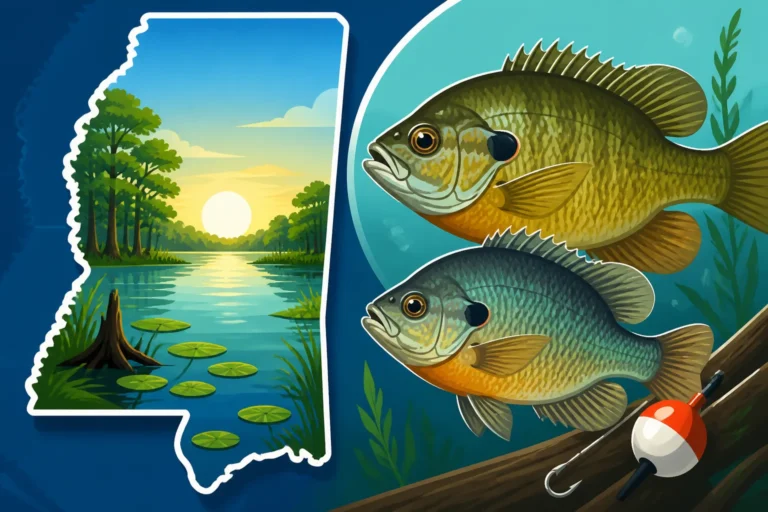
Bream, including bluegill and redear sunfish (shellcrackers), are abundant in the lake's shallower, vegetated areas. They're a fantastic target for kids or fly fishermen. Small worms, crickets, or even tiny artificial jigs under a bobber are deadly effective. Look for them around lily pads, cypress knees, and along the banks where vegetation provides cover and food sources.
Essential Techniques and Gear for Eagle Lake
To consistently succeed on Eagle Lake, it’s not just about knowing where the fish are, but also how to present your bait and navigate the water effectively. Having the right tools and understanding specific techniques can dramatically increase your catch rates.
Live Bait vs. Artificial Lures
The age-old debate continues, but at Eagle Lake, both live bait and artificial lures have their place and excel under different conditions.
- Live Bait: For crappie, live minnows are king, especially when fish are finicky or during slower periods. Their natural movement is often irresistible. For catfish, live or cut bait (like shad or bream) is hard to beat. The primary advantage of live bait is its natural appeal; fish often can't resist a living, wiggling meal. The downside can be the cost, the need to keep them alive, and sometimes dealing with smaller "nibblers" that don't fully commit.
- Artificial Lures: For bass, artificial lures offer incredible versatility. You can mimic various baitfish, crawfish, or even frogs with different lure types. Jigs, crankbaits, spinnerbaits, soft plastics, and topwater baits allow you to cover different depths, retrieve speeds, and react to changing conditions quickly. Crappie jigs are also highly effective, especially when actively searching for fish or when trying to entice a reaction strike. The advantage here is convenience, durability, and the ability to cover water efficiently. The challenge is often finding the right presentation, color, and retrieve speed to trick the fish. Ultimately, the most successful anglers on Eagle Lake often combine both approaches, adapting to what the fish prefer on any given day. For targeting crappie specifically, our article on the Best Bait for Crappie in Mississippi provides excellent recommendations.
Mastering Structure and Cover
Eagle Lake is rich with both natural and man-made structure and cover, and knowing how to fish these elements is paramount.
- Cypress Trees and Lily Pads: These are iconic features of Eagle Lake. Bass and crappie will relate heavily to the shade and protection offered by cypress trees and the dense mat of lily pads. Pitching jigs, Texas-rigged worms, or weedless frogs directly into the pads or around the cypress knees can be incredibly effective. Don't be afraid to get your lure right up against the cover; that's often where the biggest fish are hiding.
- Submerged Timber and Brush Piles: Below the surface, Eagle Lake holds a maze of submerged logs, stumps, and man-made brush piles. These are prime fish attractors, especially for crappie and deeper-holding bass. Using a good fish finder to locate these hidden gems is critical. Once found, present jigs or minnows vertically, slowly lowering them into the cover, or cast soft plastics and jigs carefully to avoid snags. Be prepared to lose some tackle here, but the rewards can be substantial.
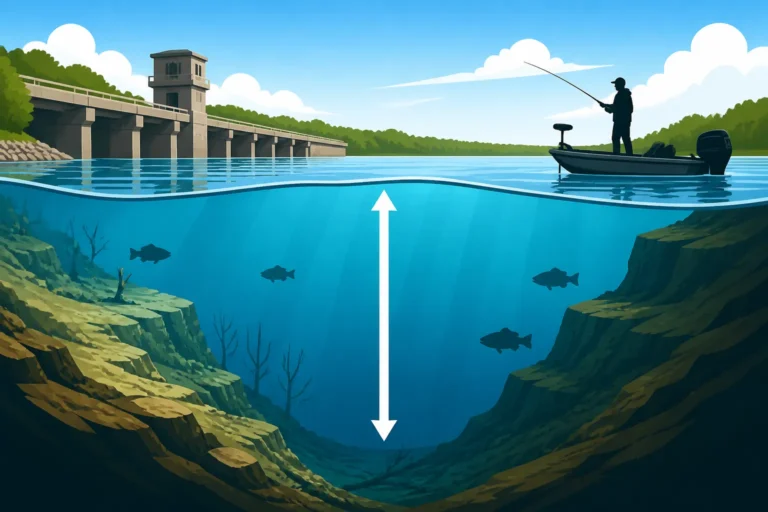
- Ledges and Channels: The remnants of the old Mississippi River channel create distinct ledges and drop-offs within Eagle Lake. These underwater contours act as highways for fish, especially during warmer months or when fish are transitioning between shallow and deep water. Crappie will often suspend along these ledges, and bass will cruise them looking for feeding opportunities. Deep-diving crankbaits, Carolina rigs, and vertical jigging can be excellent methods for probing these areas.
Navigation and Electronics
Eagle Lake, being an oxbow, has some shallow areas, particularly in its northern stretches, and can be riddled with submerged stumps and logs. This makes careful navigation essential, especially if you're unfamiliar with the lake. Always proceed with caution, especially when running at high speeds in unknown areas.
Modern marine electronics are indispensable on a lake like Eagle Lake. A quality fish finder with GPS and mapping capabilities can literally be a game-changer.
- Fish Finder (Sonar): This allows you to identify schools of baitfish, locate individual fish or schools of game fish, and pinpoint submerged structure like brush piles, stumps, and ledges that are invisible from the surface. Pay attention to changes in depth, bottom composition, and any "arcs" or "dots" that indicate fish.
- GPS and Mapping: Detailed lake maps (often preloaded on modern fish finders) show contour lines, old creek channels, and sometimes even marked hazards. Using GPS, you can mark waypoints for productive fishing spots, brush piles you've found, or safe travel routes, allowing you to return to them easily. This is particularly useful for finding those specific crappie holes you discovered. Our article on Reading a Fish Finder for Crappie goes into more detail on how to interpret what your screen is showing you.
- Trolling Motor: A quality electric trolling motor, especially one with GPS anchoring capabilities (like Minn Kota's Spot-Lock or Lowrance's Ghost), can make fishing dense cover or holding over a brush pile much easier, allowing you to focus on fishing rather than constantly steering.
Accessing Eagle Lake and Local Amenities
Getting to and fishing Eagle Lake requires understanding the access points and what services are available nearby. It's a popular spot, so planning your trip, especially during peak seasons, is always a good idea.
Boat Ramps and Public Access
Eagle Lake offers several boat ramps, though some are privately owned and might charge a small fee for launch and parking. The most commonly used public ramps include those managed by local authorities or private marinas. Always check the condition of the ramps, especially during periods of lower water, as some might become difficult to use.
One of the main access points is often the Eagle Lake Public Boat Ramp, which provides good concrete ramps and parking. There are also a few private camps and marinas around the lake, such as Eagle Lake Marina, that offer launch facilities, often with bait, tackle, and sometimes fuel. It's wise to call ahead, especially for private facilities, to confirm hours, fees, and current conditions. While most fishing here requires a boat to access the best spots, there are limited areas for bank fishing, often near public parks or accessible shores. However, if you want to truly experience what Eagle Lake has to offer, a boat is highly recommended.
Lodging, Supplies, and Local Expertise
Since Eagle Lake is a popular fishing and recreational destination, you'll find a range of amenities nearby, particularly in the towns surrounding Warren County or even Vicksburg, which isn't too far.
- Bait and Tackle: Several local bait shops are situated close to the lake, offering live minnows (essential for crappie!), worms, crickets, and a selection of artificial lures, hooks, and weights tailored for Eagle Lake's species. Stopping by one of these shops is a great way to get the latest local fishing report and insights from the folks who are on the water constantly.
- Lodging: For extended trips, there are cabins, RV parks, and campgrounds around the lake itself, as well as hotels and motels in nearby Vicksburg. Booking in advance, especially during spring and fall, is highly advisable.
- Local Fishing Guides: If you're new to Eagle Lake or want to maximize your chances of success, consider hiring a local fishing guide. These experts know the lake inside and out—where the fish are biting, what baits they prefer, and how to navigate safely. A guide can significantly shorten your learning curve and put you on fish quickly. Services like FishingBooker can help you find reputable guides for Eagle Lake, allowing you to compare options and book a trip tailored to your preferences, whether you're targeting crappie, bass, or catfish. They offer a convenient way to connect with local pros who can provide an unforgettable day on the water.
Table: Eagle Lake Fishing Guide at a Glance
| Season | Target Species | Key Techniques | Recommended Baits/Lures | Prime Locations |
|---|---|---|---|---|
| Spring | Crappie, Largemouth Bass | Shallow jigging, spider rigging, pitching to cover | Live minnows, small jigs, spinnerbaits, soft plastics, crankbaits | Cypress trees, lily pads, shallow brush piles, coves, protected banks |
| Summer | Crappie, Largemouth Bass, Catfish | Vertical jigging, deep trolling, slow Carolina/Texas rigs, bottom fishing | Live minnows, jigs, deep-diving crankbaits, heavy soft plastics, cut bait | Deep brush piles, submerged timber, creek channels, ledges, shaded areas |
| Fall | Crappie, Largemouth Bass | Trolling (jigs/minnows), casting reaction baits, working points/channels | Jigs, minnows, lipless crankbaits, spinnerbaits, swimbaits, topwater | Creek channels, points, submerged humps, areas with baitfish schools |
| Winter | Crappie, Largemouth Bass, Catfish | Slow vertical jigging, deep trolling, slow presentations on bottom | Live minnows, small jigs, blade baits, jigs, cut bait, worms | Deep brush piles, creek channels, old river channel, protected deep holes |
Regulations and Conservation
Responsible angling is crucial for maintaining the health and productivity of Eagle Lake for generations to come. Understanding and adhering to all fishing regulations is not just about avoiding penalties, but about contributing to a sustainable fishery.
Understanding Mississippi's Fishing Rules
Before you even cast a line, ensure you have the proper Mississippi Fishing License Guide. Everyone aged 16 to 64, with some exceptions, needs a valid license to fish in Mississippi's public waters, including Eagle Lake. Licenses can be purchased online, at authorized retailers, or through the Mississippi Department of Wildlife, Fisheries, and Parks (MDWFP) app.
Beyond the license, it's vital to be aware of species-specific regulations. While Eagle Lake has generous crappie limits (30 per person, no size limit), other species may have different rules. For instance, black bass (largemouth, smallmouth, spotted bass) typically have a 10-fish daily aggregate limit. Catfish also have statewide limits, often 10 channel cats and 10 blue cats, but flatheads might have a lower limit. Always consult the most current Mississippi Fishing Regulations Explained booklet published by the MDWFP, as rules can change annually. It's your responsibility as an angler to know and follow these guidelines. Ignoring them can lead to significant Mississippi Fishing License Penalties and Fines, which no one wants.
Practicing Responsible Angling
Conservation goes beyond just following the rules; it's about being a good steward of the resource.
- Catch and Release: While taking home a limit of crappie from Eagle Lake is a cherished tradition, consider practicing catch and release for larger, older bass or for any fish you don't intend to eat. Proper catch and release techniques, such as minimizing air exposure, handling fish with wet hands, and using de-hooking tools, significantly improve the fish's survival rate.
- Respecting the Environment: Always pack out everything you pack in. This includes fishing line, bait containers, and any other trash. Pollution degrades water quality and harms wildlife. Avoid disturbing sensitive habitats, especially during spawning seasons.
- Boating Safety: Operate your boat responsibly. Be aware of submerged hazards, especially in an oxbow lake like Eagle Lake. Maintain safe speeds, observe no-wake zones, and always have appropriate safety gear onboard, including life jackets, especially for children. Respect other anglers and property owners.
By embracing these responsible angling practices, you help ensure that Eagle Lake remains a premier fishing destination for everyone who visits, allowing future generations to enjoy the same incredible fishing experiences we do today.
Disclaimer
The information provided in this guide is for general informational purposes only and is subject to change. Fishing regulations, conditions, and accessibility can vary. Always consult the latest official regulations from the Mississippi Department of Wildlife, Fisheries, and Parks (MDWFP) and check local conditions before planning your fishing trip. Safety should always be your top priority on the water.