How to Identify a Threadfin Shad
It's incredibly frustrating when you're out on the water, seeing baitfish flicker everywhere, but you can't quite tell what they are. That knowledge gap can be the difference between a productive day of fishing and a disappointing one. Understanding the specific baitfish in Mississippi's abundant waters, like the Threadfin Shad, is a secret weapon for any angler, and this guide is here to equip you with all the details you need to identify them with confidence.
The Crucial Role of Baitfish in Mississippi Fishing
You've probably heard the old adage, "Find the bait, find the fish." In Mississippi, that couldn't be truer. Our lakes, rivers, and reservoirs are teeming with life, and at the heart of that ecosystem is the humble baitfish. Knowing what these smaller fish look like and how they behave is often the missing piece in the puzzle of consistently catching bigger, healthier game fish. It's not just about throwing a lure; it's about throwing the right lure, in the right place, at the right time, and that all starts with understanding the forage.
Why Knowing Your Forage Is Key to Angling Success
Imagine spending hours casting a large, slow-moving lure when the game fish you're targeting are actively chasing tiny, fast-moving baitfish on the surface. You'd be totally out of sync with what's happening beneath the waves. Game fish, from aggressive bass to opportunistic crappie and hefty catfish, are primarily driven by their need to eat. Their movements, their preferred depths, and their feeding patterns are all intrinsically linked to the presence and behavior of their food sources. When you can accurately identify the baitfish present in a particular area, you gain a significant advantage, allowing you to choose baits and techniques that genuinely "match the hatch." This precision saves you time, effort, and ultimately, leads to more bites.
This understanding is paramount whether you're chasing the explosive fight of a Largemouth Bass Fishing in Mississippi, the delicate tug of a Crappie Fishing in Mississippi, or the steady pull of a Catfish Fishing in Mississippi. Each of these species, and many others, has preferences. They develop instincts to key in on certain baitfish based on size, shape, and movement. For instance, a bass targeting schooling shad might ignore a worm presentation, no matter how perfectly you fish it. By correctly identifying Threadfin Shad, you can instantly narrow down your lure choices and presentation styles, putting you squarely in the strike zone. It's about being a predator of the predators, understanding their prey.
Threadfin Shad as a Primary Food Source in Southern Waters
In Mississippi's fertile waters, the Threadfin Shad stands out as one of the most vital forage species. These small, silvery fish reproduce at an astonishing rate, ensuring a constant supply of food for nearly every predatory fish in the system. They thrive in the warm, nutrient-rich environments of our large reservoirs and slower-moving river sections, creating vast schools that attract game fish from miles around. Their relatively soft bones and manageable size make them an easy and energy-efficient meal for predators, unlike some of their larger, bonier cousins.
The dynamic nature of Threadfin Shad schooling behavior is a magnet for game fish. When you see surface activity—birds diving, water erupting, or splashes near points—chances are high that a school of Threadfins is being ambushed. These feeding frenzies are often a direct result of large schools of shad being pushed to the surface by hungry bass or aggressive hybrid stripers. Understanding that Threadfins are the target allows you to quickly react with the right imitation lure, cast into the melee, and often be rewarded with an immediate strike. They are truly the foundation of the food web in many of our best fishing locations, from the expansive waters of Ross Barnett Reservoir Fishing Guide to the renowned crappie fisheries like Grenada Lake Fishing Guide and Sardis Lake Fishing Guide.
The Definitive Guide to Identifying a Threadfin Shad
So, you've seen a shimmering school of baitfish, or perhaps you've cast your net and pulled in a handful of wiggly silver critters. How do you know if you've got a Threadfin Shad? While they might look similar to other small, silvery fish at first glance, a few key characteristics will help you pinpoint them every time. It's all about paying attention to the details, and once you know what to look for, it becomes second nature.
Distinctive Physical Traits: Size, Shape, and Mouth
Let's start with the basics. A typical Threadfin Shad in Mississippi is generally a slender, streamlined fish. They're built for speed and cruising open water, so you won't see the deep, compressed body you might find on some other baitfish. Most Threadfins you encounter will be relatively small, usually ranging from 3 to 6 inches in length, though some can reach 7 inches. If you're consistently catching baitfish larger than this, you might be looking at a different species altogether. Their overall body shape is subtly more elongated and less "pot-bellied" than their Gizzard Shad relatives.
Another important feature is their mouth. Threadfin Shad have what's called a terminal mouth. This means the mouth is located right at the very tip of their snout, pointing forward. It's not tucked underneath their head like some bottom feeders or filter feeders. This mouth position reflects their feeding habits; they primarily consume plankton and small invertebrates directly from the water column, often visually. When you're holding one, take a moment to observe that mouth placement – it's a solid indicator.
The Unmistakable Dorsal Fin Filament
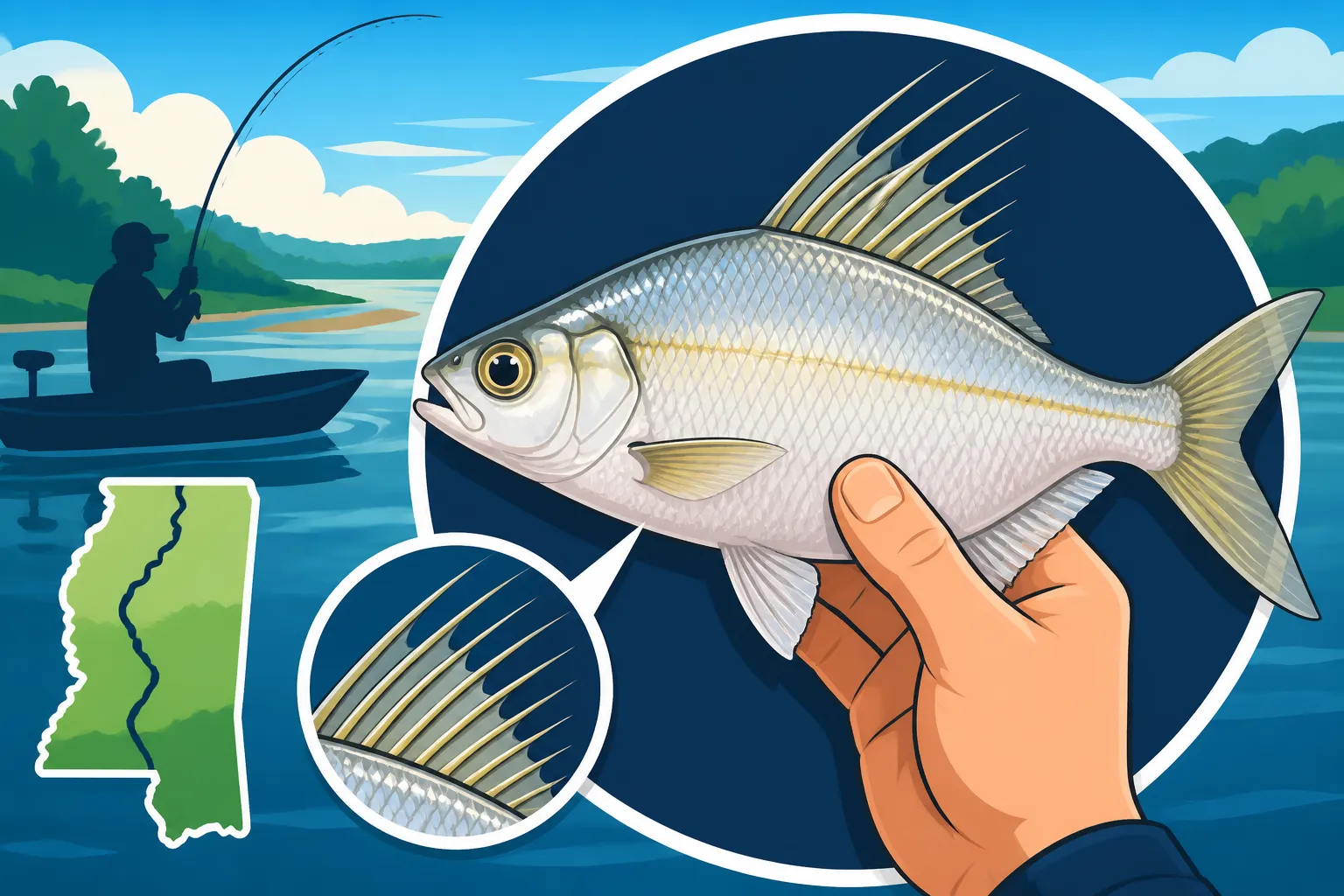
This is the golden ticket, the absolute most reliable way to identify a Threadfin Shad, hands down. Look closely at the dorsal fin, which is the single fin located on their back. On a Threadfin Shad, you will see a distinct, long, whip-like filament extending from the rear of this fin. It literally looks like a fine piece of thread or a tiny antenna trailing off the fin. This filament can be quite prominent, sometimes extending almost to the tail fin on larger specimens.
If you catch a fish and are unsure, gently spread the dorsal fin. If that filament is there, congratulations, you've got a Threadfin Shad! This feature is what truly sets them apart from the common Gizzard Shad, which completely lacks this unique appendage. Many anglers miss this detail when quickly scooping bait, but taking just a moment to check for that "thread" can clarify your identification immediately. It's a defining characteristic that once you see it, you won't forget it.
Subtle Coloration and Markings
While the dorsal fin filament is your primary identifier, their coloration and subtle markings also provide clues. Threadfin Shad are aptly named for their silvery appearance, often shimmering with iridescent hues when fresh out of the water. Their sides are typically bright silver, blending seamlessly into a pristine white belly. Along their back, you'll usually notice a greenish-blue or olive tone, especially when viewed from above, which provides natural camouflage in open water.
One additional marking to look for, though it can sometimes be faint or absent on very small specimens, is a small, dark shoulder spot. This spot is located just behind their gill cover, on the upper side of their body. It's not always as prominent as the "dot" on some other species, but it's another piece of the puzzle. Compared to other small Bait Fish Native to Mississippi Lakes, such as various shiner species, Threadfins generally maintain a more consistent, brilliant silver sheen and lack the distinct lateral stripes or patterns often found on shiners. Always combine these visual cues with the crucial dorsal fin filament for a definitive identification.
Threadfin Shad vs. Gizzard Shad: A Head-to-Head Comparison
One of the biggest confusions for Mississippi anglers trying to identify baitfish is distinguishing between Threadfin Shad and Gizzard Shad. Both are silvery, widespread, and crucial forage species, but they are distinct, and knowing the difference can directly impact your fishing strategy. While they share a family name, their physical characteristics and behaviors are different enough that misidentifying them could lead you down the wrong path when trying to match what the game fish are feeding on. Let's break down the key differences that every serious angler should know.
Key Differences That Matter for Anglers
The most critical distinction, as we've already highlighted, is the dorsal fin filament. If you see that long, thread-like extension from the back of the dorsal fin, it's a Threadfin Shad. If that filament is absent, you're almost certainly looking at a Gizzard Shad. This is your number one differentiator and should be the first thing you check. Beyond this, their mouths are tell-tale. Threadfins have that terminal mouth at the very front of their snout, designed for eating tiny morsels directly in the water column. Gizzard Shad, on the other hand, possess a sub-terminal mouth, meaning it's located slightly underneath their snout. This reflects their filter-feeding nature, often sifting through bottom detritus and plankton.
Their size and body shape also offer clear separation. Threadfin Shad are generally smaller and more slender, rarely growing beyond 6-7 inches in Mississippi waters. Gizzard Shad can grow significantly larger, often exceeding 12 inches and sometimes reaching much more substantial sizes. Furthermore, Gizzard Shad tend to have a deeper, more compressed, almost "pot-bellied" body profile compared to the more streamlined Threadfin. While both are silvery, the Gizzard Shad can sometimes appear a bit duller or have a faint brassy hue, especially larger ones. Understanding these distinct features helps you not only identify them but also anticipate how game fish might interact with them.
Here's a quick comparison table to keep things clear:
| Feature | Threadfin Shad | Gizzard Shad |
|---|---|---|
| Dorsal Fin | Long, whip-like filament present | No filament |
| Mouth Position | Terminal (at tip of snout, forward-facing) | Sub-terminal (slightly underneath snout) |
| Maximum Size | Generally up to 6-7 inches | Can grow much larger, often over 12 inches |
| Body Shape | More slender, streamlined, less deep | Deeper-bodied, "pot-bellied" appearance |
| Shoulder Spot | Often present, small and faint | Usually absent or very faint |
| Diet | Primarily zooplankton, small insects | Filter feeder (plankton, detritus) |
| Cold Tolerance | Poor (very sensitive to cold water) | Better (more tolerant to cold water, but can die in extreme cold) |
Ecological Roles and Angling Implications
These physical differences translate directly into distinct ecological roles and, by extension, angling implications. Threadfin Shad, with their smaller size and softer bones, are generally considered a more preferred forage by most game fish. They are easier to swallow and digest, making them a prime target for opportunistic predators. Their tendency to school tightly and roam open water makes them highly accessible targets, especially for species like bass and white bass that love to run through schools.
Gizzard Shad, while also important, play a slightly different role. Their larger size and coarser, bonier structure mean they are often consumed by bigger game fish or when Threadfins are less abundant. While a trophy bass won't hesitate to eat a large Gizzard Shad, smaller game fish might find them too much of a mouthful. The differences in their mouths also mean they occupy slightly different feeding niches, which can sometimes impact where you find them. Knowing What a Gizzard Shad Is Used For can further illuminate their specific value as bait. Ultimately, understanding these two prominent shad species allows you to better read the water, predict game fish behavior, and select the most effective lures or live bait for the conditions you face.
Where and When to Find Threadfin Shad in Mississippi
Identifying a Threadfin Shad is one thing, but knowing where and when to find them takes your angling game to the next level. These highly mobile baitfish are not evenly distributed throughout our waters, and their movements are heavily influenced by habitat and seasonal changes. Understanding their preferences helps you locate the food source, and by extension, the game fish that are often just a stone's throw away.
Preferred Habitats Across the Magnolia State
In Mississippi, Threadfin Shad thrive in large, open bodies of water. You'll find them in abundance in our major reservoirs, like the vast expanse of Ross Barnett Reservoir Fishing Guide, the renowned crappie waters of Grenada Lake Fishing Guide, the productive Sardis Lake Fishing Guide, and the upper reaches of Pickwick Lake Fishing Guide. They also inhabit the slower-moving sections of larger rivers, away from strong currents, and often populate Mississippi State Fishing Lakes.
These fish prefer clear to moderately stained water and typically avoid heavily vegetated or shallow, stagnant areas. Instead, they congregate in open water, often suspending over deeper channels, around main lake points, or over submerged humps and ledges. You might also find them temporarily near rip-rap banks, boat docks, or bridge pilings, especially during certain times of the day when seeking shelter or food. Their preference for open water means your fish finder will be your best friend in locating these schools, as they often appear as large, dense clouds of bait.
Seasonal Movements and How They Influence Fishing
Threadfin Shad are famous (or infamous, depending on your perspective) for their sensitivity to cold water, and this is perhaps their most critical seasonal characteristic. As fall progresses and water temperatures begin to drop into the mid-50s Fahrenheit, Threadfins become lethargic and stressed. They tend to school up even tighter, often seeking out warmer pockets of water, but a sharp cold front or sustained chill can lead to significant winter die-offs. This "cold shock" makes them incredibly vulnerable, creating a massive buffet for game fish like bass, crappie, and catfish, who gorge themselves on the easy meals. This is a prime time for targeting aggressive game fish that are fattening up for winter. You can read more about these annual cycles in our Mississippi Fishing Seasons Calendar and Best Time of Year to Fish in Mississippi.
Conversely, in the warmer months of spring and summer, Threadfin Shad are incredibly active. They're constantly on the move, schooling in open water and chasing plankton. This is when you'll often see those spectacular surface busts as game fish drive the shad to the top. During these times, they are less concentrated in predictable spots and more widespread, requiring anglers to cover more water or rely on their electronics to pinpoint roving schools. Understanding these seasonal shifts in Threadfin behavior is crucial, as it dictates where game fish will be, what they'll be eating, and consequently, what lures and techniques will be most effective.
Leveraging Threadfin Shad Knowledge for Better Catches
Now that you're a pro at identifying Threadfin Shad and know their general whereabouts, it's time to put that knowledge to work! This isn't just academic; it's about translating observations into actual fish in the boat. By understanding how game fish react to these prevalent baitfish, you can fine-tune your approach, select the best gear, and ultimately increase your chances of a successful and rewarding day on the water.
Choosing the Right Lures to "Match the Hatch"
The principle of "matching the hatch" is never more important than when game fish are keyed in on Threadfin Shad. Once you've confirmed their presence, whether by sight or with your electronics, your lure selection should immediately shift to imitate these small, silvery baitfish. Think sleek profiles, silver or white coloration, and sizes that match the average Threadfin. Excellent choices include thin-profile crankbaits, which dive to various depths and have a tight wobble mimicking a swimming shad. Jerkbaits are also deadly, as their erratic darting action perfectly imitates a wounded or fleeing shad.
Soft plastic swimbaits, particularly those with a paddle tail, offer an incredibly realistic presentation, especially when retrieved steadily or bumped along the bottom. Soft plastic flukes, fished weightless or with a light jig head, can be twitched and paused to mimic a struggling shad, often drawing explosive strikes. Lipless crankbaits, especially in chrome or shad patterns, are fantastic for covering water and exciting aggressive fish around shad schools. Many high-quality options for these lure types are readily available from online retailers like Amazon, as well as your local tackle shops, offering a wide array of patterns and sizes to help you perfectly mimic a Threadfin Shad. Remember, the key is not just the lure type, but also the size and color — aim for 3-6 inch baits in silver, white, or light blue/green backs.
Utilizing Live and Cut Threadfin Shad
While artificial lures are incredibly effective, nothing beats the real thing sometimes. Live Threadfin Shad are phenomenal bait for targeting larger game fish, especially trophy bass, crappie, stripers, and even some catfish. Anglers often use cast nets to gather schools of Threadfins and keep them alive in a well-aerated livewell. These live baits can then be freelined, fished under a bobber, or slow-trolled, presenting an irresistible, natural offering that predators rarely pass up. The natural scent, movement, and vibration of a live Threadfin are often enough to trigger a strike even from a wary fish.
While Gizzard Shad are more commonly used for cut bait due to their larger size and oilier flesh, fresh Threadfin Shad can still be effective. If you have a surplus, cutting them into small chunks can be a good option for panfish or smaller catfish, particularly when the fish are in a strong feeding mood. However, for most applications, their true value shines when presented live. The key with any live or cut bait is freshness; a dying or stale bait is far less appealing than a lively, fresh one. Keeping your shad healthy in a good livewell, perhaps with a high-quality aerator found on Amazon, is crucial for maximizing your success.
Understanding Game Fish Behavior Around Shad Schools
One of the most exciting aspects of fishing around Threadfin Shad is witnessing game fish actively feeding on them. Keep a keen eye on the water's surface. If you see birds like gulls or herons diving, or observe explosive splashes and boils, you've likely found a school of Threadfins being ravaged by predators. This is your cue to move in quietly and cast your shad-imitating lures into or around the commotion. The game fish are actively feeding and highly aggressive, making them more susceptible to a well-placed lure.
Your fish finder is an invaluable tool for locating Threadfin Shad schools, especially when they are suspended in the water column or tightly balled up near structure. Look for large, dense clouds or bait balls on your screen. When you see these, you can be almost certain that game fish are nearby, often lurking just below or on the edges of the school, waiting for their opportunity. Use this information to position your boat, drop live bait, or cast those shad-patterned lures. Many modern fish finders, which can also be purchased through retailers like Amazon, provide excellent detail, allowing you to discern baitfish from larger game fish, giving you a comprehensive underwater picture. By combining visual observation, electronics, and your newfound identification skills, you'll be well on your way to more consistent catches in Mississippi's rich fishing waters.
Disclaimer
This article is for general informational purposes only and does not constitute professional advice. Laws, prices and regulations vary by location and change over time. Consult a qualified professional for guidance on your specific situation.