Fish That Bite Best in Cold Water in Mississippi
Oh, the crisp air, the quiet stillness of a winter morning on a Mississippi lake or river – it's a beautiful picture, isn't it? But often, that beauty comes with a nagging question: Are the fish even biting? Many anglers pack away their gear once the chill truly sets in, assuming everything has shut down for the season. It’s a common frustration, feeling like winter means a pause on all the fishing fun. But I'm here to tell you that’s far from the truth! This guide is going to walk you through exactly which fish species in Mississippi thrive and bite best in cold water, and how you can successfully target them to keep your fishing passion alive all year long.
Embracing the Chill: Why Mississippi's Cold Water Holds Fishing Opportunities
When the mercury drops, many people assume fishing success drops right along with it. And it's true, the fish aren't always jumping into the boat like they might during the spring spawn. But "cold water" in Mississippi doesn't necessarily mean ice fishing conditions. Our winters are generally milder than up north, leading to unique opportunities for anglers willing to bundle up and embrace the change. The fish may become less active overall, but they still need to eat, and often, they gather in predictable patterns, making them excellent targets if you know where and how to look.
Defining "Cold Water" in the Magnolia State
What exactly do we mean by "cold water" in Mississippi? Typically, we're talking about water temperatures ranging from the low 50s down into the high 30s. Unlike states further north, our lakes and rivers rarely freeze over completely, which means open-water fishing is usually an option throughout the winter months. This period often runs from late November through early March, though exact timing can fluctuate dramatically depending on the specific year and how far north or south you are in the state.
During these colder periods, fish metabolism slows down considerably. They don't need to eat as frequently or expend as much energy. This is a critical point to remember because it dictates everything from where they'll hold to what baits and techniques will be most effective. They're looking for efficiency – the most calories for the least effort. Understanding this physiological shift is the first step to becoming a successful cold-water angler in Mississippi. It's not about forcing them to bite, it's about presenting an irresistible, easy meal.
The Challenges and Unique Opportunities of Winter Fishing
Let's be real, winter fishing isn't always a walk in the park. The biggest challenge, of course, is the weather. Cold fingers, numb toes, and the occasional biting wind can make even the most dedicated angler question their life choices. Boat ramps can be slick, and gear might feel a bit more cumbersome with layers of clothing. Also, finding the fish can be harder because they often congregate in deeper, less accessible areas. The bite itself can be extremely subtle, sometimes feeling more like a slight weight on your line than an aggressive strike.
However, these challenges come with incredible rewards. For starters, you'll often have entire lakes or stretches of river practically to yourself. The solitude and peace are unmatched. More importantly, when you do find them, cold-water fish are often concentrated, making it possible to catch large numbers once you crack the code. Many of the fish that bite best in cold water, like crappie and catfish, are also fantastic table fare, making a successful winter outing particularly satisfying. Plus, hooking into a sluggish but heavy fish in cold water can be a real battle, giving you a chance to truly appreciate the power of these aquatic residents. If you're looking for a comprehensive guide to year-round fishing, check out Mississippi Winter Fishing Guide.
Top Cold-Water Contenders: Fish That Remain Active
Despite the chilly temperatures, several popular game fish in Mississippi not only remain active but can offer some of the most rewarding fishing experiences of the year. These species adapt well to cooler conditions, often schooling up and holding in predictable areas, making them prime targets for those willing to brave the elements.
Crappie: The Winter Slab Sensation
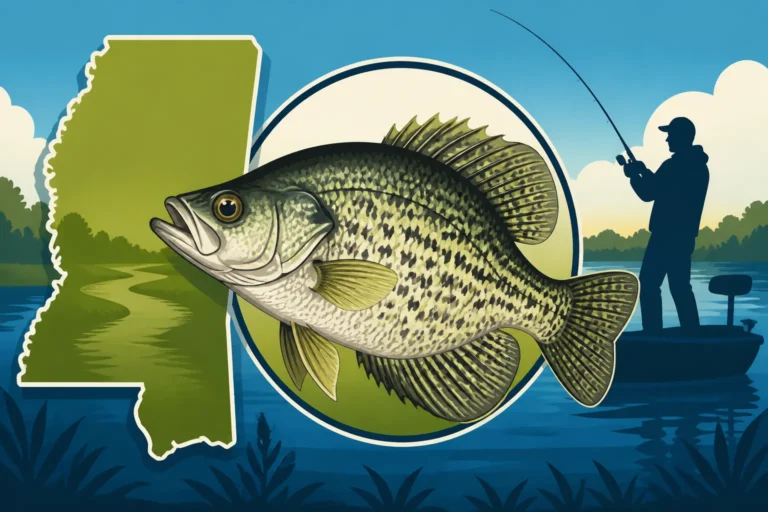
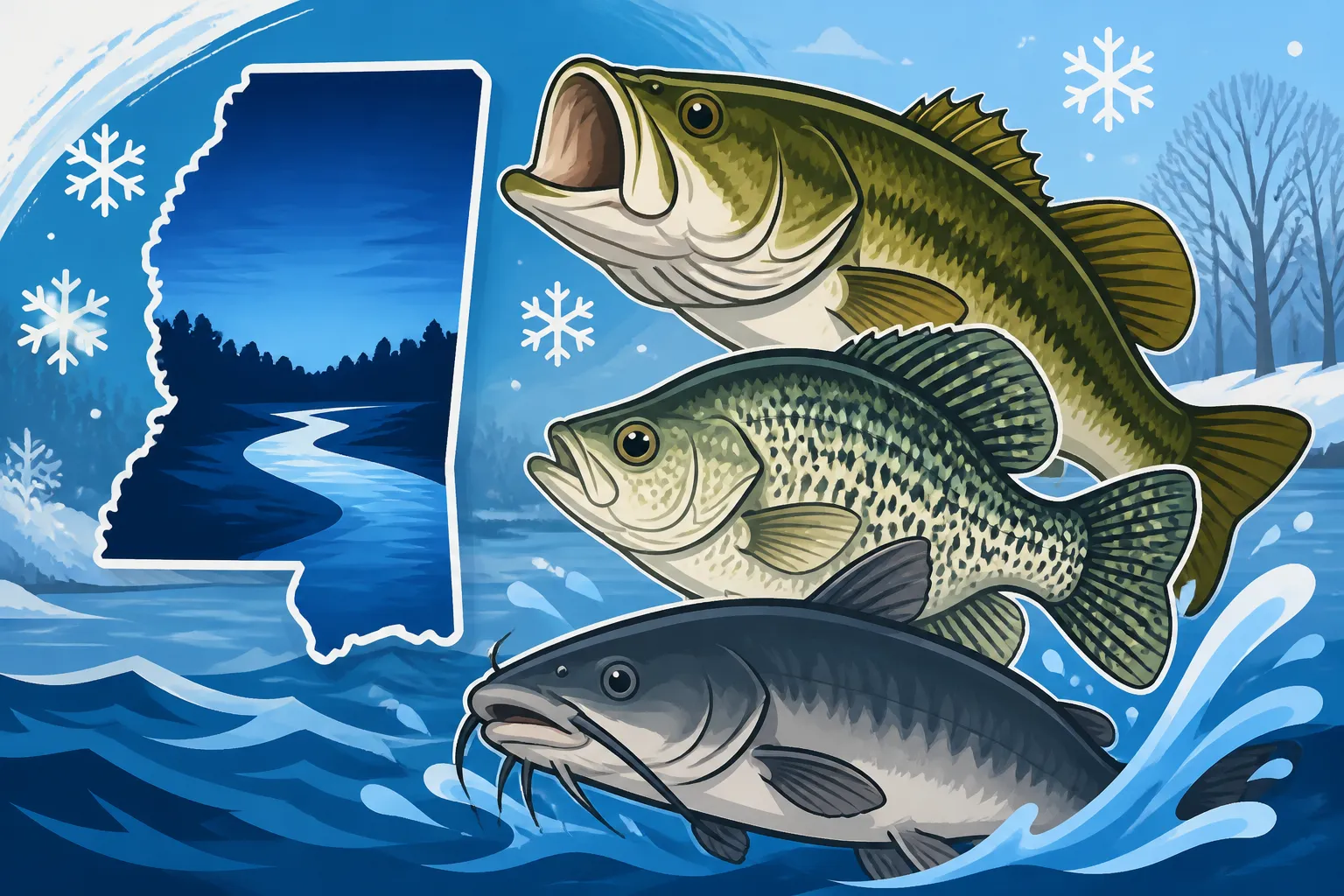
Ah, crappie! These speckled beauties are arguably the reigning champions of cold-water fishing in Mississippi. When the water temperatures dip, crappie tend to school up in large numbers and often move to deeper water, seeking stable temperatures and submerged structure. This schooling behavior is exactly what makes them so much fun to target in winter; once you find one, you've often found a whole mess of them.
You’ll typically find them suspending over or holding tight to cover like brush piles, standing timber, or channel ledges in 15 to 30 feet of water, sometimes even deeper in our larger reservoirs like Grenada Lake or Sardis Lake. Their bites can be incredibly light, often feeling like just a slight tap or the line simply going slack. Patience and a sensitive rod are key. Many anglers swear by vertical jigging or slow trolling small jigs or minnows directly over these submerged structures. For detailed tactics, you might want to look into How to Catch Crappie in Cold Winter Water and Deep Water Crappie Fishing Techniques.
Catfish: Deep-Dwelling Winter Eaters
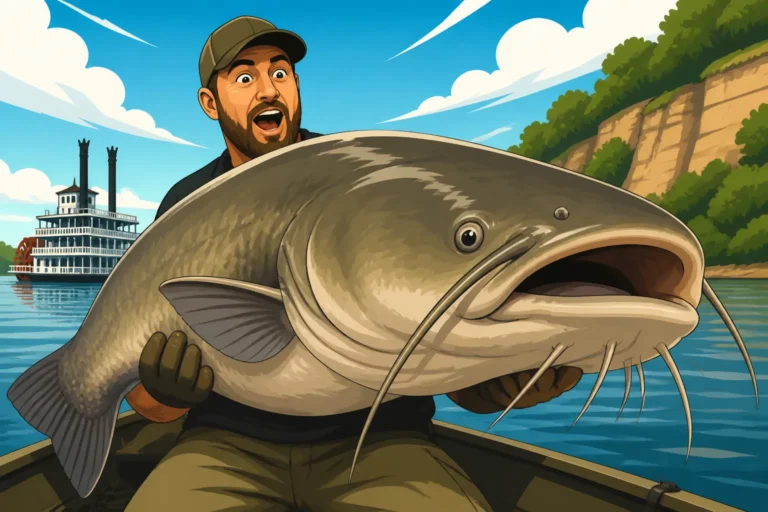
While catfish are often associated with warm summer nights, they are surprisingly active cold-water biters in Mississippi, especially the larger blue catfish and channel catfish. Just like crappie, their metabolism slows down, but they still need substantial meals. They will often congregate in deeper holes, river bends, and along the bottoms of channels where currents are slower and food might wash by.
Winter can be a fantastic time to target trophy blue catfish on the Mississippi River or its major tributaries. They'll often hold in deep scour holes or on the edges of main river channels. For smaller channel catfish in lakes and reservoirs, look for them in the deepest parts of creeks and main lake basins. Use cut bait, shad, or even shrimp presented on the bottom. Remember, their bite can be even more subtle than crappie in cold water; sometimes it's just a slow bend of the rod or a barely perceptible thump. Setting out a few rods with circle hooks and waiting patiently is often the name of the game. Explore more about these whiskered wonders in Catfish Fishing in Mississippi.
Largemouth Bass: The Elusive Winter Hunter
While not as consistently active as crappie or catfish in the dead of winter, largemouth bass absolutely bite in cold water in Mississippi. They become much more lethargic, true, but they are still apex predators looking for an easy meal. Winter can be a fantastic time to catch some of the biggest bass of the year, as larger fish often tolerate cold better and need fewer, but more substantial, meals.
Bass will typically move to deeper water, associating with abrupt changes in depth like steep main lake points, channel swings, and deep structure like stumps or rocks. They’ll also hold tight to vertical cover such as bridge pilings or deep boat docks. The key to catching them is an extremely slow presentation. Think jigs, jerkbaits with long pauses, and slow-rolled spinnerbaits. Cold-water bass fishing is a game of patience and precision, focusing on high-percentage areas and mimicking sluggish prey. For more tips on finding these green giants, check out Largemouth Bass Fishing in Mississippi.
White Bass & Hybrid Striped Bass: Schooling for the Cold
These schooling fish offer some truly exciting cold-water action in Mississippi. Both white bass and hybrid striped bass (a cross between white bass and striped bass) are highly pelagic, meaning they roam open water, often chasing schools of baitfish. In winter, these baitfish, primarily shad, also seek deeper, more stable water, and the white bass and hybrids follow them.
You'll often find these fish suspended in the water column over deep creek channels or the main lake basin in larger reservoirs like Ross Barnett or Pickwick Lake. Keep an eye on your fish finder for bait balls and arches underneath them. Vertical jigging spoons, heavy lead-head jigs, or blade baits directly into these schools can be incredibly effective. Once you locate a school, the action can be fast and furious! Both species put up an excellent fight and are delicious. Learn more about these hard-fighting schooling fish in White Bass Fishing in Mississippi and Hybrid Striped Bass Fishing in Mississippi.
| Species | Typical Cold Water Depth | Preferred Baits/Lures | Best Presentation | Key Locations |
|---|---|---|---|---|
| Crappie | 15-30+ feet | Live Minnows, Small Jigs | Vertical Jigging, Slow Trolling | Brush piles, Standing timber, Channel ledges |
| Catfish | 20-50+ feet | Cut Bait, Shad, Worms | Bottom Fishing (Carolina Rig) | Deep holes, River bends, Channel bottoms |
| Largemouth Bass | 10-30 feet | Jigs, Jerkbaits, Spinnerbaits | Slow retrieves, Long pauses | Steep points, Channel swings, Deep structure |
| White Bass | 15-40 feet (suspended) | Jigging Spoons, Blade Baits | Vertical Jigging, Casting & Retrieving | Open water over channels, Baitfish schools |
| Hybrid Striped Bass | 20-50 feet (suspended) | Jigging Spoons, Slabs | Vertical Jigging, Fast Retrieve | Open water over channels, Dam tailwaters, Baitfish schools |
Essential Cold-Water Fishing Techniques and Gear
Successfully catching fish in cold water isn't just about knowing what to target, but how. The rules change significantly from warmer months, and adapting your approach is paramount. Think finesse, patience, and precision.
Slow and Steady: The Pace of Winter Fishing
This is probably the most crucial piece of advice for cold-water fishing: slow down. Fish metabolism is reduced, meaning they won't chase a fast-moving bait very far. They're looking for an easy meal, something that wobbles slowly, pauses, or drifts effortlessly past their nose.
- For Crappie: When jigging, let your bait sit for several seconds after each subtle lift. A barely perceptible twitch of the rod tip can be enough to entice a strike. If slow trolling, move at a snail's pace, just enough to give your jigs or minnows a natural action.
- For Bass: Forget the fast-paced power fishing of summer. Think jerkbaits with pauses lasting 10-20 seconds, or a jig slowly dragged across the bottom. Even a spinnerbait should be slow-rolled, just fast enough to get the blades turning.
- For Catfish: Your bait needs to sit on the bottom for extended periods. Catfish will eventually find it, but it might take time. Patience is your best friend when bottom fishing for winter cats.
- For White Bass/Hybrids: Even with these schooling fish, while you might retrieve a spoon with a faster lift, let it flutter slowly back down. The strike often happens on the fall.
The common thread is that every presentation needs to allow the fish ample time to decide to bite, and for them to easily ambush the bait without expending much energy.
Key Baits and Lures for Cold Water Success
Choosing the right bait can make all the difference. Again, think about what a sluggish fish would want to eat.
- Live Minnows: For crappie and even smaller bass, live minnows are hard to beat. Their natural movement is often enough to trigger a bite from lethargic fish. Present them on a small jig head or under a float in colder water, making sure to keep them lively. Best Bait for Crappie in Mississippi provides more details.
- Jigs: Small hair jigs, soft plastic grubs, or tube jigs are incredibly effective for crappie and even bass. Colors like white, chartreuse, black, or natural shad patterns are often winners. The key is the size (small!) and the ability to work them slowly. For catfish, larger jigs tipped with bait can also work.
- Jerkbaits: For bass, a suspending jerkbait is a winter secret weapon. Cast it out, twitch it a few times, and then let it sit completely still. The longer the pause, often the better, especially in super cold water. Brands like Rapala and Lucky Craft offer excellent suspending jerkbaits. You can find a wide selection on Amazon.
- Scented Baits: For catfish, natural cut baits like shad, skipjack, or even chicken liver infused with strong scents are irresistible. The scent trail can help sluggish catfish locate the bait more easily.
- Jigging Spoons/Blade Baits: These are fantastic for white bass, hybrids, and even bass holding deep. The flash and vibration on the fall can trigger reaction strikes. Drop them to the bottom, rip them up, and let them flutter back down.
Gearing Up for Mississippi's Chill
Having the right gear isn't just about comfort; it's about detecting those subtle bites.
- Sensitive Rods: A medium-light to medium power spinning rod with a fast or extra-fast action is ideal for crappie and bass. This sensitivity allows you to feel the lightest tap. For catfish, a sturdier medium-heavy rod is needed, but still one with a relatively sensitive tip to detect those light bottom bites. You might want to review Choosing the Right Rod and Reel for Mississippi Fishing to ensure you're well-equipped.
- Light Line: Lighter line, such as 4-8 pound monofilament or fluorocarbon for crappie and bass, allows for better lure action and greater sensitivity. For catfish, 15-30 pound mono or braided line is more appropriate for handling larger fish and abrasive structure.
- Electronics: A good fish finder is almost essential for cold-water fishing. It helps you locate baitfish, schools of game fish, and critical deep-water structure that you might never find otherwise. Many modern units from brands like Garmin or Humminbird can pinpoint fish holding tight to brush piles. You can explore many models and accessories for your fish finder on Amazon.
- Warm Clothing: Don't underestimate the Mississippi winter. Layers are your best friend. Thermal underwear, fleece, a good waterproof and windproof outer shell, warm hat, gloves, and insulated boots will make your day much more enjoyable. Trust me, I've learned this the hard way more times than I care to admit!
- Safety Gear: Always wear a life jacket, especially when boating in cold water. Hypothermia is a serious risk if you were to fall in. It's also a good idea to inform someone of your fishing plans and expected return time. Remember to always abide by Mississippi Freshwater Fishing Rules.
Finding Cold-Water Hotspots
Knowing where to fish is just as important as knowing how. Cold water forces fish into more specific patterns and areas, making them predictable if you understand their winter habitat preferences.
Deep Channels, Drop-offs, and Structure
In most Mississippi lakes and reservoirs, fish will retreat to the deepest available water when temperatures drop. This means focusing your efforts on:
- Main Lake or Creek Channels: These are the primary highways for fish in winter. Look for bends in the channel, especially where the channel swings close to a main lake point. Fish will often stack up on the edges or in the deepest part of these channels.
- Steep Drop-offs: Any area where the bottom quickly drops from shallow to deep water is a potential hotspot. These can be bluff walls, old river channels, or roadbeds. Fish can move up and down these ledges to feed without expending much energy.
- Submerged Structure: Once you find a good deep channel or drop-off, look for cover within those areas. Brush piles, standing timber, rock piles, old foundations, or even submerged vehicles can hold massive schools of crappie, bass, and catfish. These structures provide ambush points and a sense of security. A good fish finder with side imaging or down imaging is invaluable for pinpointing these hidden gems. Many anglers even add their own brush piles in key areas during warmer months, knowing they’ll be winter magnets.
- Bridge Pilings and Docks: In deep water, bridge pilings offer vertical structure from top to bottom, which can attract all sorts of fish. Similarly, deep water boat docks, especially those with brush piles under them, can be great spots for winter bass and crappie.
Tailwaters and River Systems
River systems and the tailwater areas below dams are also exceptional cold-water fishing locations in Mississippi.
- Tailwaters: The water immediately below dams often stays slightly warmer than the rest of the lake or river due to the churning action and deep water discharge. This, combined with a steady flow of oxygenated water and dislodged baitfish, creates a feeding frenzy for many species. White bass, hybrid striped bass, striped bass, and even catfish will congregate in these areas. Think about places like the tailwaters below Grenada Lake Dam or Sardis Lake Dam. The key here is often to find seams in the current where fish can hold without fighting the flow too hard, waiting for an easy meal to pass by.
- River Systems: Major rivers like the Mississippi River, Pearl River, and Pascagoula River offer fantastic cold-water opportunities, especially for catfish. Look for deep scour holes on the outsides of river bends, slow-moving eddies, and deep sections where smaller feeder creeks enter the main river. These areas provide current breaks and warmer, food-rich water. Remember that river fishing often means contending with current, so heavier weights might be needed to hold your bait on the bottom.
No matter where you choose to fish in Mississippi during the colder months, the most important thing is to stay persistent and adapt. The fish are there, they're just playing hard to get. But with the right approach, you can have some of the most memorable and successful fishing trips of the year. Don't let the cold stop you from enjoying the amazing angling opportunities our state has to offer!
Disclaimer
This article is for general informational purposes only and does not constitute professional advice. Laws, prices and regulations vary by location and change over time. Consult a qualified professional for guidance on your specific situation.