Fish Stocked in Mississippi Lakes
Have you ever arrived at your favorite fishing hole, tackle box in hand and dreams of a big catch, only to find the bite just isn't what it used to be? It's a common frustration for many Mississippi anglers, and sometimes, the answer to those dwindling numbers lies in the vital, often unseen, work of fish stocking programs. This guide is here to shed light on exactly what fish are stocked in Mississippi lakes, why it matters, and how these efforts contribute to ensuring our state remains a premier fishing destination for years to come.
Why Stocking Lakes is So Important for Mississippi Anglers
When we think about fishing, we often focus on the thrill of the catch or the peaceful solitude of the water. But behind the scenes, there's a constant effort to manage and sustain the very fish populations that make those experiences possible. Without intentional management, many of our favorite fishing spots could become barren or less productive over time. Stocking isn't just about adding more fish; it's a strategic science designed to keep our ecosystems healthy and our fishing robust.
Maintaining Healthy Fish Populations
Lakes and reservoirs are dynamic environments, and sometimes, natural fish reproduction just can't keep up with the demands placed upon them. Factors like overfishing, habitat degradation, sudden environmental changes, or even the introduction of invasive species can drastically impact fish numbers. That's where stocking comes in. It acts as a helping hand, replenishing populations that are struggling or introducing new genetics to strengthen existing ones. It’s about ensuring there’s a diverse and resilient aquatic community for both the fish and the anglers who pursue them.
Think about a lake that experiences a severe drought or a major flood; these events can wreak havoc on fish spawns and juvenile survival. When these natural disasters occur, stocking can be a crucial intervention to help the lake bounce back more quickly. It's a proactive approach to conservation, keeping the balance in nature with a little human assistance. This way, when you cast your line into a familiar spot, you can still have confidence that healthy fish are thriving below the surface, ready for a fair fight.
Enhancing Fishing Opportunities for Everyone
Beyond just maintaining existing populations, stocking programs actively work to enhance fishing opportunities. This means more fish for anglers, bigger fish, and sometimes, even the introduction of new species to diversify the angling experience. Imagine a lake that might not naturally support a certain type of game fish due to specific conditions. Through careful stocking, fisheries biologists can introduce species that thrive in those conditions, creating entirely new fishing prospects for the community. This often includes popular sport fish that draw anglers from all over.
This enhancement isn't just for seasoned pros; it benefits everyone, from families looking for a relaxing day by the water to serious tournament anglers seeking their next trophy. When you have well-managed, stocked waters, it boosts local economies as people buy gear—perhaps checking out the latest rod and reel combos on Amazon—stay in local accommodations, and frequent bait and tackle shops. It encourages participation in the sport, making fishing accessible and rewarding for more people across the state. This dedication ensures that lakes like Ross Barnett Reservoir and Grenada Lake continue to be prime destinations.
What Kinds of Fish Does Mississippi Stock?
Mississippi is blessed with a rich variety of freshwater environments, from sprawling reservoirs to tranquil state fishing lakes and winding rivers. To match this diversity, the stocking programs are incredibly varied, focusing on both the most sought-after game fish and the crucial forage species that support the entire aquatic food web. Understanding what's being stocked can give you a real edge when planning your next trip.
Popular Freshwater Game Fish
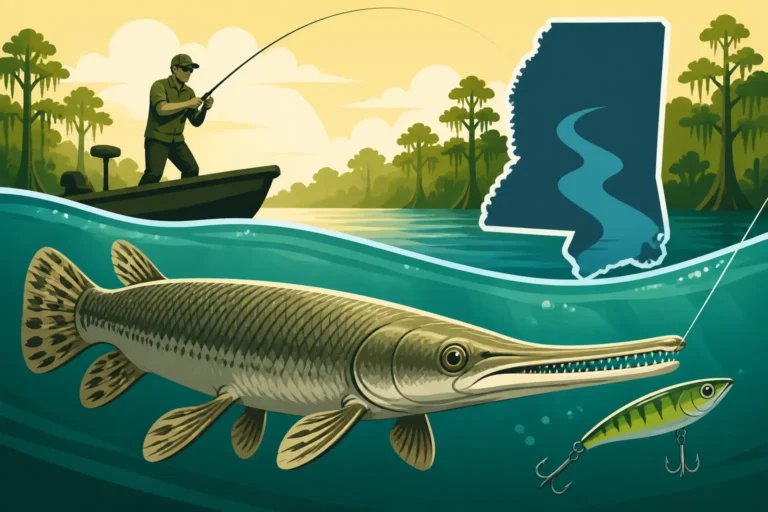
When most anglers think of stocked fish, they immediately picture the game changers: bass, crappie, and catfish. These are the backbone of freshwater fishing in Mississippi, and our state's stocking efforts certainly prioritize them. You'll often find these species being introduced into various lakes and ponds to ensure robust populations and excellent fishing opportunities.
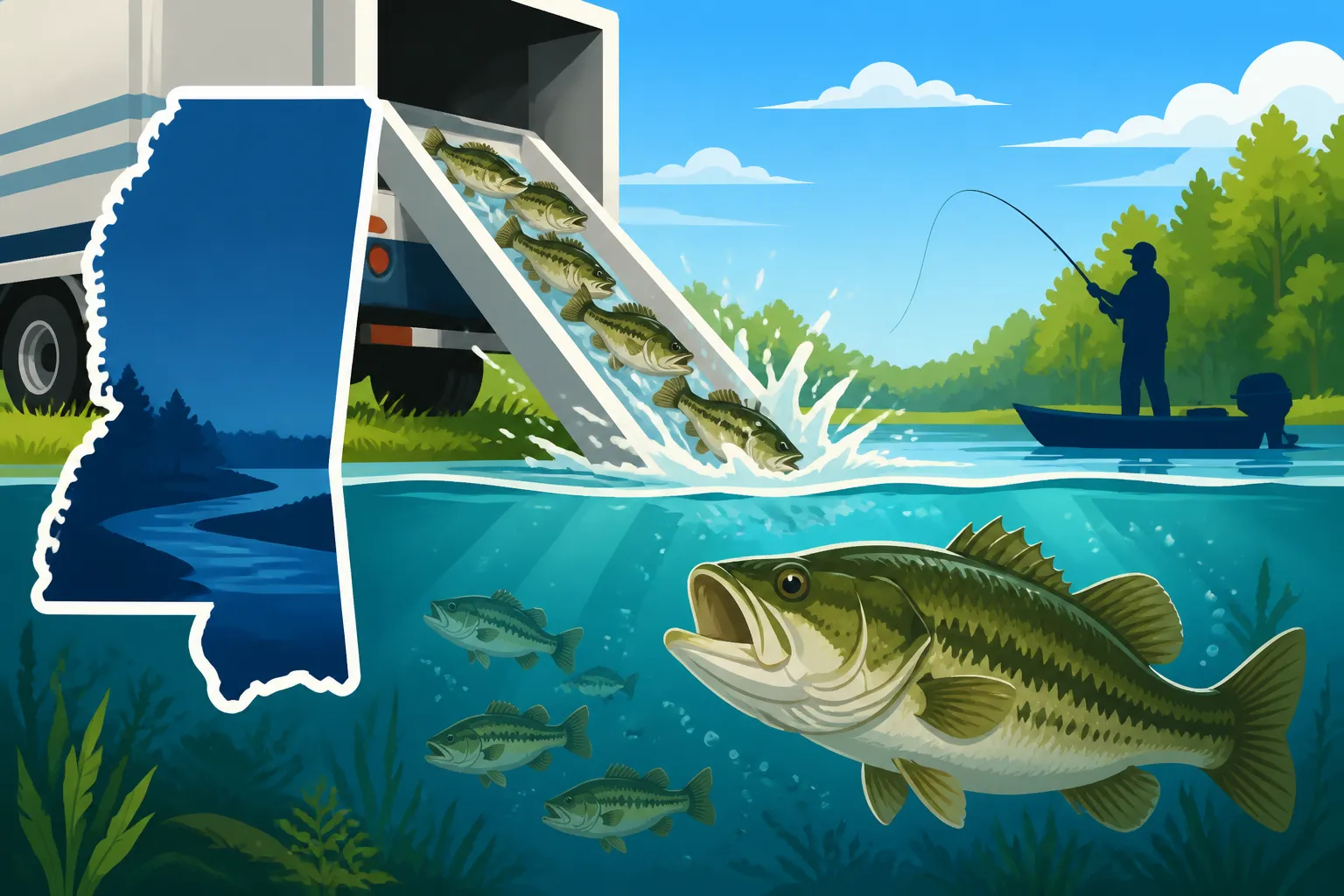
Largemouth Bass are a prime example. While many lakes have strong natural populations, supplemental stocking of fingerlings (young fish) can bolster numbers, especially in lakes that have seen declines or those that are newly impounded. Sometimes, Florida-strain Largemouth Bass are introduced to help grow truly trophy-sized fish, adding an exciting dimension for anglers seeking a personal best. Learning about Largemouth Bass Fishing in Mississippi can help you understand how these efforts translate to better catches.
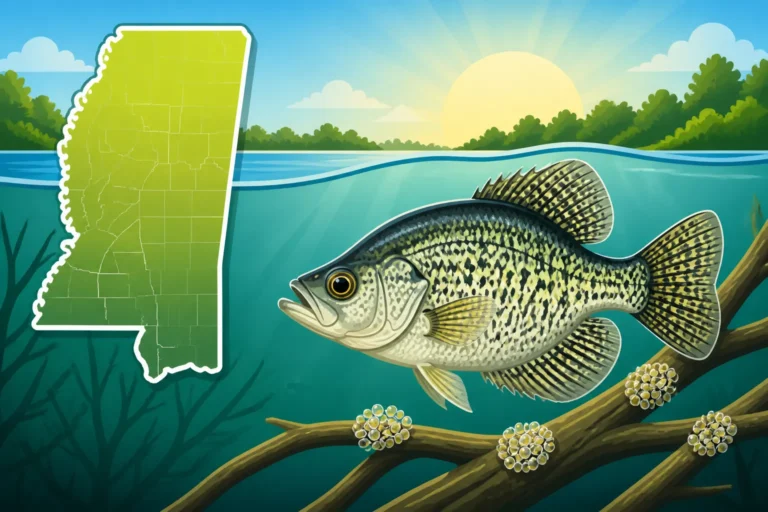
Crappie, both white and black, are another heavily managed species. These panfish are incredibly popular, and stocking helps maintain their numbers, particularly in high-pressure lakes or those recovering from environmental impacts. Imagine the joy of finding a school of slabs in a lake that's been carefully managed for healthy crappie populations. Similarly, Catfish, especially Channel Catfish, are often stocked in smaller public lakes, providing excellent opportunities for bank anglers and families looking for a consistent bite. These programs ensure that whether you're chasing a massive blue cat in the river or a pan-sized channel cat in a pond, there's a good chance the fish you're targeting got a helping hand from the state. You can learn more about Catfish Fishing in Mississippi and Crappie Fishing in Mississippi to find out where these stocked fish thrive.
Here's a quick look at some commonly stocked game fish:
| Fish Species | Primary Reason for Stocking | Common Locations (Examples) | Angler Benefit |
|---|---|---|---|
| Largemouth Bass | Bolstering populations, introducing Florida-strain genetics | New reservoirs, recovering lakes, state lakes | Trophy potential, consistent catch rates |
| Crappie (White/Black) | Enhancing populations, post-disaster recovery | High-pressure lakes, smaller community ponds, state lakes | Abundant panfish, excellent for family fishing |
| Channel Catfish | Providing consistent angling opportunities, youth fishing events | State fishing lakes, community ponds, smaller reservoirs | Easy to catch from the bank, good table fare |
| Hybrid Striped Bass | Creating open-water fisheries, unique fighting experience | Large reservoirs (e.g., Ross Barnett, Pickwick) | Exciting topwater action, strong fighters |
| Bream/Bluegill | Forage base, youth fishing, easy target for beginners | State fishing lakes, community ponds, private ponds | Abundant, readily available for all ages, good for teaching kids |
Supporting Forage and Non-Game Species
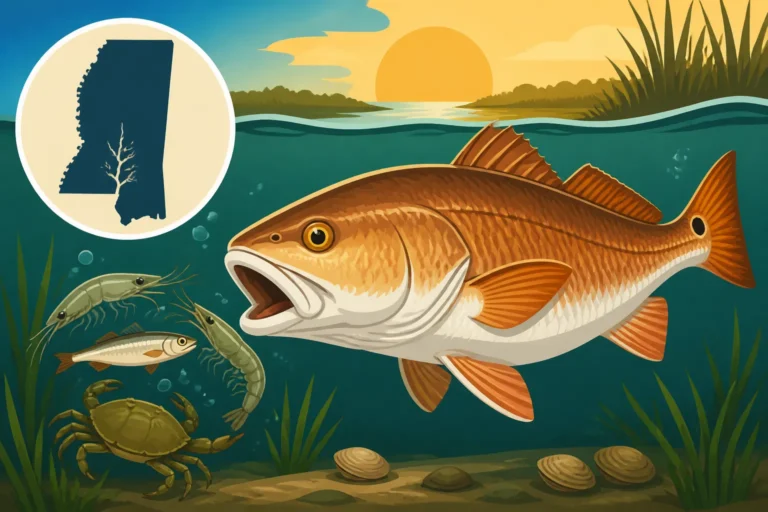
While the game fish get most of the glory, Mississippi’s stocking efforts extend far beyond just the big names. A healthy fishery relies on a robust food web, and that means ensuring there are plenty of smaller, often overlooked, species to keep the predators well-fed. These forage fish are essential; without them, the bass and crappie we love to catch wouldn't grow to impressive sizes or reproduce effectively. Stocking efforts include a focus on these species to maintain ecological balance.
For example, shad and various types of sunfish, often referred to as "bream," play a critical role. Stocking species like Bluegill and Redear Sunfish not only provides easy targets for young anglers and those just looking for a relaxing day, but it also creates a vital food source for larger fish. A healthy population of Bream and Bluegill Fishing in Mississippi means a healthy population of predator fish. These little guys are the unsung heroes of many lakes, fueling the growth of our trophy bass and crappie.
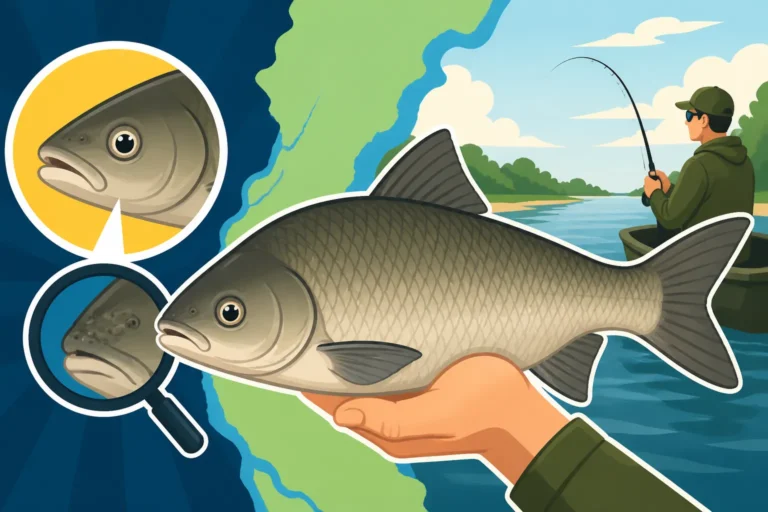
Sometimes, non-game species are also stocked for specific purposes, such as grass carp to help control aquatic vegetation in certain bodies of water. These aren't fish you'd typically target for sport or food, but their environmental role is invaluable. It’s all part of a comprehensive strategy to maintain balanced and productive aquatic ecosystems. The Mississippi Department of Wildlife, Fisheries, and Parks (MDWFP) understands that every piece of the puzzle, from the smallest minnow to the largest bass, contributes to the overall health and enjoyment of our state’s waters.
How Does the Stocking Program Work?
The Mississippi fish stocking program isn't just about dumping a few buckets of fish into a lake. It's a meticulously planned and executed operation, overseen by dedicated fisheries biologists and technicians. This science-backed approach ensures that every fish stocked has the best chance of survival and contributes positively to the fishery. It’s a testament to the state’s commitment to its natural resources.
The Role of MDWFP Hatcheries
At the heart of Mississippi’s stocking efforts are the state's fish hatcheries, run by the MDWFP. These facilities are essentially fish farms where millions of fish are bred, raised, and cared for before being released into public waters. It’s a complex operation that requires a deep understanding of fish biology, water quality, and disease prevention. The state invests heavily in these hatcheries because they are the foundation of healthy, sustainable fisheries.
Biologists at these hatcheries carefully select broodstock—the parent fish—to ensure genetic diversity and strong, healthy offspring. They control environmental conditions like water temperature and oxygen levels to optimize growth and survival rates for fry (newly hatched fish) and fingerlings. It’s a constant cycle of spawning, growing, and monitoring, all to produce robust fish that can thrive once released. This vital work means that when you're out fishing, you're benefiting directly from decades of scientific research and careful management. You can learn more about the broader efforts in the Mississippi Freshwater Fish Species Guide.
Where and When Fish Are Stocked
Deciding where and when to stock fish is a strategic decision made by MDWFP biologists, not a random one. They analyze various factors, including the biological needs of specific lakes, angler demand, water quality, habitat availability, and existing fish populations. They also consider the size of the fish being stocked; tiny fry might be released into specific nursery habitats, while larger fingerlings or adult fish might go into areas with better protection from predators.
Stocking often occurs at different times of the year depending on the species and the goals of the program. For instance, some fish might be stocked in the spring to take advantage of favorable water temperatures and abundant natural food sources, while others might be released in the fall to grow over the winter. State lakes and community ponds are frequently targeted for stocking, as they are often smaller, more accessible, and experience higher fishing pressure. While specific dates aren't usually published far in advance for security reasons (to prevent overfishing immediately after stocking), MDWFP does a phenomenal job of managing these resources. You can sometimes find general information about stocking trends for popular areas by checking MDWFP publications or resources online, potentially even finding gear recommendations for those stocked locations on Amazon.
What This Means for Your Next Fishing Trip
Understanding Mississippi’s fish stocking efforts isn't just interesting trivia; it can profoundly impact your success on the water. Knowing which species are being enhanced, and even generally where those efforts are focused, can help you make more informed decisions about where and how you fish. It’s about leveraging knowledge to improve your angling game.
Targeting Stocked Species
When you know a particular lake or pond is regularly stocked with, say, Channel Catfish, it immediately gives you a good starting point. You can adjust your bait and tackle to specifically target those fish. For example, knowing that state fishing lakes often receive stockings of catfish and bream might lead you to bring lighter tackle, some worms, or prepared catfish baits. If you're heading to one of Mississippi's larger reservoirs known for Hybrid Striped Bass stocking, you might prepare with some fast-retrieving lures or topwater baits to chase those schooling fish.
Consider the implications for different types of fishing. For a beginner, knowing that a local community pond is stocked with plenty of panfish means a higher chance of success, which can be incredibly encouraging. For experienced anglers, understanding stocking patterns for larger game fish like bass can help them refine their strategies, looking for patterns of behavior in fish that might have been raised in a hatchery environment. It's all about matching your approach to the fish that are most likely present and actively feeding, thanks to these programs. This knowledge can also help you understand and adhere to Mississippi Fishing Regulations Explained, as creel and size limits can be influenced by stocking programs.
Finding Stocking Information for Your Local Lake
So, how do you get your hands on this valuable information? While MDWFP doesn't always broadcast exact stocking schedules live (for good reason, to prevent a rush that could harm the fishery), they do provide a wealth of information about their programs and general stocking initiatives. The MDWFP website is your best friend here. They often publish reports, news releases, or even maintain interactive maps detailing the types of fish found in various Mississippi State Fishing Lakes Overview and larger reservoirs.
Additionally, local bait and tackle shops are often fantastic resources. The folks who run these shops are usually plugged into the local fishing scene and might have insights into which lakes are fishing well due to recent stockings or ongoing management efforts. Don't be shy about striking up a conversation! These shop owners often have a passion for fishing and love to share their knowledge. You might also find local fishing clubs or online forums where anglers share experiences and discuss stocking updates. Staying informed can make a real difference in your success, helping you plan trips to Best Fishing Spots in Mississippi where stocked fish are thriving. Just remember to always verify information with official MDWFP sources for the most accurate and current details.
Disclaimer
This article is for general informational purposes only and does not constitute professional advice. Laws, prices and regulations vary by location and change over time. Consult a qualified professional for guidance on your specific situation.