Mississippi Freshwater Fish Species Guide
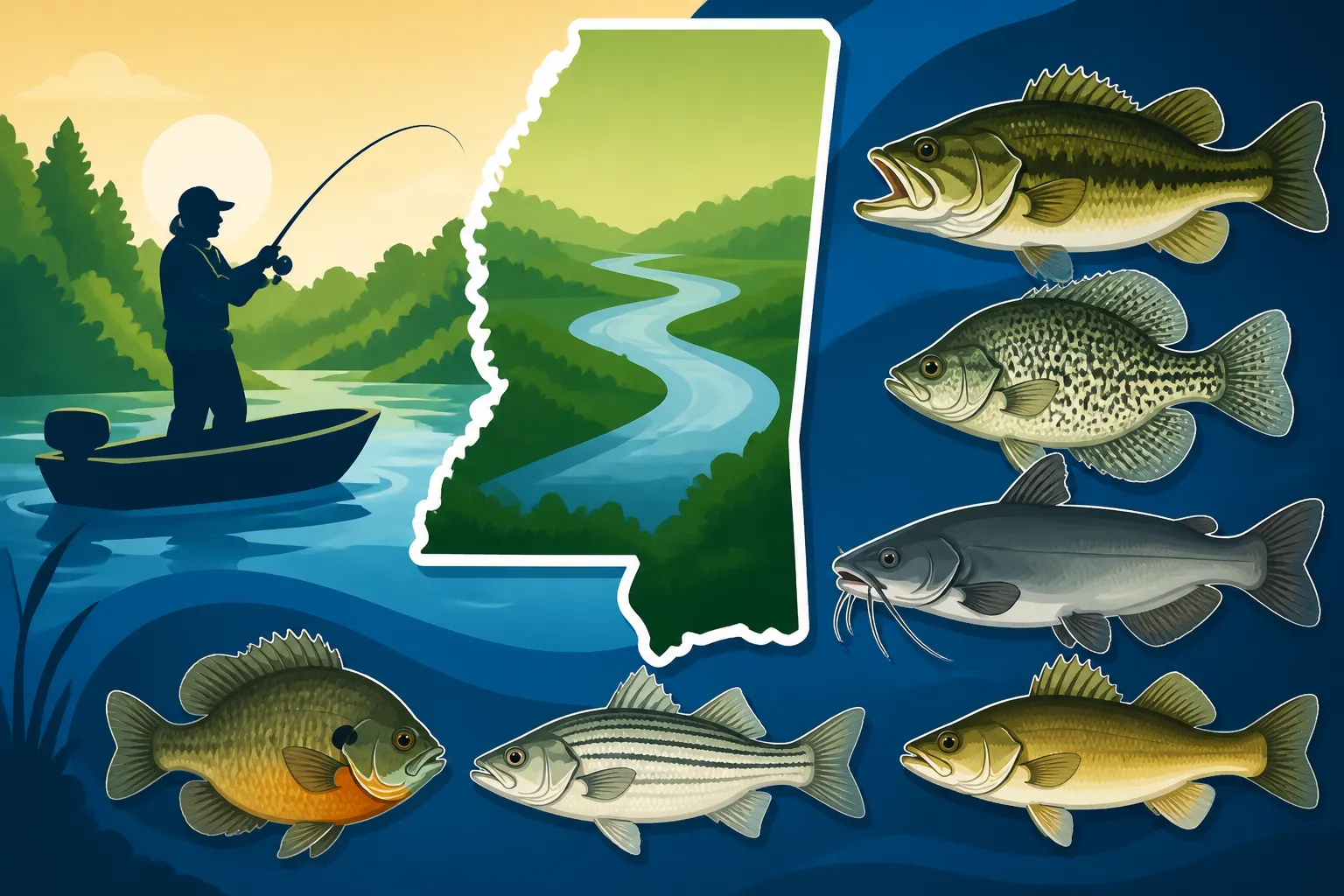
One of the greatest joys of living in or visiting Mississippi is the sheer abundance and diversity of our freshwater fishing opportunities. It's easy to feel overwhelmed when you look at a map of our rivers, lakes, and reservoirs, wondering what finned beauties lie beneath the surface, or even just what species are common enough that you're likely to encounter them. This comprehensive guide is here to demystify the rich tapestry of freshwater fish that call the Magnolia State home, giving you a clear picture of what to expect, what to target, and how to appreciate these incredible aquatic residents.
The Diverse World of Mississippi's Freshwater Fish
Mississippi truly is a freshwater angler's dream, a sprawling network of waterways supporting an incredibly rich array of fish species. From the mighty Mississippi River carving its way down our western border to the serene calm of our state fishing lakes, and the vast expanses of our flood control reservoirs, there's a unique aquatic habitat around every bend. This diversity isn't just about the number of fish, but the variety of experiences they offer, whether you're chasing trophy-sized sportfish or simply enjoying a relaxing day catching panfish with the family.
Why Mississippi is a Freshwater Angler's Paradise
What makes Mississippi so special for freshwater fishing? Well, it starts with our geography. We're blessed with a long growing season, which means fish grow bigger and faster. Our warm climate supports thriving baitfish populations, which in turn fuels the growth of our predatory game fish. Then there's the sheer amount of water: we have large, productive flood control reservoirs like Ross Barnett, Grenada, Sardis, and Enid, all famous for their crappie and bass. We have iconic rivers like the Pearl, Pascagoula, and the mighty Mississippi itself, offering incredible catfishing and diverse species. Even our smaller rivers, creeks, and countless private ponds contribute to a truly exceptional fishing landscape.
It's not just the quantity, but the quality. Our state consistently produces some of the biggest crappie, hard-fighting largemouth bass, and monster catfish that anglers dream of. The management efforts of our state wildlife agencies also play a crucial role, working to maintain healthy populations and improve habitat, ensuring that these resources are available for generations to come. This commitment to conservation, combined with natural advantages, solidifies Mississippi's reputation as a premier destination for freshwater angling.
Understanding Mississippi's Aquatic Ecosystems
To truly appreciate Mississippi's freshwater fish, it helps to understand the different types of aquatic environments they inhabit. Our ecosystems vary widely, and each one favors certain species. For example, our large flood control reservoirs, characterized by fluctuating water levels and abundant standing timber, are prime spots for Crappie Fishing in Mississippi and Largemouth Bass Fishing in Mississippi. These artificial lakes often have deep channels and expansive flats that provide ideal habitat.
Then you have our natural rivers and streams, which offer a different experience. Rivers like the Pearl or Pascagoula, with their flowing currents, submerged logs, and sandbars, are fantastic for various species of catfish, spotted bass, and a host of sunfish. The unique oxbow lakes connected to the Mississippi River itself are incredible fisheries, essentially giant backwater ponds teeming with life. Smaller ponds and private lakes, often stocked by landowners, can offer surprisingly good fishing for bass and bream, especially for those just starting out or looking for a more relaxed outing. Understanding these different environments helps anglers target the right species and apply the most effective techniques, whether you're picking up a new tackle box from Amazon or just using a cane pole from the bank.
The Big Three: Bass, Crappie, and Catfish
When you talk about freshwater fishing in Mississippi, three species immediately come to mind for most anglers: largemouth bass, crappie, and catfish. These are the workhorses of our fisheries, providing endless opportunities for sport, delicious table fare, and countless memories on the water. They are popular for a reason, offering diverse challenges and rewarding experiences for everyone from beginners to seasoned pros.
Largemouth Bass: The King of Freshwater Sport
The largemouth bass is undeniably the most sought-after freshwater game fish in Mississippi, and for good reason. These powerful, aggressive predators offer an exhilarating fight and strike at a wide array of lures and baits. You'll find largemouth bass in virtually every freshwater body in the state, from sprawling reservoirs like the Ross Barnett to secluded farm ponds. They thrive in areas with cover, such as submerged timber, lily pads, grass beds, and boat docks, where they can ambush their prey. Catching a true Mississippi trophy bass, often weighing in the double digits, is a lifelong ambition for many anglers.
Mississippi's bass fishing is renowned, with many anglers specifically targeting these green giants during their spawning season in spring or as they feed heavily in the fall. Techniques range from flipping and pitching heavy jigs into dense cover, to casting topwater lures over grass beds at dawn, or slowly dragging plastic worms along creek channels. Understanding Mississippi Black Bass Regulations is crucial, as size and creel limits are in place to protect these valuable populations and ensure sustainable fishing for years to come.
Crappie: Speckled Gold and White Slabs
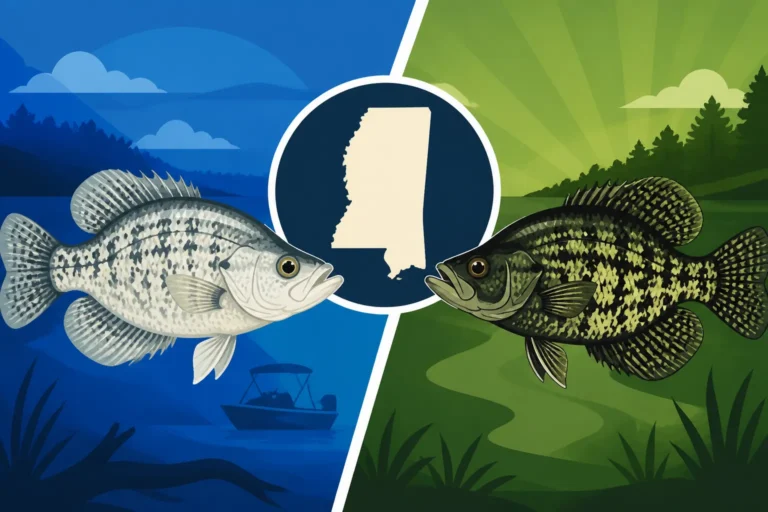
If bass is king, then crappie is surely the prince of Mississippi's freshwater fisheries. Known for their delicious white meat and their tendency to school in large numbers, crappie are immensely popular, especially in our major reservoirs. We have both black crappie and white crappie, though white crappie tend to be more prevalent in the larger, murkier waters of the delta and flood control lakes. Anglers flock to lakes like Grenada, Sardis, and Enid, which are nationally recognized for producing giant crappie, often called "slabs," that can exceed two pounds. The quest for a cooler full of crappie is a springtime ritual for many Mississippians.
Crappie fishing techniques are varied. During the spring spawn, they move into shallow water, making them accessible to bank anglers or those fishing from small boats, often caught on minnows or small jigs under a bobber. As the water warms, they move to deeper cover, suspending around brush piles, submerged timber, or bridge pilings. Trolling for Crappie on Mississippi Reservoirs with multiple rods, often called "spider rigging," is a highly effective method for locating these schooling fish. Knowing the specific Mississippi Crappie Regulations by Lake is vital, as limits can vary depending on the body of water.
Catfish: Whiskered Wonders of Our Waters
For many Mississippians, catfish are the true heart of freshwater fishing. Whether you're chasing monster blue catfish on the Mississippi River, channel cats in a local pond, or flatheads in a remote river bend, the appeal of these whiskered bottom-dwellers is undeniable. They are abundant, put up a strong fight, and are superb table fare, especially when fried up fresh. The three main species you'll encounter are channel catfish, blue catfish, and flathead catfish, each with their own habits and preferred baits.
Channel catfish are perhaps the most widespread and are commonly found in rivers, lakes, and ponds. They readily take prepared stink baits, worms, and cut bait. Blue catfish are the giants of the family, growing to enormous sizes in the Mississippi River and its larger tributaries, often caught on fresh cut bait. Flathead catfish are ambush predators that prefer live bait like sunfish or shad and often hide in heavy cover. Catfish Fishing Techniques range from simple bank fishing with a single rod to elaborate Jug Fishing and Trotline Setup in larger waterways. Checking Mississippi Catfish Regulations is a good idea, as limits can apply, particularly in state fishing lakes. Many anglers find great success equipping themselves with heavy-duty gear purchased from Amazon to handle these powerful fish.
Panfish Perfection: Bream, Sunfish, and Their Kin
While bass, crappie, and catfish get a lot of the angler's attention, the humble panfish hold a special place in the hearts of many Mississippians. These smaller, yet feisty, fish are often the first species a child ever catches, sparking a lifelong love for fishing. They're abundant, relatively easy to catch, and provide excellent eating, making them perfect for family outings or a relaxing afternoon with a cane pole.
Bluegill and Redear Sunfish: Family Favorites
The bluegill, often simply called "bream" in Mississippi, is arguably the most recognizable and beloved panfish. With their distinctive black spot on the gill flap and vibrant blue and orange hues, they are a beautiful catch. Bluegill are incredibly prolific and can be found in virtually all freshwater bodies across the state, from major reservoirs to the smallest farm ponds. They are eager biters, making them ideal for young anglers or anyone looking for consistent action. Crickets, worms, and small artificial lures like tiny jigs or spinners are irresistible to them.
Redear sunfish, also known as "shellcrackers," are another highly popular panfish. They get their nickname from their diet, which includes snails and other mollusks, which they crush with pharyngeal teeth. Identifying them is easy by the red or orange margin on the operculum (gill flap). Shellcrackers typically grow larger than bluegill and offer a stronger fight. They prefer clean, clear water and are often found near the bottom. Worms, particularly red wigglers, are their favorite bait, and targeting them around beds of mussels or shallow gravel bars during the spring can yield impressive catches. These fish are a blast on light tackle, and a simple setup is often all you need, though a good pair of polarized sunglasses, available on Amazon, can help spot their beds in clear water.
Other Sunfish Species to Encounter
Beyond bluegill and redear, Mississippi's waters are home to several other species within the sunfish family, each contributing to the diversity of our fisheries. While perhaps not as widely targeted as the "bream," they offer unique angling opportunities and add to the richness of a mixed stringer.
One common species is the warmouth, a more stoutly built sunfish with a large mouth and often mottled coloration. They prefer murky water and heavy cover, often found in slow-moving streams, oxbow lakes, and backwater areas. Warmouth are aggressive predators, readily hitting small minnows, worms, or jigs. Another, though less common, is the green sunfish, characterized by its robust body, large mouth, and often iridescent green coloration. They are hardy fish that can tolerate a wide range of water conditions and are frequently found in small creeks and ponds. While not growing to the size of bluegill or redear, they offer a spirited fight on light tackle. Anglers exploring these varied panfish opportunities contribute to a deeper understanding of Bream and Bluegill Fishing in Mississippi.
Powerful Swimmers: Stripers, White Bass, and Hybrids
Beyond the foundational species, Mississippi also boasts an exciting array of schooling, hard-fighting fish that offer a different kind of angling thrill. These fish are often pelagic, meaning they roam open water, chasing baitfish in large schools, making them a high-energy target for anglers seeking fast action and powerful runs.
Striped Bass: The Inland Saltwater Fighter
Native to coastal waters and anadromous (migrating to freshwater to spawn), striped bass have been successfully introduced and established in many of Mississippi's large freshwater reservoirs. These are powerful, torpedo-shaped fish renowned for their incredible strength and endurance during a fight. They are often stocked in reservoirs like Ross Barnett, where they thrive by preying on abundant gizzard shad and other baitfish. Catching a large freshwater striped bass can feel like reeling in a saltwater fish, as they pull hard and make blistering runs.
Stripers are often found schooling in open water, particularly around creek channels, humps, and points. They can be elusive, but when a school is located, the action can be furious. Trolling large crankbaits, casting swimbaits, or even using live shad are popular and effective methods. Early mornings and late evenings are often prime times to target them, especially during the warmer months when they may feed near the surface. They provide a unique challenge for anglers looking to test their gear and skills against a truly formidable freshwater opponent. Always be sure to check Mississippi Freshwater Fishing Rules for specific regulations on striped bass.
White Bass and Hybrid Striped Bass: Schooling Sensations
Closely related to striped bass, white bass are smaller but equally spirited fighters that provide fantastic sport. These silvery, schooling fish are found in many of Mississippi's larger rivers and reservoirs, particularly during their spring spawning runs up tributary creeks. When white bass are on the move, fishing can be fast and furious, with anglers catching dozens in a single outing. They are excellent table fare, and their aggressive nature makes them a joy to catch on light tackle. Small spinners, jigs, and spoons are often all it takes to entice a strike.
Hybrid striped bass, often called "wipers," are a cross between striped bass and white bass. They are specifically stocked in some of our larger reservoirs to provide additional angling opportunities. Hybrids combine the fighting prowess of stripers with the schooling behavior and growth rates that often exceed pure white bass. They too chase schools of baitfish in open water and provide an exceptional fight. Targeting them often involves similar techniques to white bass and stripers: looking for schools breaking the surface, trolling, or casting a variety of lures. These powerful schooling fish make for exciting and memorable trips, particularly for those who enjoy active fishing and a high catch rate. Look for good quality tackle, perhaps a spinning rod and reel combo, which you can easily find on sites like Amazon, to handle these hard fighters.
| Species | Average Size (lbs) | Habitat Type | Common Baits/Lures | Best Time to Fish |
|---|---|---|---|---|
| Largemouth Bass | 1-5 (trophy > 8) | Reservoirs, lakes, ponds, rivers | Worms, jigs, crankbaits, frogs | Spring, Fall, Summer |
| Crappie (Black/White) | 0.5-2 (slabs > 2) | Reservoirs, lakes, oxbows, slow rivers | Minnows, small jigs, spinnerbaits | Spring, Fall, Winter |
| Channel Catfish | 1-10 (trophy > 20) | Rivers, lakes, ponds, reservoirs | Worms, stink bait, cut bait | Year-round, especially Summer |
| Blue Catfish | 5-50 (giants > 100) | Large rivers, deep reservoirs | Cut bait, live bait | Year-round |
| Flathead Catfish | 10-40 (giants > 60) | Large rivers, deep holes, heavy cover | Live bait (sunfish, shad) | Summer, Fall |
| Bluegill | 0.25-1 | All freshwaters | Crickets, worms, small jigs | Spring, Summer |
| Redear Sunfish | 0.5-1.5 | Lakes, ponds, clear rivers | Worms, small jigs | Spring, Summer |
| Striped Bass | 5-20 (trophy > 40) | Large reservoirs | Live shad, large crankbaits, swimbaits | Spring, Fall, Summer |
| White Bass | 0.5-1.5 | Rivers, reservoirs | Small jigs, spoons, spinners | Spring (spawns), Summer |
| Hybrid Striped Bass | 2-10 | Large reservoirs | Live shad, crankbaits, spoons | Spring, Fall, Summer |
Mississippi's Primitive Fish: Gar and Bowfin
Stepping beyond the traditional game fish, Mississippi's freshwater ecosystems are also home to a fascinating group of "primitive" fish. These species, often characterized by ancient anatomies and robust builds, offer a different kind of angling experience and are integral to the health and biodiversity of our waters. They may not be as widely sought after for their table fare, but their unique appearance and tenacious fighting spirit make them captivating targets for adventurous anglers.
Alligator and Longnose Gar: Living Dinosaurs
Gar species are truly living fossils, their lineage stretching back millions of years. Mississippi is home to several species, with the alligator gar and longnose gar being the most prominent. Alligator gar are the undisputed giants, powerful predators that can grow to immense sizes, resembling actual alligators with their broad, flattened snouts and rows of formidable teeth. They are native to the lower Mississippi River basin and its associated waters and are truly awe-inspiring creatures. Catching an alligator gar often requires specialized heavy-duty tackle and a good deal of patience, as they are not easily subdued. Alligator Gar Fishing in Mississippi has become a unique niche for trophy anglers.
Longnose gar, with their distinctly long, narrow snouts, are more widespread and commonly encountered than their alligator cousins. They are found in many of Mississippi's rivers, lakes, and reservoirs, often cruising near the surface in shallow, weedy areas or suspended just beneath the water column. While not reaching the gargantuan sizes of alligator gar, longnose gar still offer a strong, acrobatic fight when hooked. They are often caught incidentally by anglers targeting other species, but some specifically pursue them using methods like rope lures or tough cut bait. These ancient fish play an important role as apex predators in their ecosystems.
Bowfin: The Grinnel's Tenacious Fight
The bowfin, often affectionately called "grinnel" or "mudfish" in Mississippi, is another fascinating primitive species that commands respect for its incredible fighting ability. These fish are characterized by their long, cylindrical bodies, deeply set eyes, and a long dorsal fin that runs almost the entire length of their back. They possess a unique lung-like air bladder that allows them to breathe atmospheric oxygen, enabling them to survive in low-oxygen environments where other fish would perish. This adaptability means they can be found in a wide variety of habitats, including sluggish backwaters, swamps, and vegetated areas of lakes and rivers.
While not typically sought for eating, bowfin are incredibly strong fighters, known for their powerful runs, head shakes, and even aerial acrobatics once hooked. They are aggressive predators, readily striking at a wide range of lures, including spinnerbaits, crankbaits, and soft plastics, as well as live bait like minnows or worms. Anglers looking for a hard-pulling, action-packed fight on light to medium tackle often enjoy targeting bowfin. Their prehistoric appearance and spirited defense make them a memorable catch for any angler. If you're looking to explore targeting these unique fish, our guide on Bowfin (Grinnel) Fishing Tips might be just what you need.
Other Notable Freshwater Inhabitants
Beyond the prime game fish and primitive species, Mississippi's freshwater realm is teeming with a variety of other fish that contribute to the rich tapestry of aquatic life. Some are sought by a dedicated few, while others are often caught by accident but still add to the overall fishing experience. These less-celebrated species are nonetheless vital to their ecosystems and offer intriguing encounters for the curious angler.
Freshwater Drum and Buffalo Fish: Unique Bottom Dwellers
The freshwater drum, often called "gaspergou" in the South, is a unique fish that resembles its saltwater cousin, the red drum. These silvery, deep-bodied fish are known for the "drumming" sound they can produce, especially during spawning, by vibrating muscles against their swim bladder. Freshwater drum are common in many of Mississippi's larger rivers and reservoirs, where they typically feed on the bottom, consuming mollusks, crustaceans, and small fish. While not as universally popular as catfish, they provide a strong, dogged fight, often surprising anglers with their power.
Buffalo fish, which include the bigmouth buffalo, smallmouth buffalo, and black buffalo, are large, carp-like fish native to Mississippi's river systems. They are primarily filter feeders or bottom grazers, playing an important ecological role in controlling plankton and organic matter. While often overlooked by recreational anglers, they can grow to impressive sizes and offer a challenging fight on rod and reel. Some anglers specifically target buffalo fish using dough baits or corn, often caught by those who enjoy a more passive, waiting game approach. Though not as widely consumed as game fish, they are edible and can be quite good when prepared correctly.
Paddlefish and Sturgeon: Ancient River Giants
Mississippi's large river systems, particularly the Mississippi River itself and its major tributaries, are home to some truly ancient and impressive fish species, including the paddlefish and various sturgeon. These fish are incredibly unique, characterized by their primitive features and often massive sizes.
The paddlefish, or "spoonbill," is unmistakable with its extraordinarily long, paddle-like rostrum, which it uses to detect plankton, its primary food source. These filter feeders can grow to immense sizes, and their pursuit is a specialized form of fishing, often involving snagging, which is regulated. Our guide on Paddlefish (Spoonbill) in Mississippi Rivers delves into the specifics of encountering this remarkable species. They are truly magnificent creatures, representing a link to prehistoric times. Similarly, various species of sturgeon, another ancient group of fish, inhabit the deeper waters of the Mississippi River. These heavily armored fish are primarily bottom feeders, and many sturgeon species are protected due to their declining populations. While not typically targeted by recreational anglers in Mississippi, their presence underscores the incredible biodiversity of our river systems and the importance of conservation efforts.
Conservation, Regulations, and Protecting Our Fisheries
Understanding the species that inhabit Mississippi's freshwaters is only one part of being a responsible and successful angler. Equally important is knowing the rules and regulations designed to protect these precious resources, and understanding our collective role in conserving them for future generations. The health of our fish populations relies on every angler being informed and mindful.
The Role of Regulations in Fish Health
Regulations, often developed by the Mississippi Department of Wildlife, Fisheries, and Parks (MDWFP), are not arbitrary rules designed to make fishing harder. Instead, they are carefully crafted guidelines based on scientific data, aimed at ensuring the long-term health and sustainability of our fish populations. These regulations cover everything from catch limits (creel limits), minimum or maximum size limits, and closed seasons, to restrictions on certain types of gear or fishing methods. For instance, Mississippi Statewide Creel Limits exist for common species like bass and crappie to prevent overfishing and allow younger fish to grow and reproduce.
Each body of water, and sometimes even specific species within those waters, might have unique rules. For example, Mississippi Crappie Regulations by Lake vary across our major reservoirs to account for localized population dynamics. These rules help manage pressure on specific fisheries and ensure that anglers today and tomorrow can enjoy productive fishing. It's every angler's responsibility to know and abide by these rules, and ignorance is rarely an excuse. Before heading out, it's always a good idea to consult the most current MDWFP fishing guide or check their website for the latest updates.
Dealing with Invasive Species
One of the most significant challenges facing Mississippi's freshwater ecosystems is the threat of invasive species. These are non-native plants or animals that are introduced into an environment and outcompete native species, disrupt food webs, and can dramatically alter habitats. For anglers, two major concerns in our waters are certain species of carp, particularly the silver carp and bighead carp, often collectively referred to as "Asian carp."
Silver carp are notorious for their tendency to jump high out of the water when startled by boat noise, posing a physical hazard to boaters and anglers. Both silver and bighead carp are filter feeders that consume vast amounts of plankton, directly competing with native baitfish and the juvenile stages of game fish like crappie and bass, effectively removing the base of the food chain. Understanding What a Silver Carp Is and Why It's a Problem is critical for all users of our waterways. MDWFP is actively working on strategies to control these invasive populations, but anglers also have a role to play. This includes not transporting fish between waterways, cleaning boats and trailers thoroughly to prevent the spread of aquatic hitchhikers, and reporting sightings of new or unusual invasive species. By being vigilant and responsible, we can all contribute to protecting the native fish and the overall ecological balance of Mississippi's precious freshwater resources.
Disclaimer
This article is for general informational purposes only and does not constitute professional advice. Laws, prices and regulations vary by location and change over time. Consult a qualified professional for guidance on your specific situation.