Best Time to Fish During a Mississippi Summer Drought
There's nothing quite as frustrating as showing up to your favorite Mississippi fishing hole in the dead of summer, only to find the water level has dropped significantly, and the fish seem to have vanished. A persistent summer drought can turn prime fishing conditions into a real head-scratcher, making you wonder if it's even worth casting a line. This guide is here to help you navigate those challenging dry spells, offering practical advice on how to adjust your strategy and still find success when fishing during a Mississippi summer drought.
Understanding Drought Conditions and Their Impact on Fish
When Mississippi faces a summer drought, it's not just about a lack of rain; it creates a cascade of changes in our lakes, rivers, and ponds that profoundly affect fish behavior. Understanding these shifts is the first step to adapting your fishing strategy. It’s easy to get discouraged when your usual spots aren't producing, but often it's just a matter of knowing where to look and when.
Water Levels and Habitat Compression
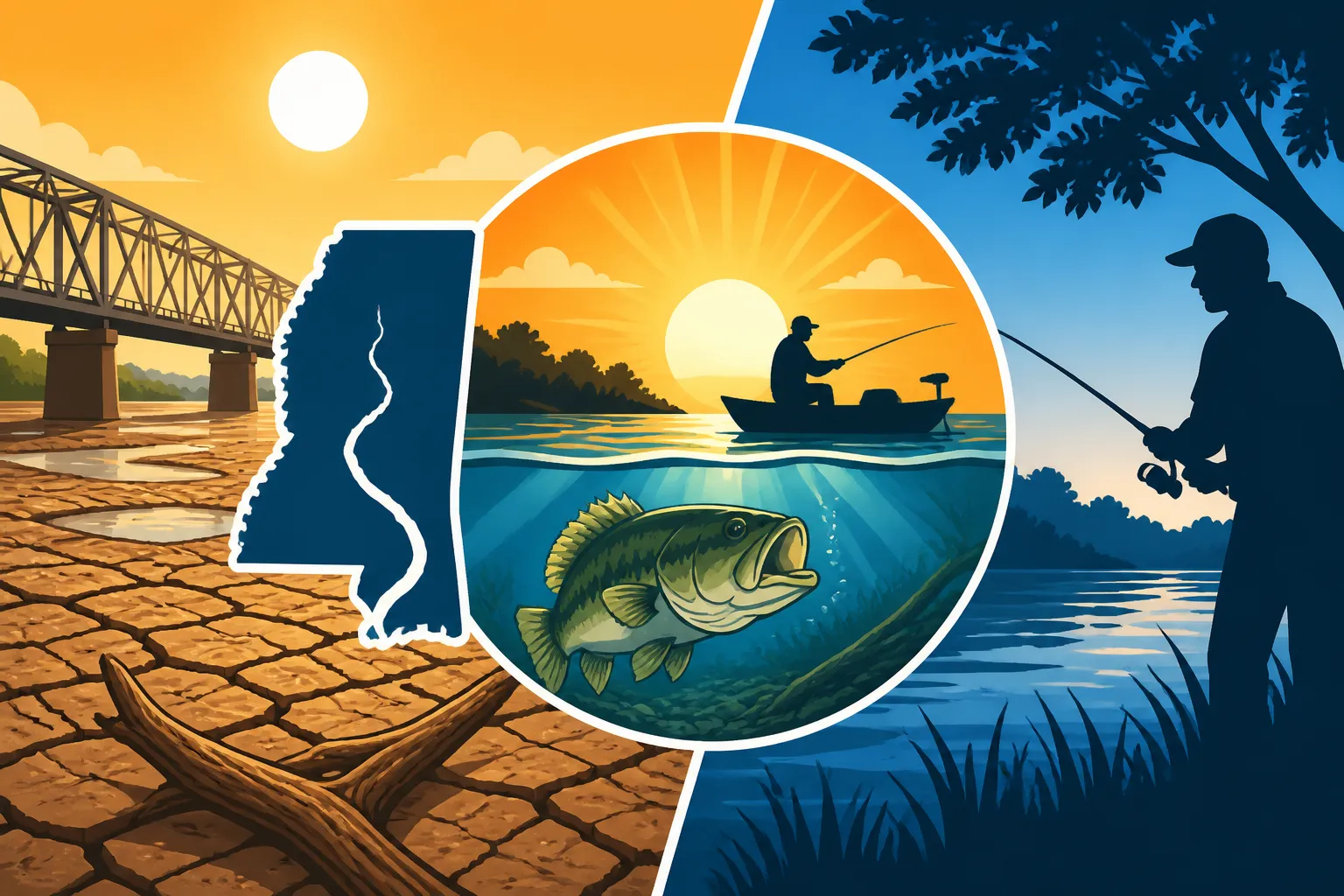
One of the most obvious and immediate impacts of a drought is the drop in water levels. Creeks become trickles, large reservoirs shrink, and even smaller ponds can lose significant depth. This reduction in water volume leads to what we call "habitat compression." Fish that were once spread out across a wide area are now concentrated into smaller, deeper pockets. Their usual hiding spots – submerged brush, weed beds, log jams – might suddenly be exposed or too shallow to offer adequate cover. This can make fish more vulnerable to predators, including us anglers, but it also makes them incredibly skittish and stressed. They are seeking refuge, often in the deepest available water or areas with overhead cover that remain submerged.
Think about your favorite stretch of the Mississippi River Fishing Guide or even a local creek. When the water drops, those familiar bends and drop-offs suddenly look entirely different. Shoreline vegetation that was once flooded now stands high and dry, exposing potential new snags and reducing available shade. Fish might move from wide flats into main river channels or deep creek beds, seeking consistent depth and protection. This compression can initially make them easier to locate, but their heightened stress levels mean they're far less likely to bite carelessly. You need to approach these concentrated areas with stealth and a subtle presentation.
Water Temperature and Oxygen Levels
Summer in Mississippi is hot enough as it is, but a drought exacerbates the problem. Lower water levels mean less volume to absorb solar radiation, leading to significantly warmer water temperatures. How Hot Mississippi Water Gets in Summer is a real concern, and during a drought, those temperatures can climb even higher, and faster. This isn't just uncomfortable for fish; it's dangerous. Warmer water holds less dissolved oxygen, which is essential for fish respiration. Combine high temperatures with decomposing organic matter (which consumes oxygen) in shallower water, and you can create genuine oxygen depletion zones.
Fish will instinctively seek out cooler, more oxygenated water. This often means moving to deeper areas where the sun's rays don't penetrate as much, or congregating around springs, creek mouths, or even beneath dams where moving water might introduce more oxygen. You might find them suspended in the water column over deep channels or hugging the bottom in thermal refuges. Ignoring these crucial environmental factors and simply casting where you normally would could mean you're fishing in a biological desert. Understanding How Low Water Levels Affect Reservoir Fishing impacts these factors is key to finding active fish.
Fish Behavior Changes
All these environmental shifts lead to significant changes in fish behavior. When stressed by high temperatures, low oxygen, and habitat compression, fish become lethargic. Their metabolism slows down, and they're less inclined to chase fast-moving baits. Their feeding windows become shorter and more specific. Instead of actively foraging, they might adopt an ambush predator strategy, conserving energy and waiting for an easy meal to come to them. They'll also be far more sensitive to disturbances – boat noise, shadows, or heavy splashes can send them scattering.
You’ll notice that fish might become incredibly finicky, ignoring baits they usually inhale. They're often in a survival mode, not a feeding frenzy. This means traditional summer patterns, like topwater action at dawn, might be severely curtailed or non-existent in drought-affected waters. You need to adjust your approach from aggressive power fishing to a more subtle, patient, and precise method. Focusing on low-light periods, specific structure, and finesse presentations becomes paramount.
Adjusting Your Strategy: Best Times to Fish During a Drought
Dealing with a Mississippi summer drought means throwing out your usual playbook and rethinking when and where you fish. The good news is, fish still need to eat, and there are definitely windows of opportunity if you know how to spot them. It's all about minimizing the negative impacts of the harsh conditions and capitalizing on the brief moments when fish feel more comfortable.
Early Morning and Late Evening Windows
During a drought, the prime fishing times become even more concentrated into the cooler parts of the day. Those glorious hours just before and shortly after sunrise, and then again from late evening until after sunset, are your absolute best bets. The sun hasn't had a chance to bake the shallow waters in the early morning, and by evening, the surface waters have begun to cool slightly. This subtle temperature drop can be enough to trigger a brief feeding period as fish become more active and venture out from their deep-water sanctuaries or shaded cover.
Think of it like this: on a scorching day, would you rather go for a run at noon or just as the sun is coming up or going down? Fish feel the same way about feeding. During these low-light periods, the water is at its coolest, and dissolved oxygen levels are usually at their highest. This makes fish more comfortable and willing to move and strike. This is particularly true for species like bass and crappie. For more specific guidance, check out articles like Best Time of Day to Catch Bass and Best Time of Day to Catch Crappie. You might find that the bite lasts only an hour or two, so being on the water precisely at these times is critical.
Fishing During Cooler Weather Fronts
While a drought implies a prolonged period of dry, hot weather, sometimes a cold front will push through, even without significant rain. These post-front conditions, though often accompanied by clear skies, bring a temporary drop in air temperature and, consequently, a slight cooling of the surface water. This can be a game-changer. Even a small drop in water temperature can invigorate lethargic fish and kickstart a brief feeding spree. The key is to watch the forecast meticulously and seize these opportunities.
When a cooler front passes, don't necessarily wait for the next day. Sometimes, the immediate aftermath, as the pressure stabilizes and temperatures dip, can be phenomenal. The fish, having been stressed for so long, might take advantage of the temporary relief to feed more aggressively. While Fishing After a Cold Front usually describes post-storm conditions, the principle of temperature relief still applies. Focus on areas where fish are likely to congregate for both temperature and ambush points, like deeper creek channels or submerged structure near a thermocline.
Targeting Deeper, Shadier Areas
As mentioned, fish will flee the hot, oxygen-depleted shallows during a drought. Your strategy must shift to finding their deep-water refuges. This means targeting main lake or river channels, deep creek bends, submerged brush piles, ledges, and drop-offs. Any area that offers consistent depth and a slight temperature differential will attract fish. Overhanging trees, boat docks, bridges, and even dense lily pad fields that provide deep shade can also hold fish, especially in the early mornings and late evenings.
For instance, on a big body of water like the Ross Barnett Reservoir Fishing Guide, you might find bass retreating to the main river channel ledges, while crappie suspend over old creek beds. These fish won't be in the same aggressive mood as they would in cooler conditions. You'll need to approach these deeper areas slowly and quietly, using your electronics to pinpoint schools or individual fish. Focus on presentation: a slower retrieve, a smaller bait, and a precise cast are often more effective than simply bombing out a lure. Remember, Fishing During Summer Heat in Mississippi always involves seeking cooler water, and a drought intensifies this need.
Specific Techniques and Baits for Drought Fishing
With fish being more sluggish and finicky during a drought, your go-to techniques might not cut it. It’s time to dial in your approach, downsize your offerings, and use every trick in the book to entice a strike. This often means slowing down and appealing to their survival instincts rather than their chase response.
Downsizing and Finesse Tactics
When fish are stressed and lethargic, a big, flashy bait is often ignored or even spooks them. This is where finesse fishing shines. Think smaller worms, tiny jigs, and subtle presentations. Instead of a large crankbait, opt for a small finesse worm on a shaky head or a drop shot rig. For crappie, a tiny marabou jig or a small plastic grub, perhaps only 1/32 or 1/16 ounce, fished extremely slowly is often irresistible. The idea is to present a small, easy meal that requires minimal effort from the fish to consume.
Consider your tackle. A lightweight spinning rod and reel with thin fluorocarbon line will allow for more natural presentations and detect those incredibly subtle bites that often characterize drought fishing. Brands like Amazon offer a wide array of finesse tackle options, from delicate hooks to ultralight jig heads. You might also want to look into Best Lures for Largemouth Bass that are smaller and offer less resistance, or Best Bait for Crappie in Mississippi that can be fished slowly and effectively. The key is to make your offering look as natural and non-threatening as possible, almost as if it's just drifting along.
Natural Baits and Scent Attractants
When artificial lures aren't cutting it, live bait can be a lifesaver during a drought. A live minnow, crickets, worms, or even small crawfish can often trigger a strike from a fish that would ignore a plastic imitation. Live bait offers natural movement, scent, and texture – all things that are hard to replicate perfectly. During stressful conditions, fish are less likely to expend energy chasing something that might not be real. A wiggling worm or a struggling minnow looks like a guaranteed meal.
Pairing live bait with a slow, bottom-oriented presentation can be incredibly effective. A simple Carolina rig or a slip bobber setup can present your live bait right in the fish's face without spooking them. If you're sticking with artificials, don't underestimate the power of scent attractants. Applying a fish attractant gel or spray to your soft plastics can make a huge difference, masking human odors and adding a natural scent profile that encourages fish to hold onto the bait longer, giving you more time to set the hook. You can find many effective scent attractants, from brands like Pro-Cure to Berkley, readily available on Amazon.
Targeting Specific Species
While drought conditions affect all fish, some species might be slightly more resilient or predictable than others. Catfish, for example, are often more tolerant of lower oxygen levels and warmer water than bass or crappie. They tend to congregate in deeper holes and channel bends, making them a viable target during these tough times. Using traditional catfish baits like chicken liver, cut bait, or stink baits in those deeper areas can still produce results.
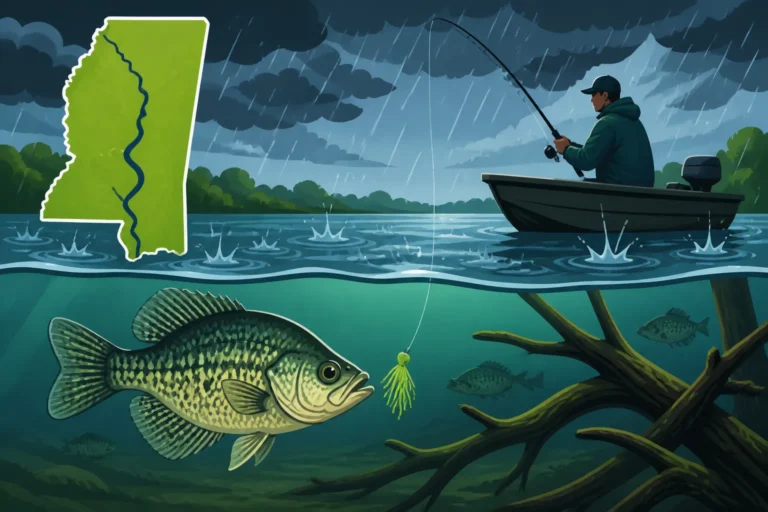
Crappie, though sensitive to temperature, often school up tightly in the deepest available brush piles or suspended over creek channels. Using vertical jigging techniques or spider rigging with live minnows can be very effective if you can locate these schools. Crappie Fishing Techniques for Mississippi Lakes will emphasize depth and slow presentations during these times. Bass will also seek deep cover, often relating to submerged timber or rock piles. Slow-rolling a spinnerbait or working a jig along the bottom can elicit strikes. Understanding each species' drought-response behavior allows you to tailor your approach and increase your chances of success.
Here's a quick comparison of fishing strategies during normal summer vs. drought conditions:
| Aspect | Normal Mississippi Summer Fishing | Mississippi Summer Drought Fishing |
|---|---|---|
| Water Levels | Stable, good access to diverse habitats | Low, habitat compression, exposed banks, reduced access |
| Water Temperature | Warm, but often stable with thermoclines | Very warm, potential for oxygen depletion, extreme heat near surface |
| Fish Behavior | Active, feeding throughout day (especially low light), chasing baits | Lethargic, finicky, conserving energy, seeking refuge, short feeding windows |
| Best Time of Day | Early morning, late evening, sometimes midday in deep shade | Strictly early morning & late evening; brief windows during cool fronts |
| Key Locations | Weed lines, shallow cover, points, open water | Deep channels, submerged timber, spring-fed areas, bridge pilings, heavy shade |
| Techniques | Topwater, crankbaits, spinnerbaits, faster retrieves | Finesse tactics, slow retrieves, vertical jigging, bottom bouncing |
| Baits/Lures | Wide variety, aggressive presentations | Live bait (minnows, worms), small soft plastics, scented lures |
| Recommended Gear | General purpose rods/reels | Ultralight/light rods, thin line, sensitive tips (check Amazon for options) |
Safety and Conservation During Dry Spells
Fishing during a drought isn't just about catching fish; it's also about ensuring your own safety and being a responsible steward of the natural resources. The conditions that make fishing tough for the angler also create significant stress for the fish and the environment itself.
Personal Safety Precautions
When water levels drop, previously submerged hazards like stumps, rocks, and sandbars become exposed or lie just beneath the surface, posing risks to boaters. Navigating familiar waters can suddenly become treacherous. Always proceed with caution, consult nautical charts if available, and keep an eye out for visible hazards. If you're bank fishing, be aware that drought conditions can lead to unstable or muddy banks where water has recently receded, making slips and falls more likely.
The intense summer heat, compounded by clear skies typical of a drought, also means a higher risk of heatstroke and severe sunburn. Stay hydrated by drinking plenty of water, wear light-colored, breathable clothing, a wide-brimmed hat (a good sun hat from Amazon is always a wise investment!), and apply sunscreen diligently. Take frequent breaks in the shade. Fishing early or late in the day not only helps with fish activity but also mitigates the worst of the daytime heat. Your safety is paramount, so don't push yourself too hard in these challenging conditions.
Protecting the Resource Fish Handling
During a drought, fish are already under immense stress from high water temperatures and low oxygen. If you plan to practice catch and release, it's more important than ever to handle fish with extreme care to maximize their chances of survival. Minimize the time the fish is out of the water – every second counts. Use wet hands when handling fish, avoid touching their gills, and support their body weight horizontally.
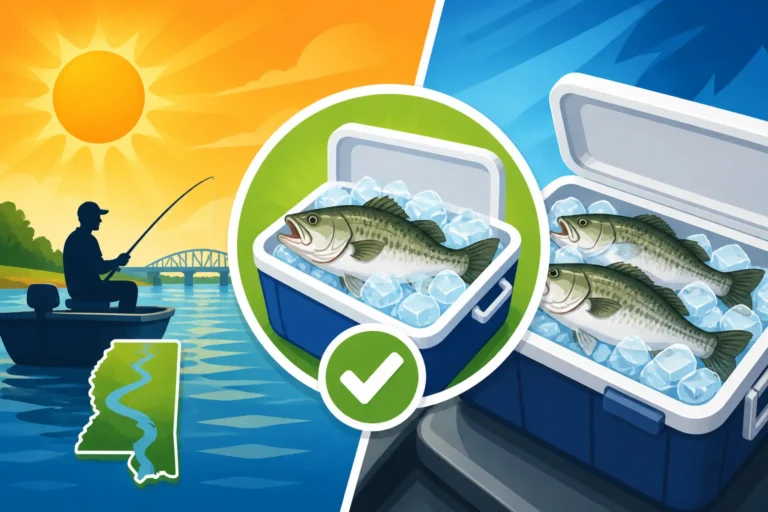
Consider using barbless hooks or crushing barbs on your hooks to make removal easier and reduce tissue damage. If a fish looks particularly stressed or lethargic upon release, take extra time to revive it by gently holding it in the water, facing into any current, until it swims away under its own power. If you're keeping fish for a meal, adhere strictly to all Mississippi Fishing Creel and Size Limits and only keep what you need. Think about how Best Way to Keep Fish Fresh on a Hot Day applies to fish you intend to release as well – avoid undue stress. In times of drought, conservation is more critical than ever to ensure healthy fisheries for the future.
Gear Considerations
Your fishing gear might also need some adjustments for drought conditions. As water levels drop, you might find yourself needing to wade more or fish from less accessible banks. Waterproof boots or waders can be a great asset. If you're boating, having a reliable shallow-water anchor or a push pole can be invaluable for navigating skinny water or holding position without spooking fish.
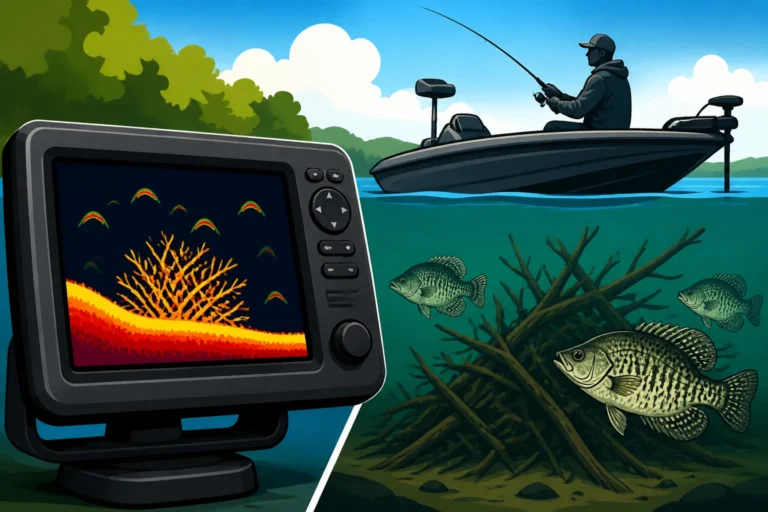
Think about your electronics too. A good fish finder is essential for locating those deeper, oxygenated pockets where fish gather. Look for models with good down-imaging and side-imaging capabilities to scan submerged structure effectively. If you're concerned about stealth, a quieter trolling motor or even a kayak can give you an edge by allowing you to approach fish-holding areas without a loud outboard motor. Before heading out, ensure all your Best Rod and Reel Setup for Beginners or advanced anglers are clean, well-maintained, and ready for the subtle bites and potentially tougher fights that drought conditions can present.
Disclaimer
This article is for general informational purposes only and does not constitute professional advice. Laws, prices and regulations vary by location and change over time. Consult a qualified professional for guidance on your specific situation.