How Hot Mississippi Water Gets in Summer
One of the biggest challenges we face as anglers in Mississippi, especially once those long summer days really set in, is the sheer heat. It’s not just the air temperature that makes us sweat; it’s the water itself. Many folks struggle to find fish when the water feels more like a bathtub than a thriving ecosystem, wondering just how hot the water can get and what that means for their fishing success. This guide will dive deep into understanding Mississippi's summer water temperatures, how they affect our beloved fish, and how we can adjust our strategies to keep catching, even when the mercury soars.
Understanding Mississippi's Summer Water Temperatures
When the Mississippi sun beats down relentlessly, it's not just warming up our skin; it's steadily heating the vast expanses of water across our state's lakes, rivers, and coastal areas. This isn't just a minor rise; it can be a significant increase that profoundly impacts everything beneath the surface. Knowing what to expect in terms of water temperature is the first step to successful summer fishing.
Typical Surface Temperatures
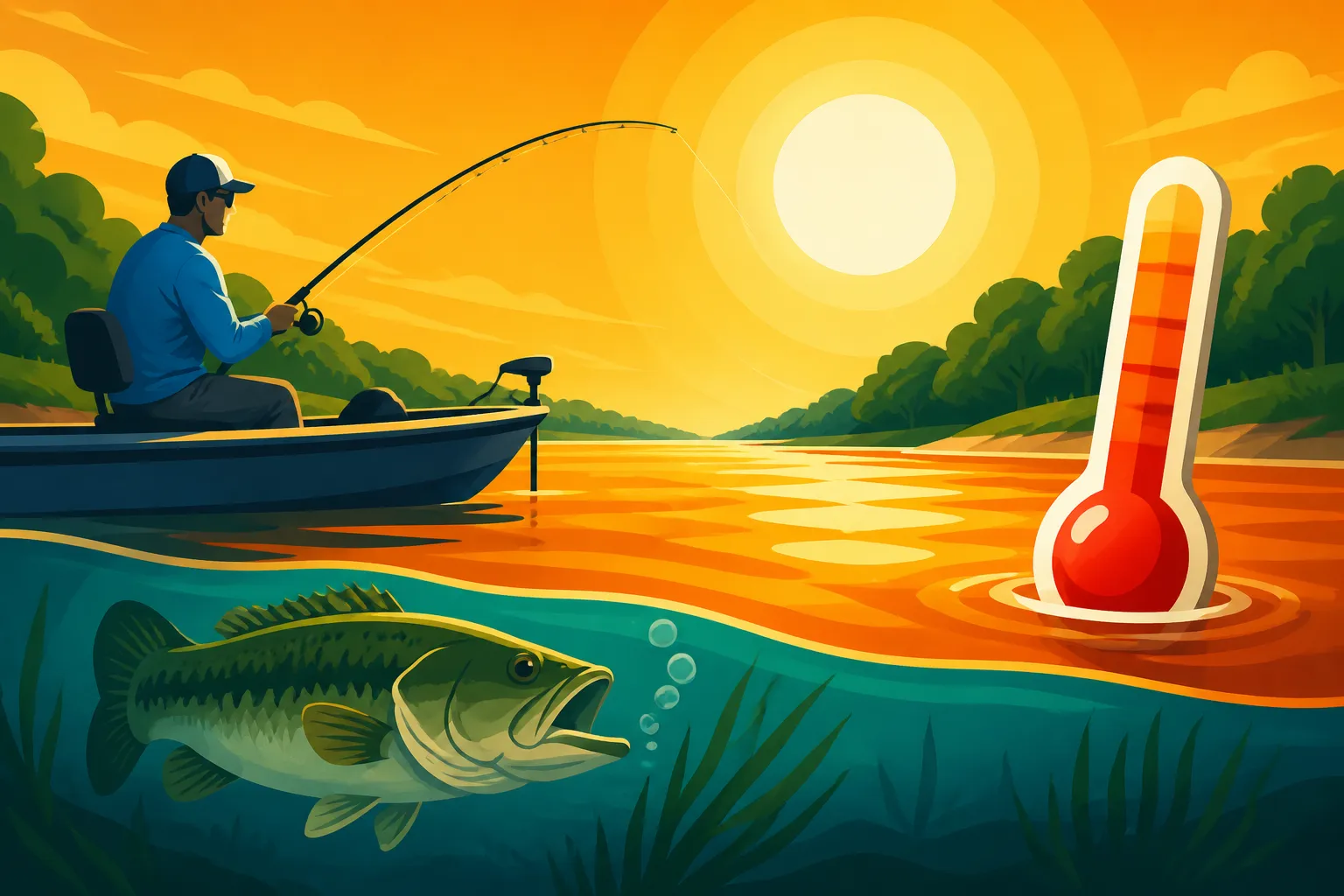
From late June through August, you can expect surface water temperatures across most of Mississippi's freshwater lakes and reservoirs to regularly climb into the upper 80s Fahrenheit. I've personally seen the thermometer on my boat's transducer hit 90 degrees Fahrenheit or even higher on those calm, sunny afternoons on lakes like Ross Barnett or Sardis. It's not uncommon for smaller, shallower bodies of water, especially those without much current or shade, to even touch the low 90s. Imagine wading into a shallow cove that’s been baking all day – it feels like bathwater, and for many fish, it’s not far off. This intense surface heat permeates the upper layers of the water column, making the shallows less hospitable for many of our favorite game fish during peak daylight hours. This is why understanding the Best Time of Year to Fish in Mississippi often involves considering these temperature shifts.
Thermoclines and Deep Water Refuges
While the surface sizzles, deeper waters can offer a crucial refuge. In many of Mississippi's larger and deeper lakes and reservoirs, a phenomenon called a thermocline develops during the summer months. A thermocline is essentially a distinct layer within the water column where the temperature changes more rapidly with depth than it does in the layers above or below. Above the thermocline, the water is warm and usually well-oxygenated. Below it, the water becomes significantly cooler, but often, the oxygen levels start to drop off dramatically in the deepest parts. Fish will often suspend right in or just above this thermocline, seeking that perfect balance of cooler temperatures and sufficient oxygen. If you're on the hunt for those deep-dwelling crappie or bass in the summer, understanding where to find this thermocline with your electronics is absolutely critical. Knowing How Deep Do Crappie Go in Summer can make all the difference, as they'll seek out these cooler, oxygenated zones.
Factors Influencing Water Temperature Extremes
It's not just the calendar that dictates how hot the water gets. Several environmental factors play a significant role, creating variations even within the same body of water. Understanding these elements can help you predict where the water might be cooler or warmer, and thus, where the fish might be.
Sun Exposure and Shallow Water
The primary driver of high water temperatures is, of course, the sun. Long hours of direct sunlight, especially during our clear, cloudless Mississippi summer days, provide ample energy to heat the water. Shallower areas are particularly susceptible to this rapid warming. Think about a small, open cove or a broad, shallow flat – there's less water volume to absorb the heat, and the sun's rays can penetrate right to the bottom, heating the entire water column there quickly. These areas can become incredibly uncomfortable, even dangerous, for fish, especially if they can't easily escape to deeper water or shaded cover. This often means you'll find baitfish concentrated in these areas early in the morning, but as the sun climbs, game fish retreat. Even on our gorgeous Mississippi Gulf Coast Fishing Guide areas, the shallower bays and estuaries can warm up dramatically, affecting species like redfish and speckled trout.
River vs. Lake Temperature Dynamics
There's a noticeable difference in how rivers and lakes handle summer heat. Lakes, especially large reservoirs, tend to stratify, forming those distinct thermoclines we talked about. Their generally slower currents allow the water to settle into layers. Rivers, on the other hand, with their constant flow, tend to mix the water column much more thoroughly. This means you might not find as pronounced a thermocline in a river system, and while the surface temperature might still be warm, the deeper water might not be as drastically cooler as in a lake, but it also won't suffer from the same oxygen depletion in the deepest parts. However, rivers often have more shaded areas provided by overhanging trees or bluffs, which can create pockets of cooler water near the banks. Understanding these nuances is part of putting together a solid Mississippi Summer Fishing Guide.
Impact on Fish Behavior and Metabolism
Fish are cold-blooded creatures, meaning their body temperature largely mirrors that of the surrounding water. This makes them incredibly sensitive to temperature fluctuations, and extreme heat can significantly impact their well-being, activity, and feeding habits.
Oxygen Depletion and Stress
Perhaps the most critical consequence of scorching summer water temperatures is reduced dissolved oxygen. Warmer water simply cannot hold as much oxygen as cooler water. When surface temperatures climb into the upper 80s or 90s, and especially if there's prolonged calm weather without wind to mix and aerate the water, oxygen levels can plummet. This is particularly problematic in the deeper, cooler layers beneath the thermocline, creating areas of "dead water" that fish cannot inhabit. Fish that are trapped in warm, low-oxygen water experience significant physiological stress. You might see them lethargic, gasping at the surface, or showing signs of disease. This is why knowing Mississippi Freshwater Fishing Rules often includes regulations designed to protect fish during these vulnerable periods, sometimes with catch-and-release recommendations during extreme heat.
Feeding and Activity Levels
When fish are stressed by high temperatures and low oxygen, their metabolism often changes dramatically. For many species, especially those typically more active in cooler waters like bass and crappie, their feeding activity can slow to a crawl. They become sluggish, conserving energy. Instead of actively chasing down bait, they might only strike at something presented directly in front of them with minimal effort. This doesn't mean they stop eating entirely, but their windows of activity become much narrower, typically confined to the coolest parts of the day or night. For other species, like catfish, which are often more tolerant of warmer, lower-oxygen water, their activity might remain relatively high, making them a good target during these periods. This is a key consideration for anyone putting together their Mississippi Fishing Seasons Calendar.
Here's a quick look at how different water temperatures can affect fish activity:
| Water Temperature Range (Fahrenheit) | General Fish Activity | Angler Strategy Implications |
|---|---|---|
| Below 50°F | Very slow metabolism, lethargic, deep | Slow presentations, vertical jigging, target deep structure |
| 50-65°F | Active, feeding, pre-spawn & spawn activity | Wide range of techniques, prime time for many species |
| 65-80°F | Highly active, strong feeding, post-spawn | Fast presentations, topwater, power fishing |
| 80-88°F | Metabolism increasing, seeking shade/depth, moderate feeding | Early/late fishing, target shady cover, deeper edges |
| 88°F and above | Stressed, sluggish, oxygen limited, reduced feeding | Slow presentations, small baits, precise depth, low-light fishing hours |
Adapting Your Fishing Strategy to Hot Water
You might feel frustrated, thinking that summer fishing in Mississippi is a lost cause when the water is cooking. But don't despair! By understanding how fish react to the heat, you can adjust your tactics and still have some fantastic days on the water. It just requires a bit more thought and sometimes, a shift in your usual approach.
Early Morning and Late Evening Fishing
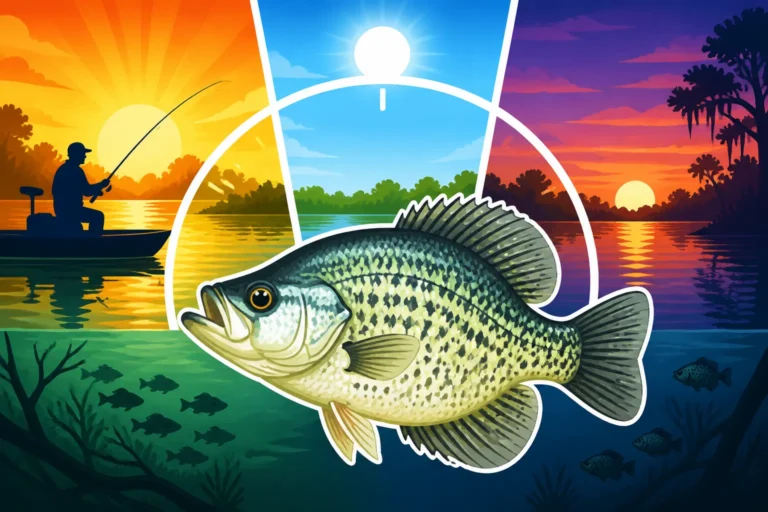
This is probably the single most effective adjustment you can make. The early morning hours, right at dawn, and the late evening, as the sun dips below the horizon, offer the coolest water temperatures of the day. The water has had all night to cool down, and the sun's intensity is at its lowest. This is when game fish, particularly bass and crappie, will often move into shallower areas to feed more aggressively before retreating to deeper, cooler water as the day progresses. Setting that alarm for a pre-dawn launch might feel tough, but the rewards are often worth it. You'll beat the heat, the crowds, and increase your chances of finding actively feeding fish. Plus, there's something truly magical about watching the sunrise over a calm Mississippi lake with a rod in your hand. This strategy is essential for anyone trying to figure out How to Catch Bass in Hot Summer Weather.
Targeting Deeper Structures and Shade
As the day heats up, fish will invariably seek refuge from the sun's relentless rays and the warm surface water. This means focusing your efforts on deeper structures where the water remains cooler, such as ledges, deep points, creek channels, roadbeds, and brush piles. You'll often find them suspended right above or within the thermocline, as discussed earlier. Using your boat's electronics, whether it's a basic fish finder or more advanced side-imaging, becomes indispensable for locating these hidden havens. If you don't have a boat, look for shorelines with steep drop-offs or areas with significant shade from overhanging trees or bluffs. These shaded pockets can be surprisingly productive, even in the middle of the day. Think about how to effectively fish for Mississippi Hybrid Striped Bass Limit in these deeper, cooler zones.
Gear and Bait Considerations
Your tackle and bait choices also need some fine-tuning for hot water conditions.
Downsizing and Slow Presentations
Because fish are often less aggressive and more lethargic in hot water, presenting smaller baits with slower, more subtle retrieves can be highly effective. Instead of a large crankbait, try a finesse worm, a small jig, or a drop-shot rig. For crappie, tiny jigs tipped with minnows or soft plastics fished extremely slowly are often key. The goal is to make the bait look easy to catch, requiring minimal energy expenditure from the fish. If you're shopping for new gear, many excellent finesse lures can be found on sites like Amazon.
Live Bait Advantages
Live bait often reigns supreme in hot water. A lively minnow, cricket, or worm can be irresistible to a sluggish fish, providing natural action and scent that artificial lures might struggle to replicate. Make sure your live bait stays healthy and active. A good aerated livewell or bait bucket is crucial. You can find excellent portable aerators on Amazon, which can significantly improve your bait's lifespan on a hot day. Check out our tips on Best Livewell Tips for Keeping Bait Alive for more details.
Hydration and Sun Protection for Anglers
While we're talking about the fish, let's not forget ourselves! Mississippi summers are no joke, and heat stroke is a real danger. Always bring plenty of water, wear light-colored, breathable clothing, a wide-brimmed hat, and quality sunglasses. Sunscreen is your best friend. Consider bringing a cooler packed with ice and refreshing drinks. If you're out there all day, it's just as important for you to stay cool and hydrated as it is for the fish you're chasing to find cool water. You might find great deals on fishing sun gloves or cooling towels on Amazon to help you stay comfortable.
Respecting the Catch in Extreme Heat
Catch-and-release fishing can be particularly challenging for fish when the water is excessively warm. The stress of being caught, combined with high water temperatures, can significantly reduce a fish's chances of survival after release. If you plan to release fish, handle them quickly and gently. Use a net to minimize handling, keep them in the water as much as possible, and revive them thoroughly before letting them go. If you're planning to keep your catch, ensure you have a proper method to keep them cool immediately. An ice chest filled with ice water is far better than a hot livewell for preserving your fish. For more on this, check out our guide on the Best Way to Keep Fish Fresh on a Hot Day. Ultimately, sometimes the best choice on the hottest days is to simply fish for species more tolerant of the heat or to postpone your trip until conditions are more favorable.
Disclaimer
This article is for general informational purposes only and does not constitute professional advice. Laws, prices and regulations vary by location and change over time. Consult a qualified professional for guidance on your specific situation.